- BIST10011,483+1.32%
- USD50.07+0.05%
- EUR55.96-0.52%
- GOLD4,120.00+1.11%
- INTEREST36.00%-1.00
- BITCOIN74,273-0.60%
- November 9, 20264°
- BIST10011,483+1.32%
- USD50.07+0.05%
- EUR55.96-0.52%
- GOLD4,120.00+1.11%
- INTEREST36.00%-1.00
- BITCOIN74,273-0.60%
- November 9, 20264°
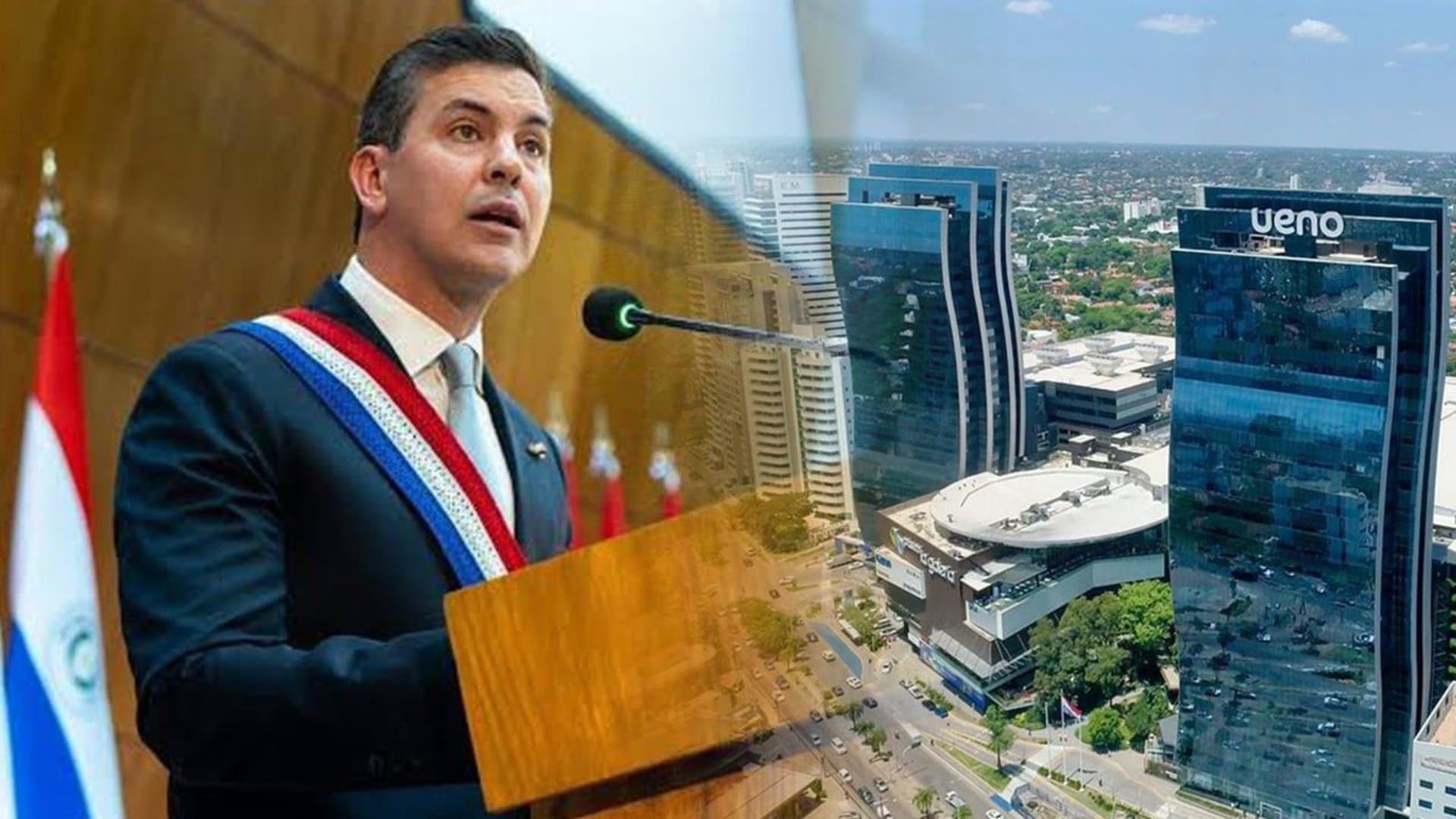
Ueno Bank collapse cuts off 60% of Paraguay’s adults and hits Peña
Paraguay’s central bank has launched resolution proceedings for the country’s largest digital bank. Eight senior executives have been detained, the regulator’s chief resigned at President Santiago Peña’s request, and the opposition is preparing an impeachment bill.
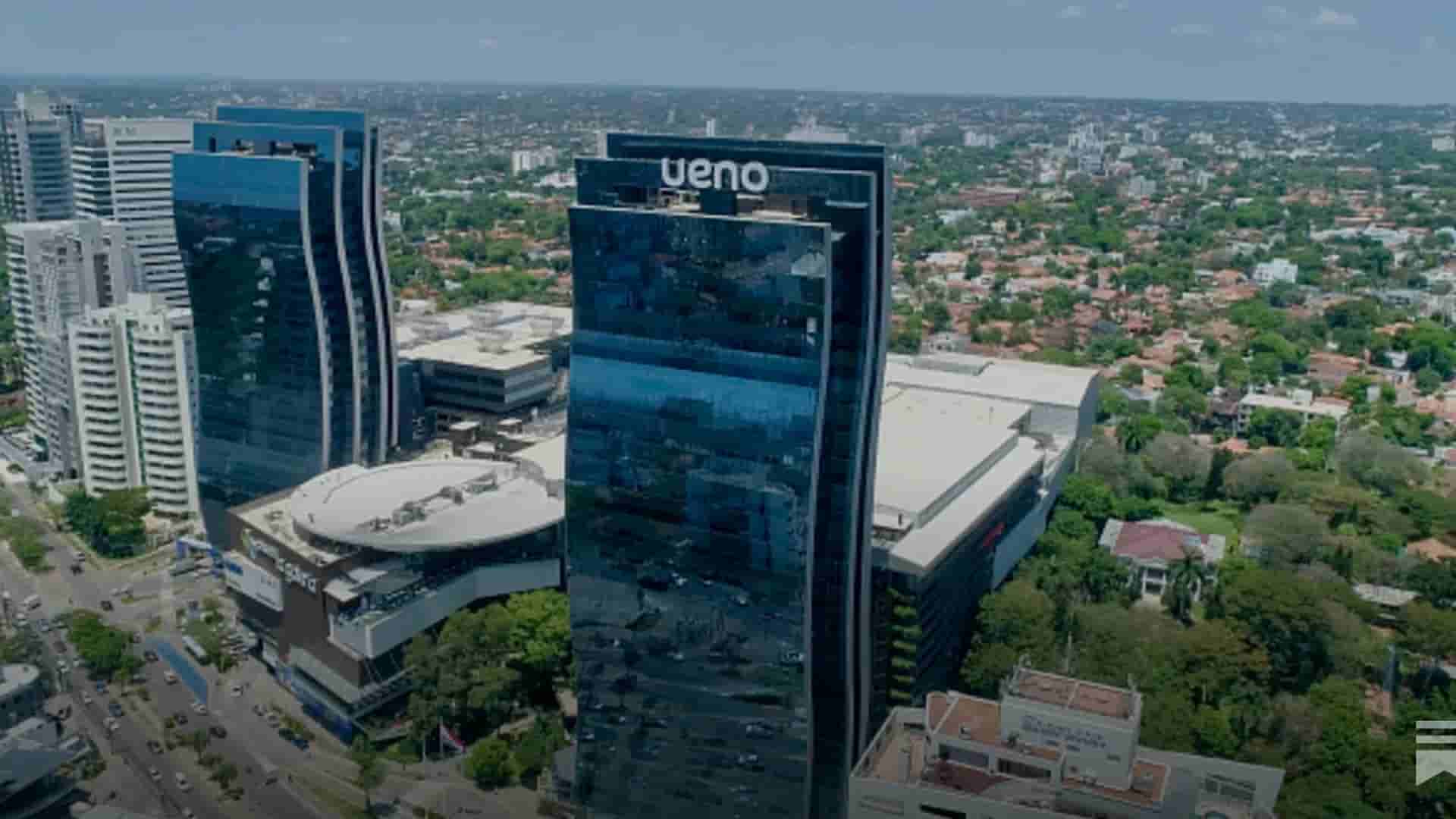
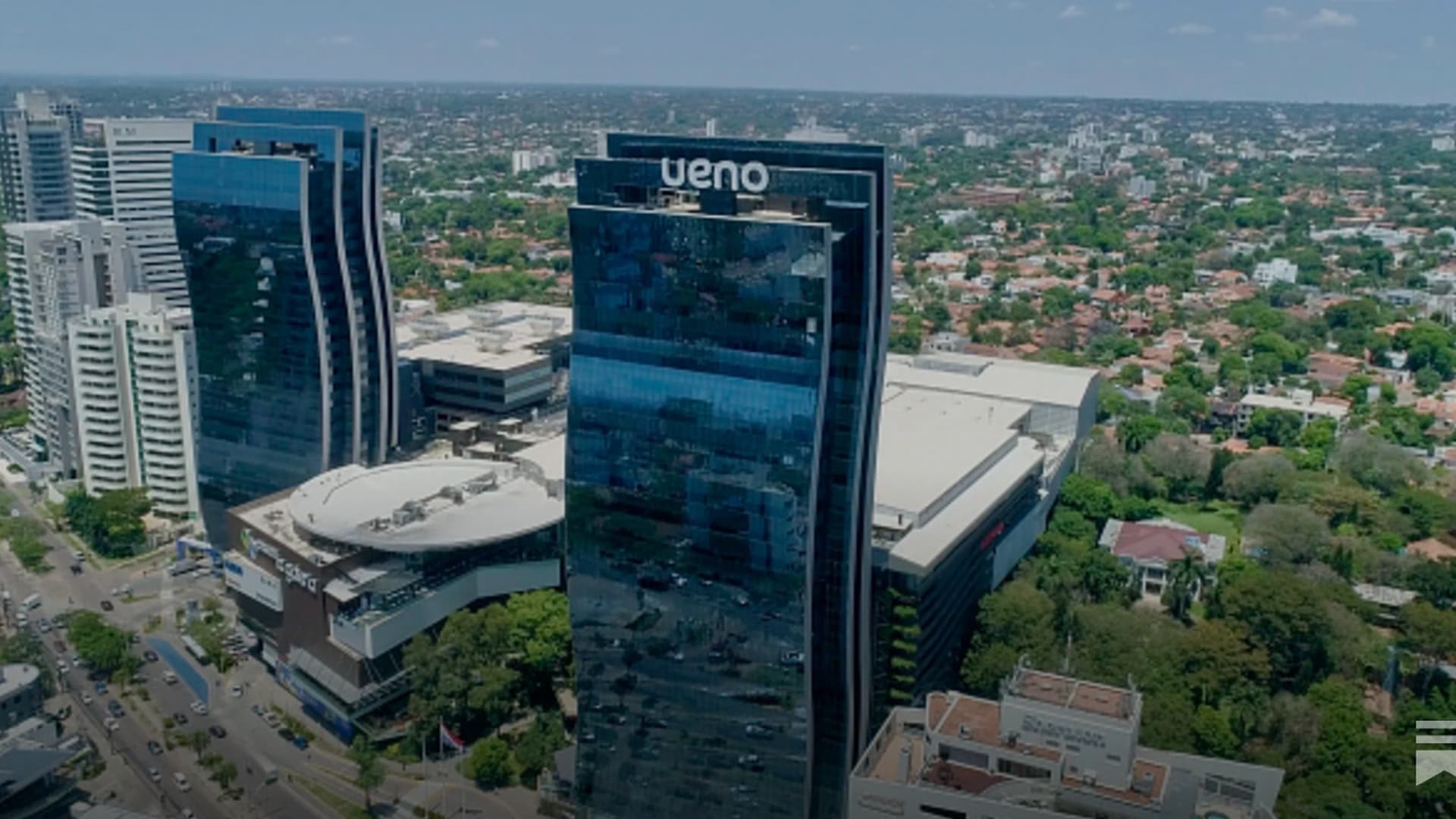
Nearly three million Ueno Bank customers, Paraguay’s largest digital bank, have been unable to withdraw money, view their balances or pay by card since the morning of November 3. That amounts to about 60% of the country’s adult population. The Central Bank of Paraguay (BCP) placed Ueno under compulsory bank resolution: branches are closed, while the mobile app, debit cards and credit cards have been disabled. Under the law, authorities have up to 15 calendar days to pay out guaranteed deposits.
The BCP board unanimously adopted the decision on Monday, November 2, under Law 2334/03 on deposit guarantees. The bank’s capital adequacy ratio fell to 5.56%, less than half the mandatory minimum of 12%. Inspections found weak credit-risk assessments, inconsistent financial information during loan approvals and transactions with companies linked to shareholders. In June, the central bank had already warned the bank about excessive lending to entities belonging to Grupo Vázquez, which holds the controlling stake. Just days before the collapse, Ueno announced a $100 million recapitalization plan.
Arrests and the central bank chief’s resignation
Prosecutors detained eight bank executives, including founder Federico Miguel Vázquez Villassanti and president Juan Manuel Gustale Cardona. The central bank said they are suspected of breach of trust and other crimes. A court imposed a precautionary seizure on $70 million and 1.62 trillion guaraníes belonging to the directors and the U Paraguay, U Holdings and Grupo Vázquez holding companies.
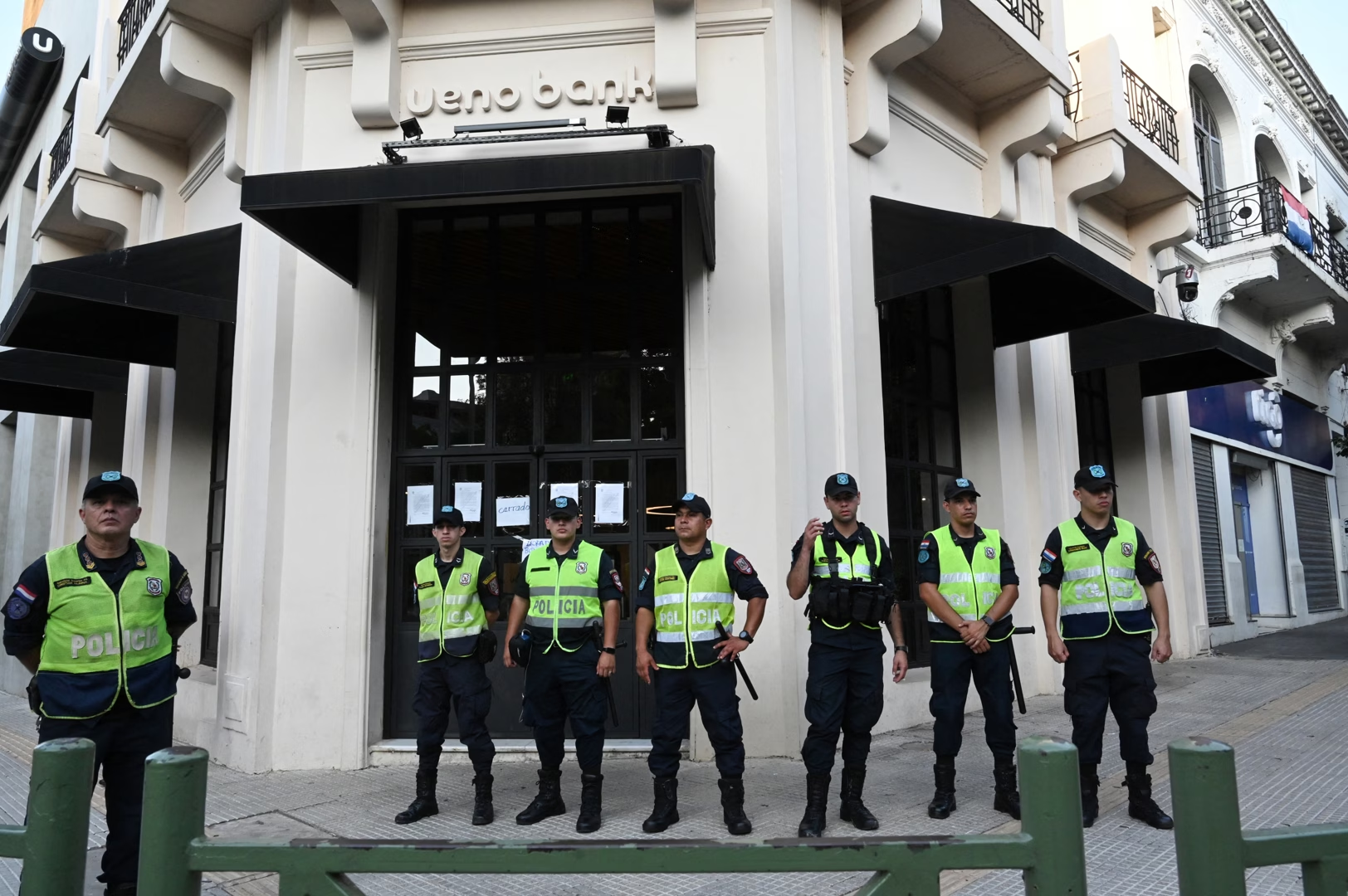
On Tuesday, BCP chief Carlos Carvallo resigned at the request of President Santiago Peña. He headed Financiera Ueno from 2021 to 2023, before it became a bank. “The central bank needs calm in order to do its job,” Carvallo said. Liana Caballero took over as acting head of the regulator.
Opposition raises impeachment
The scandal has also affected the president himself. Peña was a shareholder in Ueno Holding until 2025, when he left the company; in April 2025, he said he had never been a shareholder or investor in the bank itself. The president now describes the situation as a problem affecting one bank rather than a broader crisis and promises legislation to speed up payments from the Deposit Guarantee Fund. The opposition is seeking the impeachment of Peña and Vice President Pedro Alliana; Senator Rafael Filizzola said the bill is already being prepared. However, the ruling Colorado Party holds a large majority in parliament.
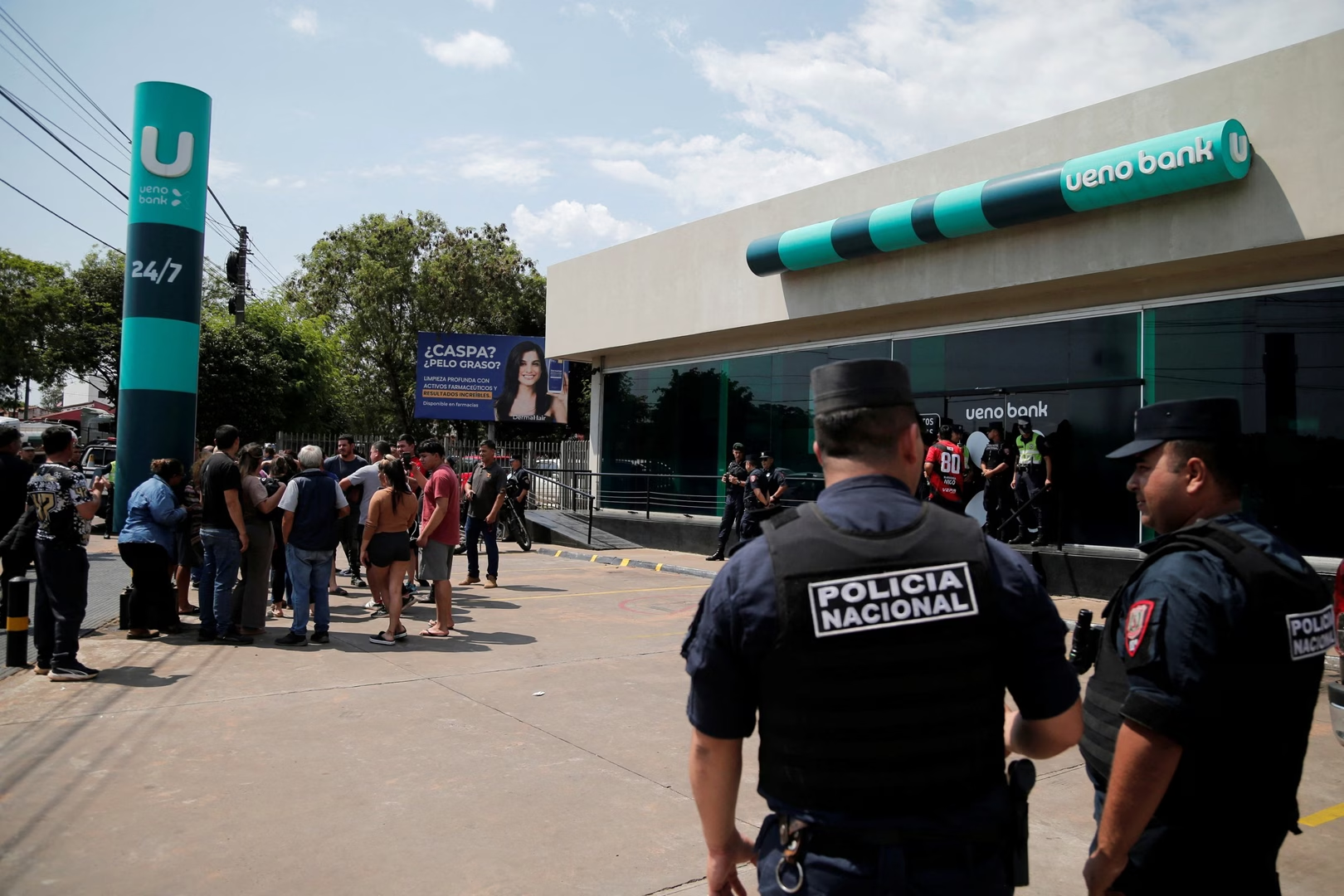
The fund guarantees deposits of up to 228.3 million guaraníes, or about $38,000, per person, covering approximately 97% of customers. Around 87,000 large depositors may not recover amounts above the limit. Public funds are also at risk: the IPS pension institute has about $380 million deposited with Ueno. On the evening of November 3, dissatisfied customers took to the streets of Asunción, gathering near the National Pantheon of Heroes and the president’s Mburuvicha Róga residence.
Protesters are demanding the return of their savings, and some are also calling for the president’s resignation. The central bank insists that this is an “isolated case” and does not indicate instability across the financial system.
Cover photo: open sources. Text: AFP, Reuters. Video: social media. Based on material from La Nación, EFE, Latin Times, Asunción Times and ABC Color
Stay Updated with RuskiGazeta
Subscribe to be informed about special news, developments and announcements. We will keep you informed.
By signing up, you agree to our Privacy Policy