The United States has officially removed Syria from the list of state sponsors of terrorism (State Sponsors of Terrorism), ending a designation that had been in effect for nearly 47 years and had served for decades as one of the main symbols of confrontation between Washington and Damascus.
The decision was made on August 24, 2026, after the completion of the congressional notification procedure required under US law.
This brought to an end a period that began on December 29, 1979, when Washington placed Syria on the list of state sponsors of terrorism.
The designation remained in place throughout the rule of Hafez al-Assad and later his son Bashar al-Assad.
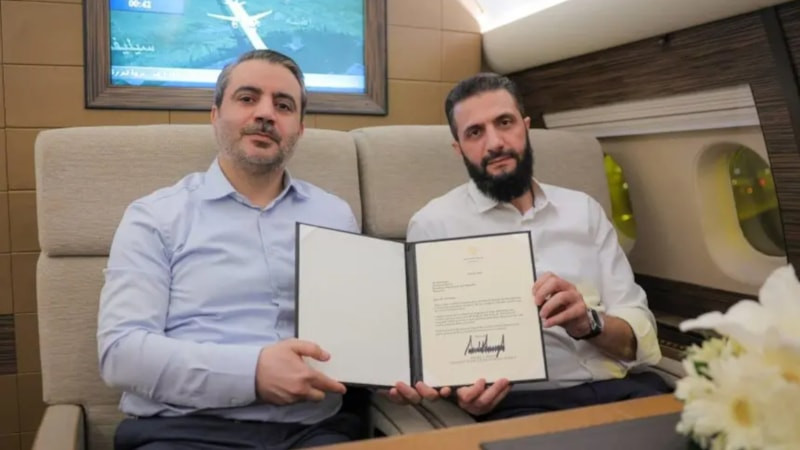
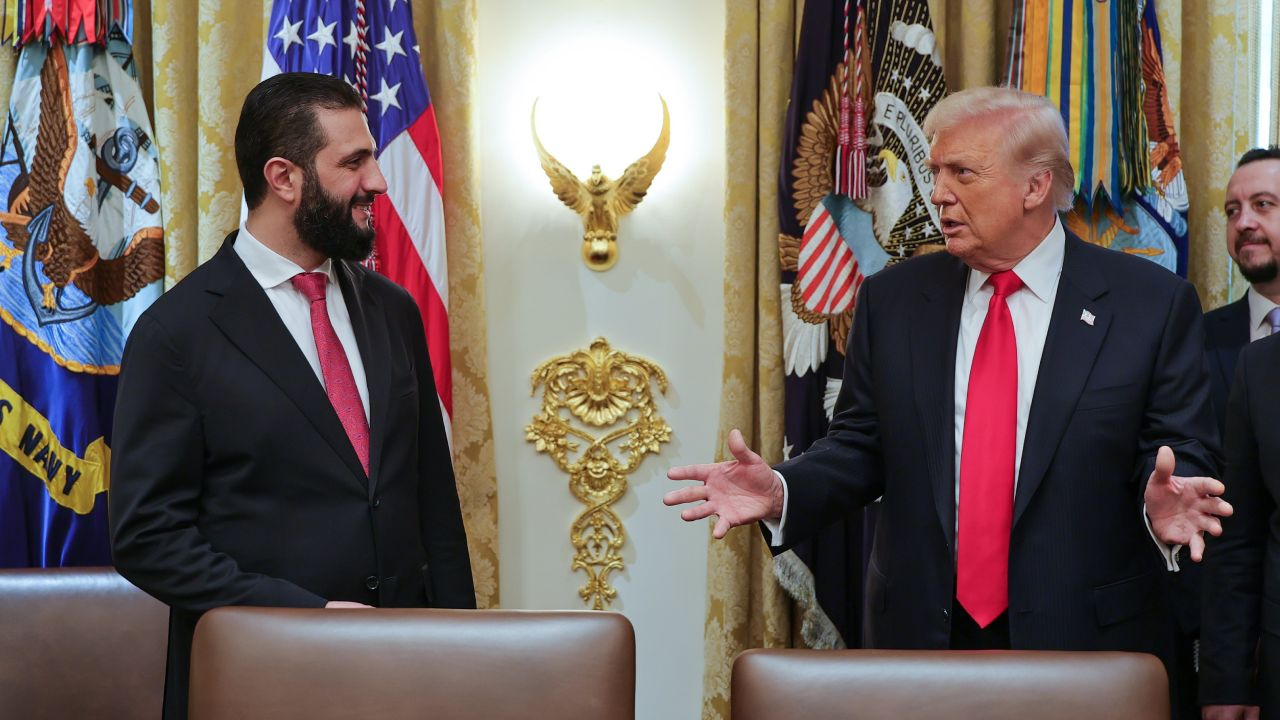
The current decision is one of the most significant steps taken by the United States toward Syria’s new leadership, headed by President Ahmed al-Sharaa, which emerged after the fall of Bashar al-Assad’s regime in December 2024.
Syria had been on the list since 1979
Syria was one of the first countries the United States placed on its list of state sponsors of terrorism.
For decades, successive US administrations accused the authorities in Damascus of supporting armed organizations that Washington classified as terrorist groups.
Among the main reasons cited for keeping Syria on the list were its ties to Hezbollah and its support for several Palestinian armed groups.
Relations between Washington and Damascus deteriorated further after the Syrian conflict began in 2011.
In 2012, the United States suspended operations at its embassy in Damascus, while additional sanctions and economic restrictions were imposed on Bashar al-Assad’s government.
What did the state sponsor of terrorism designation mean?
The US State Sponsors of Terrorism list is more than a political mechanism.
The designation carries serious legal and economic consequences, including restrictions on US foreign assistance, bans on arms exports and sales, controls on shipments of dual-use goods, and a range of financial restrictions.
In addition, a country’s inclusion on the list significantly increases the risks for international banks, investors and companies seeking to do business there.
For this reason, Syria’s removal from the list could have significant consequences for its return to the international financial and trading system.
At the same time, the decision does not automatically lift all US sanctions on Syria. Restrictions imposed under other US laws and sanctions mechanisms require separate decisions.
The fall of the Assad regime changed the situation
The fall of Bashar al-Assad’s regime in December 2024 was the key event that changed Washington’s approach to Syria.
After years of civil war and international isolation, new leadership emerged in Damascus under Ahmed al-Sharaa.
The new authorities’ main priorities included restoring relations with the international community, attracting foreign investment and rebuilding an economy severely damaged by years of war.
However, US and international sanctions remained one of the main obstacles to Syria’s return to the global economy.
As a result, Damascus’s new leadership began active diplomatic contacts with the United States, European countries and regional states, seeking the gradual removal of restrictions.
The Trump administration began changing its policy toward Damascus
In 2025–2026, the administration of US President Donald Trump took a series of steps to change US policy toward Syria’s new authorities.
Washington gradually began easing some economic restrictions, explaining that the measures were necessary to give the Syrian people an opportunity to rebuild their country after years of war.
In the summer of 2026, the process entered a decisive phase when the administration formally notified Congress of its intention to remove Syria from the list of state sponsors of terrorism.
After the statutory review period ended, the decision took effect.
This closed one of the longest chapters of US sanctions policy in the Middle East.
The decision could be highly significant for Syria’s economy
Some of the decision’s most serious consequences could emerge in the economic sphere.
Years of war have caused enormous damage to Syria’s infrastructure, energy sector, industry, housing stock and public services.
Rebuilding the country will require substantial foreign investment.
However, sanctions and the state sponsor of terrorism designation forced international banks and major companies to avoid any transactions connected to Syria for many years.
Removal from the list eliminates one of the most serious barriers.
For Damascus, one of its main goals now is to restore ties with the international banking system, attract foreign capital and accelerate the country’s postwar reconstruction.
Syria seeks to return to the global financial system
As restrictions began to ease, early signs emerged that international financial companies were interested in returning to the Syrian market.
Syria’s leadership is seeking to restore full banking transfers, international payments and trade links.
Syria’s return to the global financial system is important not only for major investments, but also for foreign trade, remittances from Syrians living abroad and future reconstruction projects.
Lifting the US state sponsor of terrorism designation could significantly reduce legal risks for foreign financial institutions.
The HTS factor and Ahmed al-Sharaa’s past
One of the most sensitive issues in relations between Syria’s new leadership and the West remains the past of Hay’at Tahrir al-Sham (HTS) and Ahmed al-Sharaa himself.
Before the fall of the Assad regime, al-Sharaa was the leader of HTS.
The organization’s history is linked to the al-Nusra Front and earlier ties to al-Qaeda. Al-Sharaa later announced that he was breaking relations with al-Qaeda and began changing the political course of the movement he led.
After Bashar al-Assad’s fall, al-Sharaa went from being one of the key leaders of the armed opposition to a central figure in Syria’s new political system.
For this reason, Washington’s approach to sanctions and terrorist designations connected to HTS became an important part of the broader process of reviewing US relations with the new authorities in Damascus.
Three countries remain on the US list
After Syria’s removal, three countries remain on the US list of state sponsors of terrorism:
Syria had been one of the list’s longest-standing members, making its removal particularly significant for US policy in the Middle East.
An era lasting nearly half a century comes to an end
The significance of the decision extends far beyond economic sanctions.
For decades, US-Syria relations were characterized by deep political differences, from the era of Hafez al-Assad and Syria’s presence in Lebanon to Damascus’s alliance with Iran, its support for Hezbollah, the civil war and sweeping sanctions against Bashar al-Assad’s government.
The fall of Syria’s previous regime radically changed this picture.
Washington is now seeking to establish a different form of relations with the country’s new leadership while linking further normalization to security, political stability and Syria’s reconstruction.
Therefore, removing Syria from the list of state sponsors of terrorism is not merely a technical change to the sanctions regime.
It effectively closes one of the chapters in US-Syria relations that began in 1979.
Security challenges remain
Despite the historic decision, numerous security challenges remain in Syria.
The country continues to face terrorism threats, the activities of armed groups, internal divisions and the risk of new clashes in certain regions.
Washington’s decision should therefore be viewed primarily as a change in its assessment of the Syrian state and its new leadership after the end of the Bashar al-Assad era, rather than as evidence that security threats have disappeared completely.
Nevertheless, for Damascus, the decision of August 24, 2026, represents a major political and economic breakthrough.
Nearly 47 years after Syria was placed on the US list, one of the most serious barriers to the country’s restoration of international relations, attraction of foreign investment and return to the global financial system has been removed.
For Syria, this could become one of the key starting points of a new era after decades of international isolation and a devastating war.