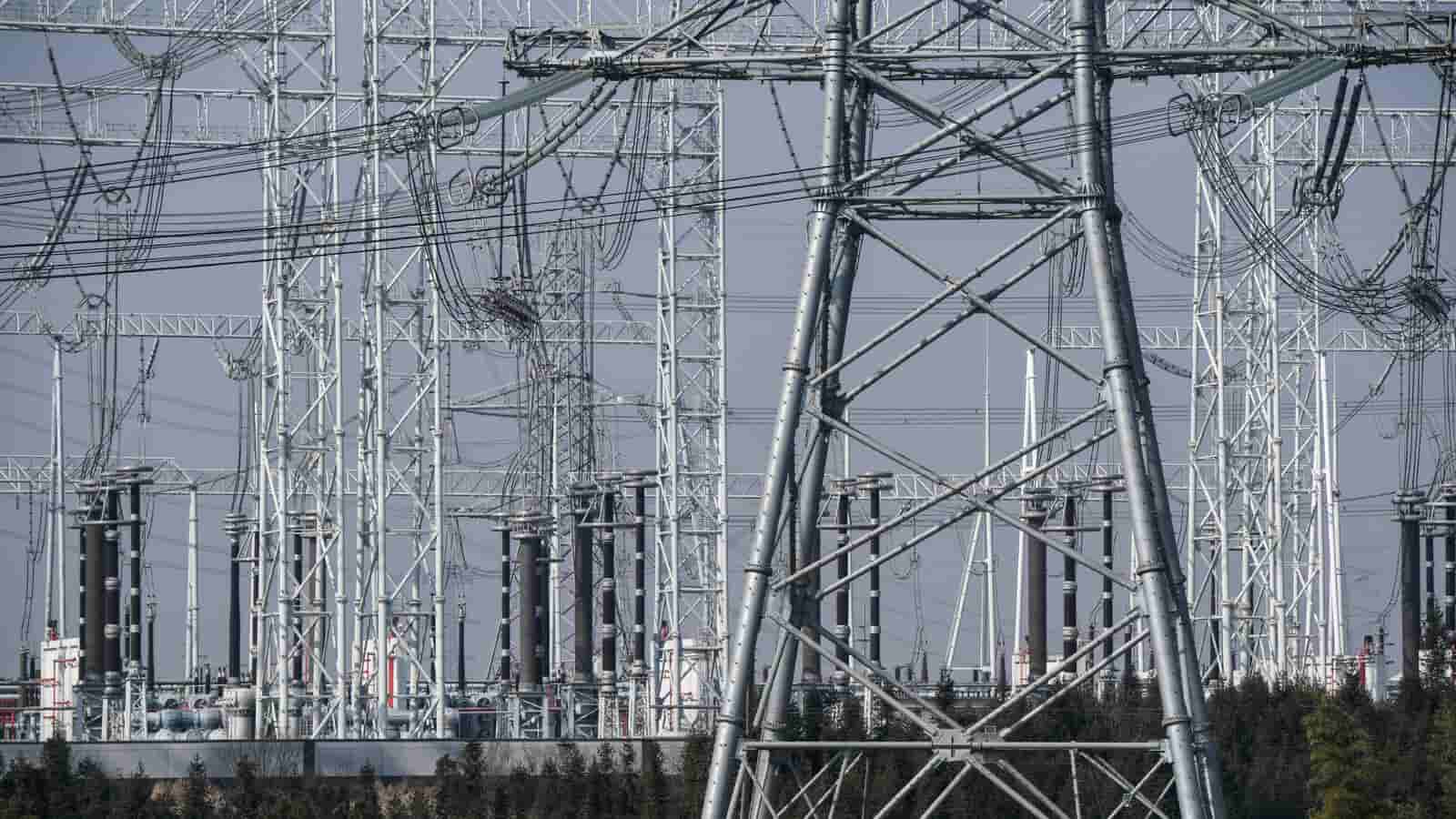
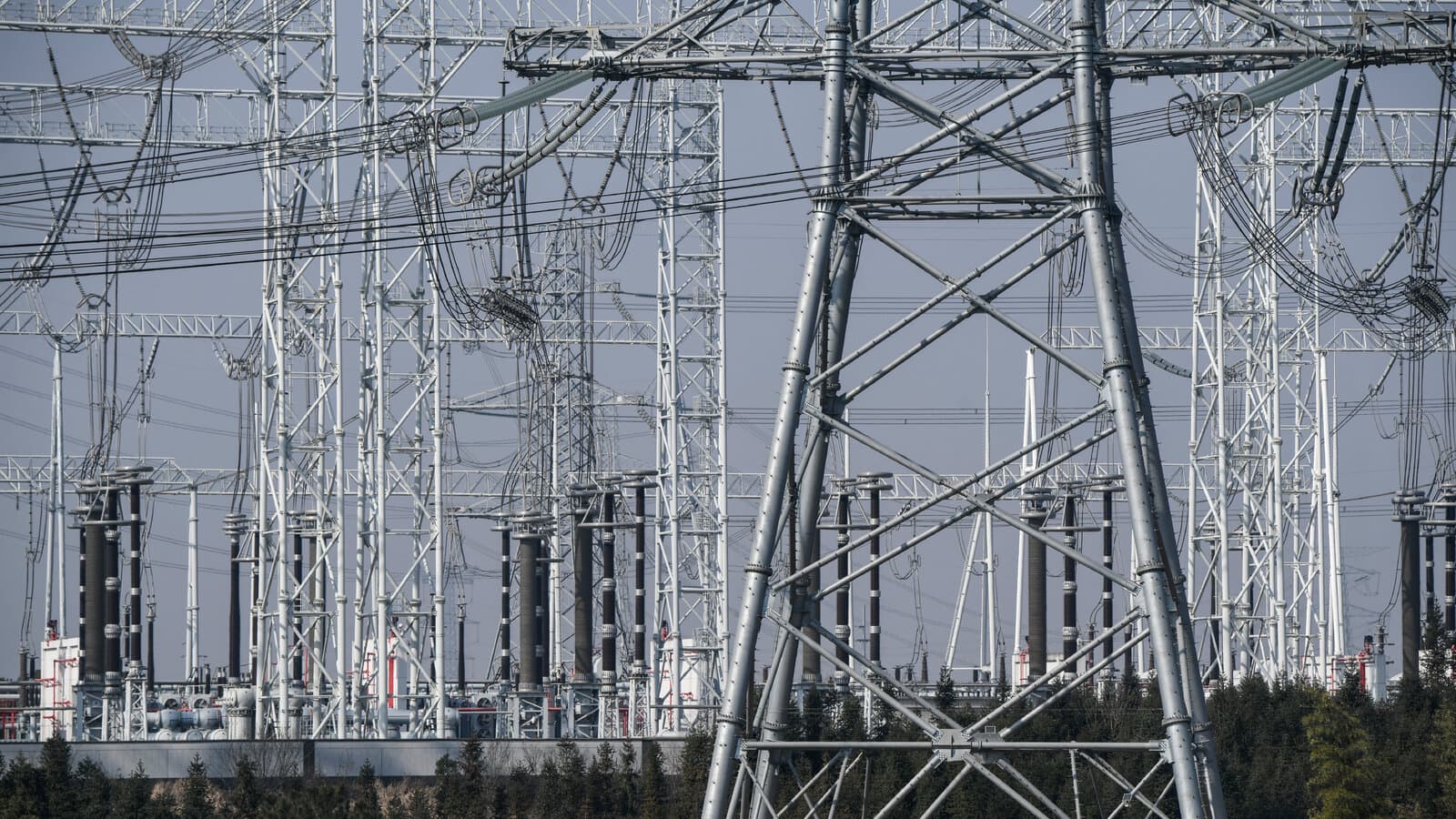
The NATO summit in Ankara brought about a new nuclear energy cooperation between the US, Japan, and South Korea. The three countries signed a framework agreement to accelerate the deployment of small modular reactors (SMRs) in other countries.
According to a statement from the US State Department, the cooperation will initially focus on the Indo-Pacific region. The memorandum of understanding aims to support common security interests and meet the energy security needs of partner countries by leveraging the complementary advantages of the three countries in the civilian nuclear energy field.
The agreement aims to reduce project development risks by promoting reactor fleet deployment models, achieve economies of scale, stimulate private investment, simplify licensing processes, and optimize supply chains.
US Secretary of State Marco Rubio, speaking at the signing ceremony, said that small modular reactors are the future of energy, calling them "a safe, efficient, and economically advantageous solution." Rubio highlighted the importance of energy security by recalling that supply disruptions during the US-Iran war in the Strait of Hormuz severely affected global energy flows.
The US has allocated more than $10 million to the State Department’s FIRST program to support the safe deployment of SMRs in the Indo-Pacific region.
Meanwhile, GE Vernova, Hitachi, Samsung C&T and SGE have decided to collaborate on the deployment of the BWRX-300 small modular reactor across Europe.
The NATO summit in Ankara brings together leaders from 32 member countries and key partners to discuss Europe’s defense capabilities, NATO defense spending targets, military modernization, and continued support for Ukraine. South Korea, Australia, New Zealand and Japan, while not NATO members, have been invited as guests to the summits since 2022. The gathering in Ankara marks Turkey’s second time hosting a NATO summit, after the 2004 Istanbul summit.