Cuba experienced a nationwide power outage on Monday night due to the US oil blockade and fuel shortages. Around 10 million people across the country, including in the capital Havana, were plunged into darkness.
The Cuban National Electric Company (UNE) said on social media that a 'total blackout' had taken place. This outage comes after three nationwide blackouts in July.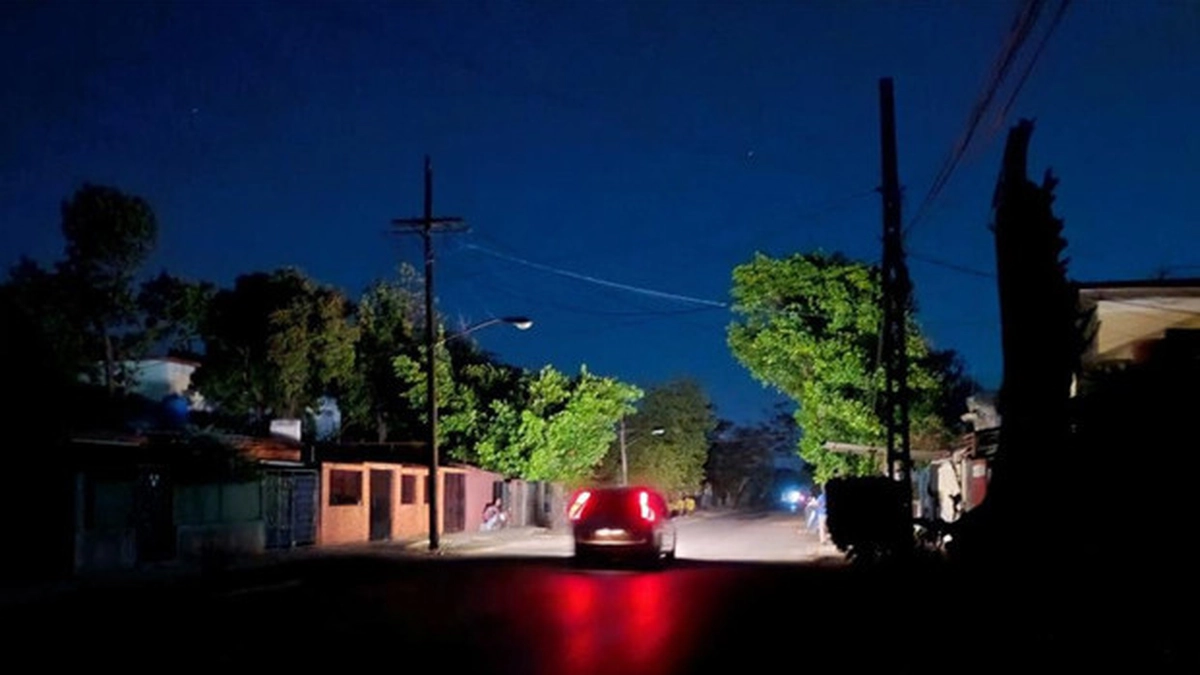
At the root of the crisis is the oil blockade imposed by US President Donald Trump after the overthrow of Venezuelan President Nicolas Maduro on January 3. Venezuela had long been Cuba's main oil supplier, and imports from Mexico also halted under US pressure.
Cubans have long been used to power outages due to aging Soviet-era power plants. But the oil blockade has made fuel deliveries to the plants and to backup generators running on imported diesel more difficult, making the outages more frequent.
The power company says the fuel shortage has made the grid more vulnerable to faults and slowed restoration of electricity.
72-year-old Cuban carpenter Julian Gonzalez said, 'We almost live like fireflies, constantly in the dark. We don't know when the power will come back, this is our painful reality.'
In recent weeks, outages in the capital have lasted up to 30 hours, while in other provinces they have gone on for days. Since the start of the year, the country has experienced five total blackouts.
The power crisis comes at the same time as a cautious liberalization in the tightly controlled Cuban energy sector, driven by heavy US sanctions. Havana recently green-lit its first foreign-backed fuel import project and allowed some 200 Cuban firms to take part in wholesale fuel distribution.
Cuba has been enduring its worst economic crisis in decades for five years. The crisis has been exacerbated by the oil blockade imposed by the US president since the beginning of the year.