- BIST10010,977+2.18%
- USD50.70+0.04%
- EUR55.61+0.02%
- GOLD3,668.50+2.91%
- INTEREST36.00%-1.00
- BITCOIN59,683-0.31%
- November 28, 202613°
- BIST10010,977+2.18%
- USD50.70+0.04%
- EUR55.61+0.02%
- GOLD3,668.50+2.91%
- INTEREST36.00%-1.00
- BITCOIN59,683-0.31%
- November 28, 202613°
US billionaire Boehly agrees to buy Lukoil’s foreign assets
US investor Todd Boehly, together with the US International Development Finance Corporation (DFC), has agreed with Lukoil to exchange the company’s frozen shares worth $10 billion for its foreign assets, valued at approximately $16 billion. The deal still requires approval from the US Treasury Department.
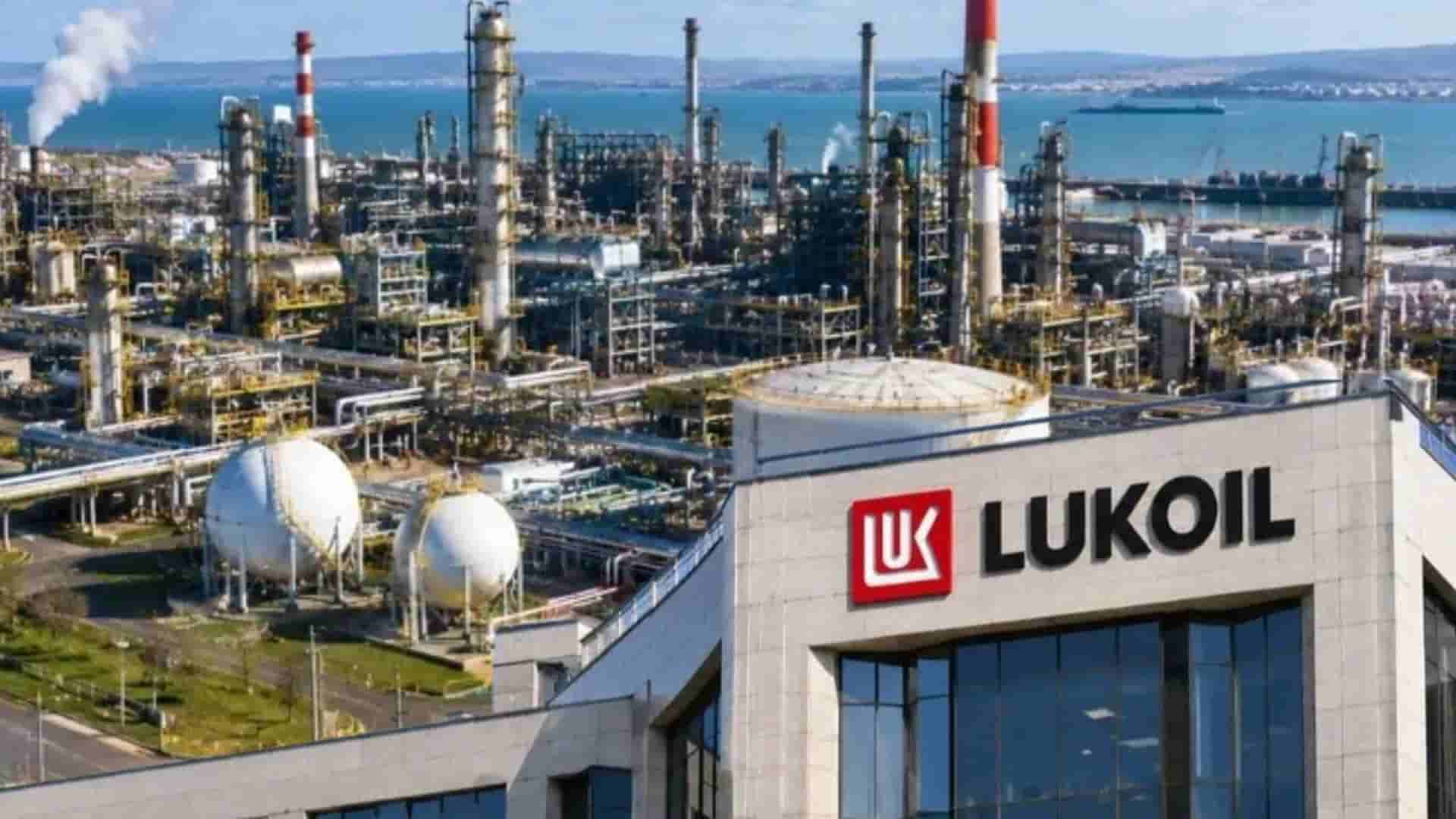
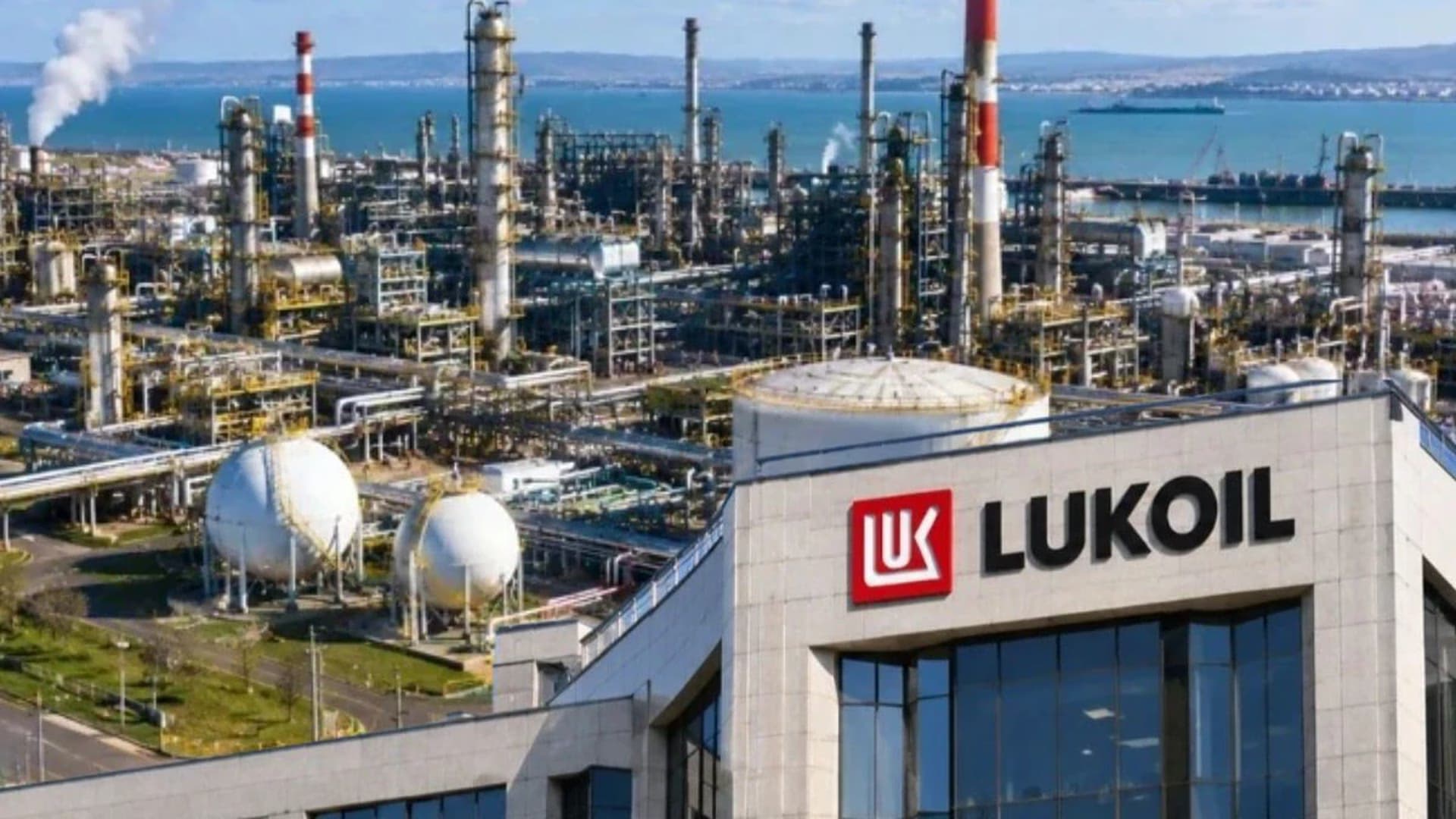
US billionaire Todd Boehly has reached an agreement with Lukoil, which is under US sanctions, to acquire the company’s international energy assets. The consortium of buyers includes the US International Development Finance Corporation (DFC), Reuters reports, citing Boehly himself.
The deal, negotiated for more than a year, involves exchanging Lukoil shares worth about $10 billion that have been frozen for the company’s foreign assets, whose total value is estimated at approximately $16 billion. DFC will receive a share of future profits after private investors recover their invested capital, while the US side will obtain a seat on the board of the new company.
Assets in 11 countries
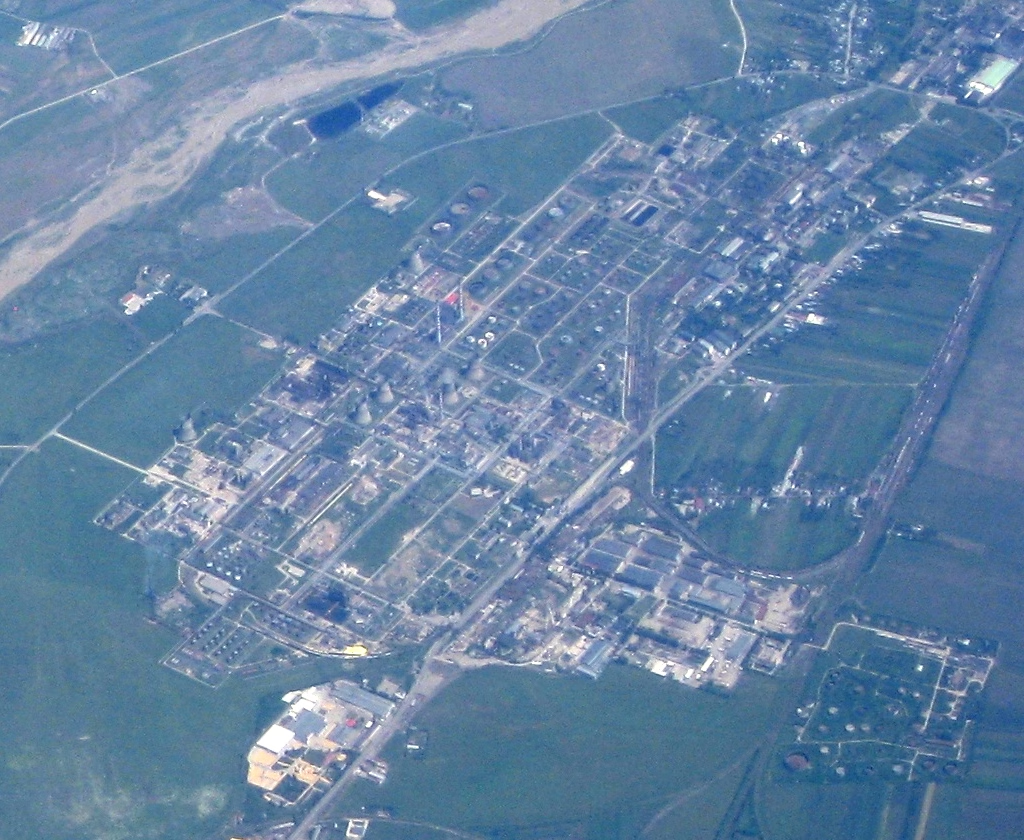
Lukoil’s international portfolio spans 11 countries. It includes operations producing about 350,000 barrels of oil per day, major fields in Azerbaijan and Kazakhstan, refineries in the Netherlands, Bulgaria and Romania, as well as a network of filling stations, including in the United States. The new company will have a different name.
The Lukoil shares designated for the exchange previously belonged to US and British funds and depositary banks and were frozen after the conflict in Ukraine began in 2022. They are now planned to be placed in an escrow account in the UAE rather than transferred directly to the Russian company, preventing it from receiving a direct financial benefit.
OFAC license required
Completing the deal requires authorization from the US Treasury Department’s Office of Foreign Assets Control (OFAC), which will review the agreement for compliance with national security interests. Boehly expects to close the deal within a year. In addition to Boehly, the consortium includes US bank Xtellus Partners and UAE-based Catena Investment Holding.
Previous attempts to sell Lukoil’s foreign assets were unsuccessful: in 2025, the company accepted an offer from trader Gunvor, but Gunvor withdrew from the purchase after US Treasury Secretary Scott Bessent called it a “Kremlin puppet.” In January, Carlyle Group announced an agreement, but it never obtained an OFAC license.
Stay Updated with RuskiGazeta
Subscribe to be informed about special news, developments and announcements. We will keep you informed.
By signing up, you agree to our Privacy Policy