- BIST10011,722-2.89%
- USD49.45+0.05%
- EUR55.62+0.37%
- GOLD4,199.70+0.44%
- INTEREST37.00%-1.00
- BITCOIN82,478+0.57%
- October 19, 202615°
- BIST10011,722-2.89%
- USD49.45+0.05%
- EUR55.62+0.37%
- GOLD4,199.70+0.44%
- INTEREST37.00%-1.00
- BITCOIN82,478+0.57%
- October 19, 202615°
US and Iran Exchange Strikes, Middle East Ceasefire Cracks
The US struck Iranian missile and drone storage sites, accusing Iran of launching a drone attack on a cargo ship in the Strait of Hormuz. Iran's Revolutionary Guards retaliated by targeting US positions in the Persian Gulf.


The US struck Iranian missile and drone storage sites, accusing Iran of launching a drone attack on a cargo ship in the Strait of Hormuz. Iran's Revolutionary Guards retaliated by targeting US positions in the Persian Gulf. The tit-for-tat strikes have further endangered the fragile ceasefire at a time when diplomacy is struggling to contain the war in the Middle East.
US Central Command (CENTCOM) said the strikes on Iran were a response to the 'unjustified aggression of Iranian forces against commercial vessels' and that these actions 'clearly violated the ceasefire.' The operation was described as a 'strong response' to yesterday's attack on a commercial vessel transiting the Strait of Hormuz.
US President Donald Trump said Iran attacked the ship with a drone, stating, 'It is obvious that this is a stupid violation of our ceasefire agreement.' Vice President JD Vance, in a post on his X account, warned that if Iran carries out new attacks, 'violence will be met with violence.'
Iranian state television reported that an explosion was heard Friday night at the Taherouyeh pier in the southern city of Sirik. Citing a military source familiar with the matter, the television said the explosion was caused by a projectile hitting the area.
Shortly after, Iranian state television announced that the Revolutionary Guards had targeted US points in the Persian Gulf region in retaliation for US strikes. In a statement on Telegram, the Revolutionary Guards said, 'If the attack is repeated, our response will be broader than this.'
Strait of Hormuz maritime traffic affected
The tit-for-tat strikes have again complicated efforts to keep the Strait of Hormuz open at a time when the Pentagon and Tehran are negotiating a final agreement to end the war that began on February 28 when the US and Israel struck Iran. Iran had warned ships not to enter or exit the strait without permission, but vessels continued their passages, including along a route not approved by Tehran.
According to tracking platform Kpler, about half of the 42 ships that transited on Thursday used the unauthorized southern route along the coast of Oman. The United Nations maritime agency reported that 115 ships and 2,500 sailors stranded due to the dispute were freed in an evacuation operation before the strike, but the operation was suspended after the attack.
Oil prices, however, fell sharply despite all the tension. This decline was driven by hopes that traffic through the strategic waterway—through which about a fifth of the world's oil and gas exports pass—would continue to recover despite the latest flare-up.
Framework agreement on Lebanon front
Israel and Lebanon announced that they, together with the US, signed an agreement that would pave the way for peace on their respective fronts in the war. However, Iran-backed Hezbollah warned that this agreement would undermine plans to resolve the broader conflict.
Speaking at the signing ceremony in Washington, US Secretary of State Marco Rubio, with Israeli and Lebanese representatives present, said the trilateral agreement 'begins to create a framework for lasting peace and security.' Rubio said, 'This is the beginning of the beginning. We have a lot of work ahead.'
Israeli Prime Minister Benjamin Netanyahu described the agreement as a victory against Iran, stating, 'Iran is trying to pressure us to withdraw from southern Lebanon, but in fact Israel, Lebanon and the US are telling them, "This does not concern you."' Netanyahu said the agreement would allow the Lebanese army to return to two 'pilot zones' in southern Lebanon, but added that Israeli forces would remain in the security zone until Hezbollah is disarmed, and the return of displaced civilians would be prevented.
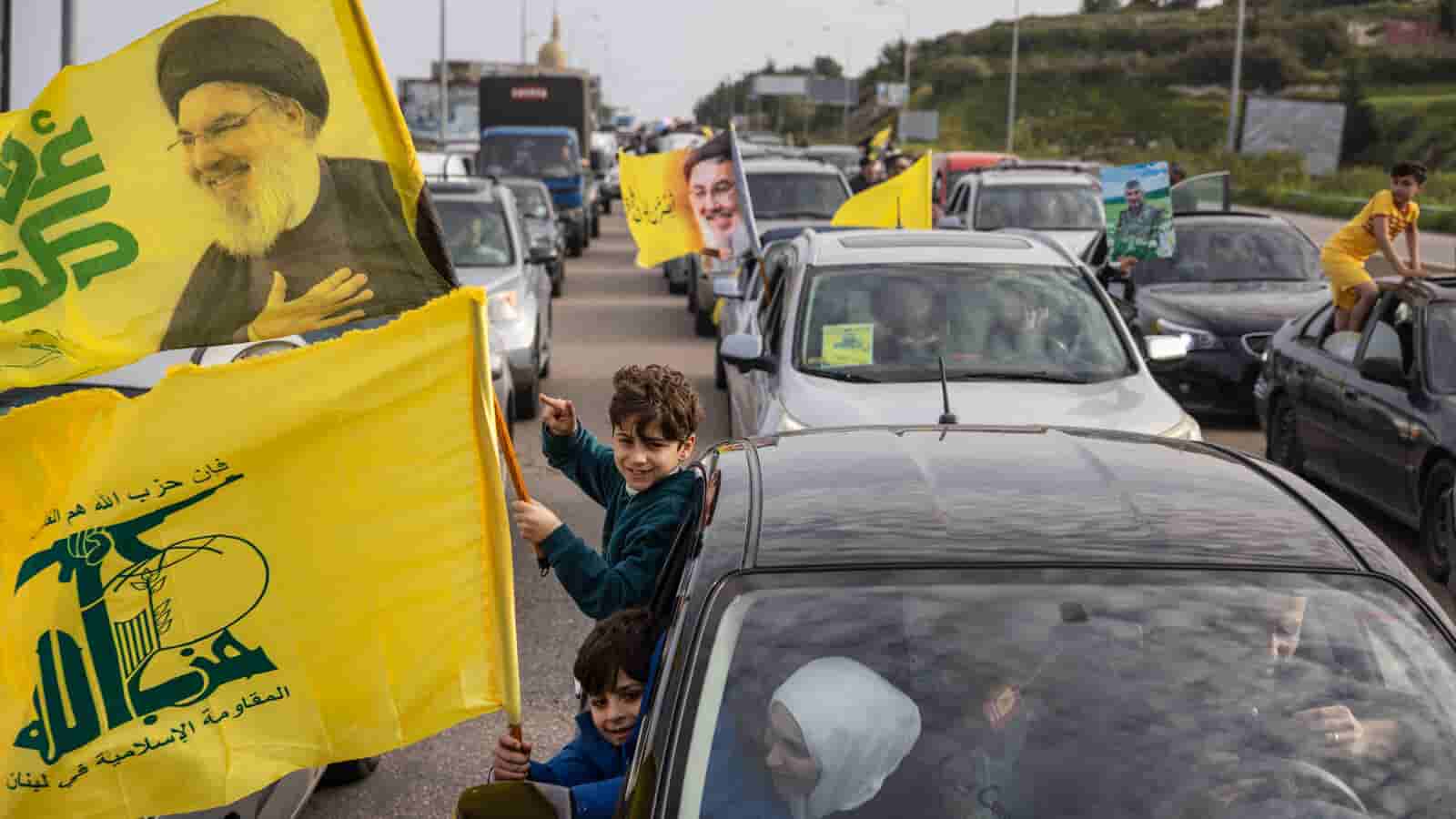
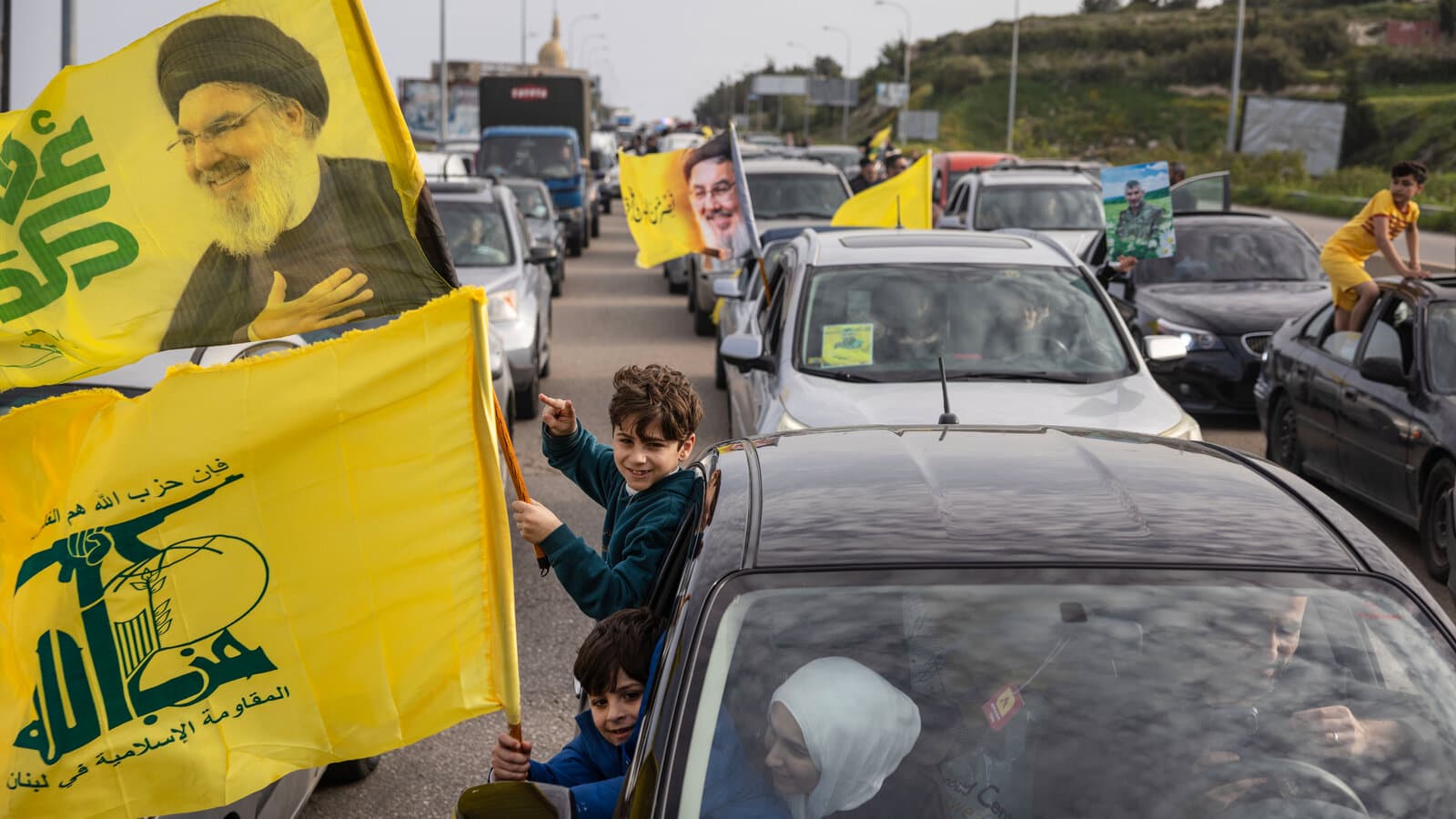
Lebanese President Joseph Aoun welcomed the as-yet-unpublished framework as a 'first step' toward the return of civilians to their homes 'under the sovereignty of the Lebanese state.' Meanwhile, Hezbollah supporters took to the streets of Beirut on Friday night to protest the agreement.
Hezbollah lawmaker Hasan Fadlallah said the signing in Washington aimed to damage the US-Iran ceasefire, which envisions resolving the Lebanon issue within the broader peace process. Fadlallah warned that the Lebanese government could not implement the agreement 'unless it goes to civil war with American support.'
Nuclear oversight warning
Meanwhile, the head of the UN nuclear watchdog, the International Atomic Energy Agency (IAEA), Rafael Grossi, stressed that a final US-Iran agreement must include strong guarantees to ensure that Tehran is not developing nuclear weapons.
Grossi said, 'The Iranian government has declared quite clearly that it does not intend to develop nuclear weapons.' 'But of course intentions are not enough. We must have a very strong verification system as soon as possible.'
The interim ceasefire agreement provides for the dilution under IAEA supervision of Iran's pre-war uranium stockpile, estimated at 440 kilograms (970 pounds) enriched up to 60 percent.
Stay Updated with RuskiGazeta
Subscribe to be informed about special news, developments and announcements. We will keep you informed.
By signing up, you agree to our Privacy Policy