- BIST10011,104-0.24%
- USD50.49+0.05%
- EUR55.40-0.11%
- GOLD3,655.10+3.97%
- INTEREST36.00%-1.00
- BITCOIN61,488+0.53%
- November 23, 202615°
- BIST10011,104-0.24%
- USD50.49+0.05%
- EUR55.40-0.11%
- GOLD3,655.10+3.97%
- INTEREST36.00%-1.00
- BITCOIN61,488+0.53%
- November 23, 202615°
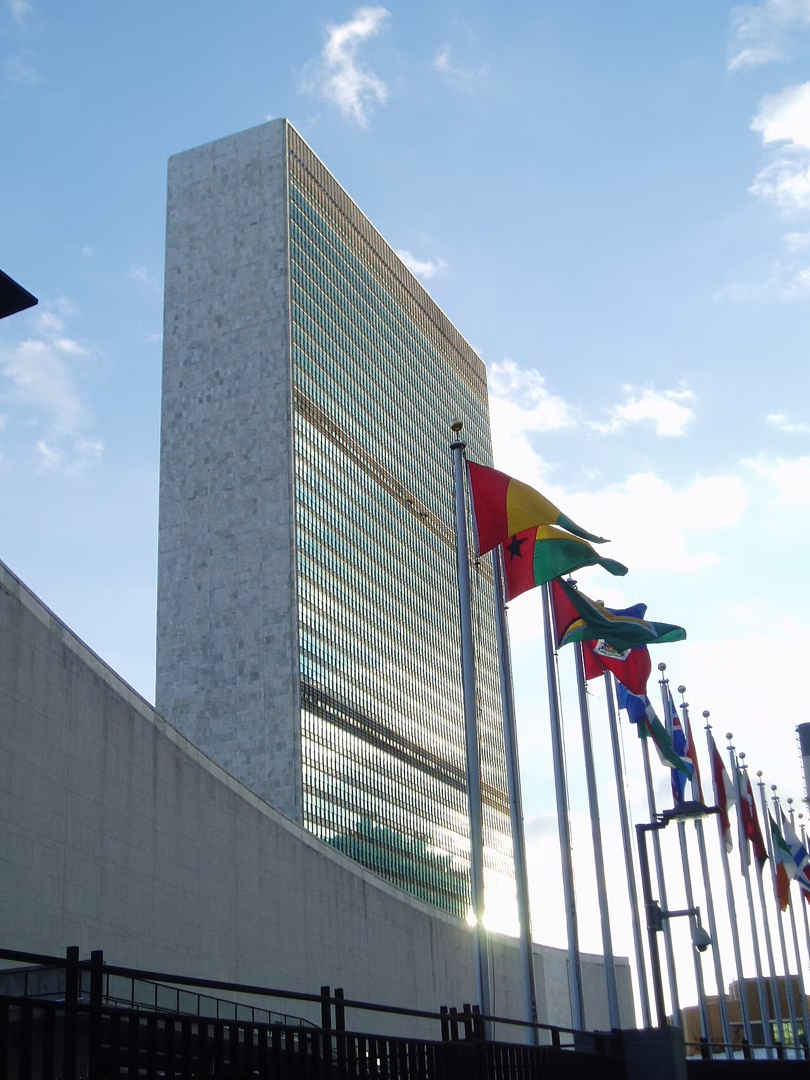
UK, France and China block UAE candidate for UN secretary-general
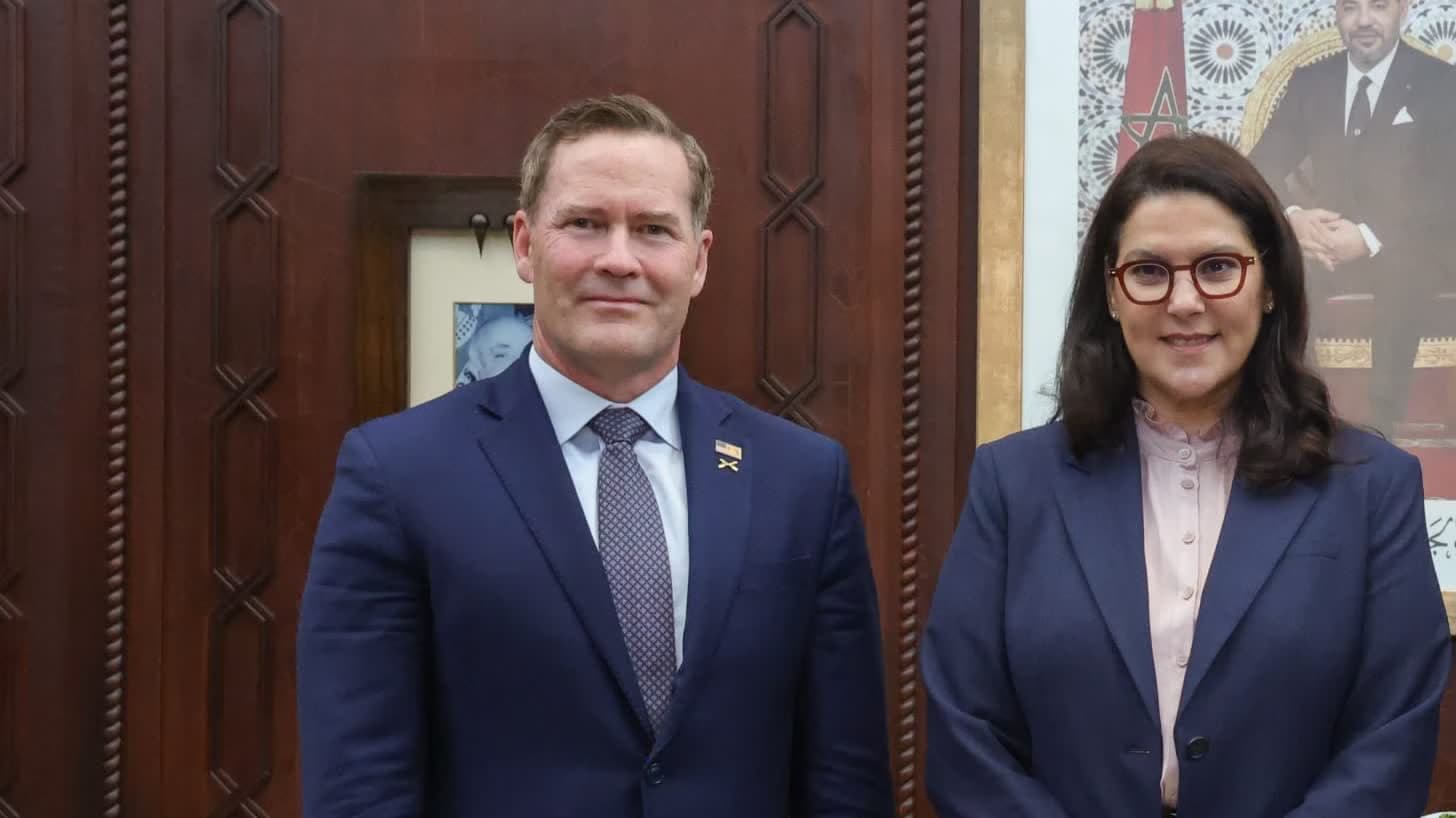
In the ninth informal UN Security Council vote, UAE candidate Lana Nusseibeh received three votes against from permanent members. The Guardian reported that London and Paris effectively vetoed her, while Middle East Eye reported that Russia and the United States support her candidacy.
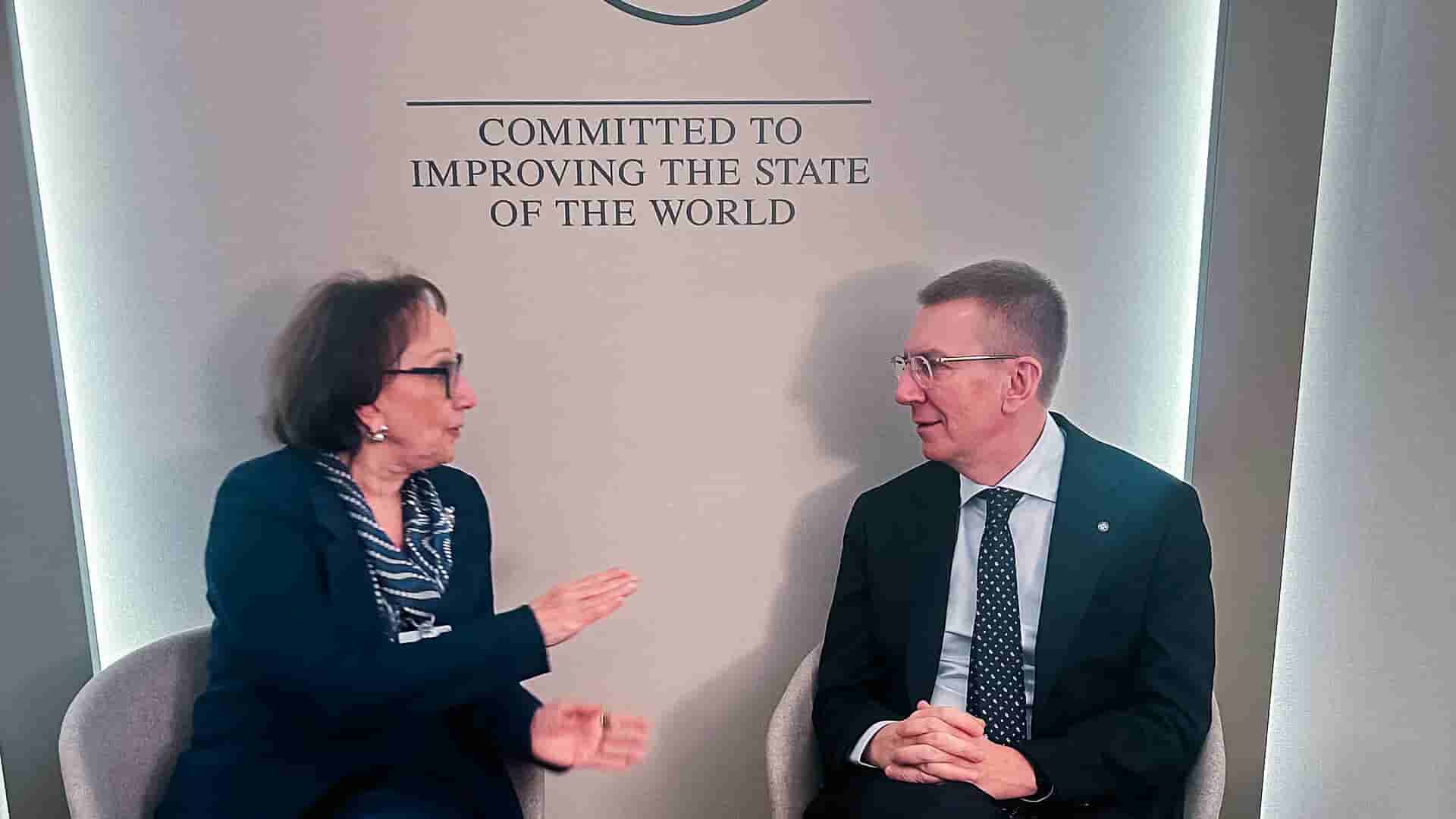
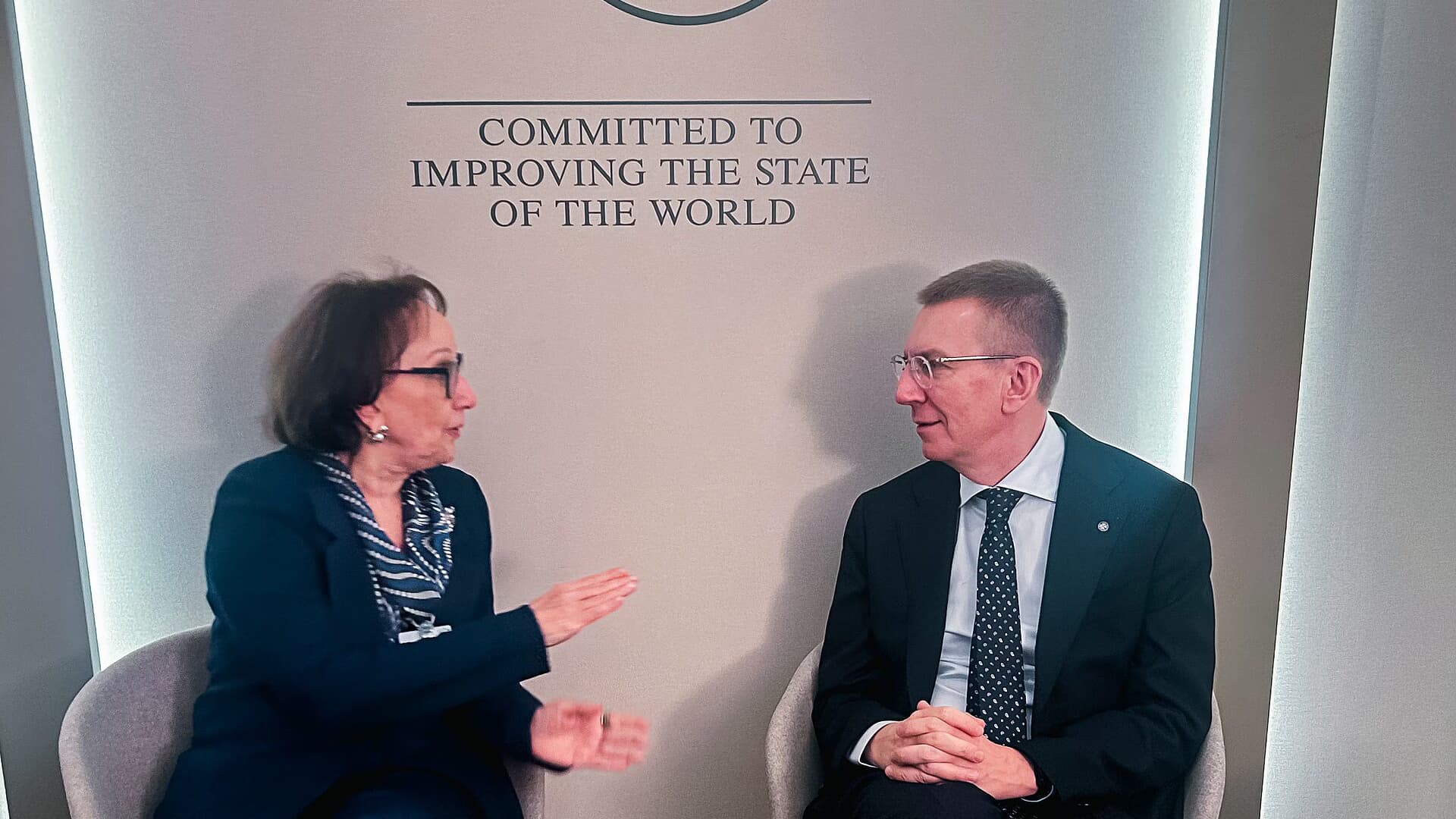
The election of the next UN secretary-general has reached an impasse after the ninth informal indicative vote in the Security Council, held on Friday. United Arab Emirates candidate Lana Nusseibeh received 7 votes in favor, 6 against and 2 with no opinion, including three votes against from permanent Security Council members with veto power. She recorded the same result in the vote held on November 6.
The Guardian reported that the United Kingdom and France effectively vetoed Nusseibeh’s candidacy over the UAE’s alleged involvement in atrocities in Sudan; according to several sources, China was the third permanent member to vote against her. Diplomatic sources told Middle East Eye that Russia and the United States support Nusseibeh’s candidacy. The vote is conducted secretly, but its results are circulated through unofficial channels: nonpermanent members vote with white ballots, while permanent members use red ballots.
Greenspan remains the favorite
The race is still led by Costa Rican economist Rebeca Grynspan, secretary-general of UNCTAD. She received 10 votes in favor but two votes against from permanent members, which are believed to have been cast by Russia and the United States. Argentine Rafael Grossi, director general of the International Atomic Energy Agency, received 8 votes in favor and three against from the permanent five. For a candidacy to be recommended to the General Assembly, it must receive at least nine votes in favor and no votes against from permanent members.
The Sudan factor
Nusseibeh’s candidacy has faced criticism because of the UAE’s role in Sudan’s civil war: UN experts and human rights advocates have reported arms deliveries and the recruitment of mercenaries for the Rapid Support Forces, which, according to UN and US findings, committed genocide in Darfur. Abu Dhabi denies these allegations. According to The Guardian, China’s position is linked to the principle of regional rotation: Beijing believes the post should go to a representative of Latin America and the Caribbean.
The election process has already lasted more than 100 days, a record in UN history. António Guterres’s term expires on December 31, and the next vote is expected next week. Nusseibeh said on the social media platform X that she would continue her campaign.
Photo: UNCTAD / Wikimedia Commons (CC BY-SA 4.0); Wikimedia Commons.
Stay Updated with RuskiGazeta
Subscribe to be informed about special news, developments and announcements. We will keep you informed.
By signing up, you agree to our Privacy Policy