- BIST10011,104-0.24%
- USD50.49+0.05%
- EUR55.40-0.11%
- GOLD3,654.20+3.95%
- INTEREST36.00%-1.00
- BITCOIN61,558+0.65%
- November 23, 202615°
- BIST10011,104-0.24%
- USD50.49+0.05%
- EUR55.40-0.11%
- GOLD3,654.20+3.95%
- INTEREST36.00%-1.00
- BITCOIN61,558+0.65%
- November 23, 202615°
Zakharova: Estonia’s border closure seeks to erect a new Iron Curtain
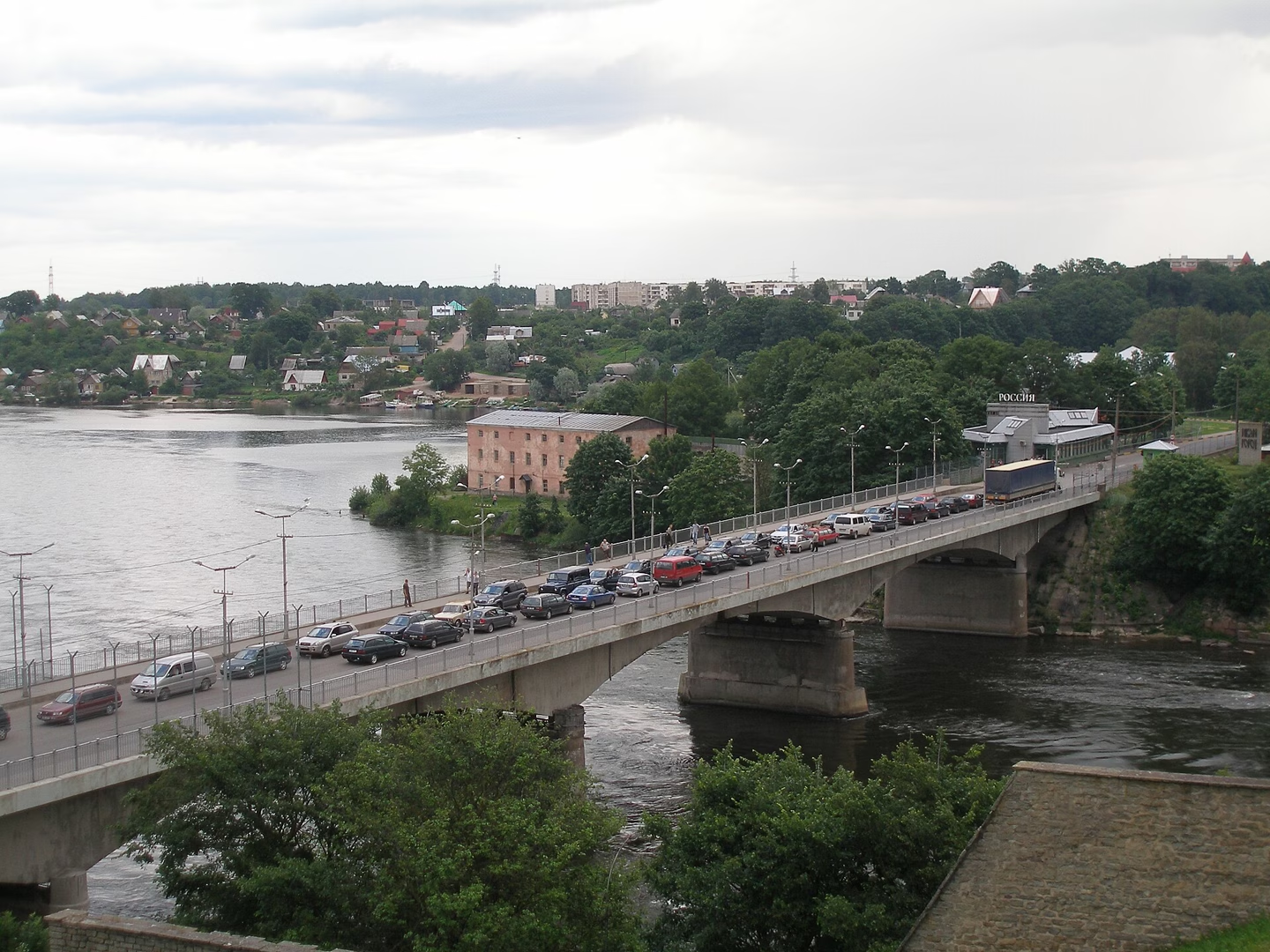
Russia’s Foreign Ministry promised retaliatory political and diplomatic measures if Tallinn closes all automobile checkpoints on the Russian-Estonian border from December 1.
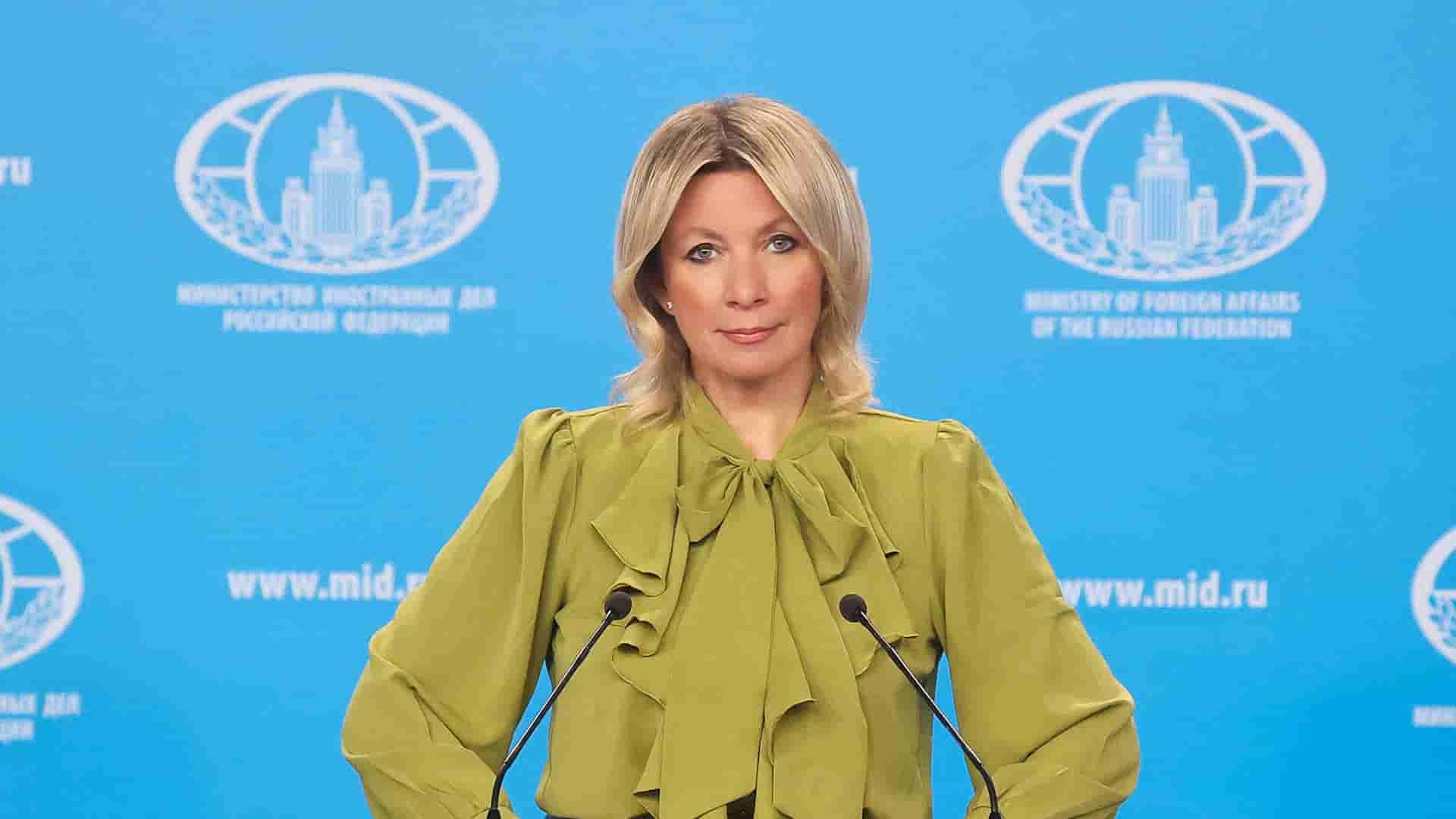
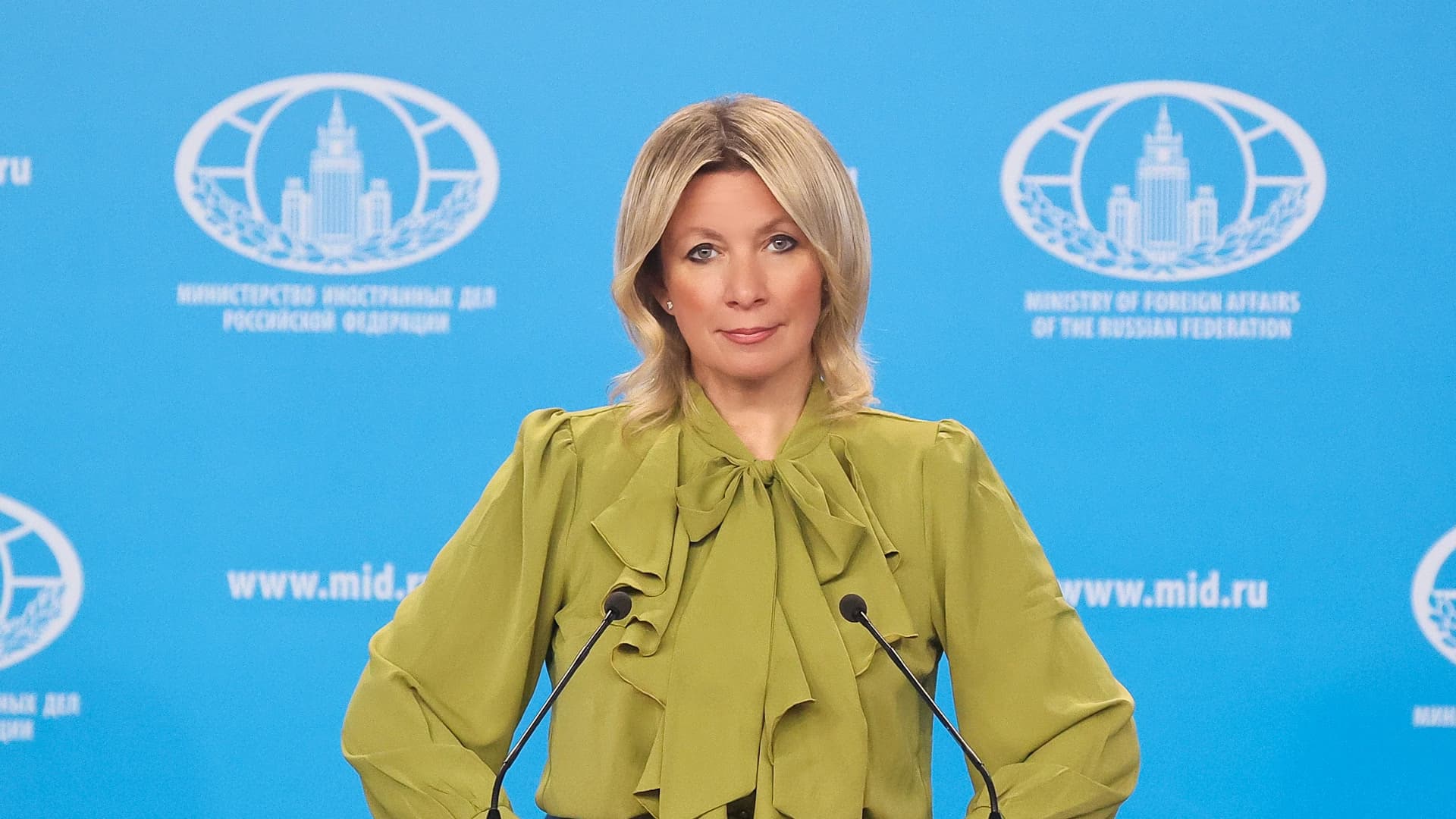
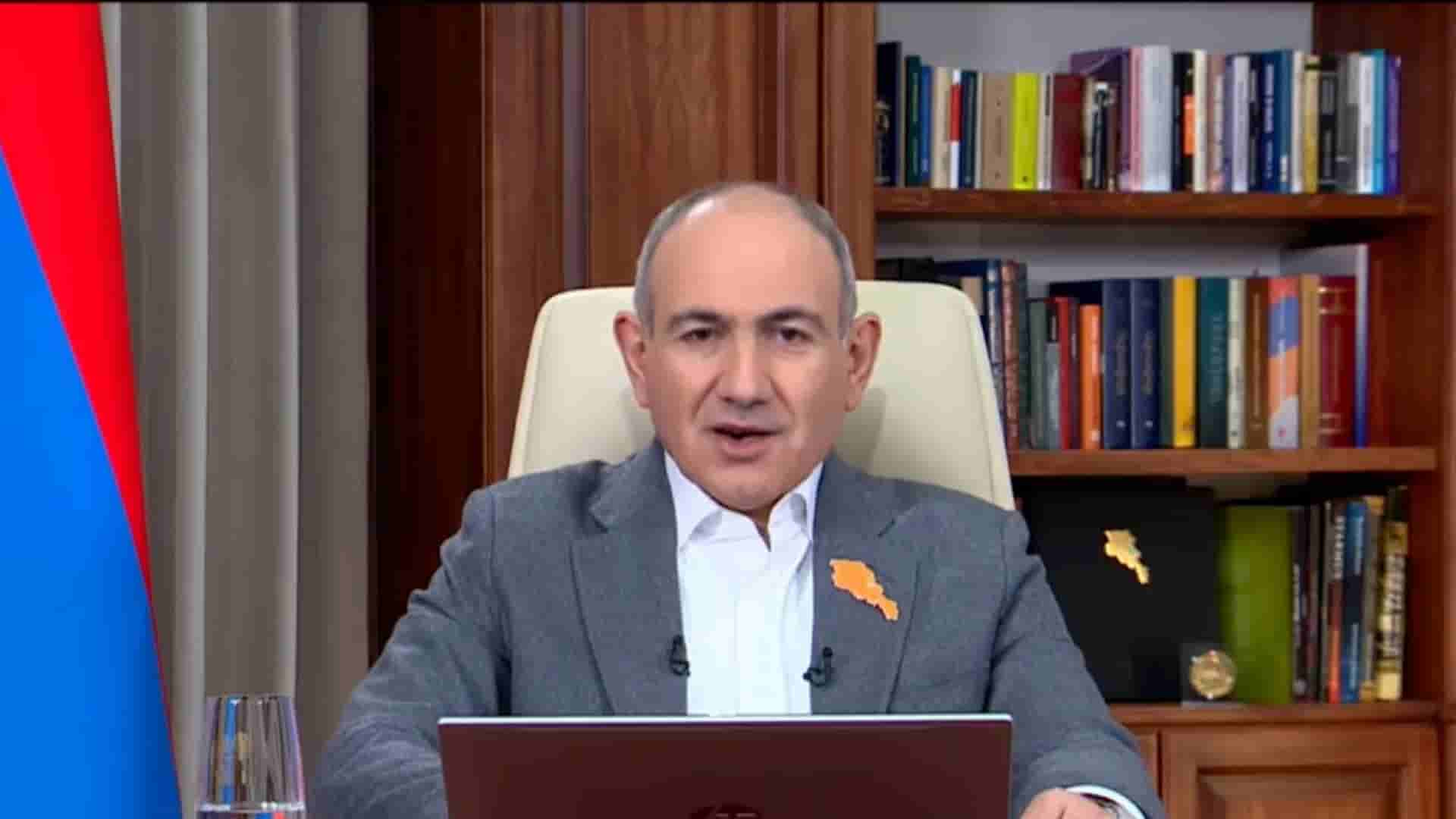
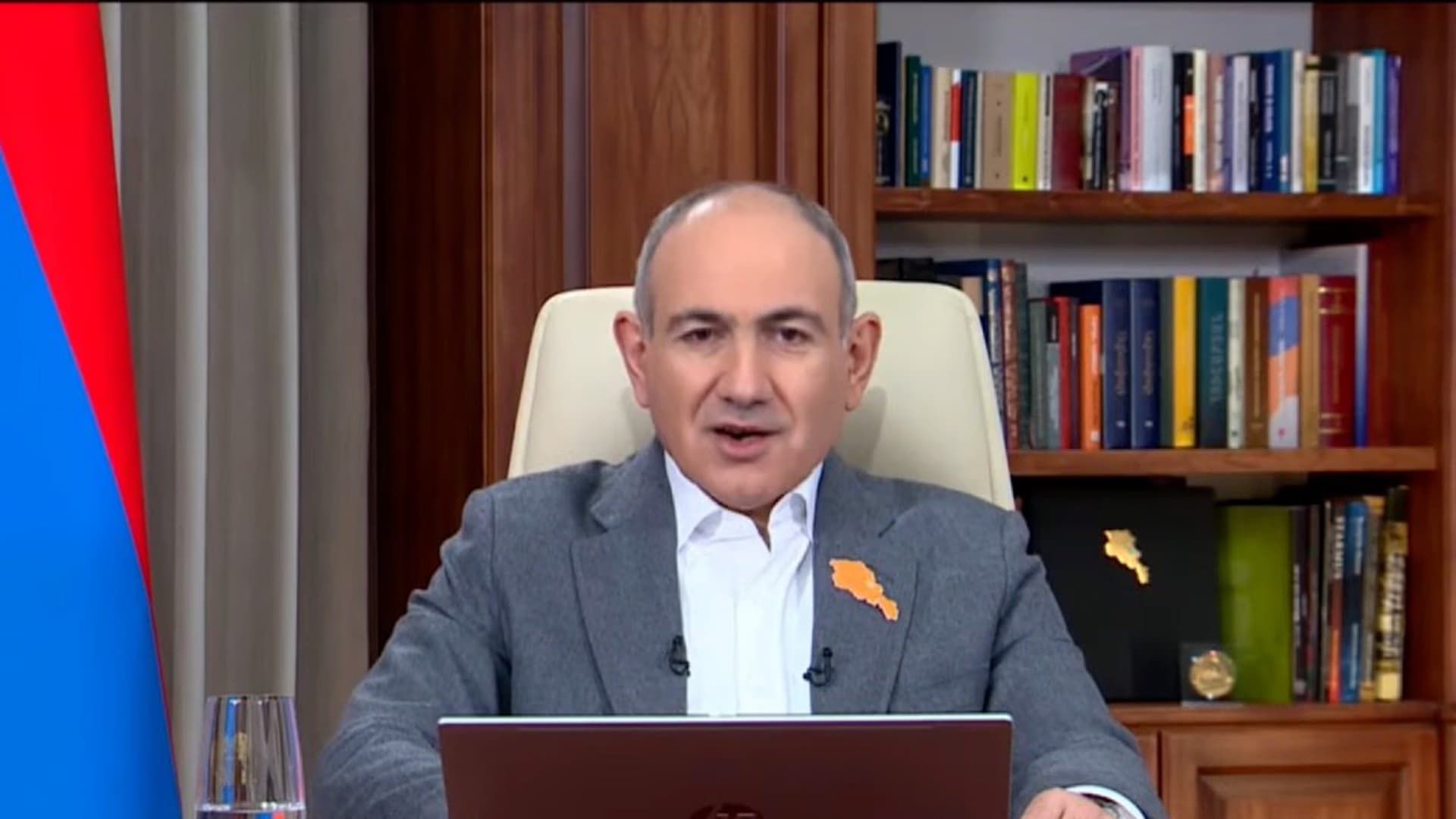
Maria Zakharova, the official spokesperson for Russia’s Foreign Ministry, said Estonia’s decision to completely close automobile checkpoints on its border with Russia was effectively an attempt to “erect a new Iron Curtain under the false pretext of some threat from the East.” She made the remarks at a briefing in Moscow on November 20.
“If Tallinn implements these plans, our country will take the necessary retaliatory political and diplomatic measures to safeguard its national interests,” Zakharova stressed. She added that Russia does not forget its compatriots living in the Baltic states.
According to the diplomat, Estonia systematically restricted the operation of its checkpoints throughout 2026 by reducing their operating hours, and the idea of closing the remaining checkpoints “fits into this Russophobic policy.” Zakharova also suggested that the Estonian authorities were using the move to distract the population from the country’s socioeconomic problems.
Border closure begins December 1
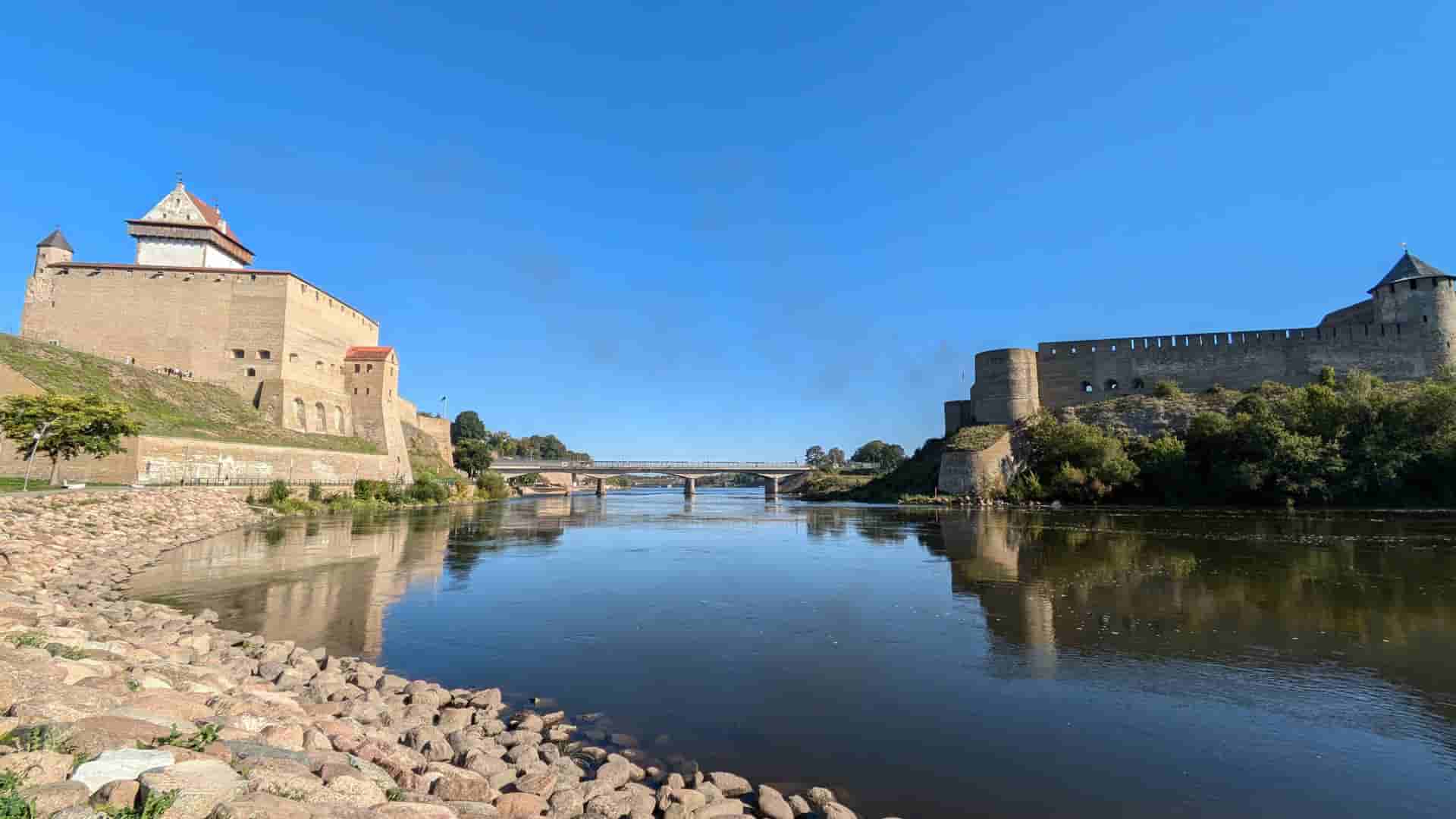
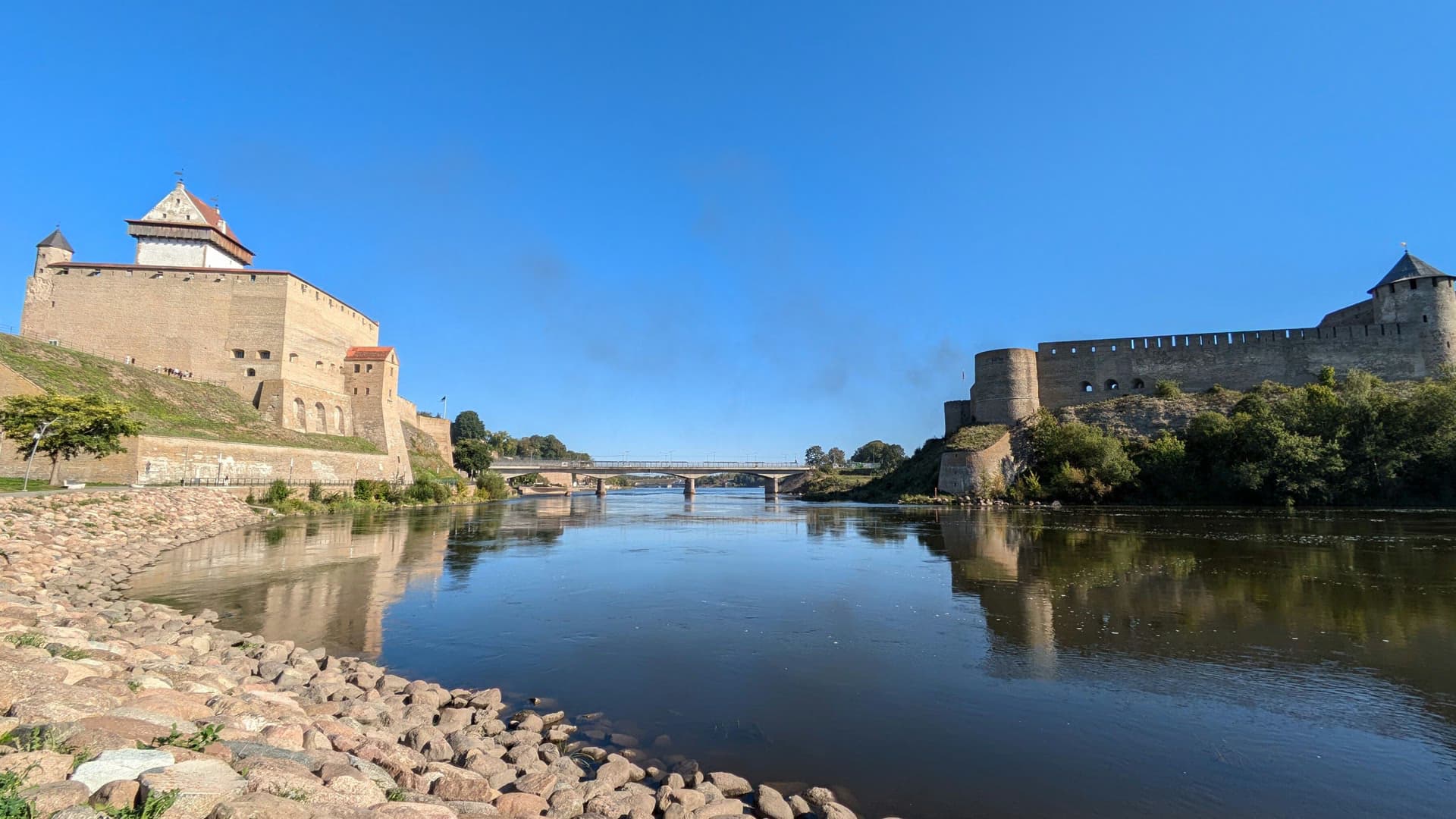
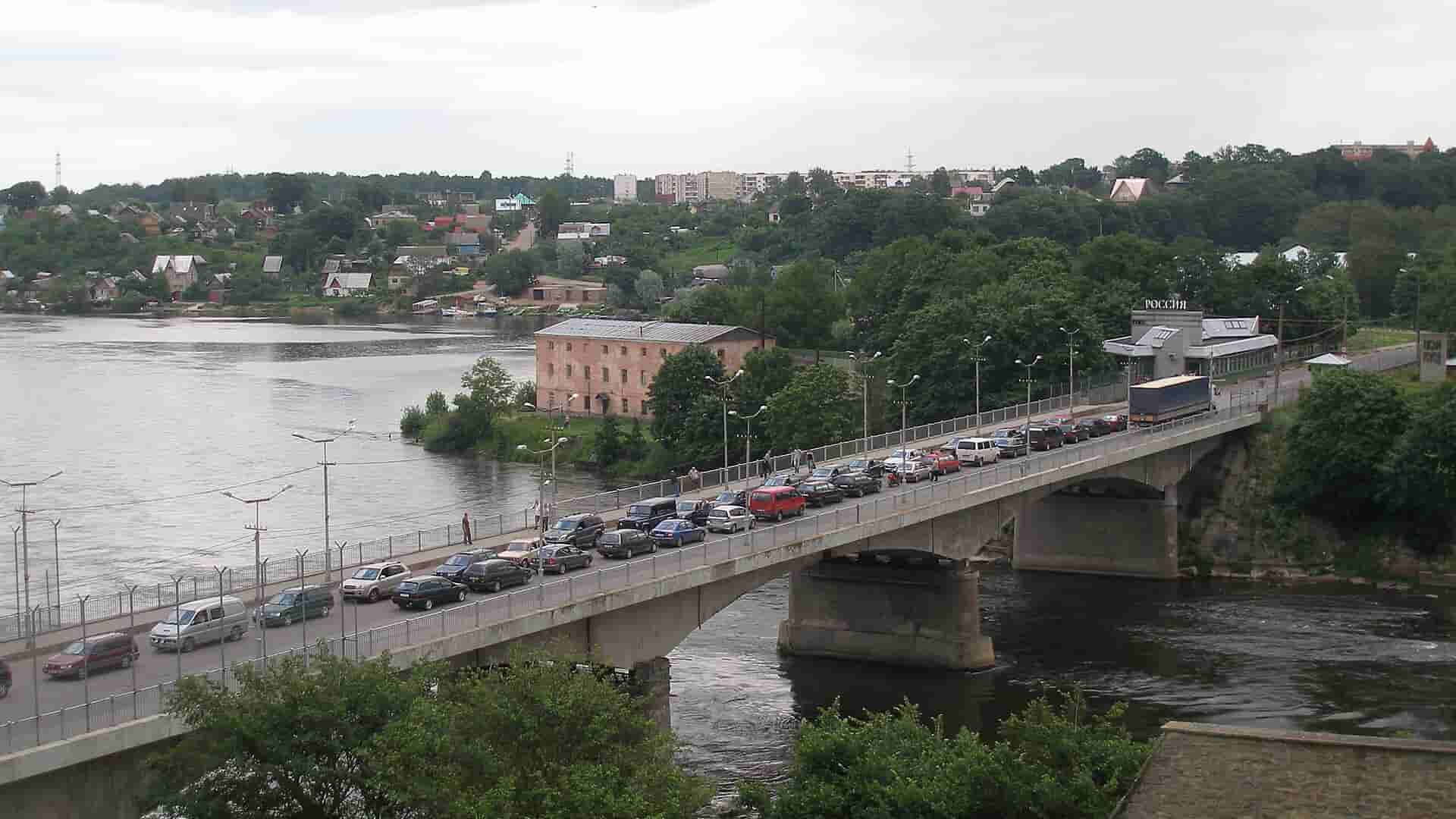
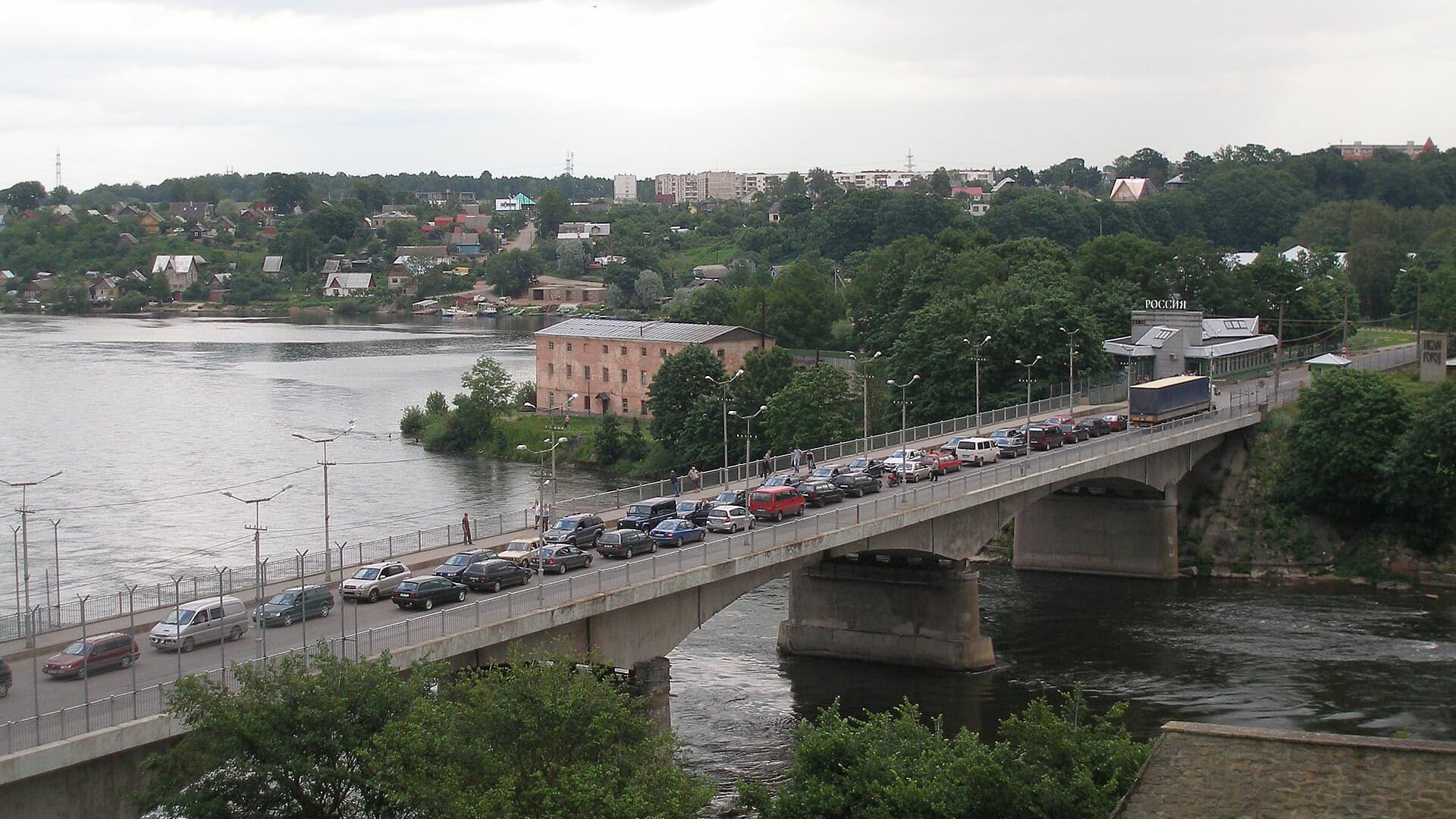
On Friday, the Estonian government approved the closure of automobile checkpoints on the border with Russia for an initial period of six months starting December 1; the issue of extending the measure will be decided next year. The Narva-1, Narva-2, Koidula, Luhamaa and Saatse checkpoints will be closed. The decision does not affect rail freight, although such shipments will remain subject to strict customs controls.
Estonian Foreign Minister Margus Tsahkna called the border closure an important measure that, in his words, would reduce opportunities to use border crossings for recruitment, influence operations, sabotage and sanctions evasion. Tallinn announced the step after an attempted arson attack on Threod Systems, a drone manufacturer, on the night of November 13 and accused Russian intelligence services of organizing the sabotage. The Kremlin rejected the accusations.
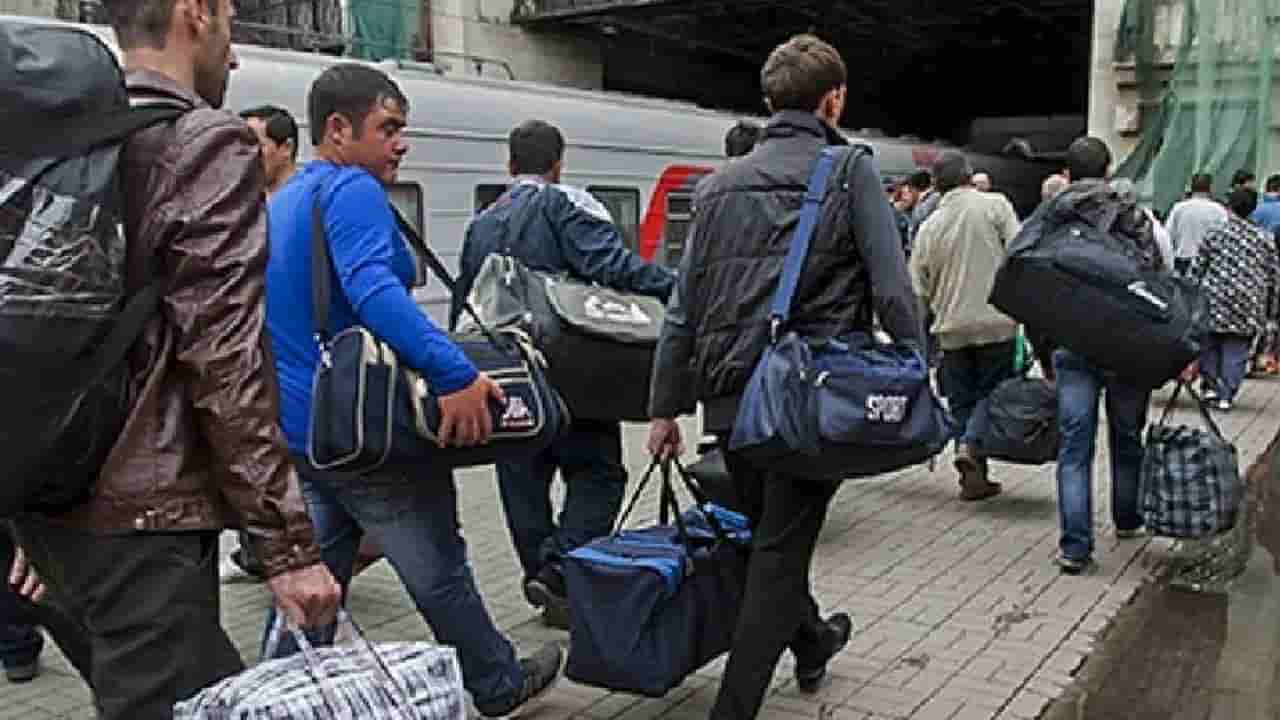
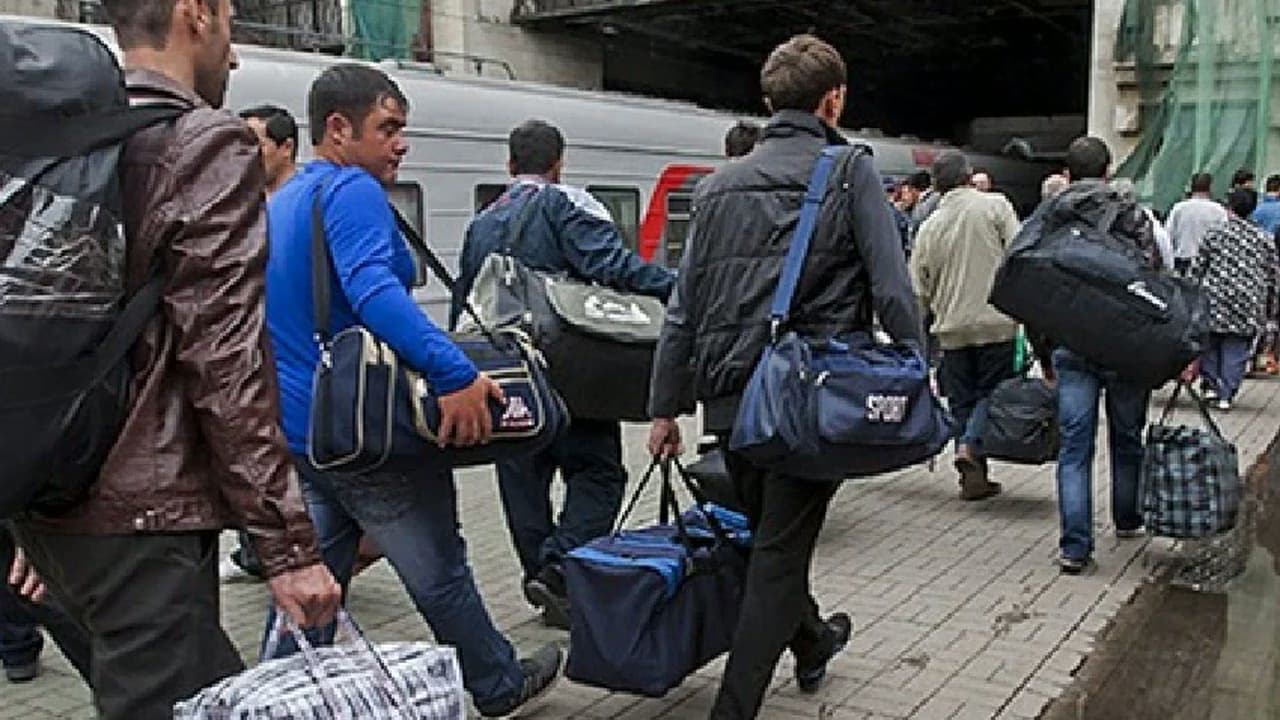
Estonian police said about 760,000 people had crossed the Russian-Estonian border since the beginning of the year, including 307,000 Russian citizens. Narva Mayor Jaan Toots said the city would continue seeking “humanitarian corridors” so residents could visit relatives in Russia in emergencies.
Photo: Russia’s Foreign Ministry; Wikimedia Commons (public domain).