Estonia will close all crossing points on its border with Russia from December 1. Foreign Minister Margus Tsahkna announced the decision on Sunday, November 15. It follows an attempted arson attack on Threod Systems, a company that produces drones, for which Estonian authorities hold Russian military intelligence, the GRU, responsible.
“Russia must understand that hostile actions against Estonia have consequences. Attempts to intimidate, destabilize or undermine our security will not go unanswered,” Tsahkna said. He said the closure of the crossing points would limit Russia’s ability to conduct hostile activities on Estonian territory and strengthen efforts to prevent sanctions evasion.
The minister said he had informed his counterparts in Finland, Latvia and Lithuania of the decision. He plans to discuss further steps regarding Russia at a meeting of EU foreign ministers in Brussels on Monday, Interfax reports.
Which crossing points will close
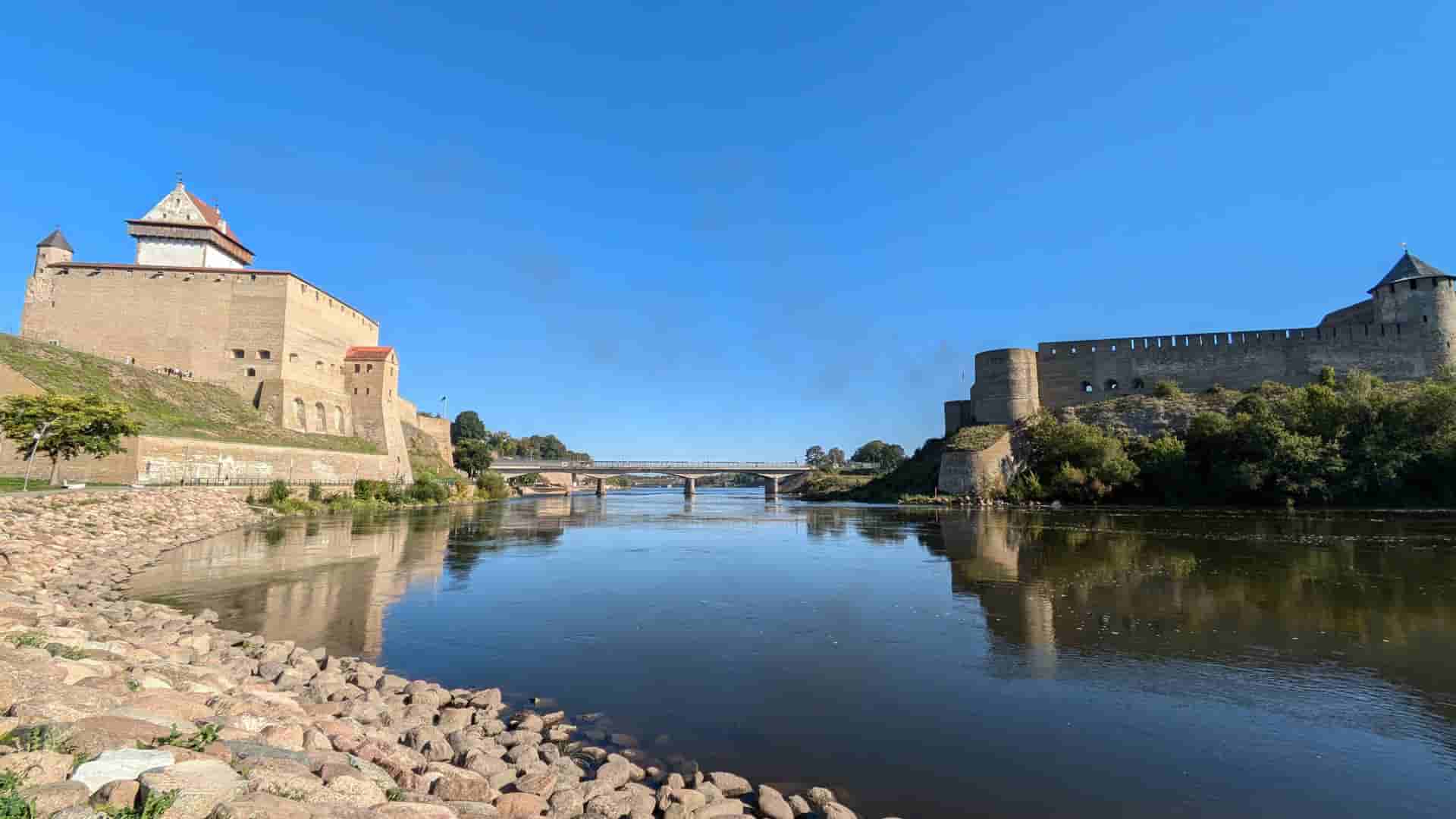
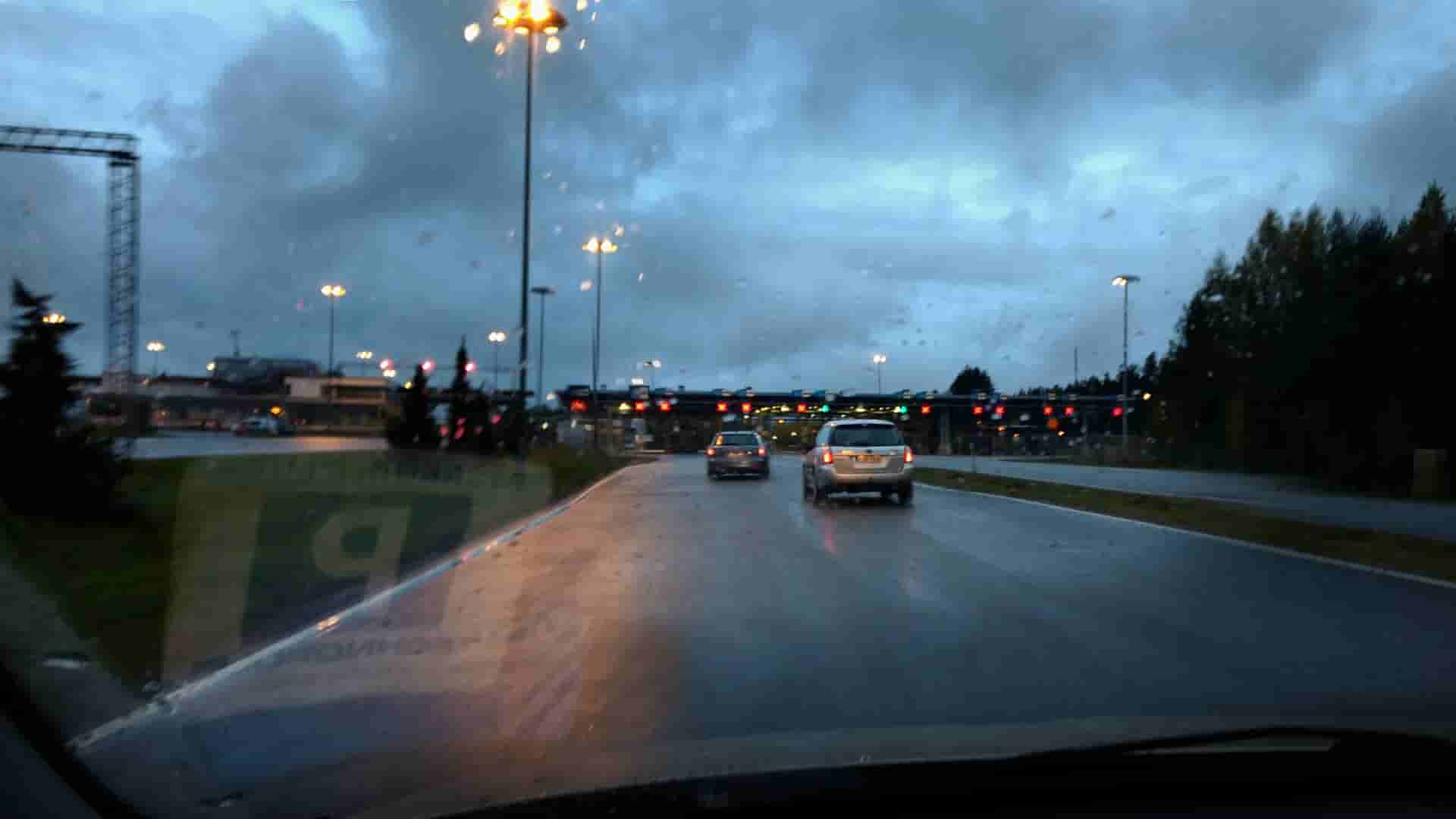
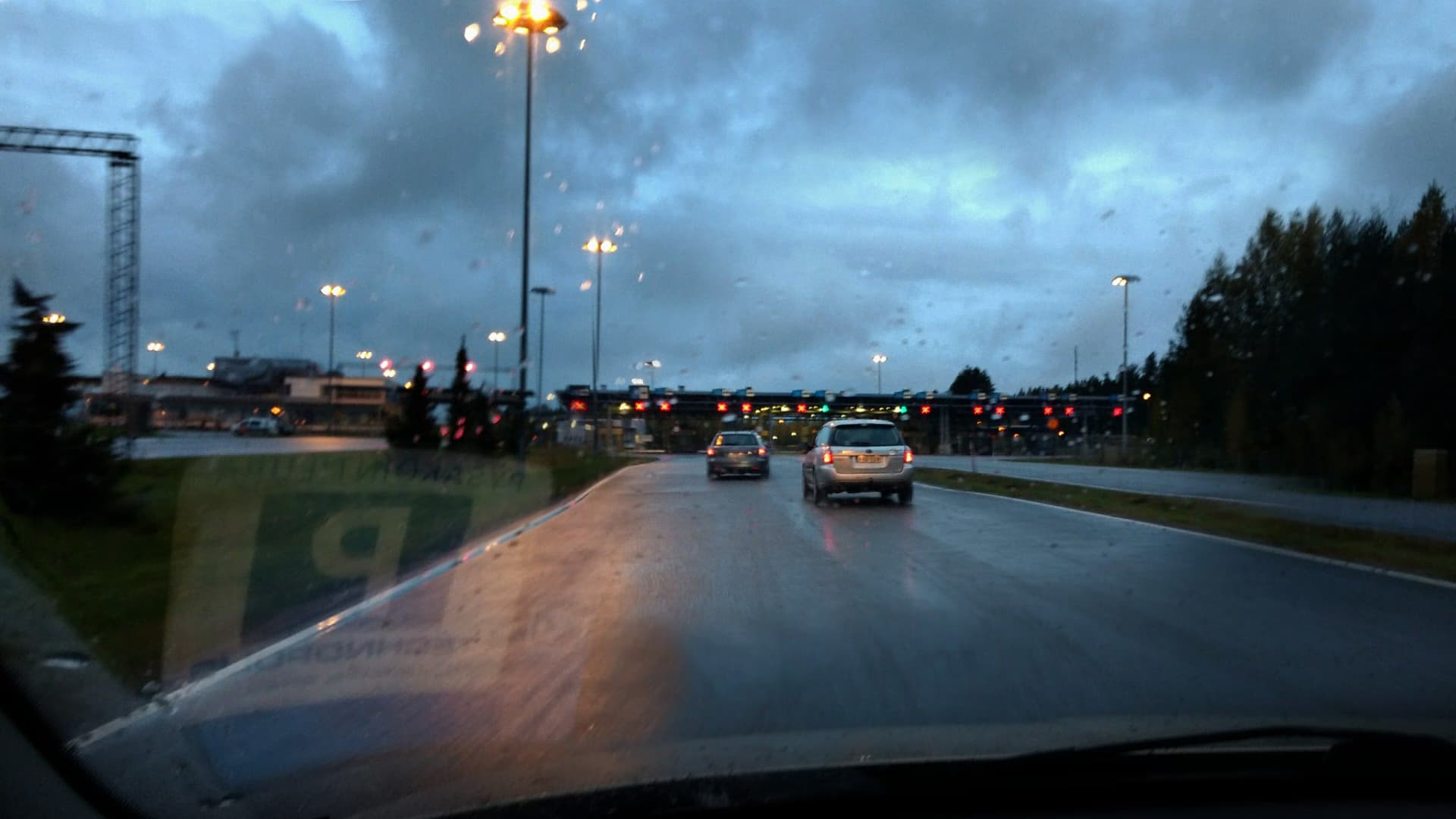
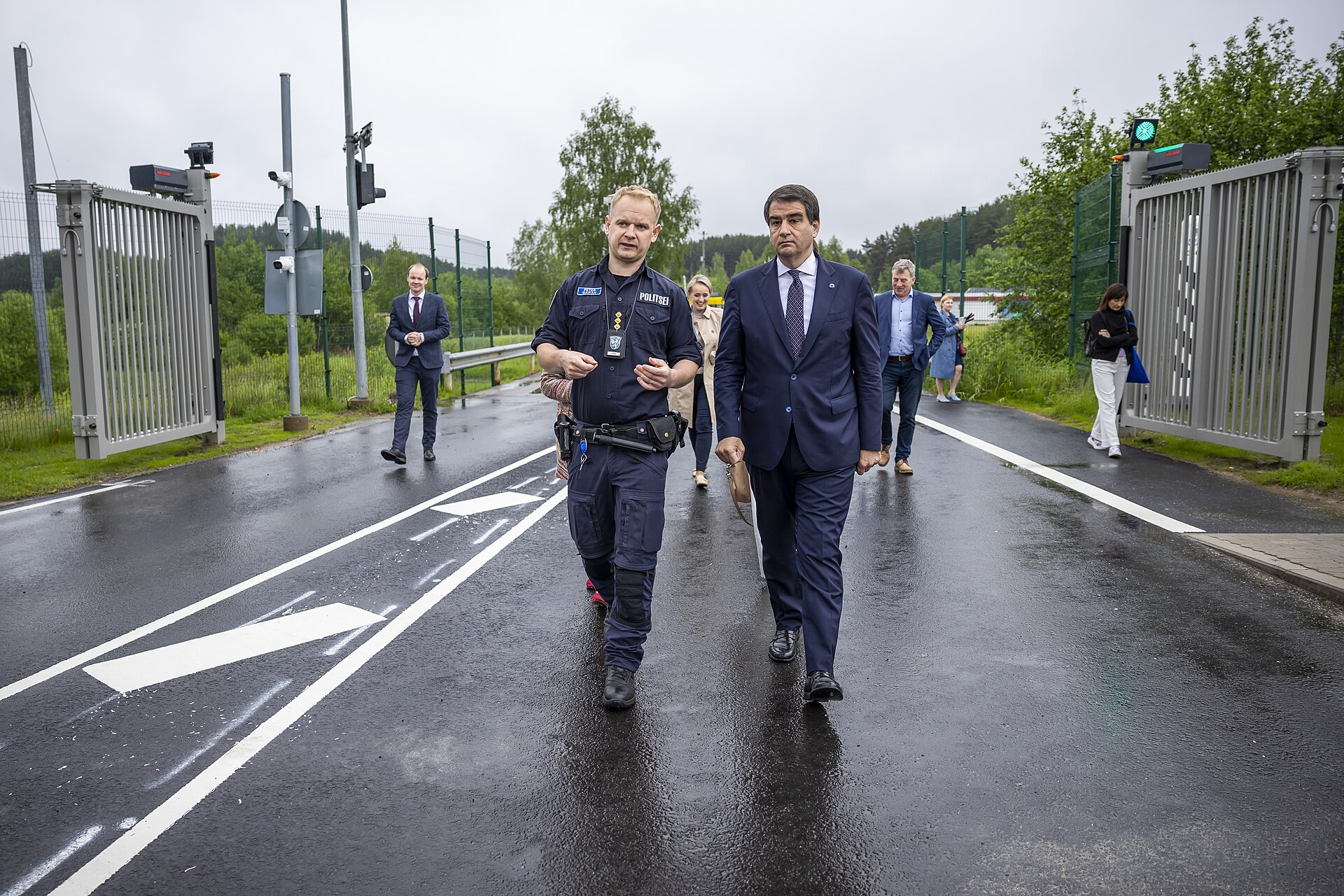
Three crossing points currently operate on the Estonian-Russian border: Narva–Ivangorod, Koidula–Kunichina Gora and Luhamaa–Shumilkino. They operate on a reduced schedule, and only pedestrians are allowed to cross through Narva.
Interior Minister Igor Taro said he would submit a proposal to the government to close all road crossing points to both pedestrians and vehicles from the beginning of December. “Estonia has already significantly restricted traffic to and from Russia at our border crossings, warning each time that further escalation could lead to a complete closure of traffic. That moment has now arrived,” he said.
According to Taro, Estonian residents currently in Russia will be able to return home over the next two weeks. Truck drivers who remain on the other side of the border will also be able to return during that period. The government will discuss whether the closure will be temporary or indefinite at the end of next week, after Prime Minister Kristen Michal returns from the United States.
Attempted arson in Viimsi
An attack on Threod Systems’ premises in Viimsi, near Tallinn, was attempted at around 3 a.m. on November 14. According to Estonian authorities, the perpetrators tried to break windows in order to pour flammable liquid into the building and intended to cause an explosion and fire. The company’s security service intervened and prevented them from carrying out the plan. No one was injured, and the company’s production and deliveries were not disrupted.
Margot Paloson, director general of the Estonian Internal Security Service, known as KAPO, said counterintelligence had established Russia’s involvement and that the operation had been coordinated by the GRU. “This was another attempt by Russia to carry out sabotage in Estonia,” he said.
Eight residents of Latvia have been detained in the case: four are Latvian citizens, while the other four have non-citizen status. Estonia’s Prosecutor’s Office requested the detention of five of them. Latvia’s State Security Service said that explosive devices, pyrotechnics and ammunition had been found during searches at nine locations in Latvia.
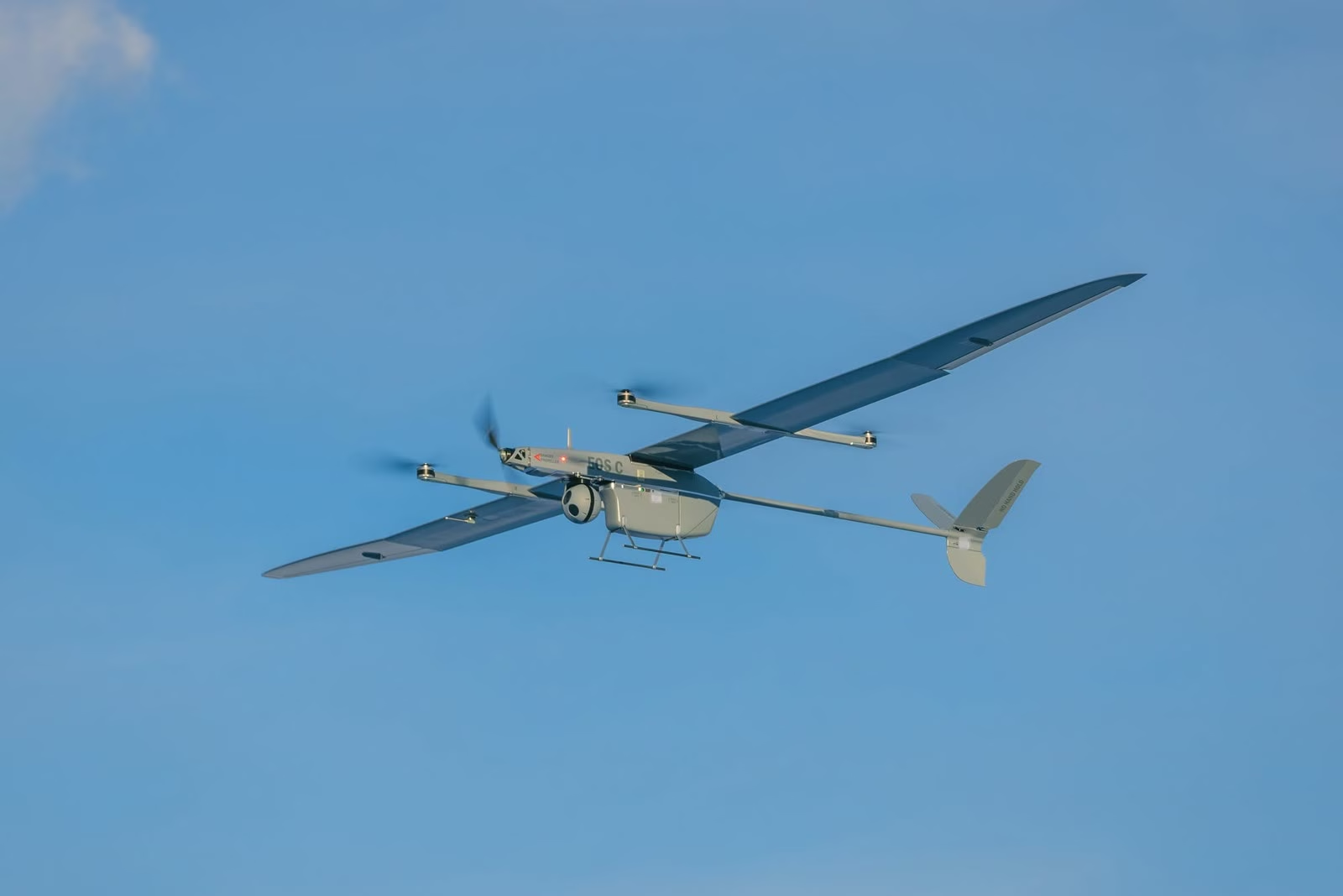
Threod Systems manufactures reconnaissance and strike drones. The company’s launch system was used by the British Royal Navy in October during tests of strike drones launched from the aircraft carrier HMS Queen Elizabeth.
Prime Minister Kristen Michal believes that “closing the border will reduce the threat to the people of Estonia and send a clear signal that attacks on Estonia’s defense industry and defense capabilities are unacceptable,” according to a government press release. He plans to convene a meeting of the government’s security cabinet on Friday.
What the decision means for residents
The decision will primarily affect residents of Ida-Viru County, home to a significant share of Estonia’s Russian-speaking population, as well as Russian citizens living in the country. According to Fontanka, a queue of about 80 people was waiting at the crossing from Ivangorod to Narva on the evening of November 15.
In neighboring Finland, border crossing points with Russia have been closed since the end of 2023. From November 16, Helsinki is also introducing new restrictions on the entry of Russian citizens, including athletes competing under neutral status. Moscow had not issued an official reaction to Tallinn’s decision by the time of publication.
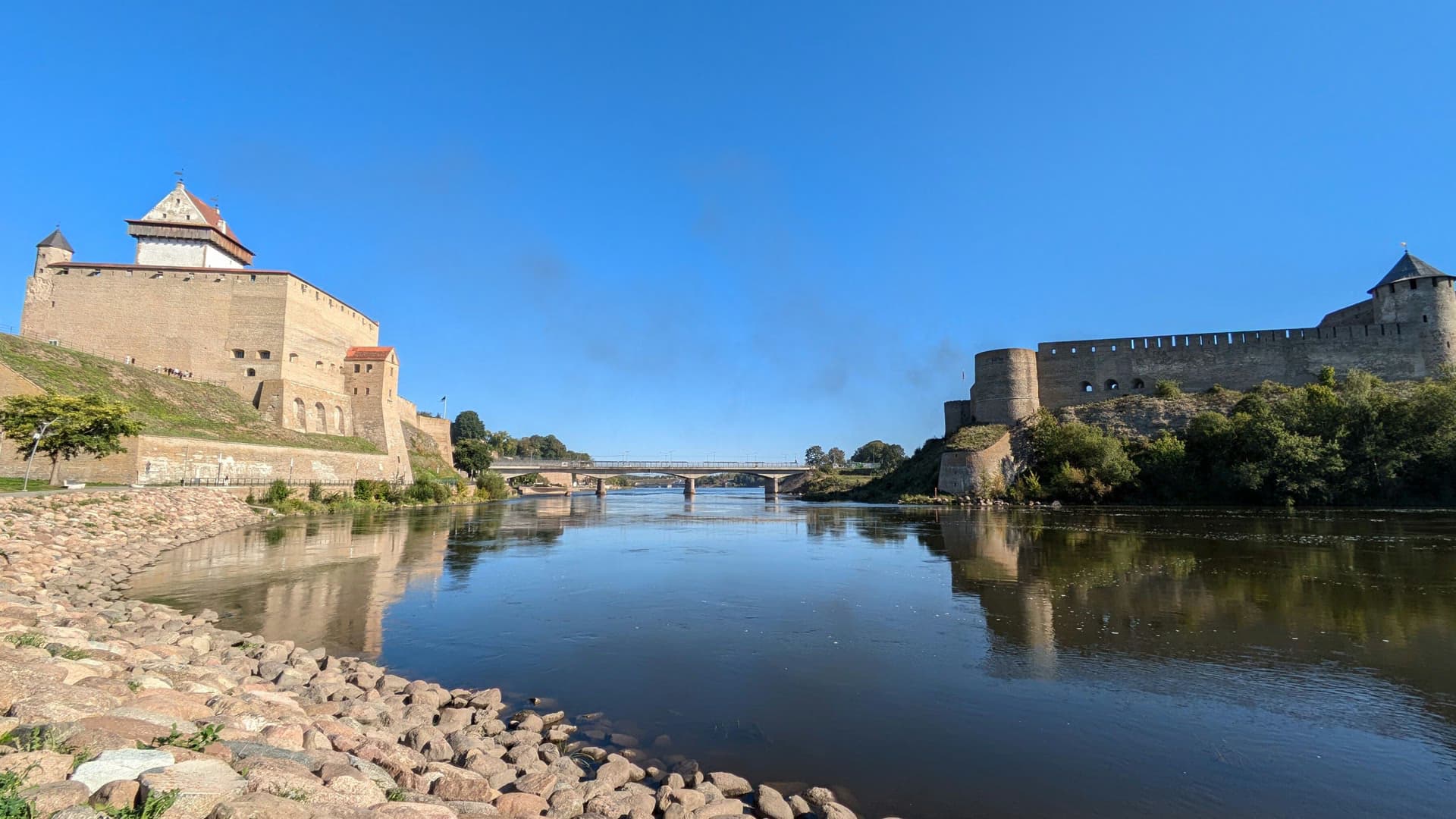
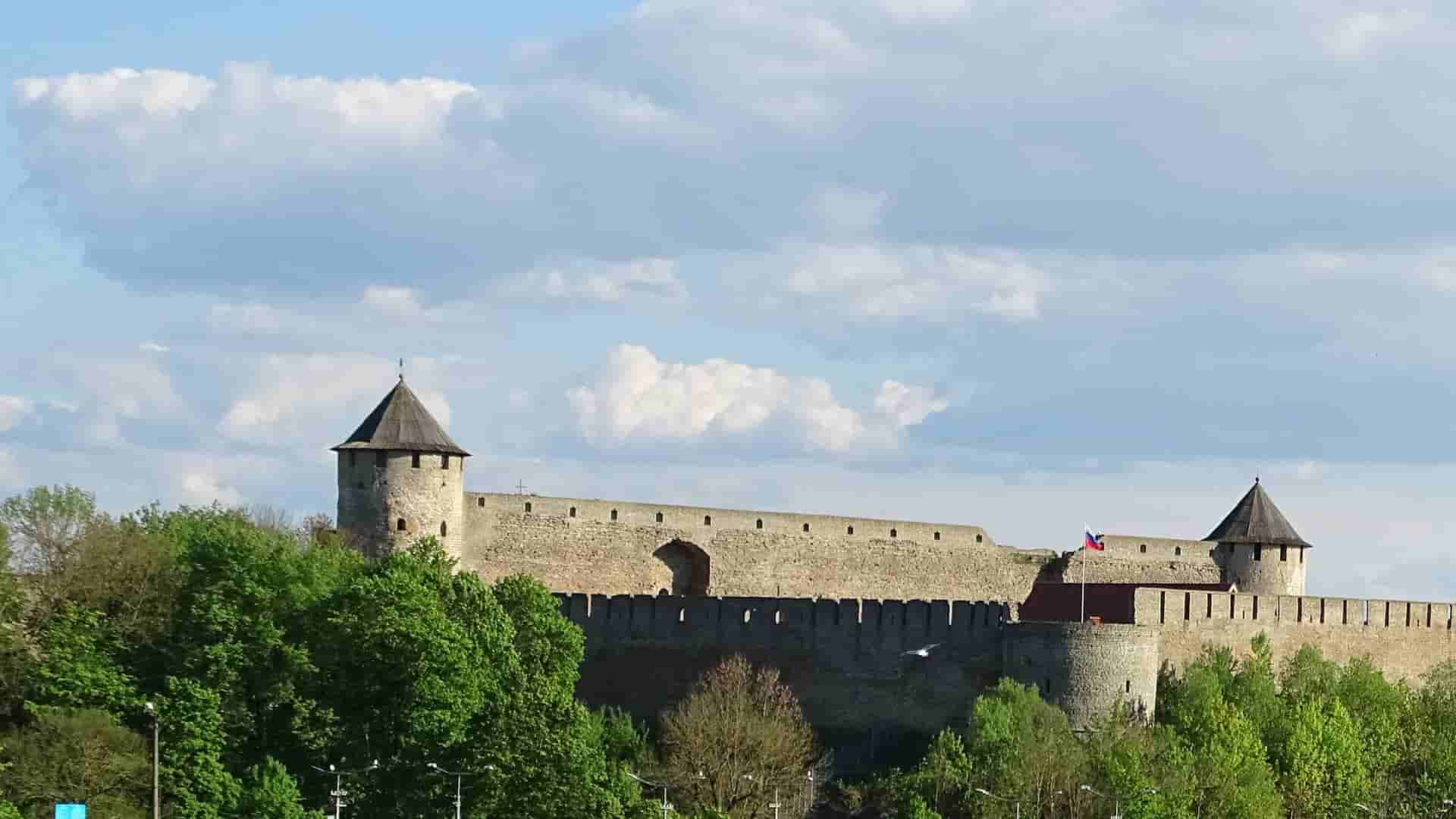
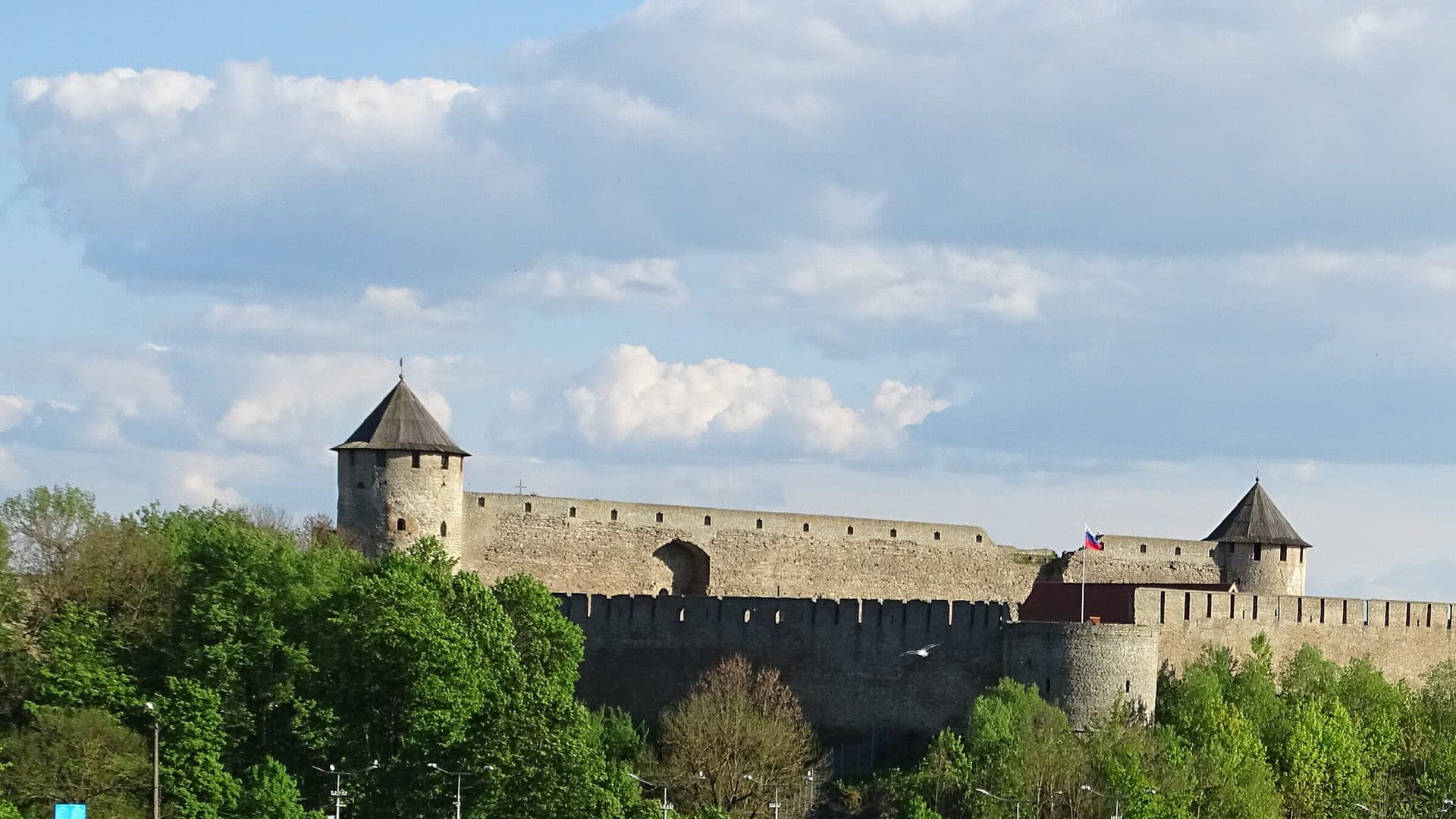
Photos: Narva Castle and Ivangorod Fortress (archive, Wikimedia Commons); Koidula crossing point (European Commission, 2025); Threod Systems drone (company photo).