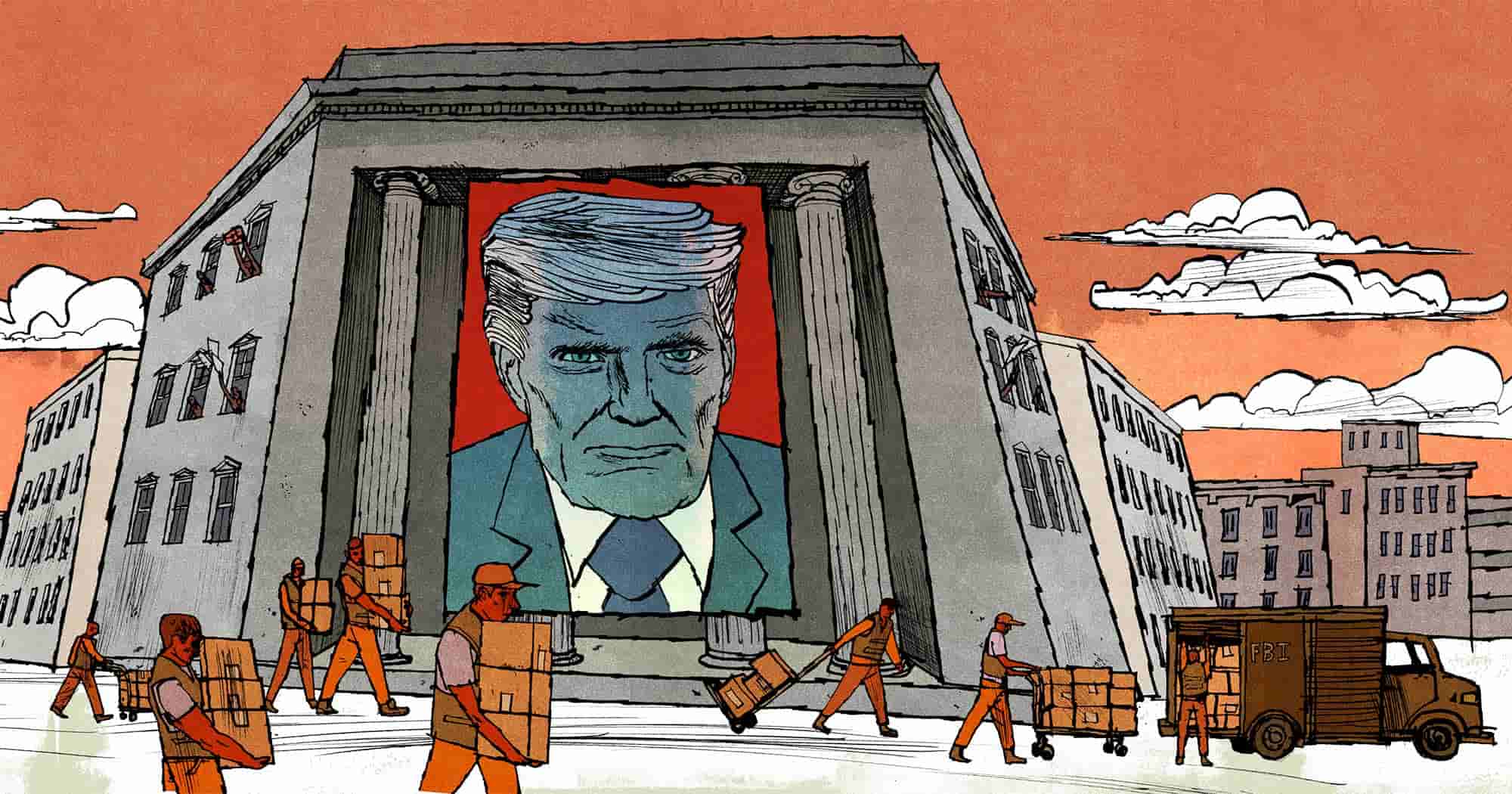
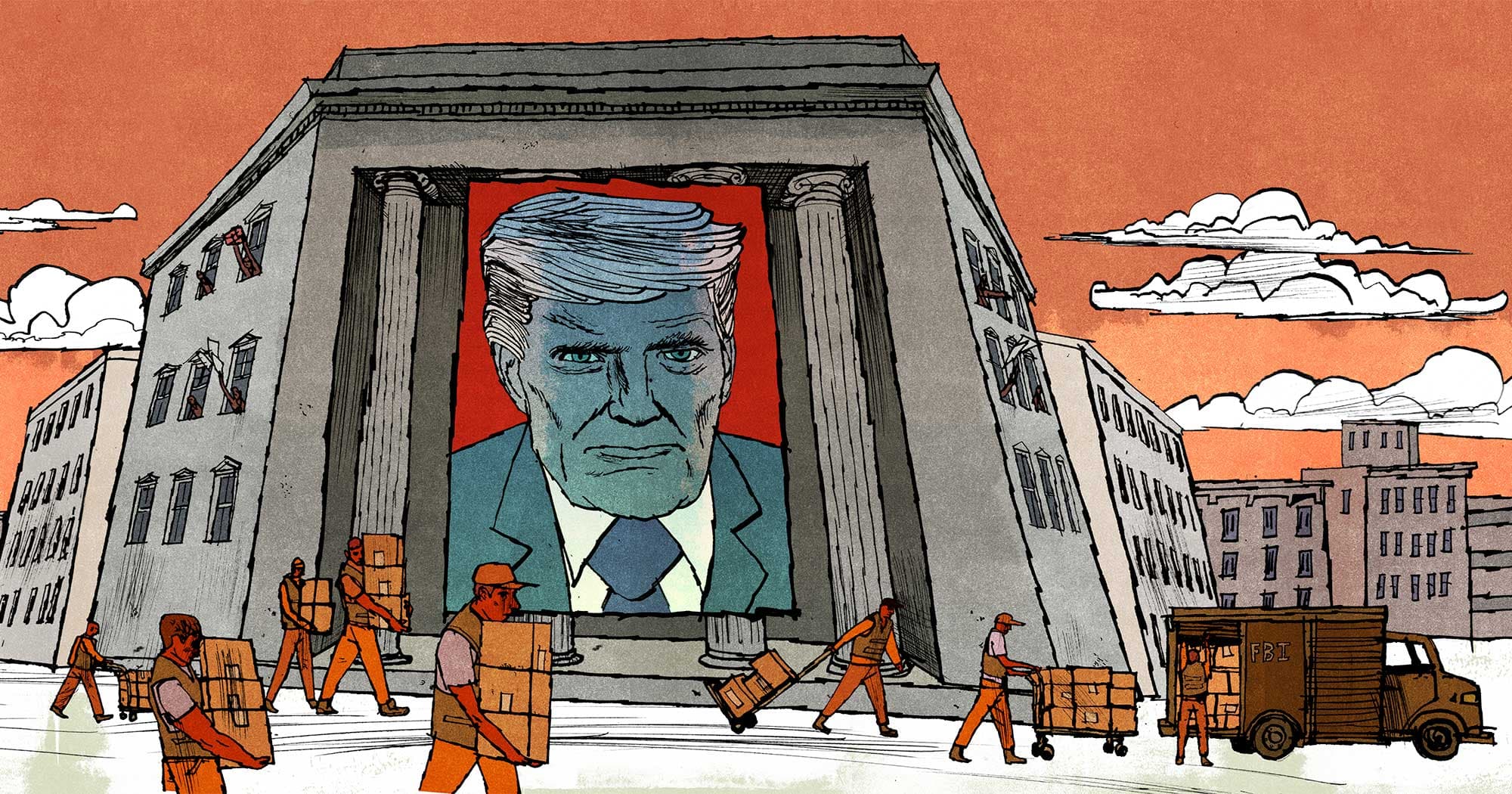
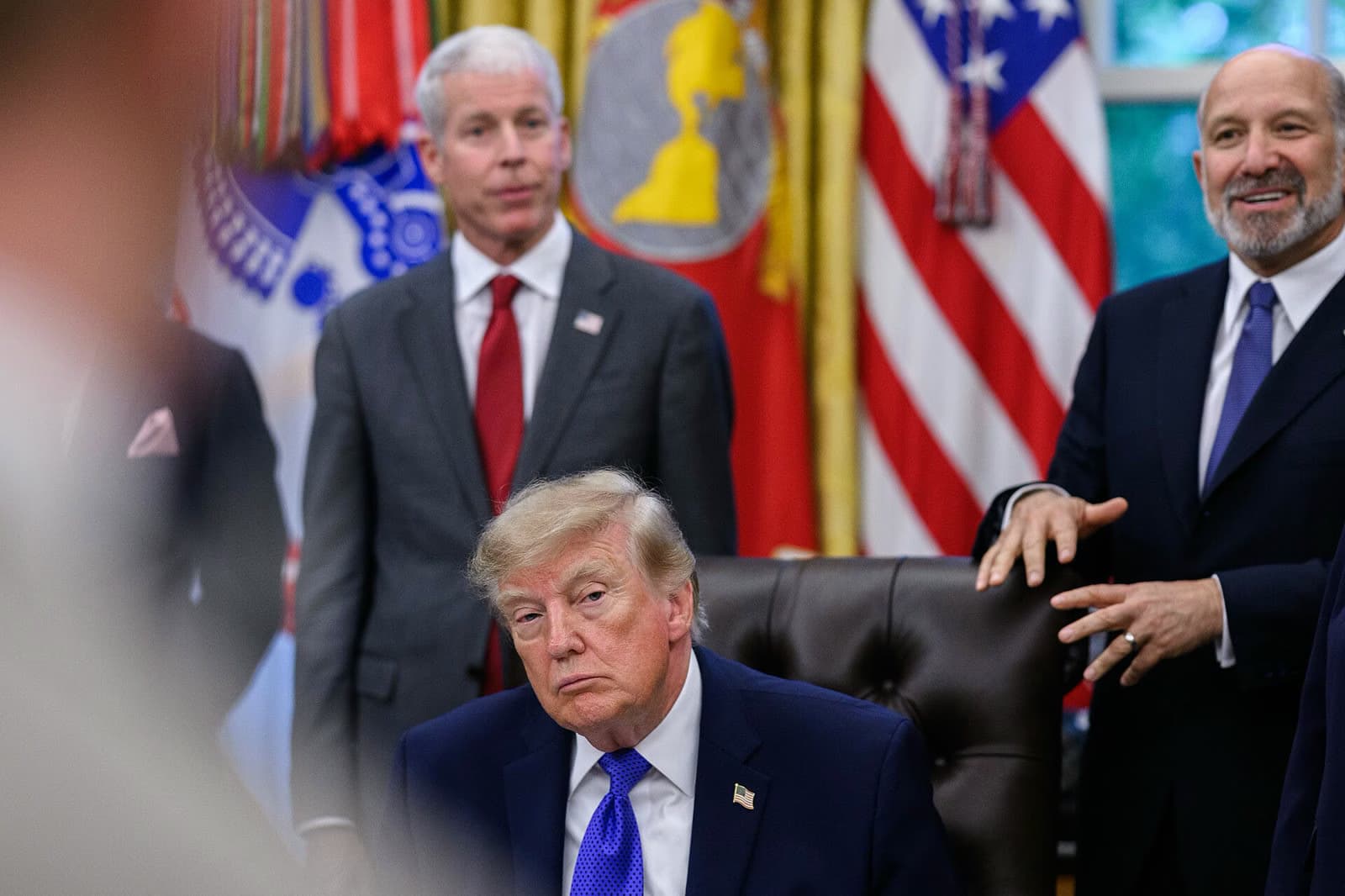
Two phone calls took place between U.S. President Donald Trump and Israeli Prime Minister Benjamin Netanyahu before the war-ending agreement signed in June 2026. It was reported that Netanyahu heard very harsh words during these calls.
U.S. Vice President JD Vance also made sharp statements about Netanyahu, accusing him of making mistakes. Vance's statements reportedly contained a severe reprimand and warning directed at Netanyahu.
Deep Divide Over Iran Policy
It was suggested that this conflict between the two leaders stemmed from Trump's policies of negotiation and agreement with Iran, and Netanyahu's criticism of the deal and calls to continue the war against Iran. Netanyahu's escalation of the war in southern Lebanon was also cited as a separate point of tension.
It was claimed that the four-month-long war proved this conflict did not explode into a full rupture, but on the other hand, demonstrated the Islamic regime's capacity for resistance and maintaining parity in the war against the U.S. This situation was assessed as pointing to the futility of the war from the U.S. perspective.
Negative Consequences for the U.S.
It was argued that Trump's prioritization of Netanyahu's policies resulted in a declaration of war on Iran, and the error of this decision was proven. Developments such as Iran's reactions and its closure of the Strait of Hormuz were said to have led to a global economic crisis and the isolation of the U.S. internationally.
Within the U.S., it was claimed the war was largely seen as Israel's war, not America's, and this caused Trump's domestic popularity to drop to 36 percent. Additionally, it was noted that holding an Israeli passport led to discrimination in some European countries.
Netanyahu's Personal Motivations
It was suggested that behind Netanyahu's insistence on continuing the war lay a fear of being prosecuted for corruption and alleged mistakes made before the Al-Aqsa Flood, should the war stop. It was argued that remaining head of government protected him from going to prison.
It was assessed that Trump experienced numerous negatives due to his alliance with and following of Netanyahu, and that the eruption of conflict between the two was an inevitable outcome. Vance's statement that two-thirds of the weapons Israel used in the war were paid for by American taxpayers, and Trump's alleged words to Netanyahu, "enough is enough," were cited as indicators of this tension.
In conclusion, it was argued that the balance of power shifted against Trump and Netanyahu and in favor of Iran, leading to the signing of the agreement that ended the war.