- BIST10011,722-2.89%
- USD49.45+0.05%
- EUR55.62+0.37%
- GOLD4,181.10+0.26%
- INTEREST37.00%-1.00
- BITCOIN81,567+0.23%
- October 18, 202615°
- BIST10011,722-2.89%
- USD49.45+0.05%
- EUR55.62+0.37%
- GOLD4,181.10+0.26%
- INTEREST37.00%-1.00
- BITCOIN81,567+0.23%
- October 18, 202615°
Death rates among immigration detainees reach 22-year high
A new study reveals that death rates among detainees in U.S. Immigration and Customs Enforcement (ICE) custody have reached a 22-year high. Experts say this increase indicates systemic weaknesses in healthcare.
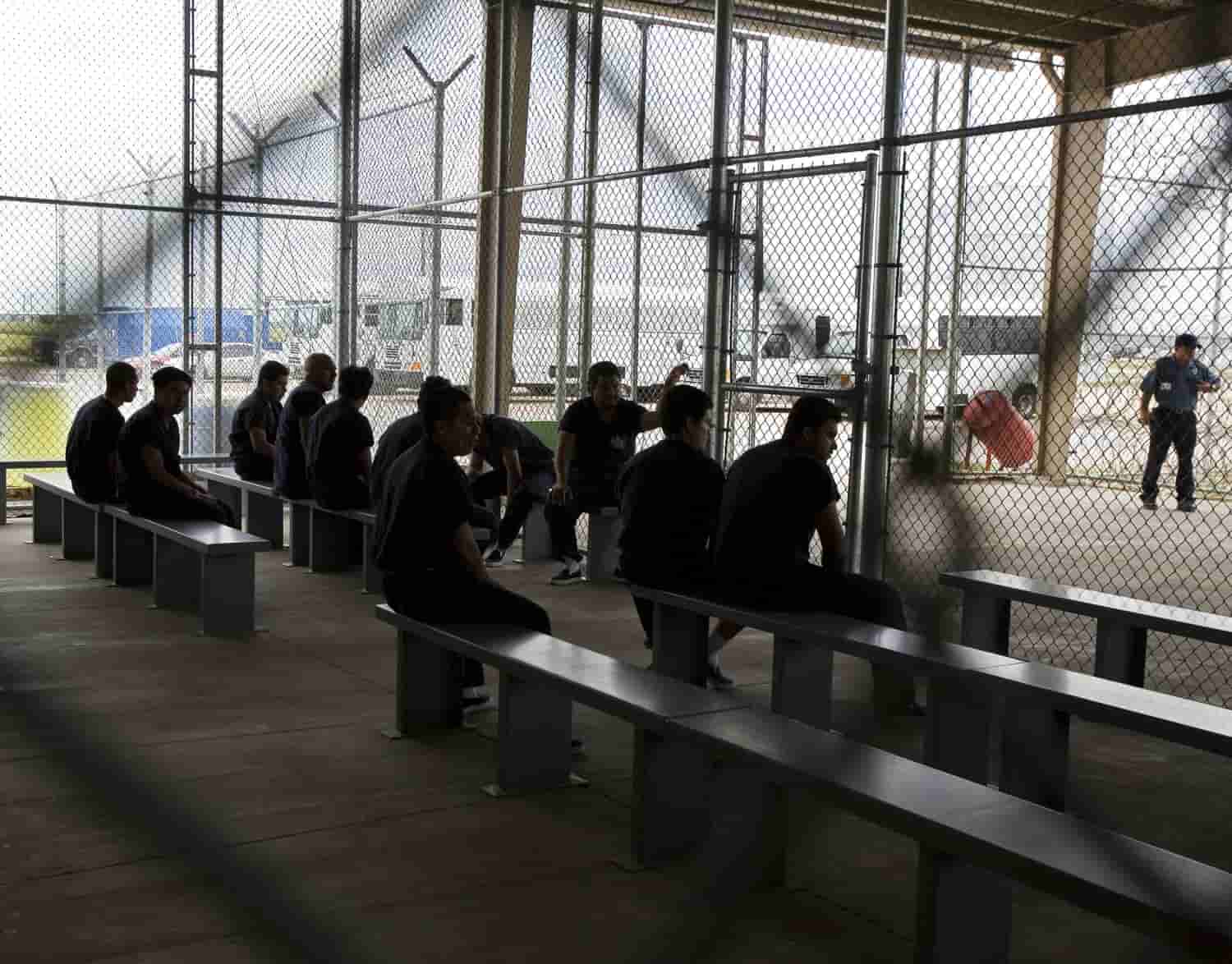
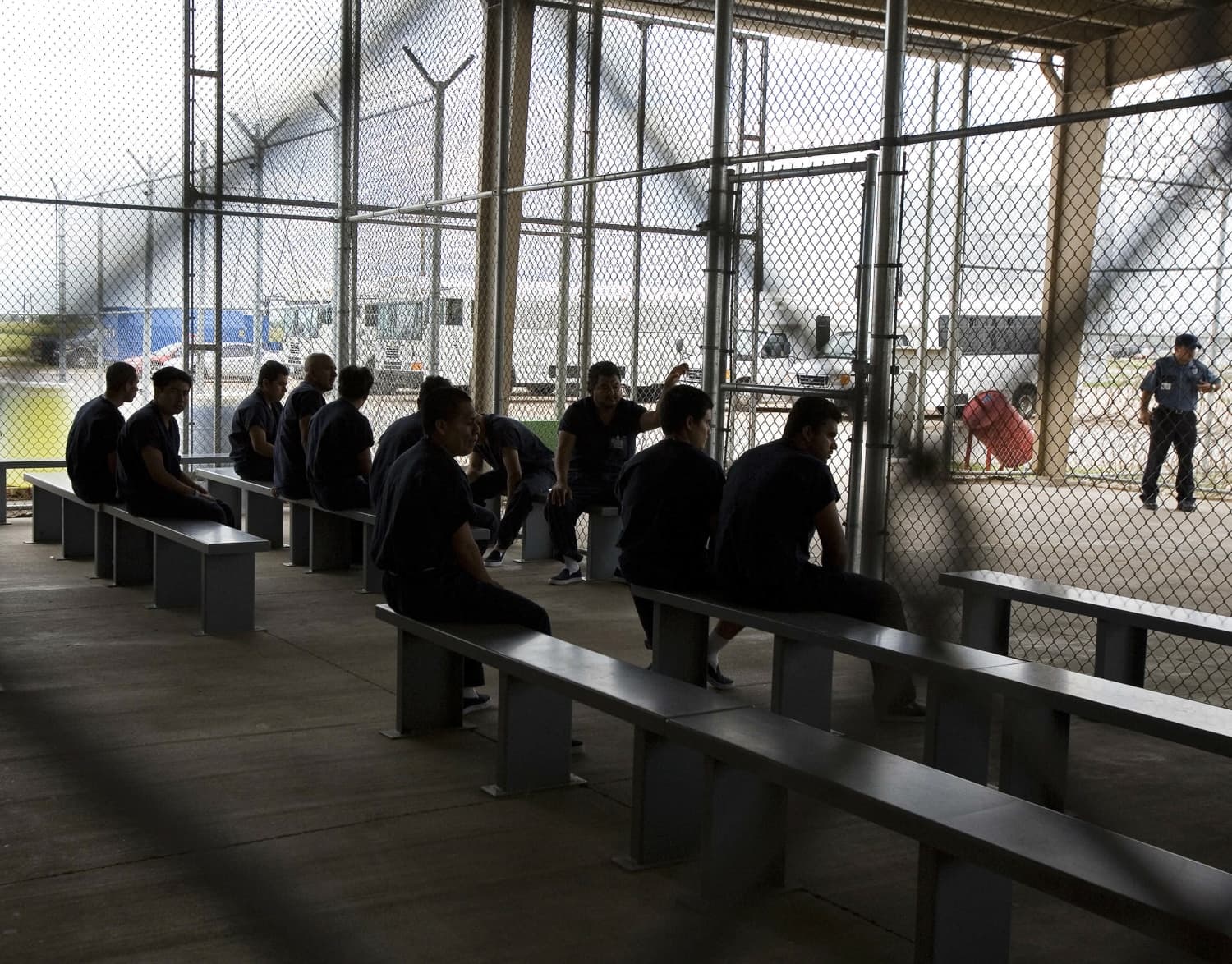
In the U.S., death rates among immigration detainees have reached a 22-year high, pointing to deepening structural issues in healthcare. According to a new study published in the medical journal JAMA, death rates in ICE custody fluctuated from fiscal year 2004 to the beginning of fiscal year 2024. In fiscal year 2024, the death rate was calculated at 88.9 per 100,000 detainees annually, surpassing even the peak during the COVID-19 period.
Experts evaluating the study stressed that this increase is not just a clinical event, but also an indicator of systemic weaknesses in healthcare and detention conditions. The rapid increase in the number of detainees, the worsening of detention conditions, and the weakening of oversight mechanisms during the Trump administration are cited as factors contributing to this situation.
ICE saw a decline in transparency, reducing publicly released information on deaths. Meanwhile, the Department of Homeland Security said there was no significant increase in death rates and that they represent a small percentage of the detainee population. The department stated that detainees receive appropriate medical care and humane conditions.
The study noted that the majority of the deceased detainees were male with an average age of 45, and that heart disease accounts for a significant share of the causes of death. In addition, the fact that the cause of nearly half of the deaths is unclear or unclassified raises concerns about accountability and the implementation of preventive measures. Experts said the data highlights long-standing deficiencies in the detention system and inadequacies in healthcare.
In conclusion, the increase in death rates among immigration detainees serves as an important warning that comprehensive improvements are needed in healthcare and detention conditions.
Stay Updated with RuskiGazeta
Subscribe to be informed about special news, developments and announcements. We will keep you informed.
By signing up, you agree to our Privacy Policy