- BIST10011,220-3.08%
- USD49.60+0.05%
- EUR55.68+0.11%
- GOLD4,038.00-2.70%
- INTEREST36.00%-1.00
- BITCOIN81,341-3.19%
- October 22, 202617°
- BIST10011,220-3.08%
- USD49.60+0.05%
- EUR55.68+0.11%
- GOLD4,038.00-2.70%
- INTEREST36.00%-1.00
- BITCOIN81,341-3.19%
- October 22, 202617°
Sevastopol begins lifting fuel purchase limits after months-long crisis
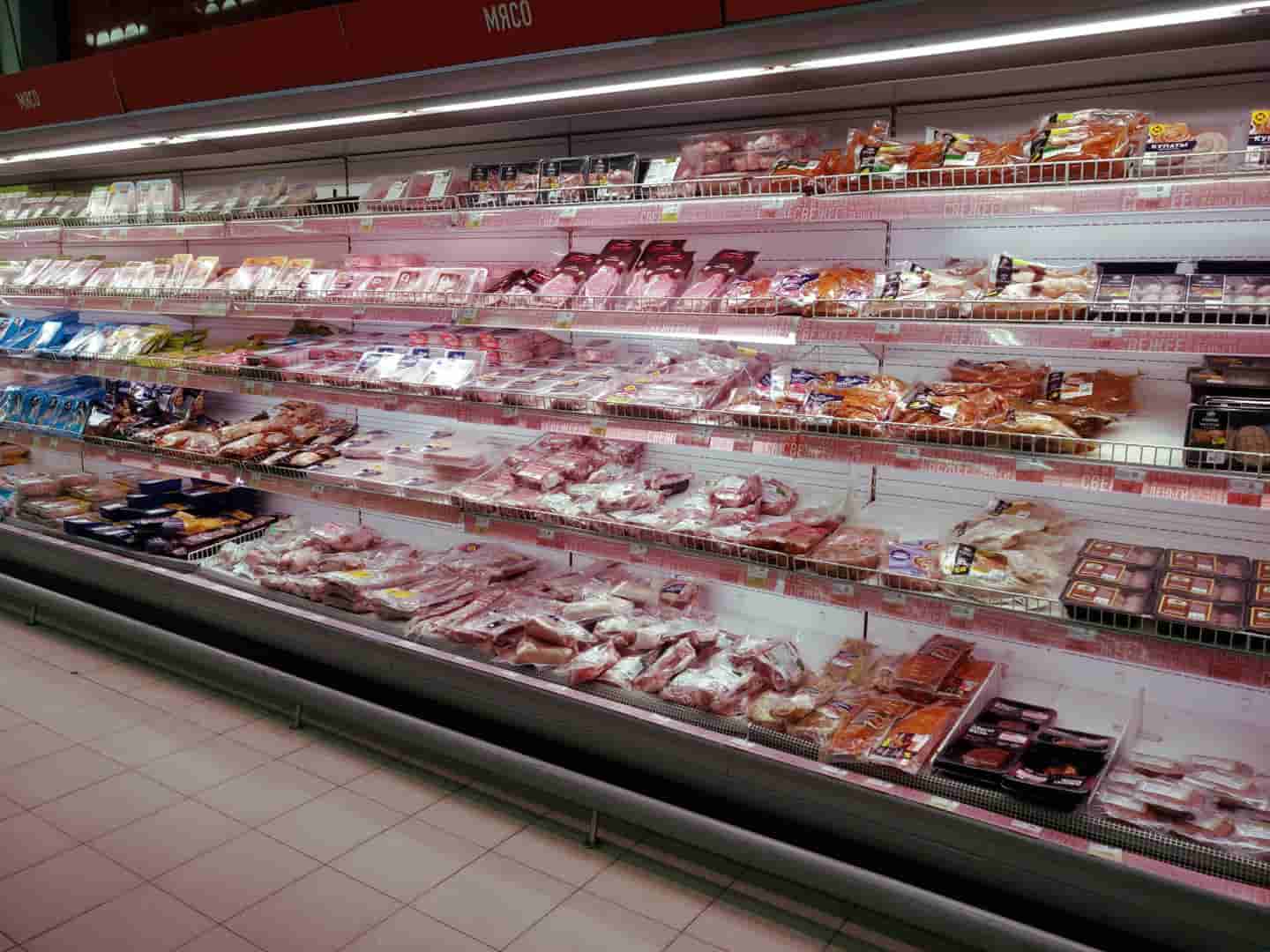
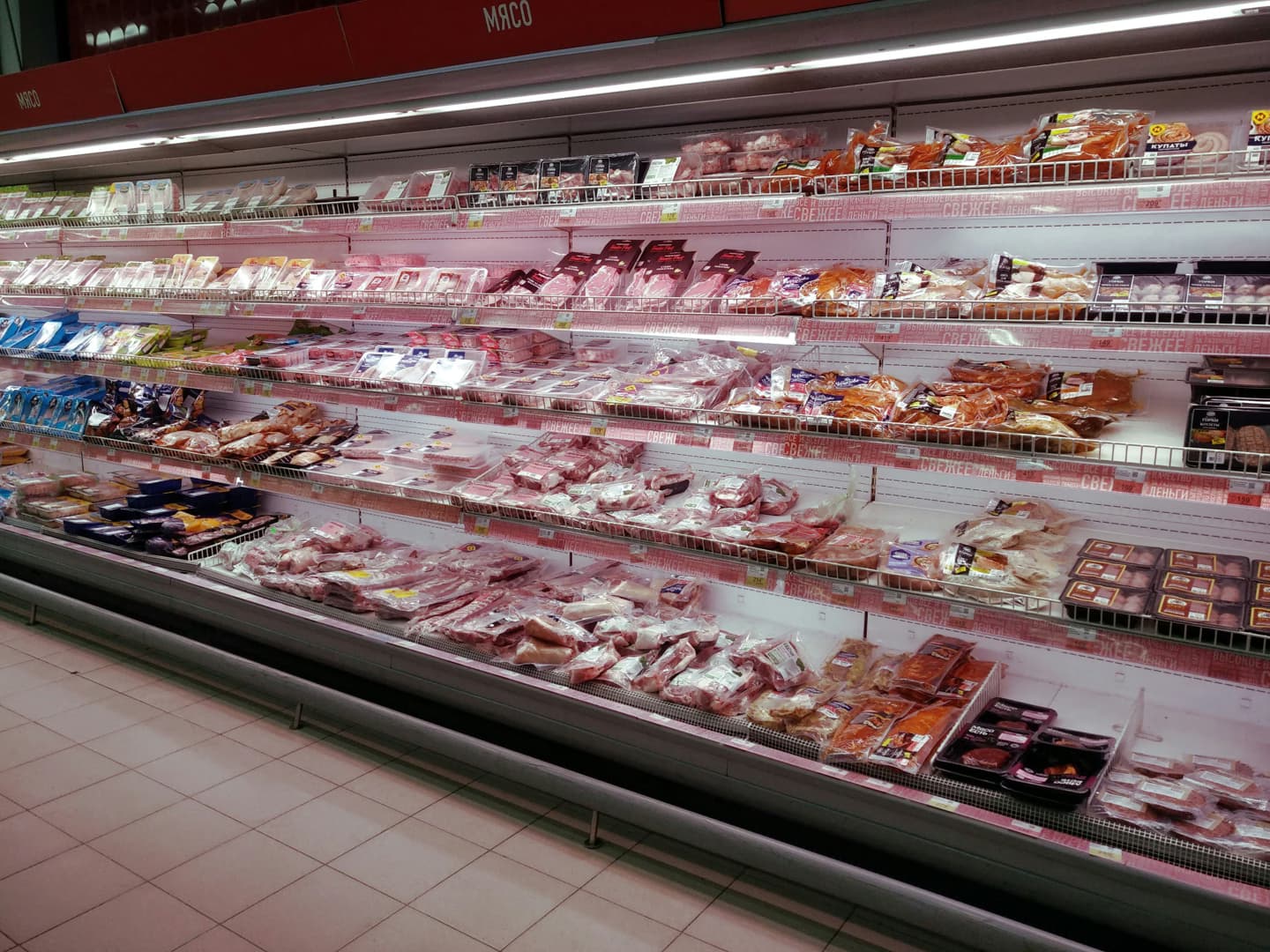
Russian-appointed Sevastopol Governor Mikhail Razvozhayev announced that fuel purchase limits in the city had been lifted as of midnight Monday. Although some stations experienced temporary shortages, supplies continued, while the price of a liter of gasoline had risen to 131.76 rubles on October 12.


Fuel purchase limits imposed in Sevastopol after months of supply problems began to be lifted. Russian-appointed Governor Mikhail Razvozhayev announced that the restrictions in the city had ended as of midnight Monday.
Razvozhayev said gasoline logistics had largely returned to normal and that sufficient fuel was available for regular sales in the short term. The governor said certain fuel types had run out at some stations by Monday afternoon but were replenished during the day, adding that he hoped the logistical situation would continue in this way.
Restrictions introduced in Crimea in May
Fuel rationing began in Crimea in May. Fuel supplies were disrupted after Ukrainian unmanned aerial vehicles targeted military trucks and tankers carrying fuel to the region from the north.
The supply problems later spread to mainland Russia. The country experienced two major waves of fuel crises after Ukraine intensified attacks on oil refineries.
Gasoline in Sevastopol rose to 131.76 rubles
The average price of gasoline in Sevastopol rose to 131.76 rubles per liter on October 12. Official statistics that track Russia-annexed areas alongside Russian regions listed the city among the places with the highest gasoline prices.
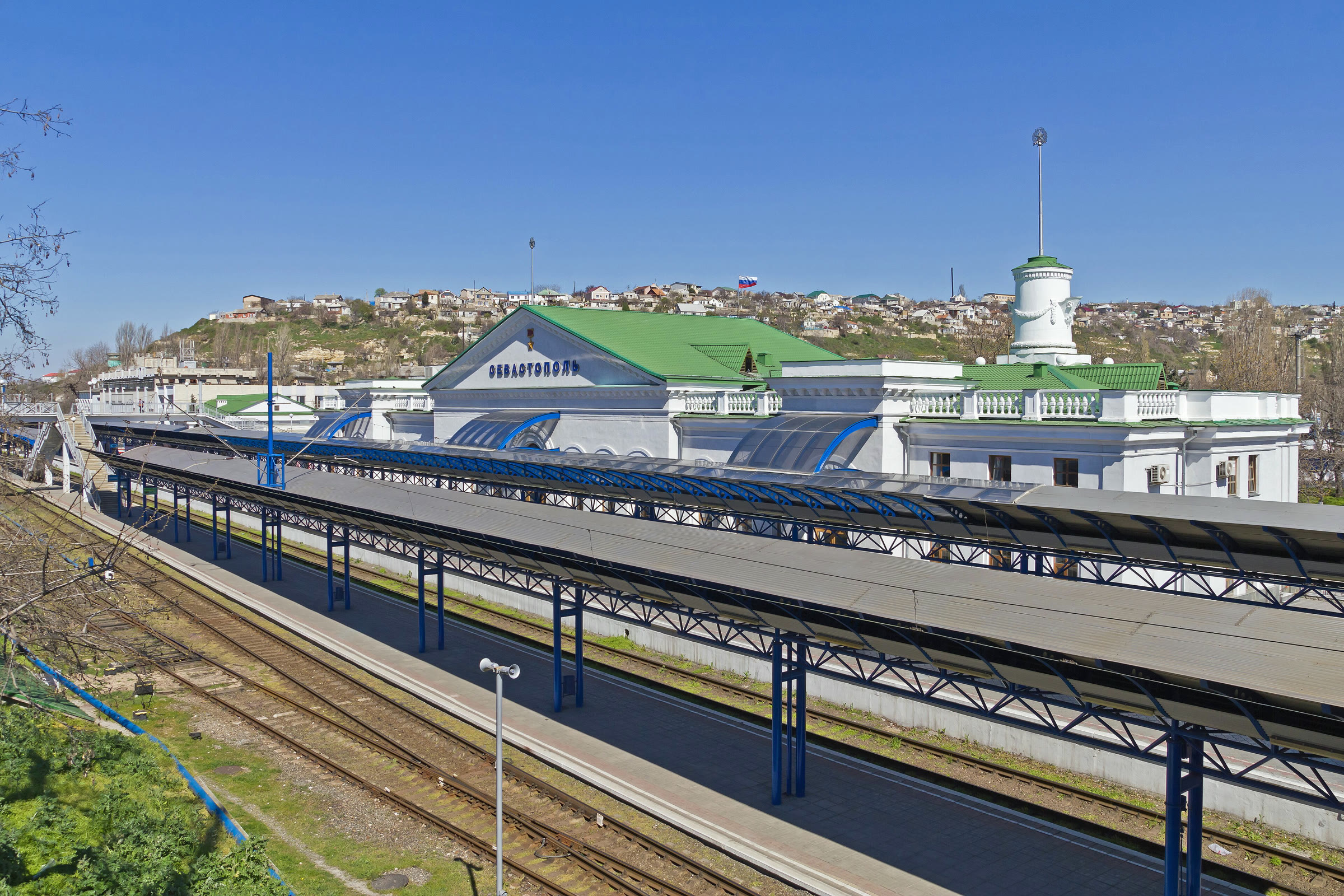
The average price of gasoline across Russia has risen by more than 21 percent since the beginning of the year. Fuel supply problems were cited as the main reason for the purchase restrictions in Crimea.
Refinery attacks and energy costs
Ukraine's attacks on Russian oil refineries also brought disagreements between Washington and Kyiv to the forefront in October. U.S. President Donald Trump said the attacks had contributed to rising diesel prices in the United States.
Analysts, however, argued that the main reason for high energy prices was the war waged by the United States and Israel against Iran. At the beginning of the month, Trump announced an "energy ceasefire" between Russia and Ukraine; neither side, however, announced that it had previously reached such an agreement.
The energy ceasefire soon broke down as the Russian military continued attacking Ukraine's energy infrastructure.
Stay Updated with RuskiGazeta
Subscribe to be informed about special news, developments and announcements. We will keep you informed.
By signing up, you agree to our Privacy Policy