Speaking at an event in Brussels, Serbian Foreign Minister Marko Đurić gave full backing to President Aleksandar Vučić’s proposal to include non-EU Western Balkan countries in the Schengen Agreement. Đurić said the step would contribute €50 billion annually to the regional economy and permanently stabilize inter-ethnic relations.
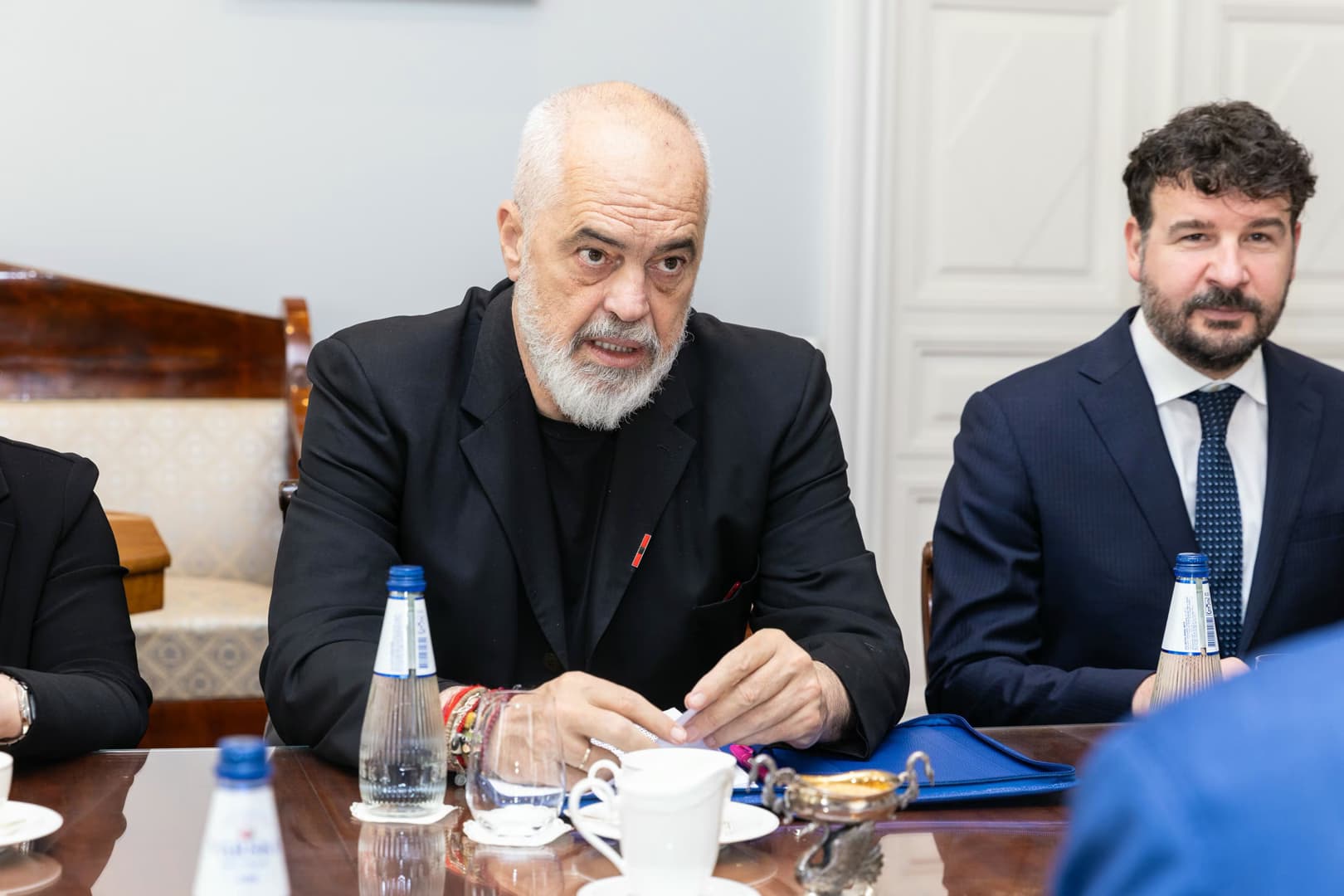
At the meeting titled ‘Serbia’s Reform Momentum: From Commitment to Execution’ in Brussels on Friday, Đurić was joined by European Integration Minister Nemanja Starović, Deputy Prime Minister and Finance Minister Siniša Mali, and Parliament Speaker Ana Brnabić, who all highlighted Belgrade’s progress on European reforms.
Đurić said: ‘President Vučić’s initiative to include the region in Schengen and the free open market paves the way for an additional €50 billion a year and makes ethnic relations in our region permanently stable. This could genuinely change the paradigm of relations in the Western Balkans, and I support this with statistical data.’
After meeting with EU member states’ ambassadors on June 30, Vučić stated that Serbia continues to advance on its EU membership path and to pursue reforms.
Belgrade had previously expressed hope that in 2025 Brussels would open negotiation cluster 3 in Serbia’s EU accession talks, which covers media, tax policy, social policy, entrepreneurship, education and culture, but this has not yet happened.
EU candidate status is only the beginning of the accession process. Turkey has been a candidate since 1999, North Macedonia since 2005, Montenegro since 2010, and Serbia since 2012. Croatia was the most recent to join, in 2013, after a process that took 10 years.