- BIST10011,131-3.02%
- USD50.47+0.05%
- EUR55.46+0.20%
- GOLD3,539.00-3.98%
- INTEREST36.00%-1.00
- BITCOIN59,021-4.66%
- November 21, 202616°
- BIST10011,131-3.02%
- USD50.47+0.05%
- EUR55.46+0.20%
- GOLD3,539.00-3.98%
- INTEREST36.00%-1.00
- BITCOIN59,021-4.66%
- November 21, 202616°
Serbia ends Kushner project at Belgrade General Staff ruins
Construction Minister Aleksandra Sofronijević announced the signing of an agreement terminating the contract with Donald Trump’s son-in-law’s company, with both sides waiving mutual claims. The decision came amid a change of power, as the Student List won a majority in the Assembly for the first time.
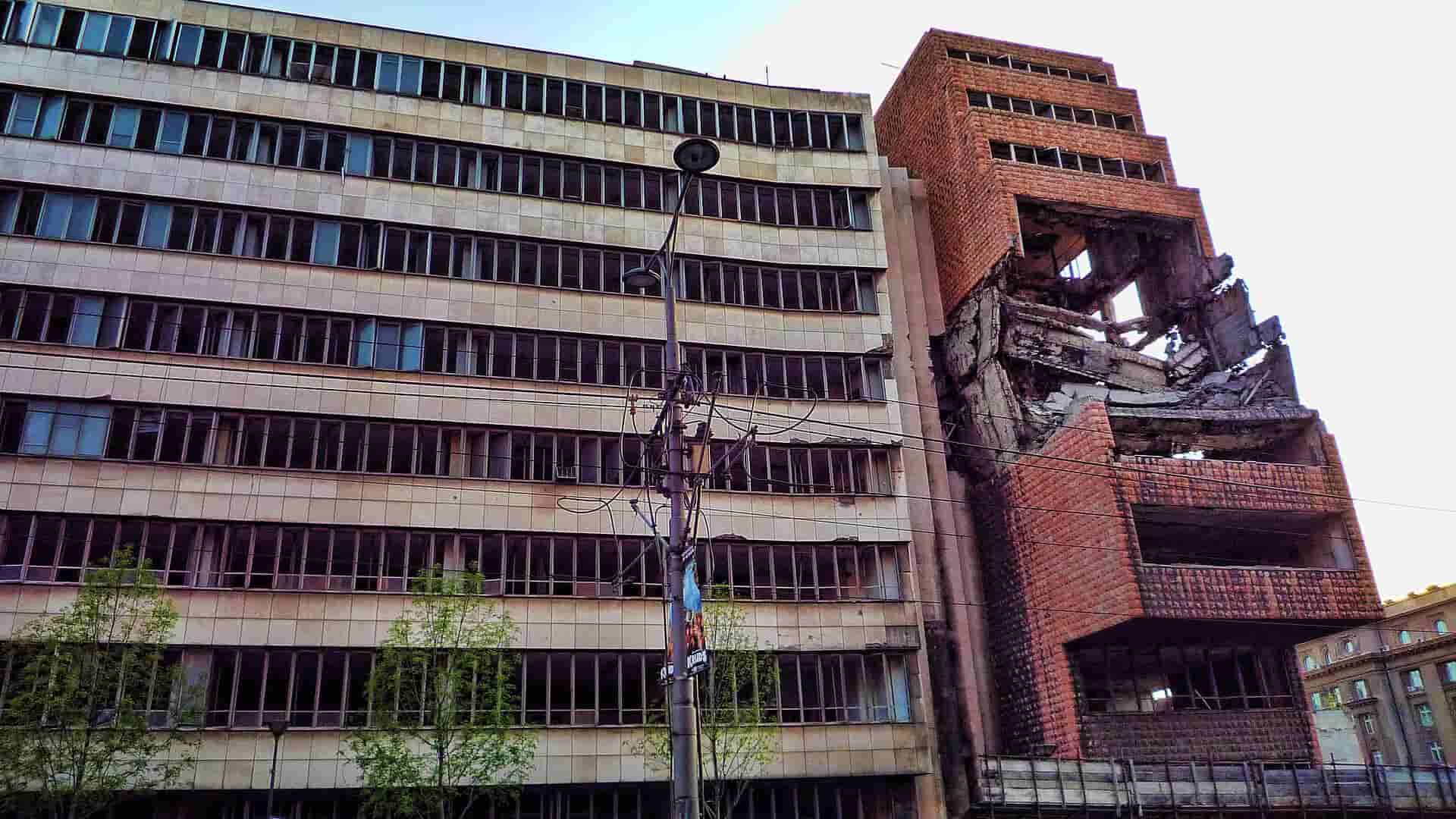
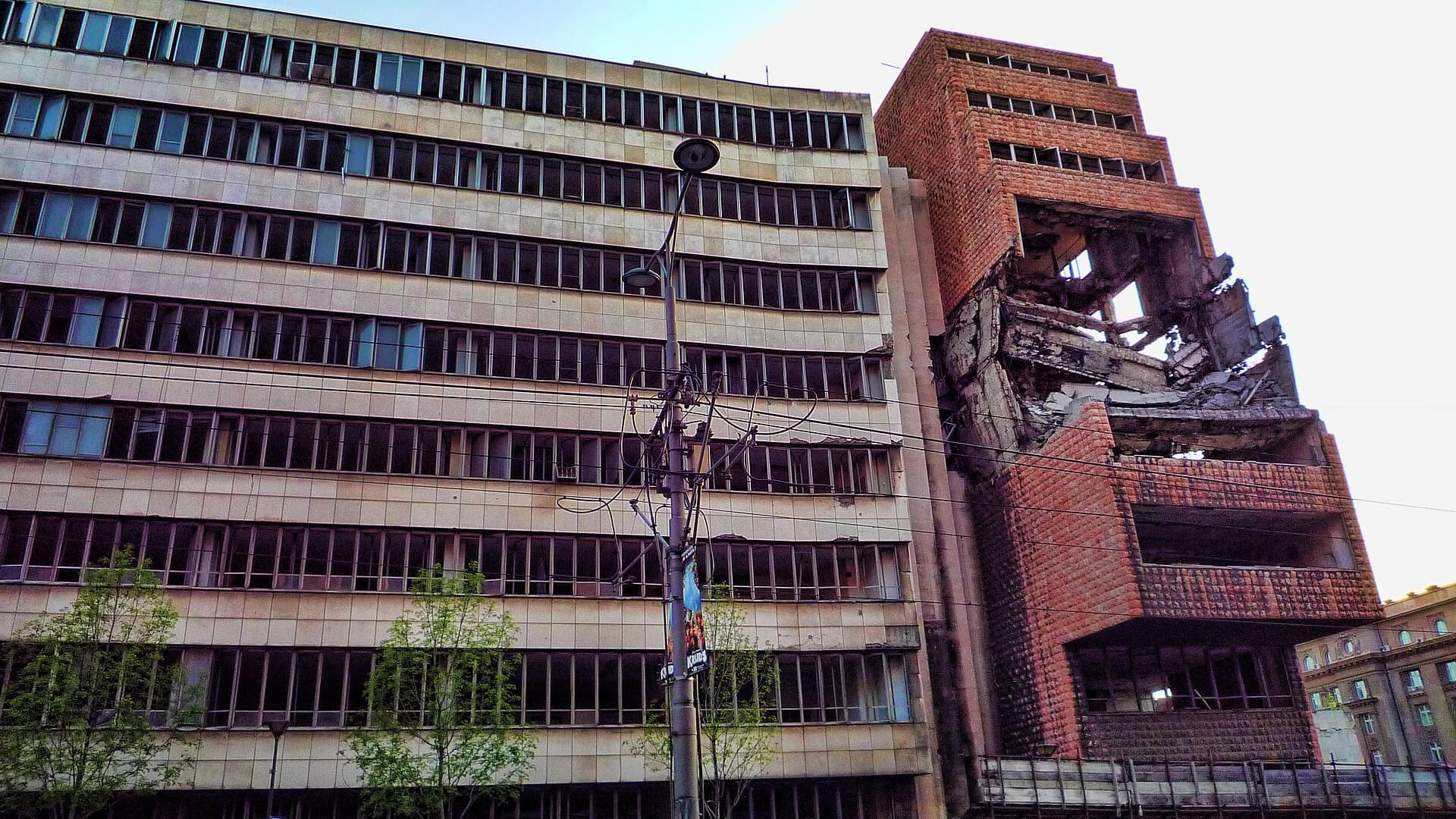
Serbia has officially terminated its agreement with Jared Kushner’s company, the son-in-law of U.S. President Donald Trump, to redevelop the former General Staff complex of the Yugoslav Army in central Belgrade. The American investor had planned to build a luxury complex with a Trump-branded hotel costing around $500 million on the site of the building destroyed by NATO bombing in 1999.
Construction Minister Aleksandra Sofronijević made the announcement in a written response to the Insajder portal. She said the termination agreement was signed in implementation of a government decision adopted in August and that “the contracting parties have no mutual claims.” Asked whether a new investor had been found for the site or whether Kushner’s company had been offered another location, the minister said her ministry had no such information.
A monument that authorities tried to remove from the register
The General Staff complex, designed by architect Nikola Dobrović, is considered one of the symbols of Serbian modernism and, for many Serbs, also a monument to the victims of NATO bombing. The investment agreement with the American company Atlantic Incubation Partners was signed in May 2024. The American partner was to hold a 77.5% stake in the joint venture, while Serbia was to hold 22.5%. The state undertook to remove the site’s cultural-heritage status, demolish the structures and lease the land free of charge for 99 years, with the option of transferring ownership free of charge.
In November 2024, the government removed the site’s protected status, but experts at the Republic Institute for the Protection of Cultural Monuments refused to remove the complex from the register. In December 2025, the Prosecutor’s Office for Organized Crime charged Culture Minister Nikola Selaković, former ministry State Secretary Slavica Jelaca, and the heads of two heritage-protection institutes, Goran Vasić and Aleksandar Ivanović. They are accused of abuse of office, while Selaković, Jelaca and Vasić also face charges of falsifying an official document. That same day, Kushner’s company announced that it was abandoning the project “at this time.”
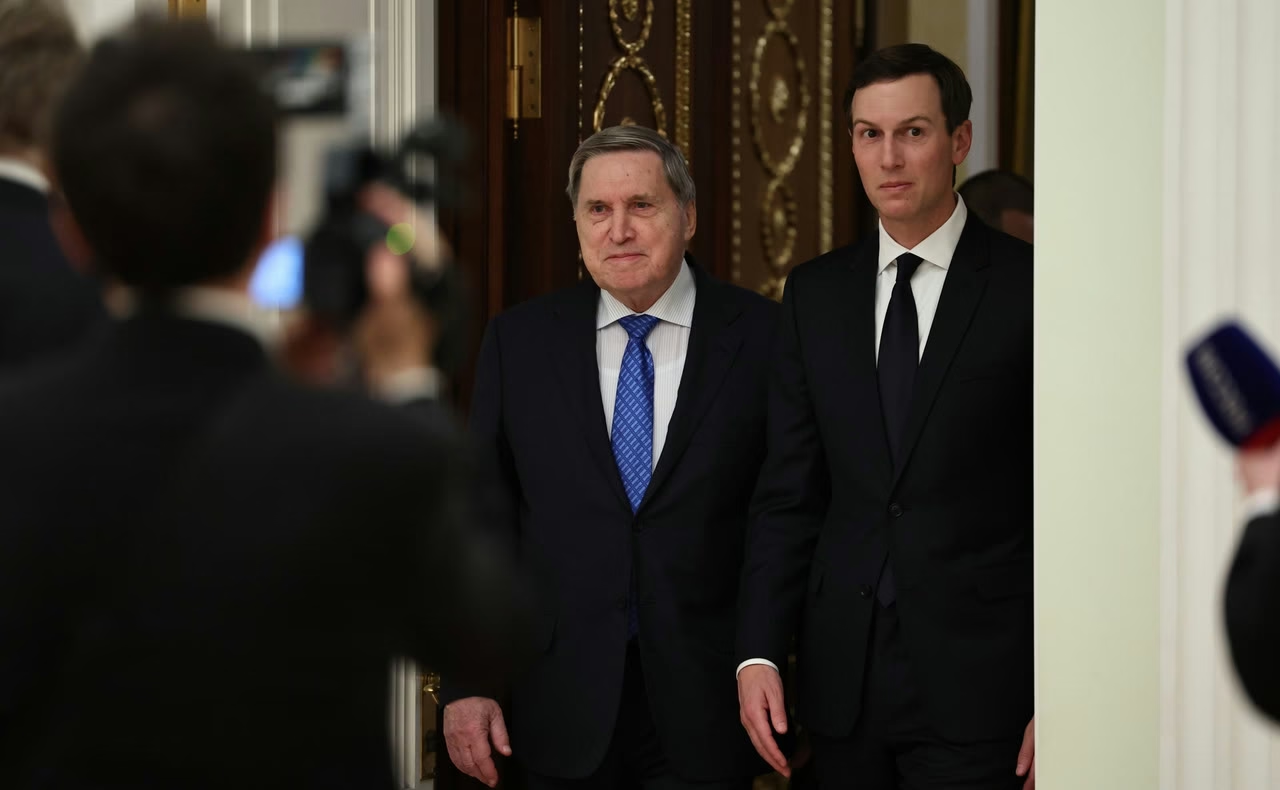
Kushner is now engaged in high-level diplomacy: alongside special envoy Steve Witkoff, he is taking part in talks on a settlement in Ukraine and has visited the Kremlin several times this year, including in January and November.
A new Assembly and a new agenda
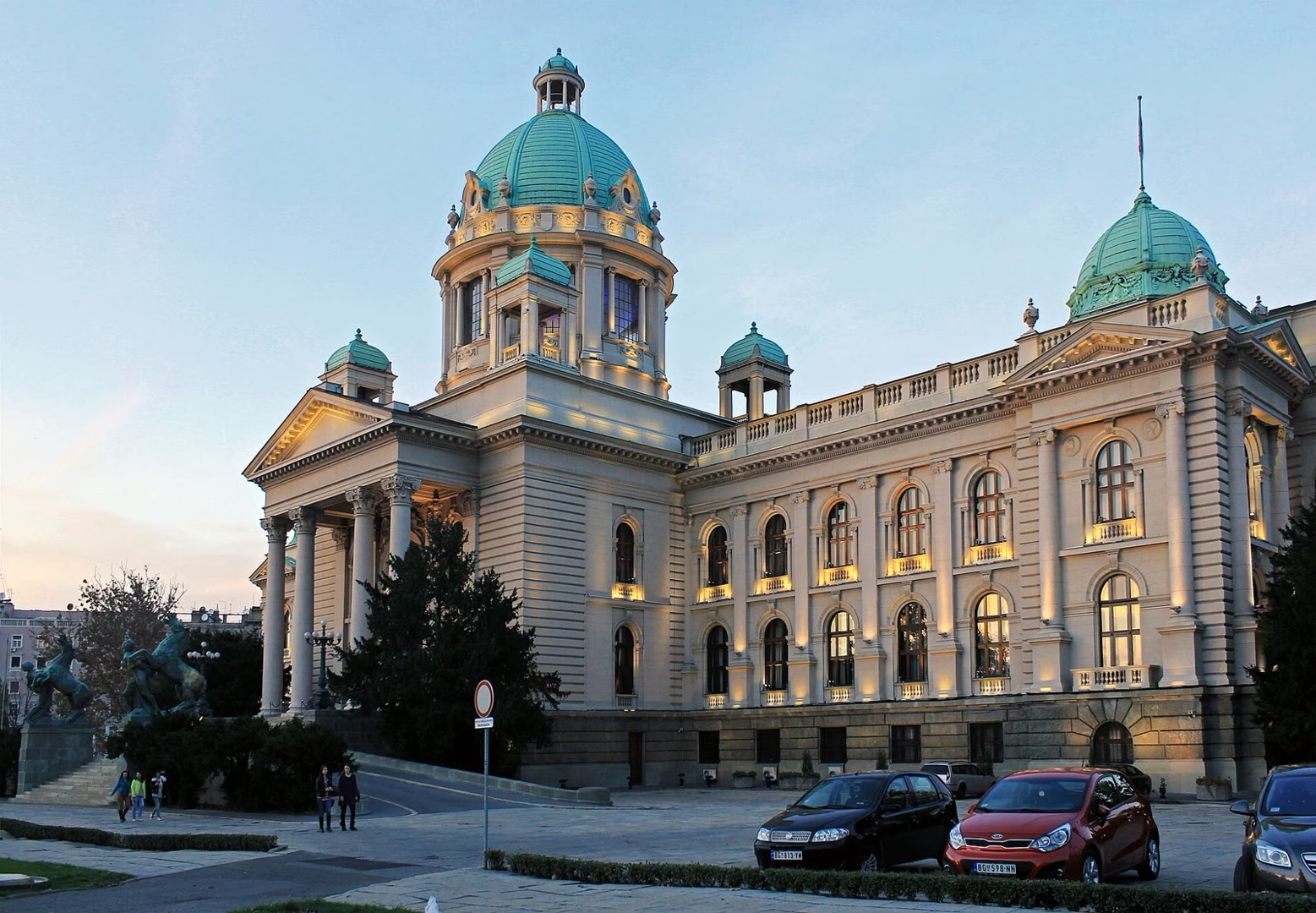
The agreement was signed under a government led by the Serbian Progressive Party (SPP), while the final termination came amid a change of power. In snap elections on October 25, the Student List, which emerged from two years of protests following the collapse of a canopy at a railway station in Novi Sad, won 140 of the 250 seats, while the SPP secured 104. On Tuesday, the new Assembly convened for its constituent session. Aleksandar Vučić, who stepped down as president for the elections, took charge of the parliamentary group of his Serbia Wins party.
Urban planners and heritage conservationists are now calling on the authorities to restore the General Staff ruins and preserve the complex as a public monument. The fate of the site, as well as the completion of the cases against the officials, will be decided by the new government formed by the parliamentary majority.
Cover photo: Wikimedia Commons. Photos: Kremlin.ru; Wikimedia Commons.
Stay Updated with RuskiGazeta
Subscribe to be informed about special news, developments and announcements. We will keep you informed.
By signing up, you agree to our Privacy Policy