- BIST10011,131-3.02%
- USD50.47+0.05%
- EUR55.46+0.20%
- GOLD3,539.00-3.98%
- INTEREST36.00%-1.00
- BITCOIN59,021-4.66%
- November 21, 202616°
- BIST10011,131-3.02%
- USD50.47+0.05%
- EUR55.46+0.20%
- GOLD3,539.00-3.98%
- INTEREST36.00%-1.00
- BITCOIN59,021-4.66%
- November 21, 202616°
UK defence minister: This was a terrible year for Putin as front stagnates
Wes Streeting said at NATO headquarters that Russia’s losses had reached an “unbearable” level and that the war’s economic costs were catastrophic. At the Ramstein meeting, London announced it would provide Kyiv with more than 1,000 air-defence missiles.
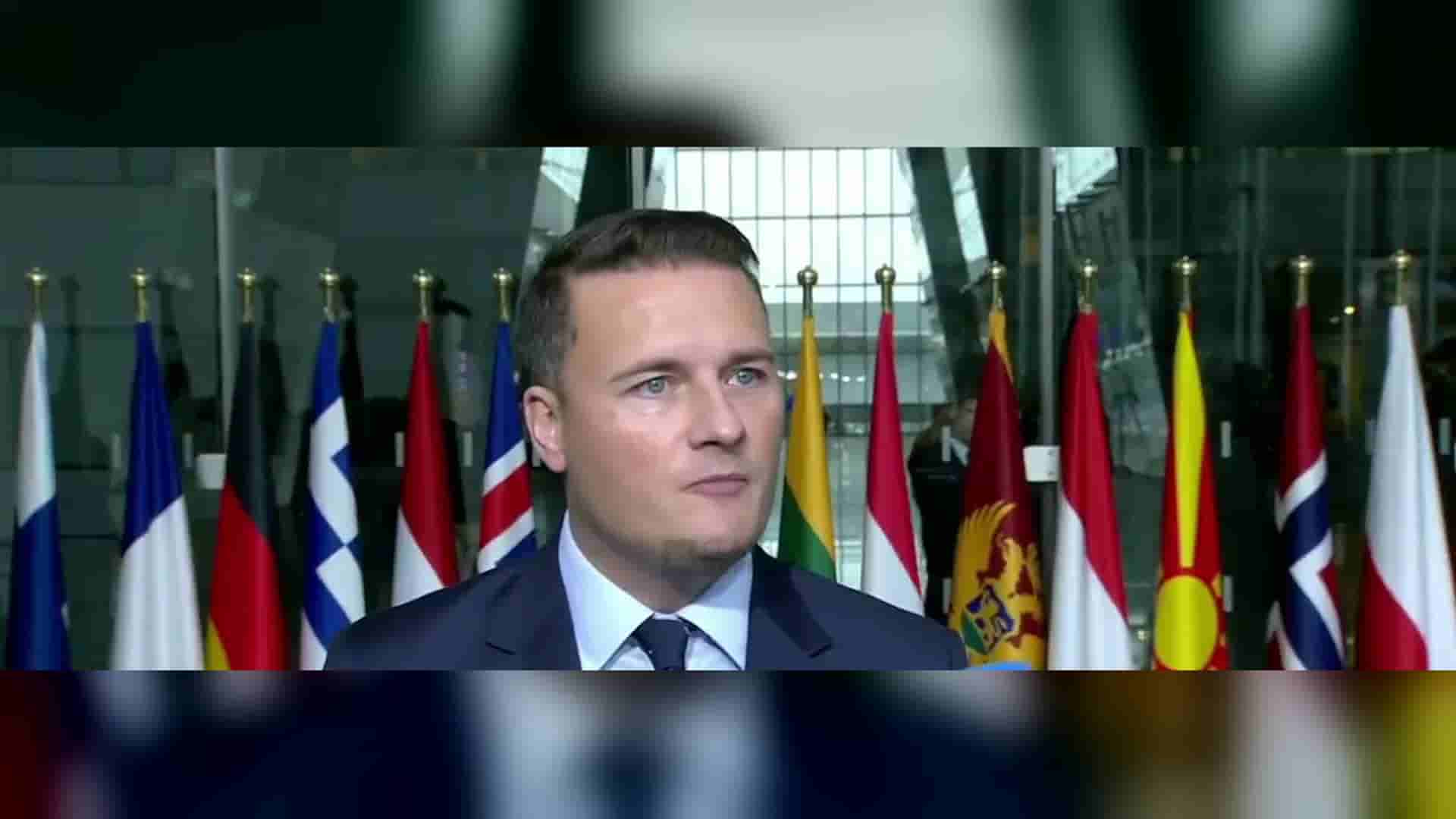
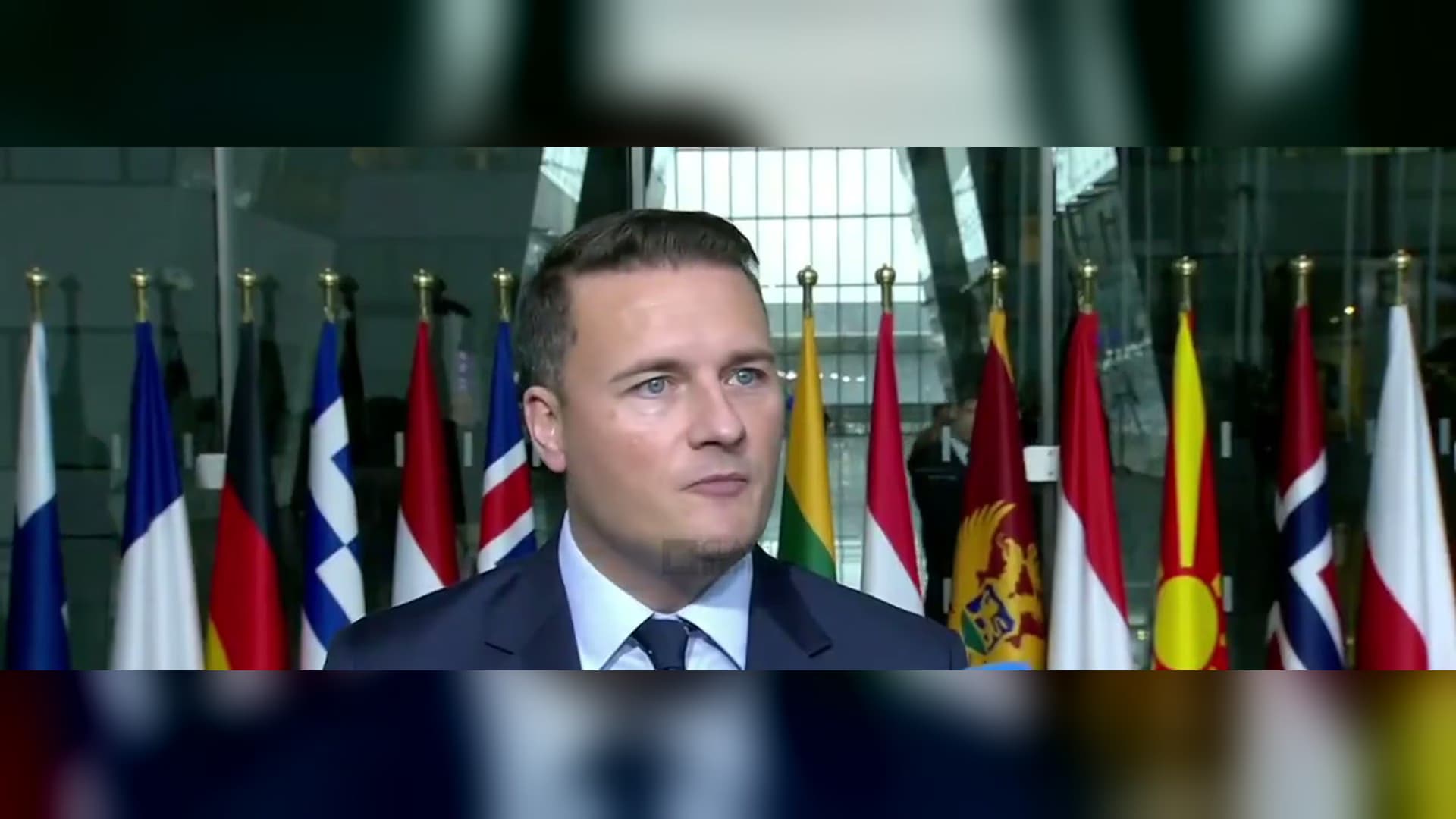
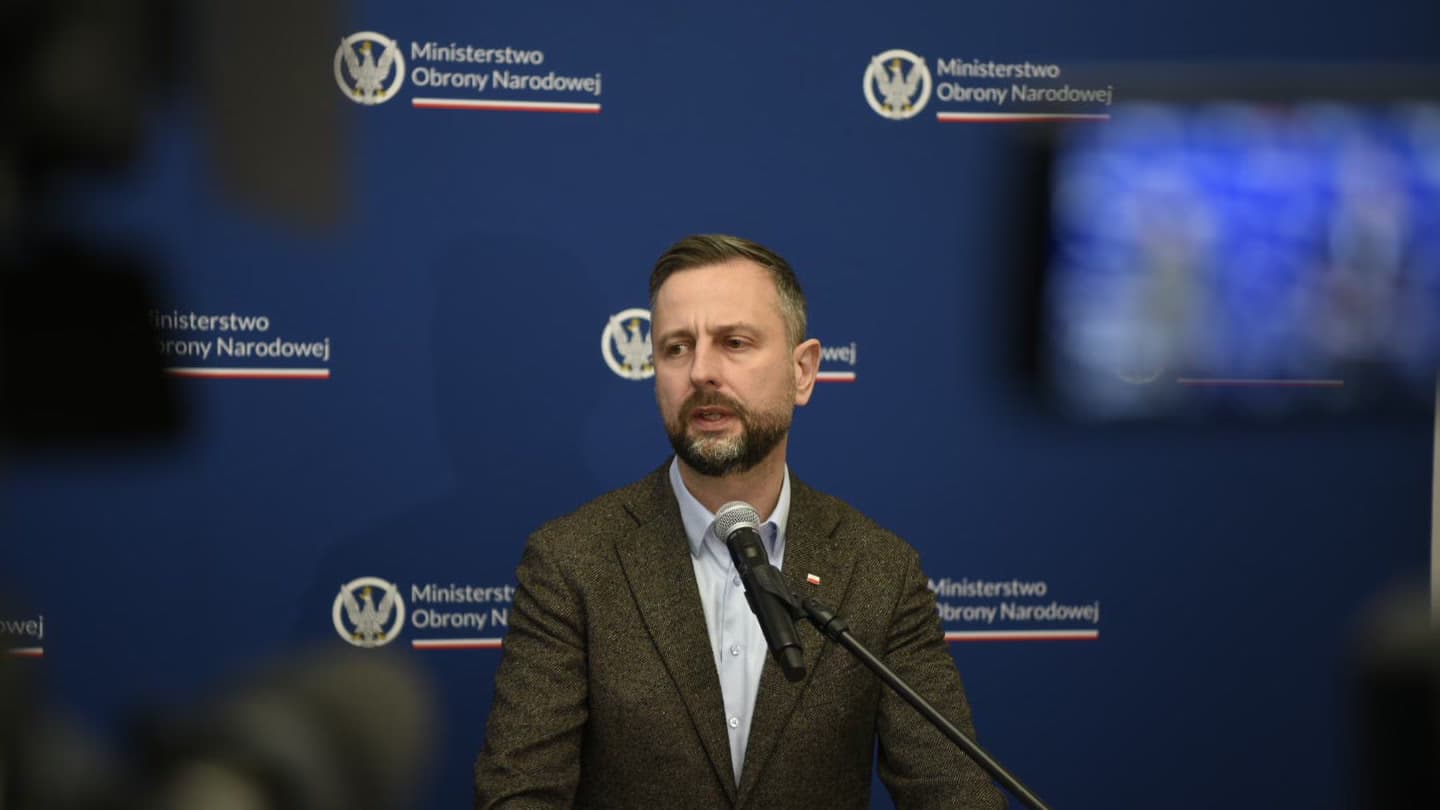
UK Defence Secretary Wes Streeting said the year drawing to a close had been “terrible” for Vladimir Putin. He made the statement on November 17 at NATO headquarters in Brussels ahead of a meeting of the Ukraine Defence Contact Group in the Ramstein format, which he is co-chairing with German Defence Minister Boris Pistorius.
“It has been a terrible year for Vladimir Putin. Russia’s losses have reached an unbearably high level, a direct consequence of his illegal and unnecessary war. The economic costs for his economy and his own people have been catastrophic,” Streeting told journalists in the video. He said all these casualties and expenditures had brought Moscow almost nothing: the front line was not moving, while Ukraine continued to demonstrate “exceptional resilience, courage and ingenuity.”
“An example of Ukrainian ingenuity”
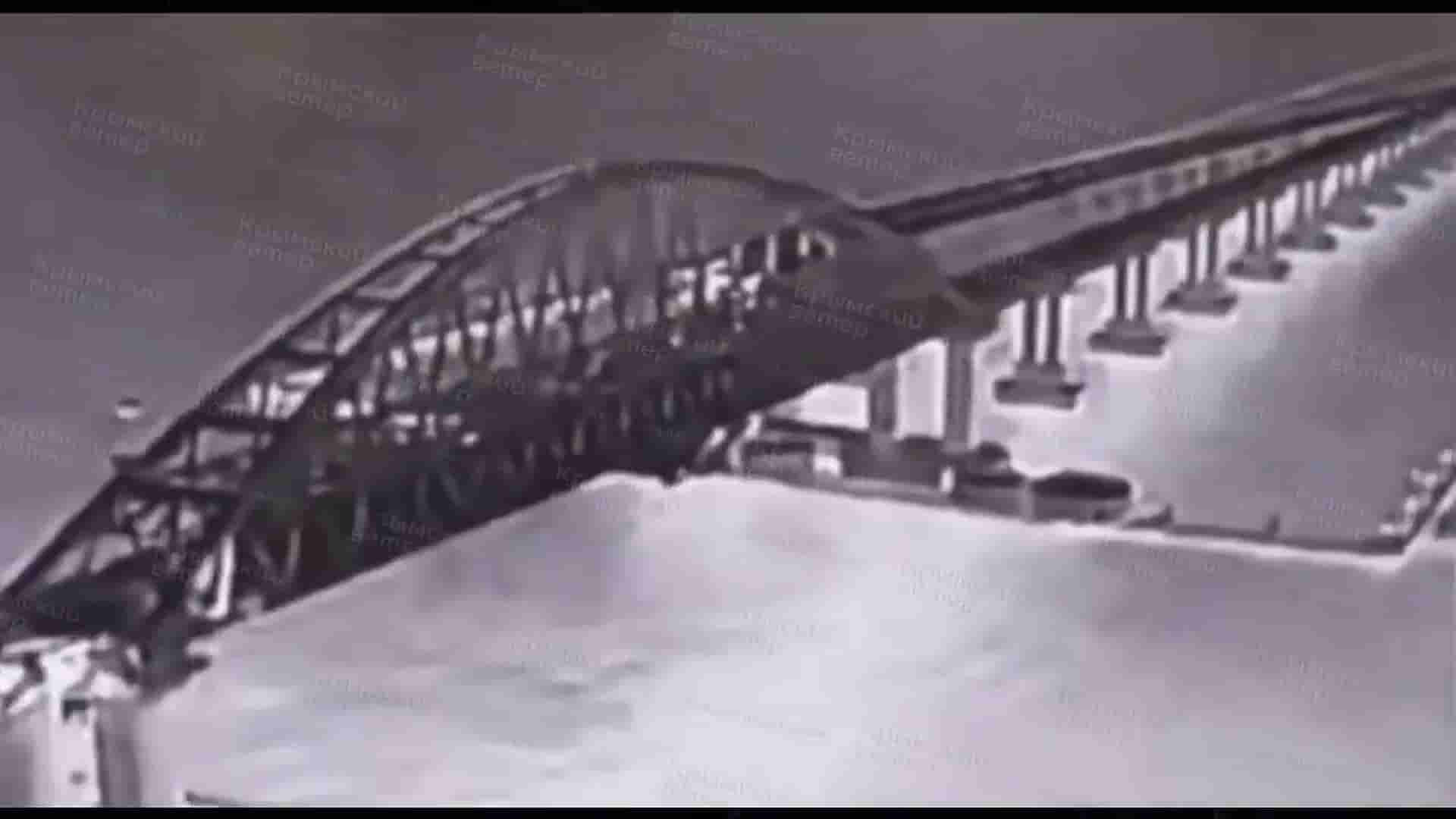
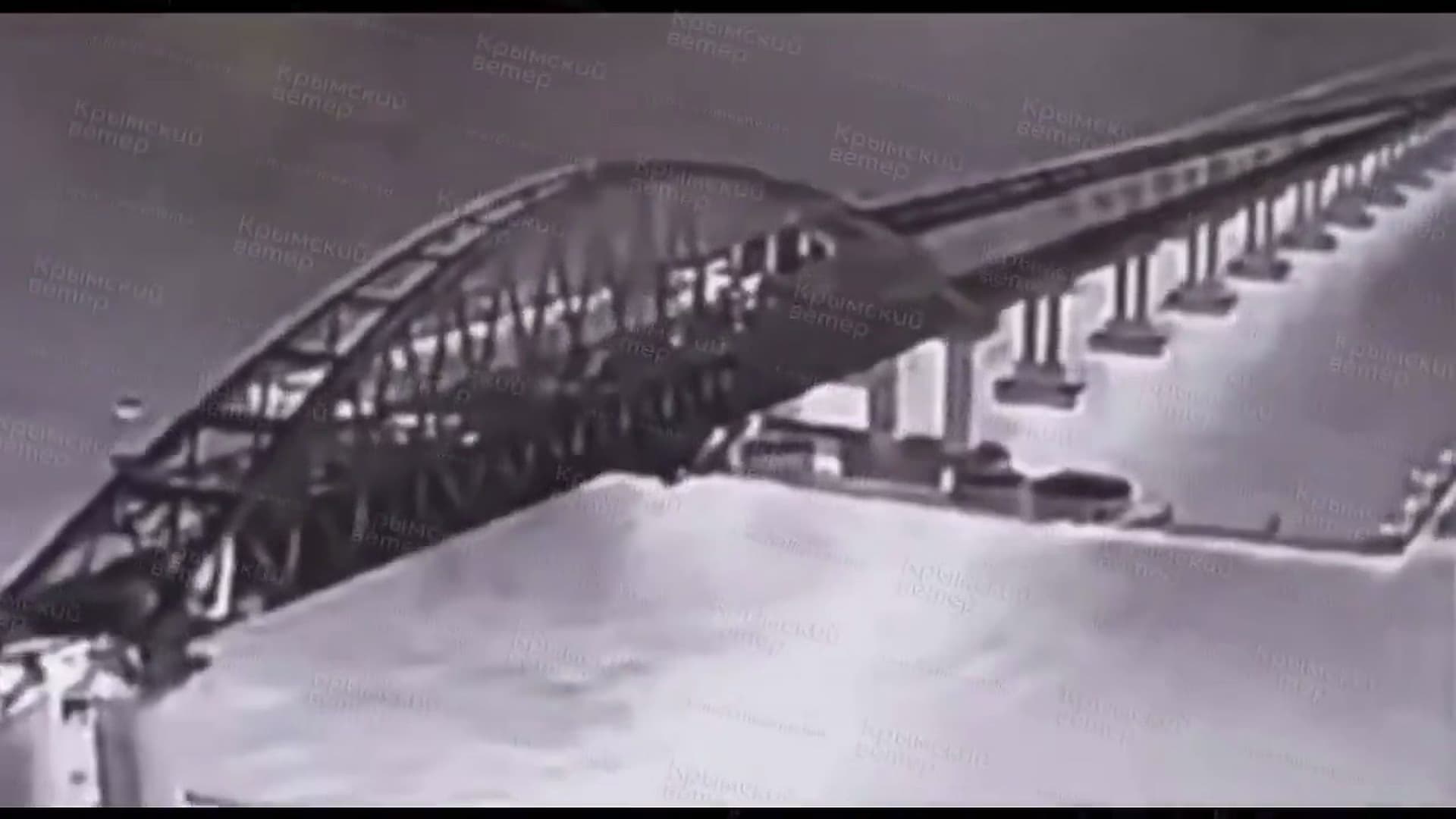
The British minister also commented on Ukrainian strikes against the Crimean Bridge, calling them “another example of Ukrainian ingenuity and absolute determination to defend itself against Russian aggression.” “And we support Ukraine in this,” he added. Russia regards the attacks on the bridge as terrorism: the Investigative Committee opened a criminal case, while the Kremlin assured that the crossing would be restored.
Any agreement to end the war, Streeting said, must serve Ukraine’s interests, and decisions about its future cannot be made without Kyiv’s participation. The minister also urged European countries to take a more active role in shaping the continent’s future security system.
1,000 air-defence missiles by winter
At the Ramstein meeting, Streeting announced a new military aid package for Ukraine worth £240 million. European Pravda reported that it included more than 1,000 short-range air-defence missiles produced by Thales Belfast, launchers and more than a dozen radars, with deliveries starting in mid-December. The package formed part of a £500 million winter aid programme; according to the publication, the remaining measures will be presented by the UK prime minister on November 19 at a meeting of the “coalition of the willing” in Berlin.
In Moscow, such statements have been met with criticism. Russian Foreign Minister Sergey Lavrov said in Manila that same day that Europeans were using “every means, fair and foul” to secure a respite for Ukraine, and recalled that any deployment of so-called stabilisation forces on its territory would mean Europe’s direct entry into the war.
Video: social media.
Stay Updated with RuskiGazeta
Subscribe to be informed about special news, developments and announcements. We will keep you informed.
By signing up, you agree to our Privacy Policy