- BIST10011,131-3.02%
- USD50.47+0.05%
- EUR55.46+0.20%
- GOLD3,539.00-3.98%
- INTEREST36.00%-1.00
- BITCOIN59,042-4.62%
- November 21, 202616°
- BIST10011,131-3.02%
- USD50.47+0.05%
- EUR55.46+0.20%
- GOLD3,539.00-3.98%
- INTEREST36.00%-1.00
- BITCOIN59,042-4.62%
- November 21, 202616°
Public-sector workers and students march in Paris over pay rises
France saw another day of public-sector strikes as unions called for a general pay increase after salaries were frozen for a fourth consecutive year. The Paris march remained peaceful, while police used water cannon and tear gas in Nantes and Rennes.
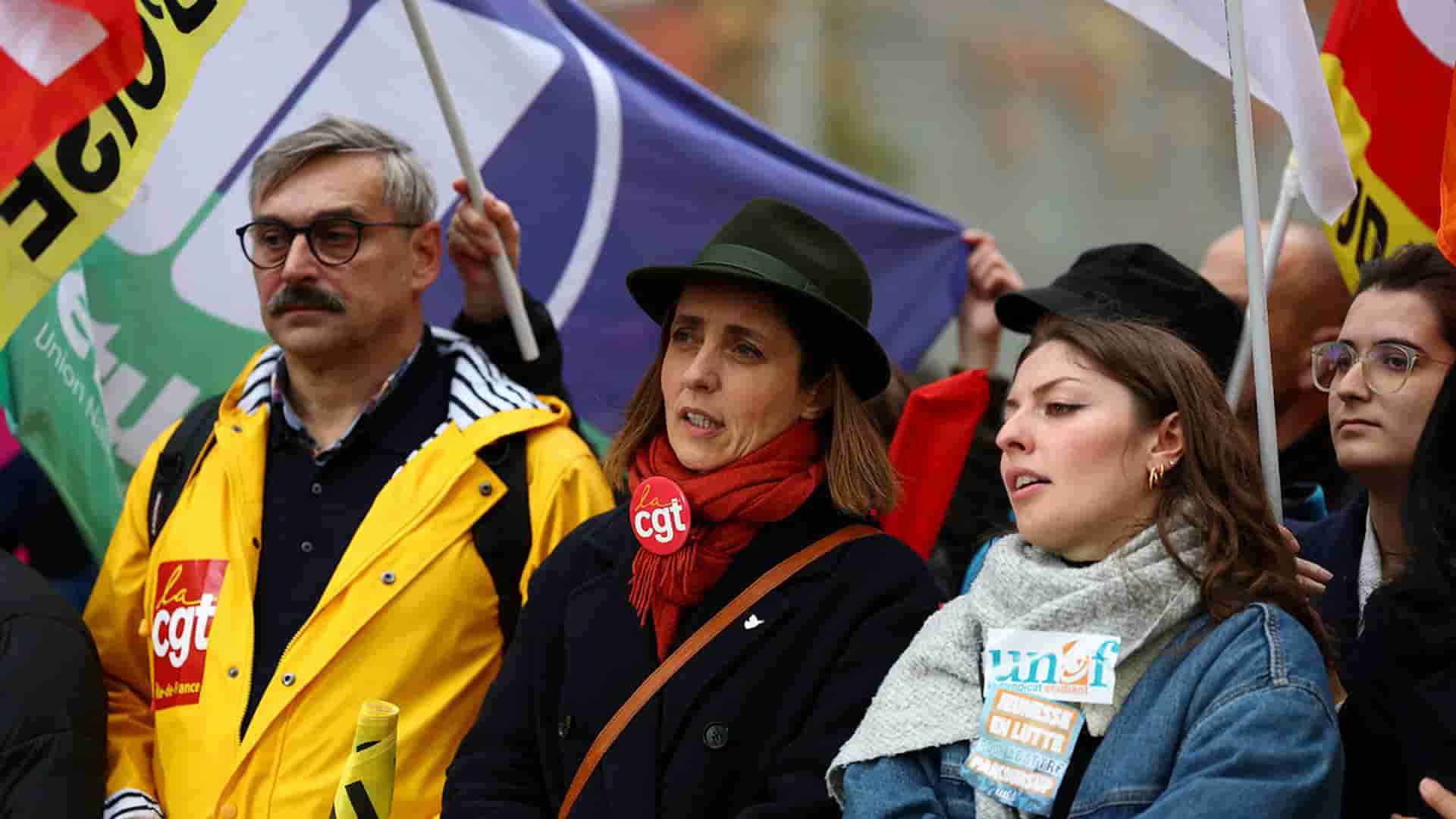
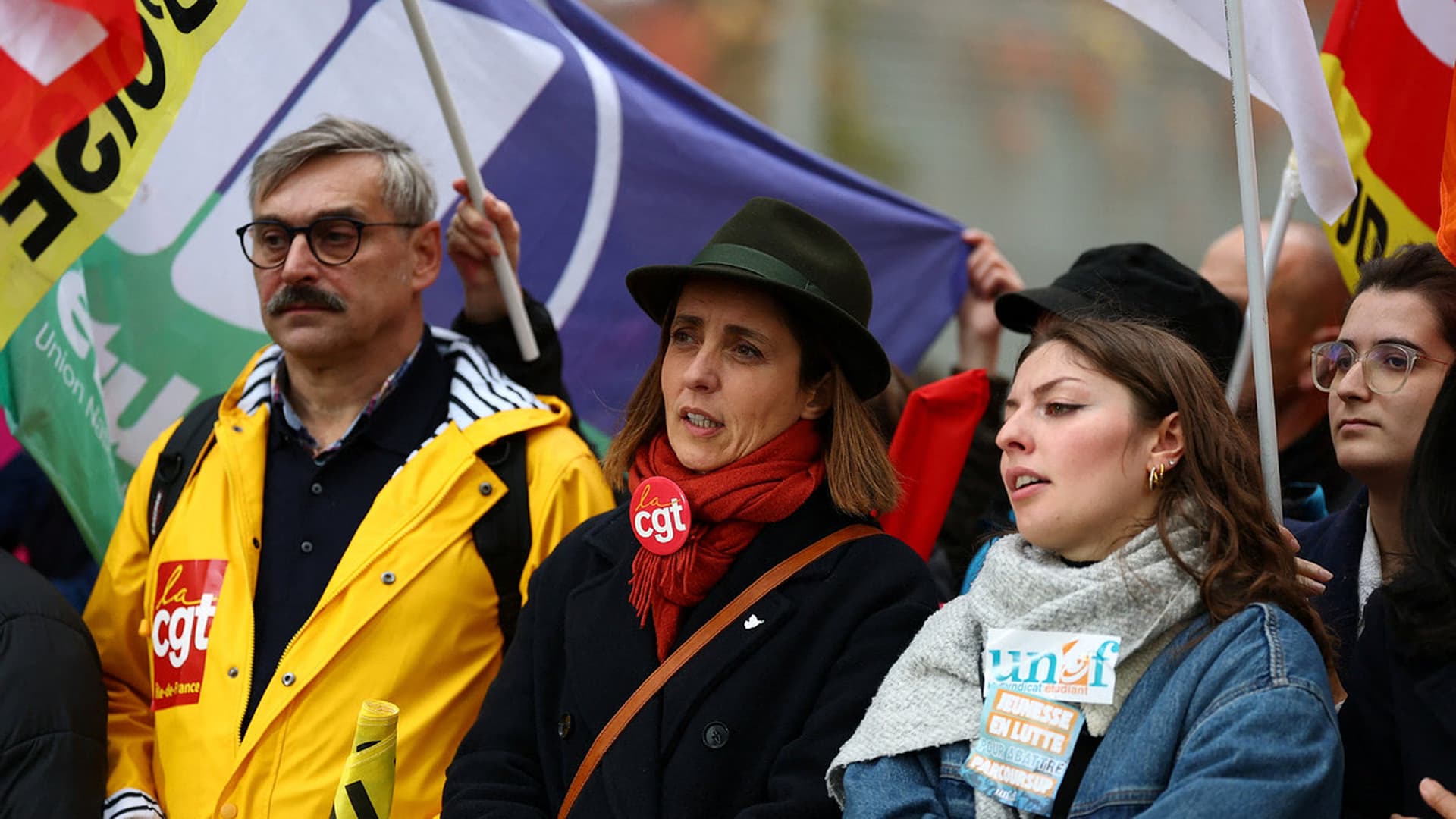
A major demonstration against the rising cost of living began in Paris on Tuesday, November 17. At around 2 p.m. local time, the march set off from Place de la Nation in the east of the capital toward Place d’Italie in the south of the city, RIA Novosti reported. The protest was part of a nationwide strike called by public-sector unions, which are demanding a general pay increase.
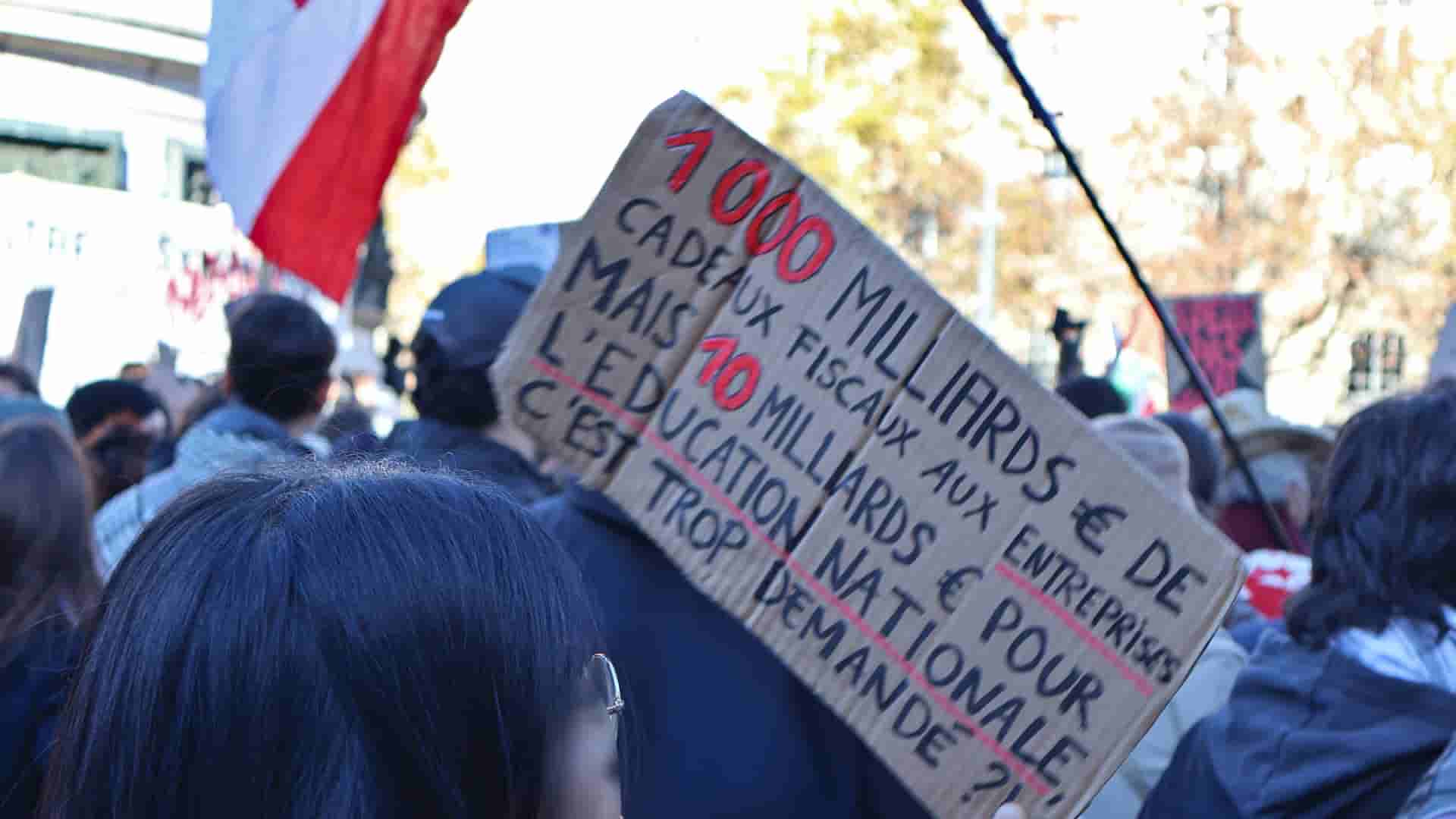
A police source cited by AFP expected between 40,000 and 80,000 participants in Paris and between 220,000 and 300,000 nationwide. School pupils and student organizations joined the march, carrying union flags and placards calling for higher wages and condemning police violence. Sophie Binet, secretary-general of the General Confederation of Labour (CGT), and Manon Moret, head of the UNEF student union, also took part.
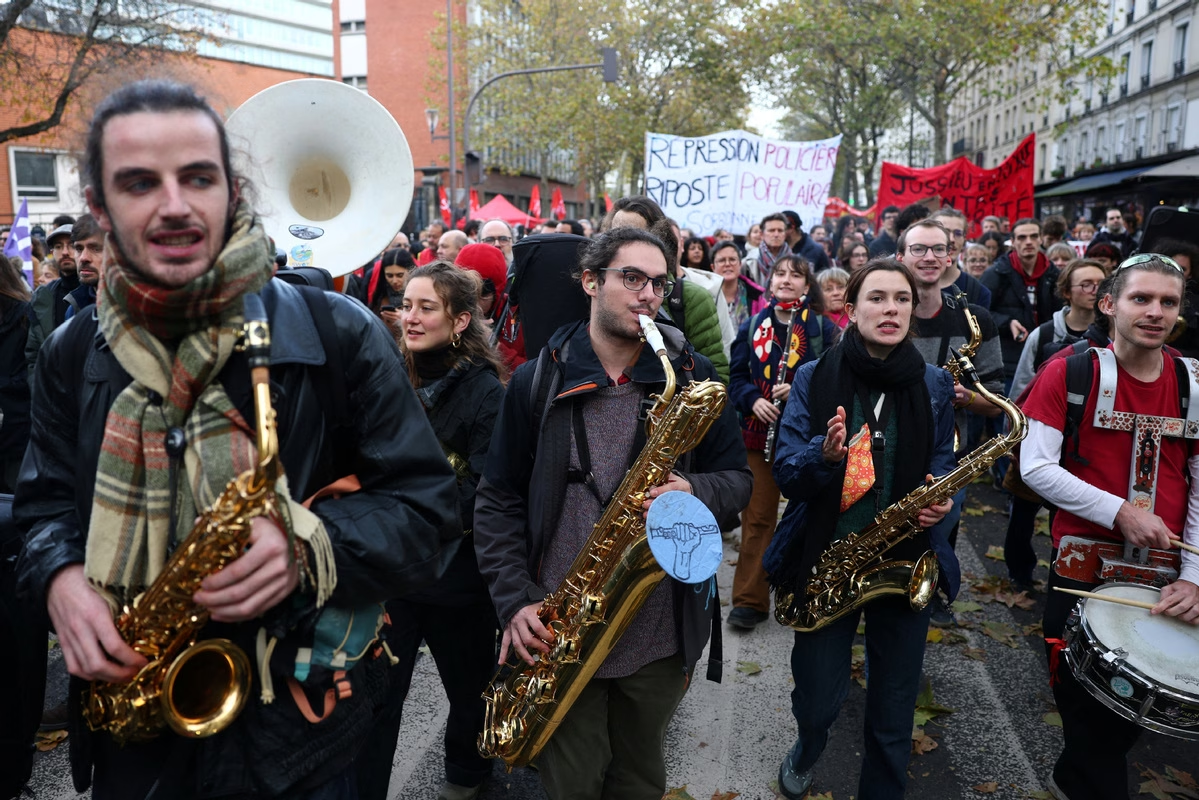
Salaries frozen for a fourth year
Some 5.8 million public-sector workers were called to join the strike. Unions were dissatisfied with their meeting with Prime Minister Sébastien Lecornu on Friday, saying the measures proposed did not address the urgency of the pay situation. Public-sector workers are seeking to unfreeze the index used to calculate base salaries. In its draft 2027 budget, the government has again declined to grant a general pay increase in the public sector, for the fourth consecutive year. According to union calculations, public employees have lost 16% of their purchasing power since 2017, and an increasing number are receiving the minimum wage or a salary close to it.
This was the third nationwide day of action in the public sector since September. Organizers said 1.6 million people took to the streets during the November 5 protest. The Education Ministry said 3.76% of teachers were on strike Tuesday, while the Higher Education Ministry reported disruptions at 27% of universities.
Clashes in Nantes and Rennes
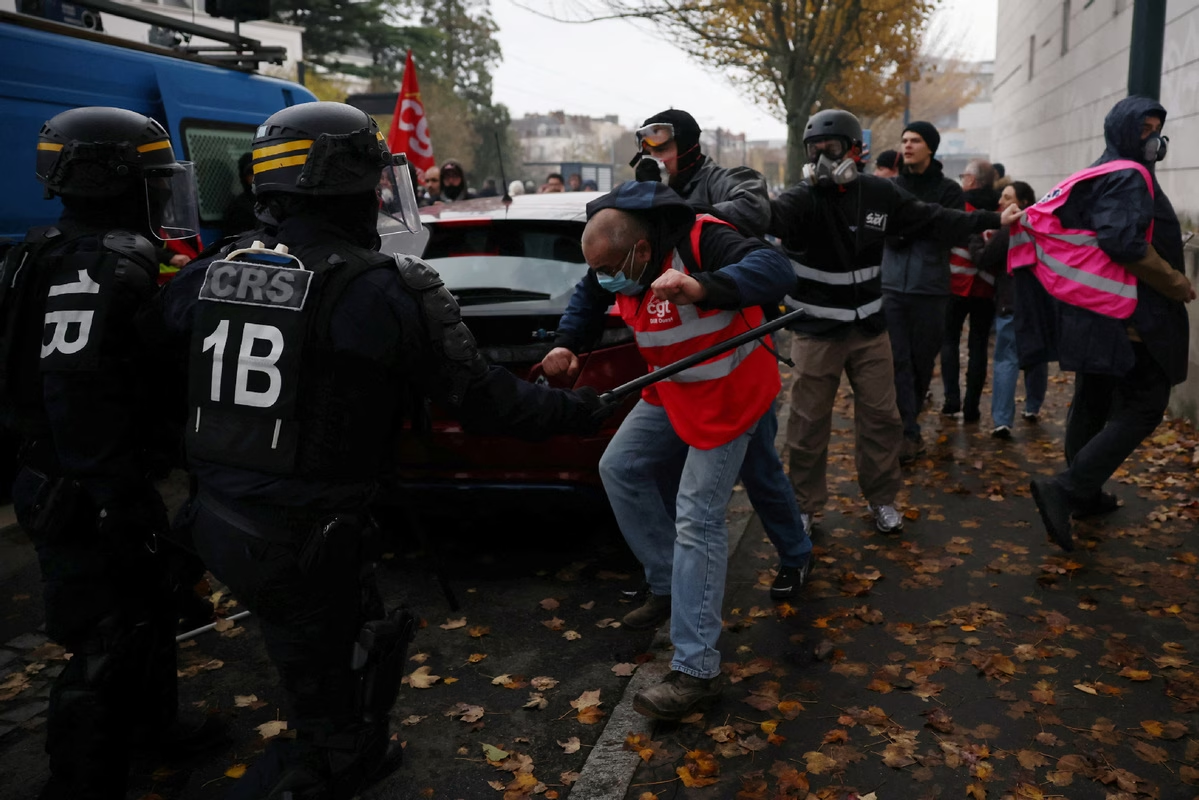
The Paris march proceeded peacefully, Ouest-France reported, but clashes broke out in other cities. In Nantes, police dispersed the rear of the march using a water cannon, tear gas and grenades; one participant was hospitalized with a serious jaw injury. In Rennes, security forces pushed demonstrators back with water cannon and gas, while in Toulouse police ended blockades at several secondary schools. Prefectures said about 5,000 people took part in Marseille and Toulouse, while unions put the figures at 80,000 and 20,000, respectively. Journalists observed that by midday the marches generally appeared less crowded than during previous protests.
The protests, which began more than a month ago with blockades at secondary schools, brought together unions, students and the “yellow vests.” Paris authorities restricted undeclared gatherings near several schools and universities and temporarily banned the sale of firecrackers. The new wave of discontent coincided with preparations for the 2027 budget, which the government is adopting under pressure to reduce the deficit, and with the approach of the presidential election. Opinion poll leader Marine Le Pen promised Tuesday that she would repeal Emmanuel Macron’s pension reform if elected, Reuters reported.
Photo: news agencies.