- BIST10011,483+1.32%
- USD50.07+0.05%
- EUR55.96-0.52%
- GOLD4,120.90+1.13%
- INTEREST36.00%-1.00
- BITCOIN74,058-0.89%
- November 9, 20264°
- BIST10011,483+1.32%
- USD50.07+0.05%
- EUR55.96-0.52%
- GOLD4,120.90+1.13%
- INTEREST36.00%-1.00
- BITCOIN74,058-0.89%
- November 9, 20264°
Russia's Foreign Ministry again urges citizens to avoid travel to Iran
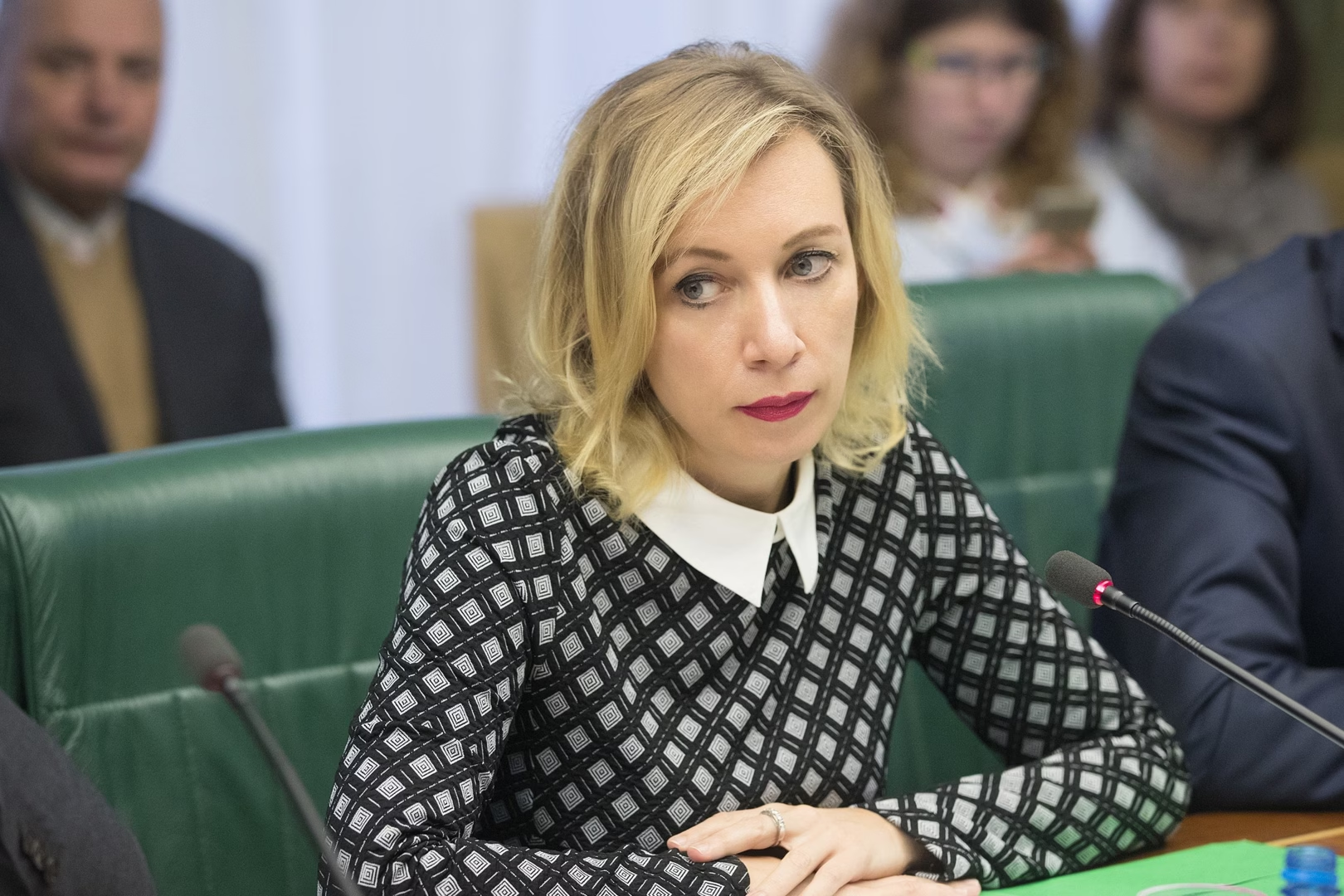
Russian Foreign Ministry spokesperson Maria Zakharova said recommendations for citizens remain unchanged due to continuing risks of a new escalation around Iran. Russians already in the country are advised to avoid mass gatherings and refrain from filming military and infrastructure facilities.
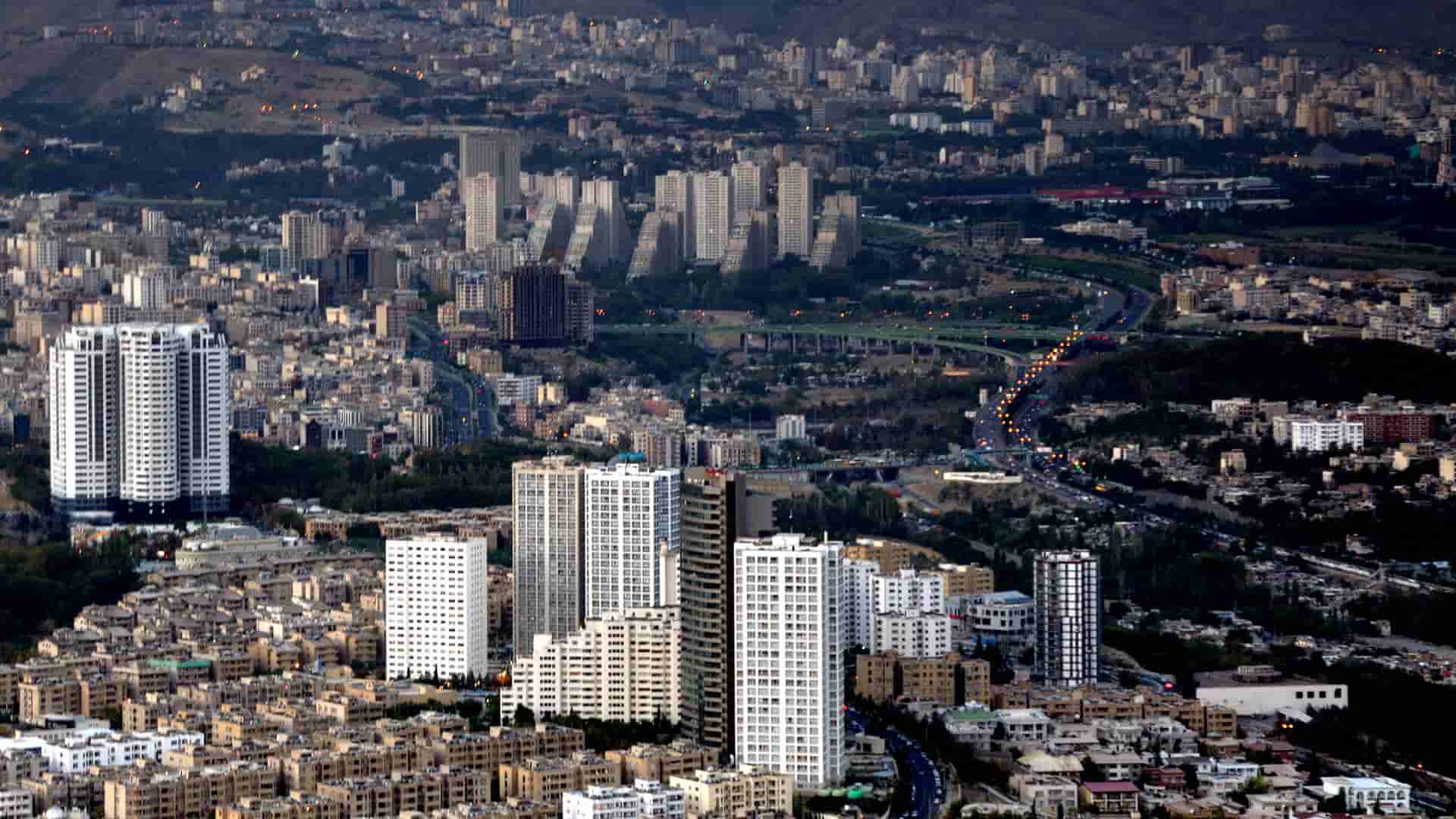
Russia's Foreign Ministry continues to advise citizens against traveling to Iran. The ministry's spokesperson, Maria Zakharova, made the statement at a briefing in Moscow on Thursday, November 5. “Given the continued risks of a new escalation around Iran, the recommendations for Russian citizens remain unchanged. As before, we recommend temporarily refraining from traveling to this country until the situation is resolved,” RIA Novosti and Vedomosti quoted her as saying.
The Foreign Ministry advises those already in Iran to remain vigilant, avoid crowds, mass events and areas near military and government facilities, and follow the instructions of local authorities. Zakharova also issued a specific warning about filming: she said it was “categorically not recommended” to photograph or record critical, transport, energy and, especially, military infrastructure facilities. The Russian side, the diplomat added, is closely monitoring developments.
Recommendation has been in effect since spring
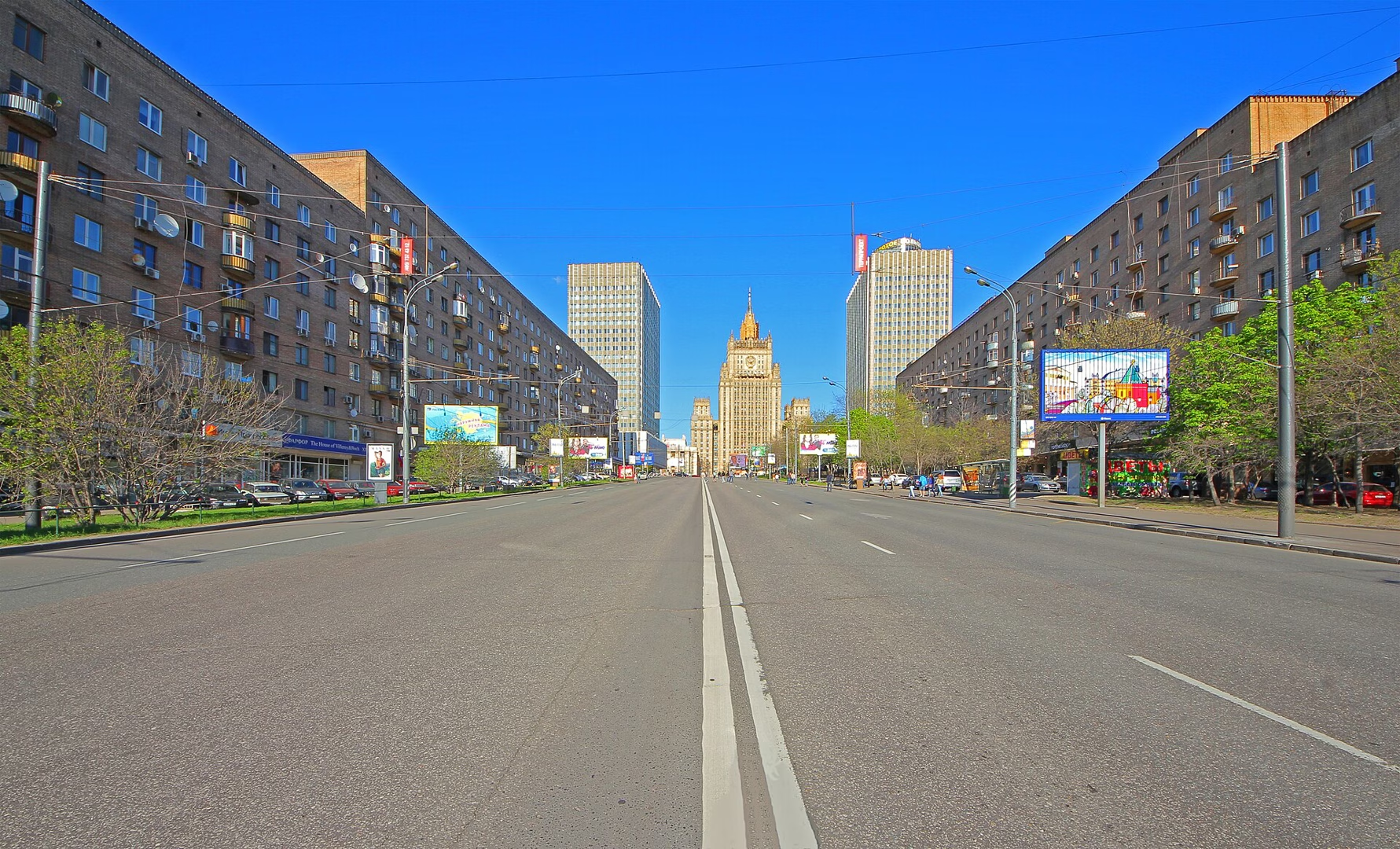
Zakharova did not announce a formal travel ban: the ministry describes it as a temporary recommendation that remains in effect until the situation is resolved. The Foreign Ministry first issued such an appeal on March 1, the day after the US and Israel began strikes on Iran. At the time, Russians in Iran and Israel were advised, if possible, to move to safer areas or neighboring countries, while others were urged not to travel there until the situation returned to normal.
Earlier, on January 15, the Ministry of Economic Development, which oversees the tourism industry, advised Russians to refrain from tourist trips to Iran “until further official notices,” citing the worsening security situation. Tour operators were then asked to convey the information to all clients. Aeroflot flights to Tehran have still not resumed, according to the latest information: in September, the company's CEO, Sergey Aleksandrovsky, told journalists at the Eastern Economic Forum, “We are not planning to fly to Iran for now; there is no possibility.”
Changes to the ministry's recommendations can be tracked on the websites of the Foreign Ministry and Russian diplomatic missions, as well as through the Assistant Abroad mobile app. In its January appeal, the Ministry of Economic Development advised tourists in Iran to follow local news, comply with the authorities' instructions and treat unverified information, including information from social media, with caution.
On the day of Rezaei's visit
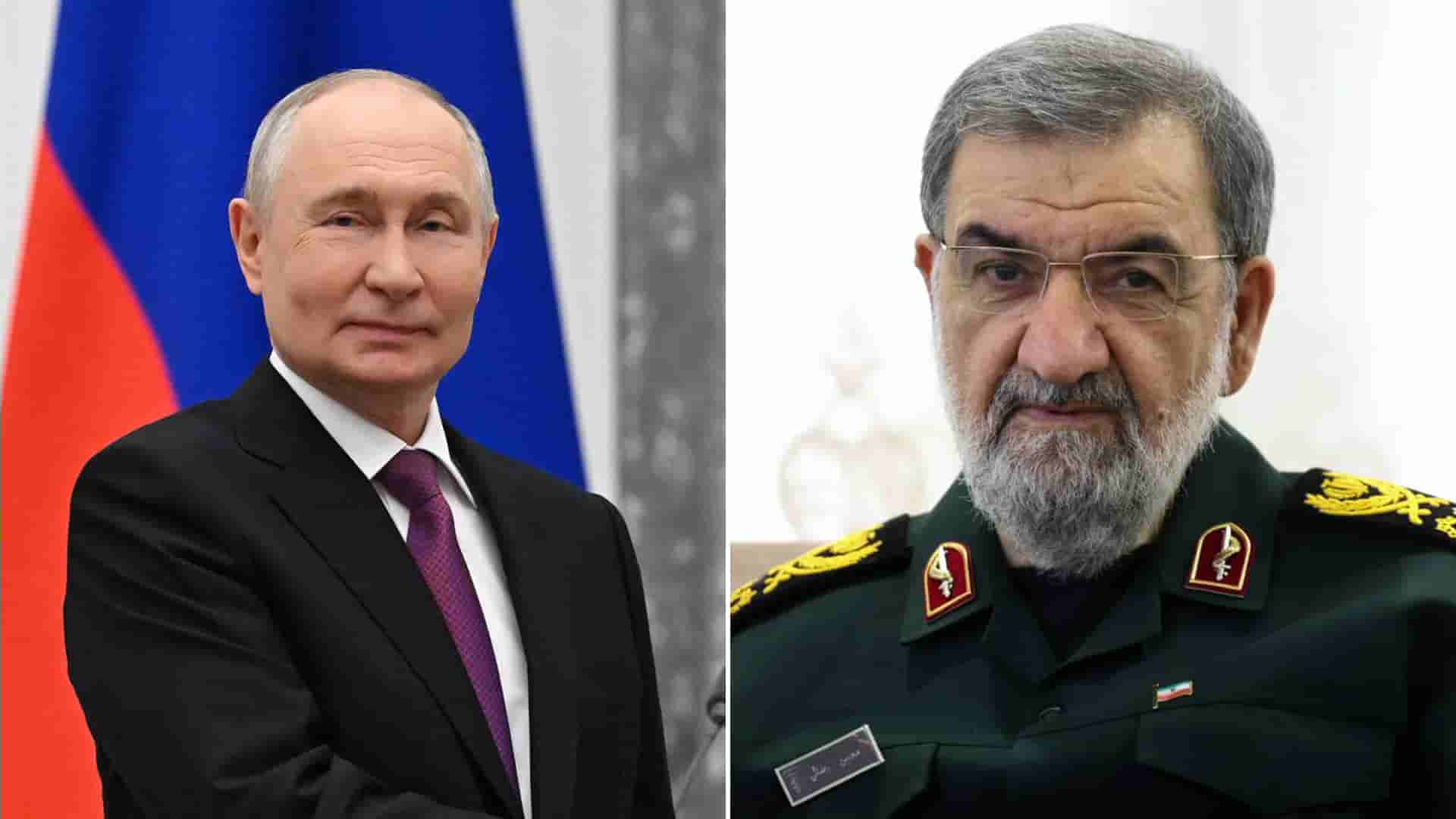
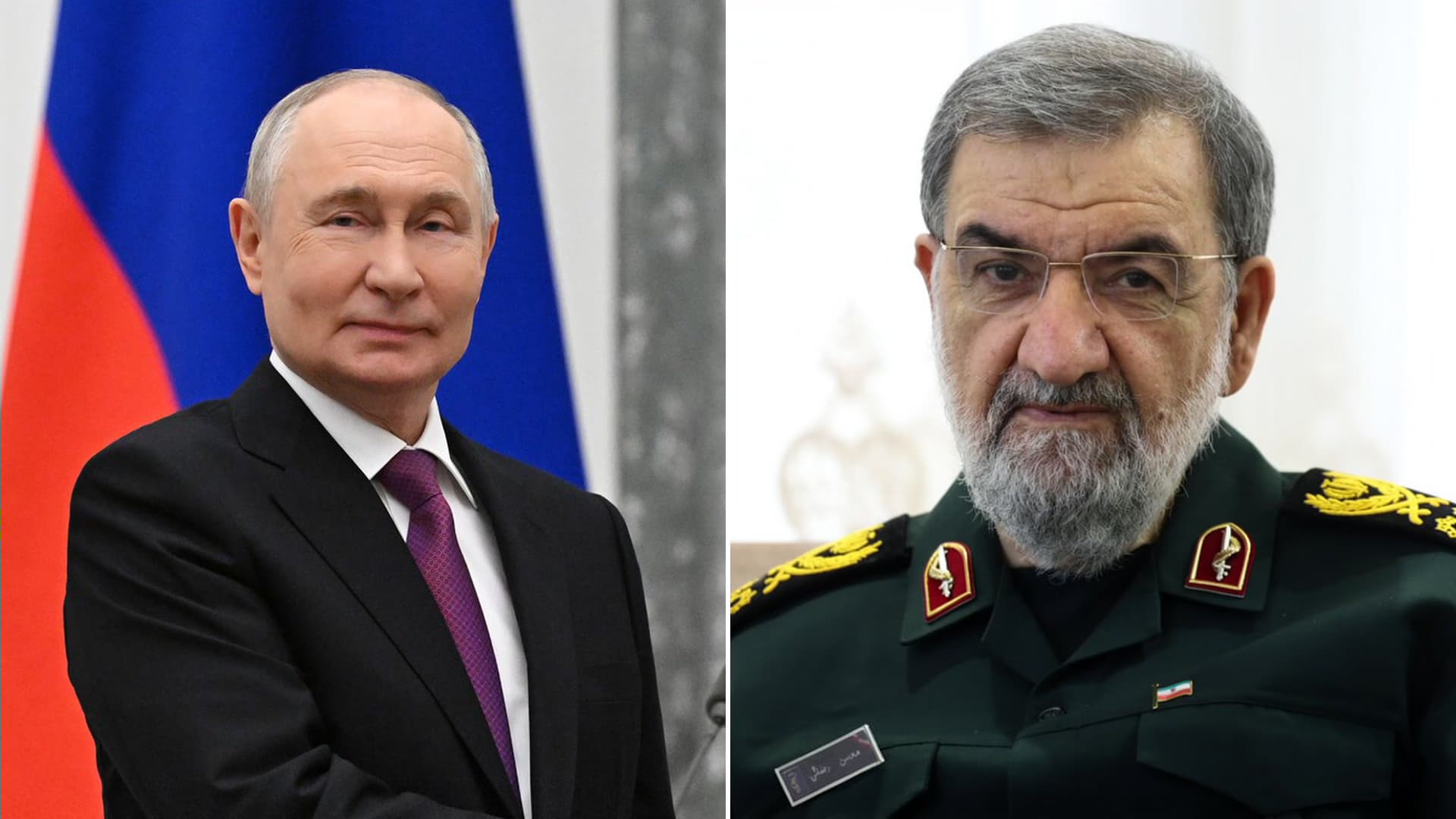
The statement came on the same day that Vladimir Putin received Mohsen Rezaei, secretary of Iran's Supreme National Security Council, at the Kremlin. Zakharova did not link the recommendation to the meeting, while her wording, “as before,” indicates that the existing position is being maintained rather than a new decision being made.
The situation around Iran remains tense. The war in the Middle East began on February 28, and a ceasefire was announced in April, but the United States continues its naval blockade of Iranian ports. According to Axios, cited by Vedomosti, US forces are completing preparations for a possible resumption of military operations and are deploying additional forces to the region. At the same time, Qatari mediators are working on an agreement that could prevent an escalation and pave the way for direct talks between Washington and Tehran.
Photo: Simisa / Wikimedia Commons (CC BY-SA 3.0), A.Savin / Wikimedia Commons (CC BY-SA 3.0), Federation Council / Wikimedia Commons (CC BY 4.0)
Stay Updated with RuskiGazeta
Subscribe to be informed about special news, developments and announcements. We will keep you informed.
By signing up, you agree to our Privacy Policy