- BIST10011,483+1.32%
- USD50.07+0.05%
- EUR55.96-0.52%
- GOLD4,120.00+1.11%
- INTEREST36.00%-1.00
- BITCOIN74,273-0.60%
- November 9, 20264°
- BIST10011,483+1.32%
- USD50.07+0.05%
- EUR55.96-0.52%
- GOLD4,120.00+1.11%
- INTEREST36.00%-1.00
- BITCOIN74,273-0.60%
- November 9, 20264°
Putin awards Pushkin Medal to Bismarck descendant: ‘Friends, not foes’
On November 4, Vladimir Putin presented Alexander von Bismarck with the Pushkin Medal at the Kremlin. The descendant of the first chancellor of the German Empire and founder of the Russian-German Bismarck Dialogue project said in German that he would explain in Germany why it is important for the two countries to remain friends.
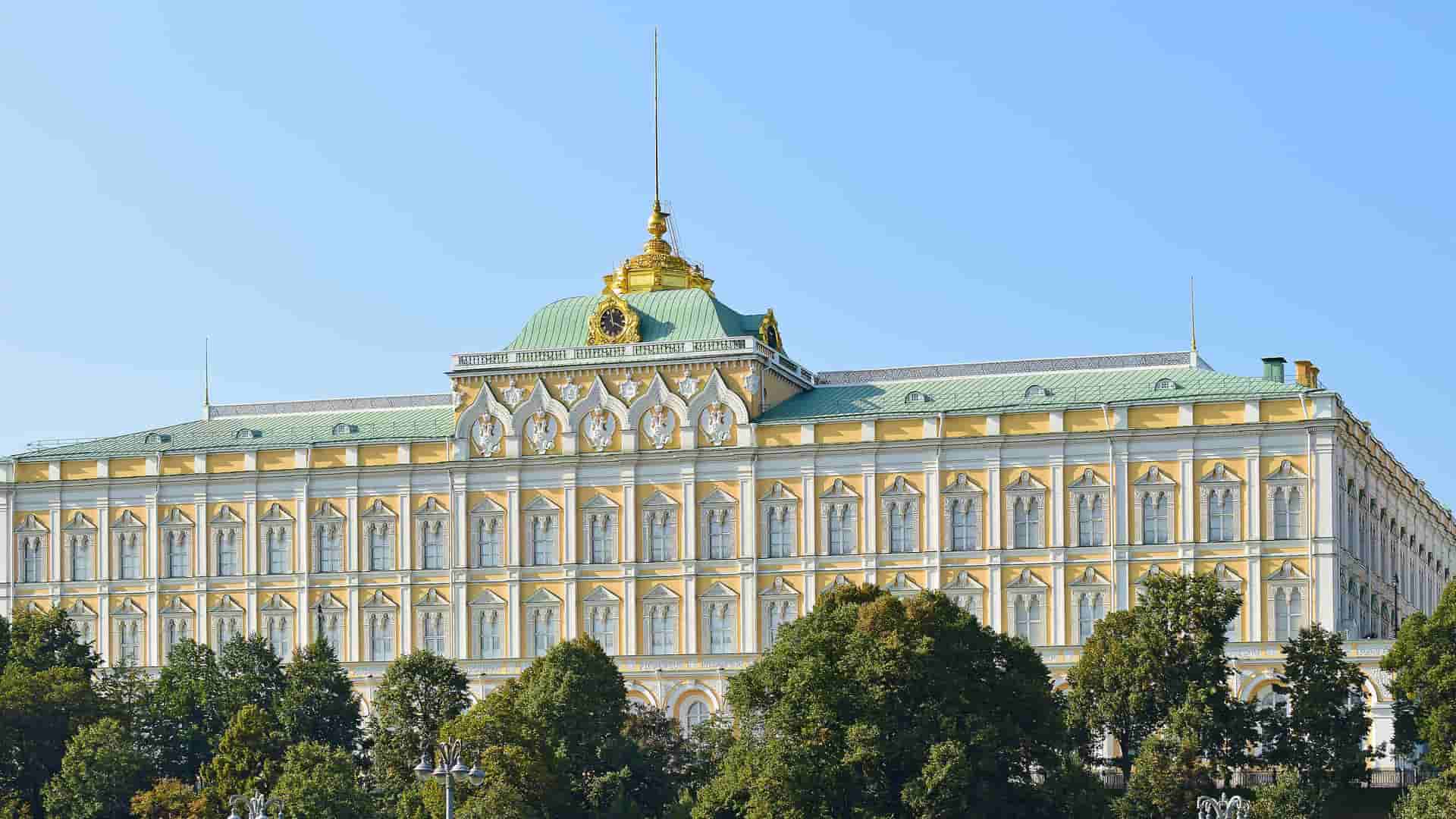
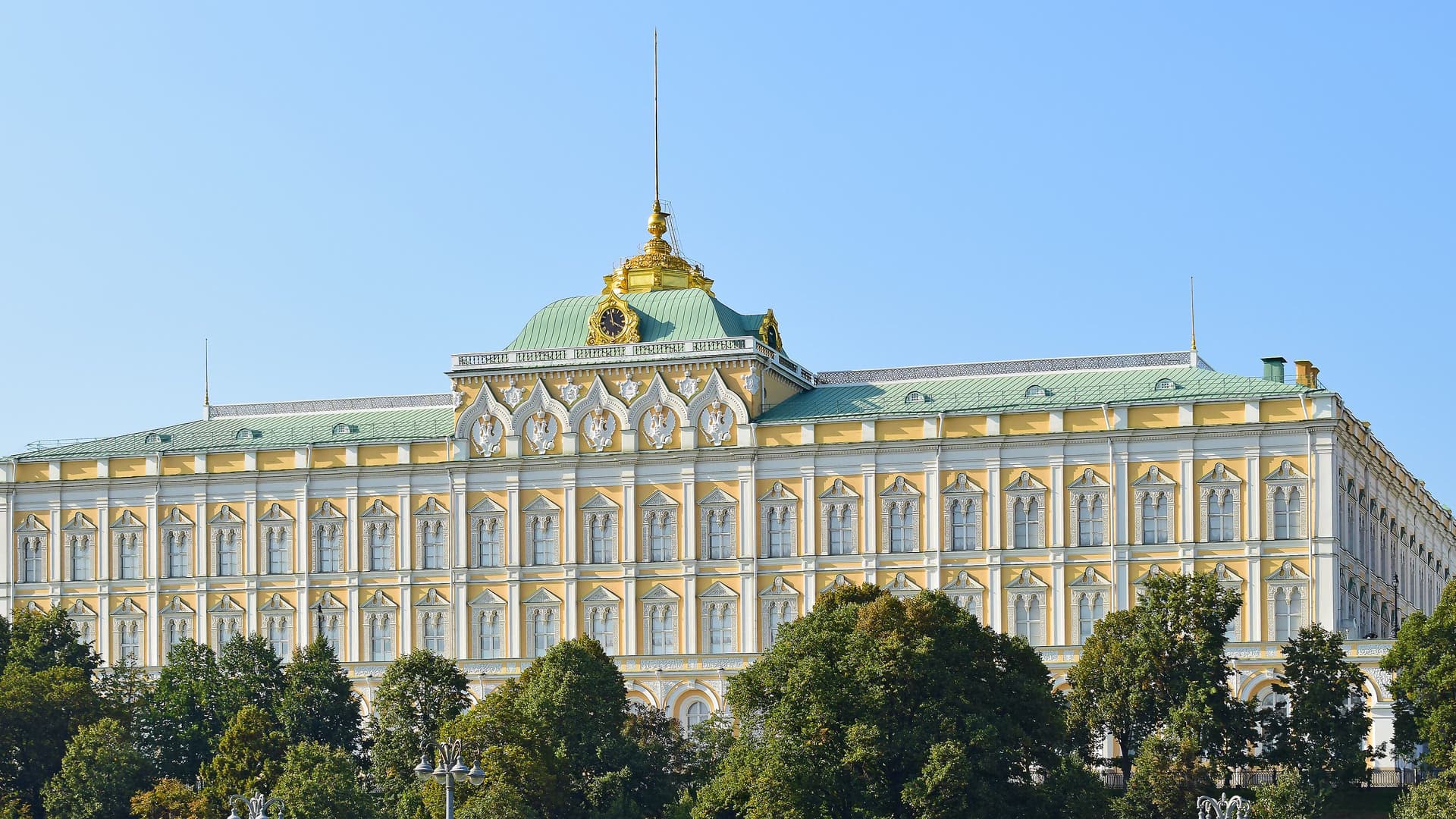
Russian President Vladimir Putin presented Alexander von Bismarck with the Pushkin Medal on Wednesday, November 4. The descendant of Otto von Bismarck, the first chancellor of the German Empire, received the award at a ceremony in the Catherine Hall of the Kremlin held on National Unity Day. The medal was awarded for his significant contribution to preserving and promoting Russian culture abroad, RIA Novosti reports.
Von Bismarck is the founder of the public Russian-German Bismarck Dialogue project. He created it after the German side closed the Petersburg Dialogue forum, established in 2001 at the initiative of Vladimir Putin and Gerhard Schröder. According to its founder, the new project aims to maintain personal ties on an equal footing and strengthen friendship between the peoples of the two countries.
Footage from the Kremlin pool published by RIA Novosti shows von Bismarck delivering a speech of thanks with the medal on his chest while Putin listens standing. The laureate spoke in German, and the president, who is fluent in the language, did not need an interpreter. “I am very happy to be here today, in the Kremlin, on this day, as a German,” von Bismarck said. He recalled the words of his famous ancestor: “When Germany and Russia are friends, Europe is well too.”
“I will return and tell people in Germany how important it is that we remain friends, not enemies, in the future as well,” he added. Von Bismarck said he was proud that his work had been recognized in Russia and hoped the award would help the project’s participants reunite more quickly.
Who is Alexander von Bismarck?
Alexander von Bismarck is an entrepreneur and publicist who previously served as a local politician for the Christian Democratic Union (CDU) in Altmark, Saxony-Anhalt. German media describe him as a distant relative of the “Iron Chancellor.” In Germany, he is known as a supporter of maintaining contacts with Russia despite the conflict in Ukraine. The German press has also written about his links to the Alternative for Germany and Sahra Wagenknecht Alliance parties; in June, he accompanied two BSW members of the European Parliament on a trip to Moscow.
Otto von Bismarck himself served as Prussia’s envoy in St. Petersburg from 1859 to 1862 and was regarded as a supporter of good-neighborly relations with Russia. His statements on Russian-German ties are still frequently quoted in both countries.
Other laureates
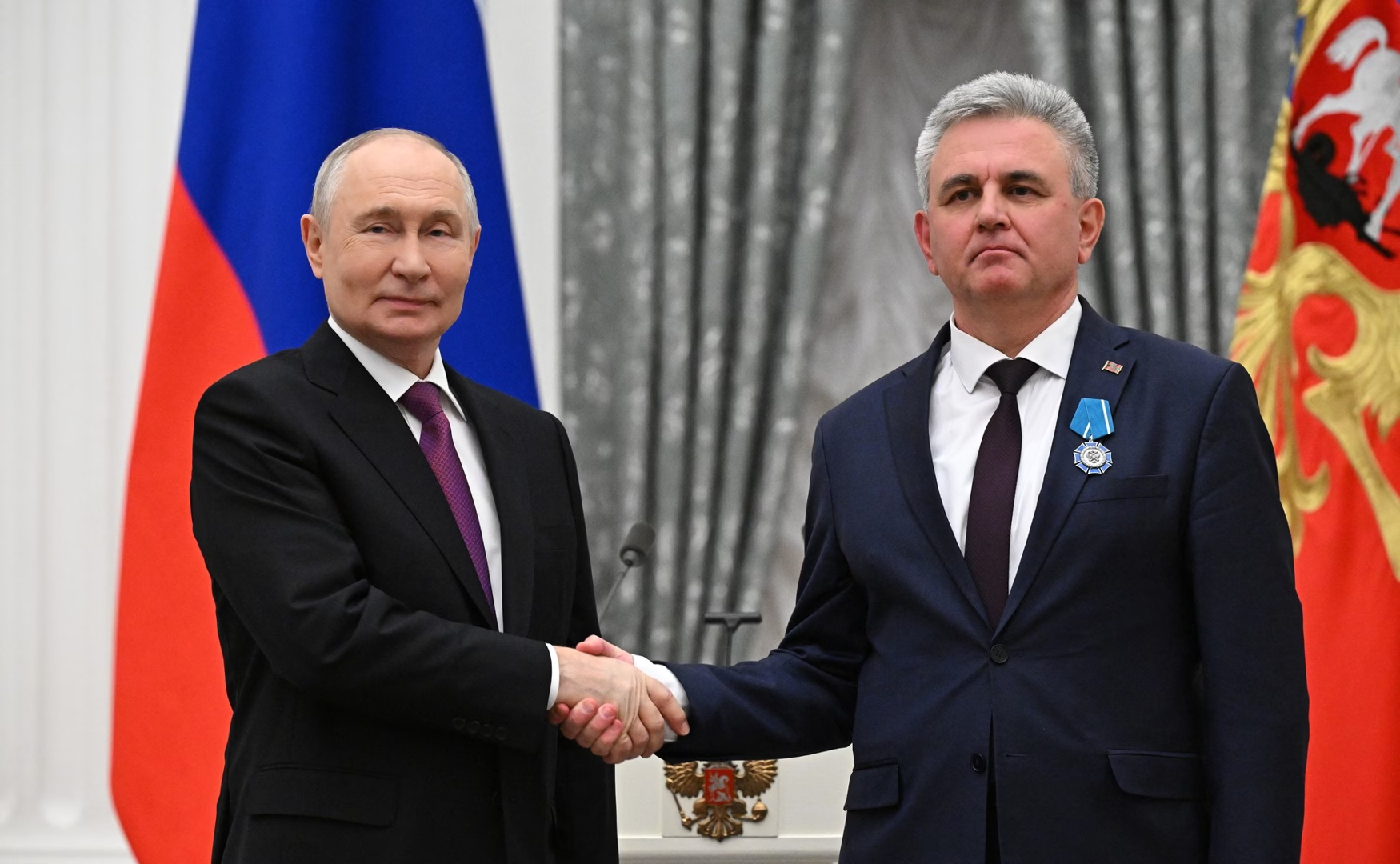
Other foreigners also received Pushkin Medals that day: Carolina Gaspar Ramirez, director of the Mexico–Russia Cultural Center; Kim Jong-a, chief executive of the South Korean company Space Nal; Momodu Lamin Manga, Russia’s honorary consul in Gambia; Draga Mastilovich, minister of scientific and technological development and higher education of Republika Srpska; and Archpriest Alexander Romanchuk, chairman of the Synodal Historical Commission of the Belarusian Exarchate. The Order of Friendship was awarded to Ennio Bordato, head of the Italian charitable organization Help Save Children, while the Order of Honor went to Transnistrian leader Vadim Krasnoselsky.
The Pushkin Medal was established in 1999. It is awarded for achievements in culture and the arts, preserving historical heritage, bringing peoples closer together and promoting Russian literature abroad. Speaking at the ceremony, Putin recalled that 2026 had been declared the Year of the Unity of the Peoples of Russia and proposed that this work not end on December 31. He instructed the government and the presidential administration to prepare proposals for continuing it.
Video: RIA Kremlin Pool. Photo: Юрий Д.К. / Wikimedia Commons (CC BY 4.0), Сергей Бобылев / Kremlin.ru (CC BY 4.0)
Stay Updated with RuskiGazeta
Subscribe to be informed about special news, developments and announcements. We will keep you informed.
By signing up, you agree to our Privacy Policy