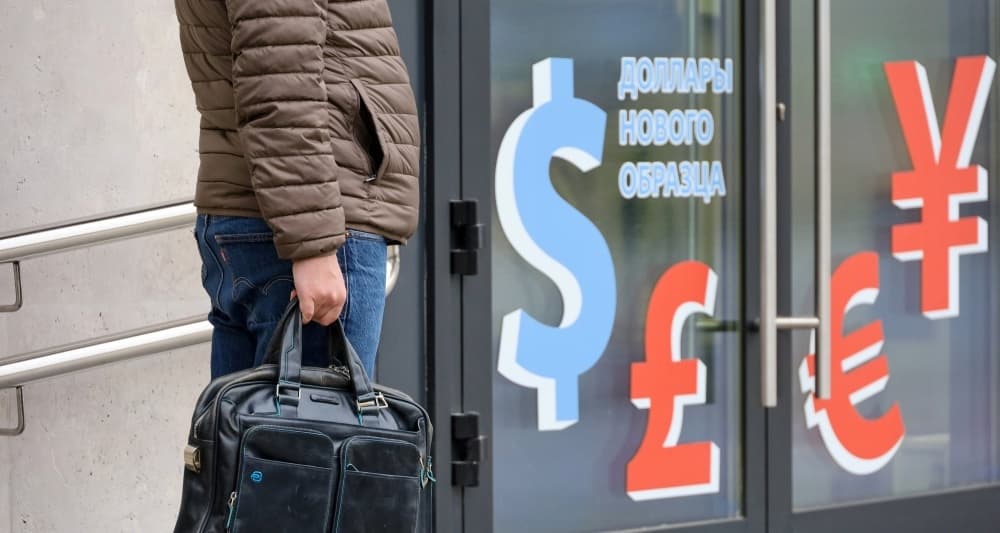
Russia’s federal budget deficit rose to 5.8 trillion rubles in the first eight months of 2026. Equivalent to approximately $68.4 billion, the figure exceeded the 3.8 trillion-ruble deficit forecast for the full year and amounted to 2.5% of gross domestic product.
Public debt stands at approximately 19% of gross domestic product. Vladimir Putin said at the beginning of September that the budget deficit was not critical given the current level of debt.
Financing remains costly despite low debt ratio
Russia’s debt ratio is below those of major economies, including China, the United States, France and the United Kingdom. Although this leaves room for new borrowing, high interest rates, sanctions and the limited number of domestic investors able to purchase government bonds are making financing more expensive.
The yield on Russia’s 10-year government bonds remained between approximately 14% and 16% throughout 2025 and 2026. The average yield on bonds with the same maturity in G7 countries was approximately 4.3%.
Sanctions have largely blocked foreign investors’ access to Russia’s debt market. The government is therefore turning to domestic buyers, particularly major banks. The central bank’s policy rate, kept high to contain inflation, is also driving up the returns demanded by investors.
Higher interest rates increase debt-servicing burden
Seeking to attract domestic investors, the government is issuing OFZ bonds with high yields and variable interest rates. Linked to the overnight interbank rate RUONIA, these bonds protect investors against the risk of higher interest rates; however, the government’s debt-servicing costs also rise when rates increase.
Russia’s debt-servicing costs are expected to reach approximately 4 trillion rubles, or $47.2 billion, this year. The amount accounts for roughly one-tenth of federal spending and exceeds the combined budgets for education and health care.
Although Germany’s debt-to-GDP ratio is approximately 64%, debt servicing accounts for about 6% of the federal budget. Russia’s debt ratio is roughly one-third of Germany’s level, but current interest-rate conditions are increasing the pressure borrowing places on the budget.
If Russia were to double its debt, debt-servicing costs could reach approximately one-quarter of the budget. The ratio could vary depending on the interest rates and maturities of new debt, but extensive borrowing at high rates would reduce the resources available for other spending.
Moscow plans tax increases and spending cuts
Finance Minister Anton Siluanov said Russia’s financial market was limited and borrowing costs were high, adding that the debt level should be kept low. Siluanov said increasing debt would crowd out other spending and reduce resources allocated to priority areas.
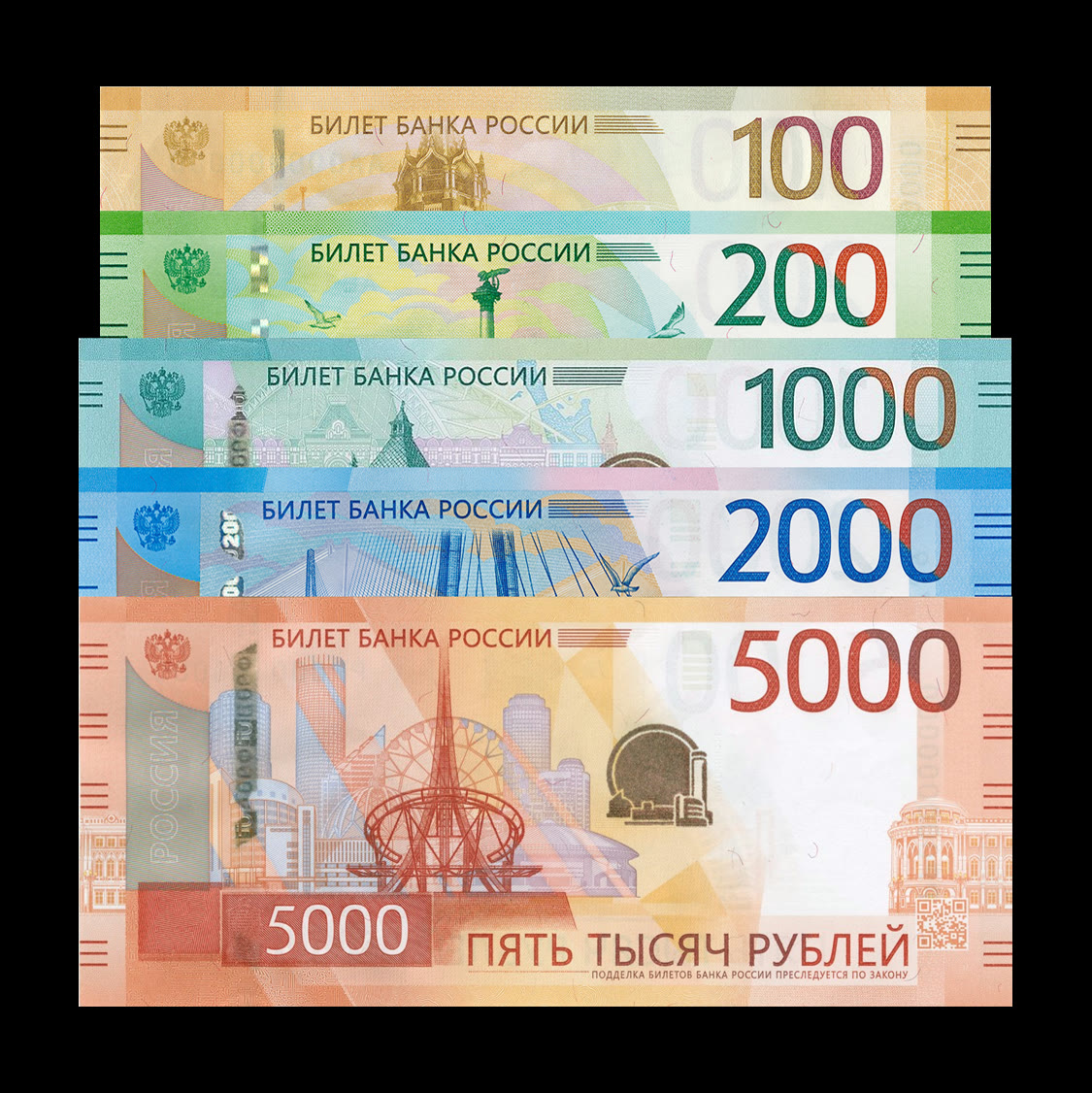
As years of war spending reduce fiscal reserves, Moscow is seeking other measures to limit the budget deficit. The government’s 2027 budget plan includes higher taxes as well as approximately 2 trillion rubles in spending cuts.
Under the plan, taxes on income from property sales and deposit interest are expected to rise to as much as 22%. The plan also includes introducing a 22% value-added tax on online purchases from abroad and imposing a 100-ruble customs fee on packages worth less than 200 euros.
Tax increases could put pressure on investment
Moscow-based analysts say tax increases could reduce the need for more expensive borrowing but could further weaken economic activity and investment. Fixed investment fell 9.9% in the first half of 2026 compared with the same period last year, declining to 16.2 trillion rubles.
Analyst Kirill Rodionov said previous increases in corporate and value-added taxes had reduced the resources businesses could use for investment. Boris Kopeykin said the higher tax burden would push up prices and make investment less attractive.
Analyst Anastasia Rusakova said the new measures could discourage stock-market investment in the short term. Rusakova said more businesses could turn to the informal economy to evade taxes, increasing demand for cash, while a value-added tax on foreign products could raise prices on online marketplaces by between 5% and 10%. She added that some products could experience inflationary effects.