- BIST10011,131-3.02%
- USD50.47+0.05%
- EUR55.46+0.20%
- GOLD3,539.00-3.98%
- INTEREST36.00%-1.00
- BITCOIN59,042-4.62%
- November 21, 202616°
- BIST10011,131-3.02%
- USD50.47+0.05%
- EUR55.46+0.20%
- GOLD3,539.00-3.98%
- INTEREST36.00%-1.00
- BITCOIN59,042-4.62%
- November 21, 202616°
Russian oil shipments to Asia via Arctic route hit record 13.2 million barrels
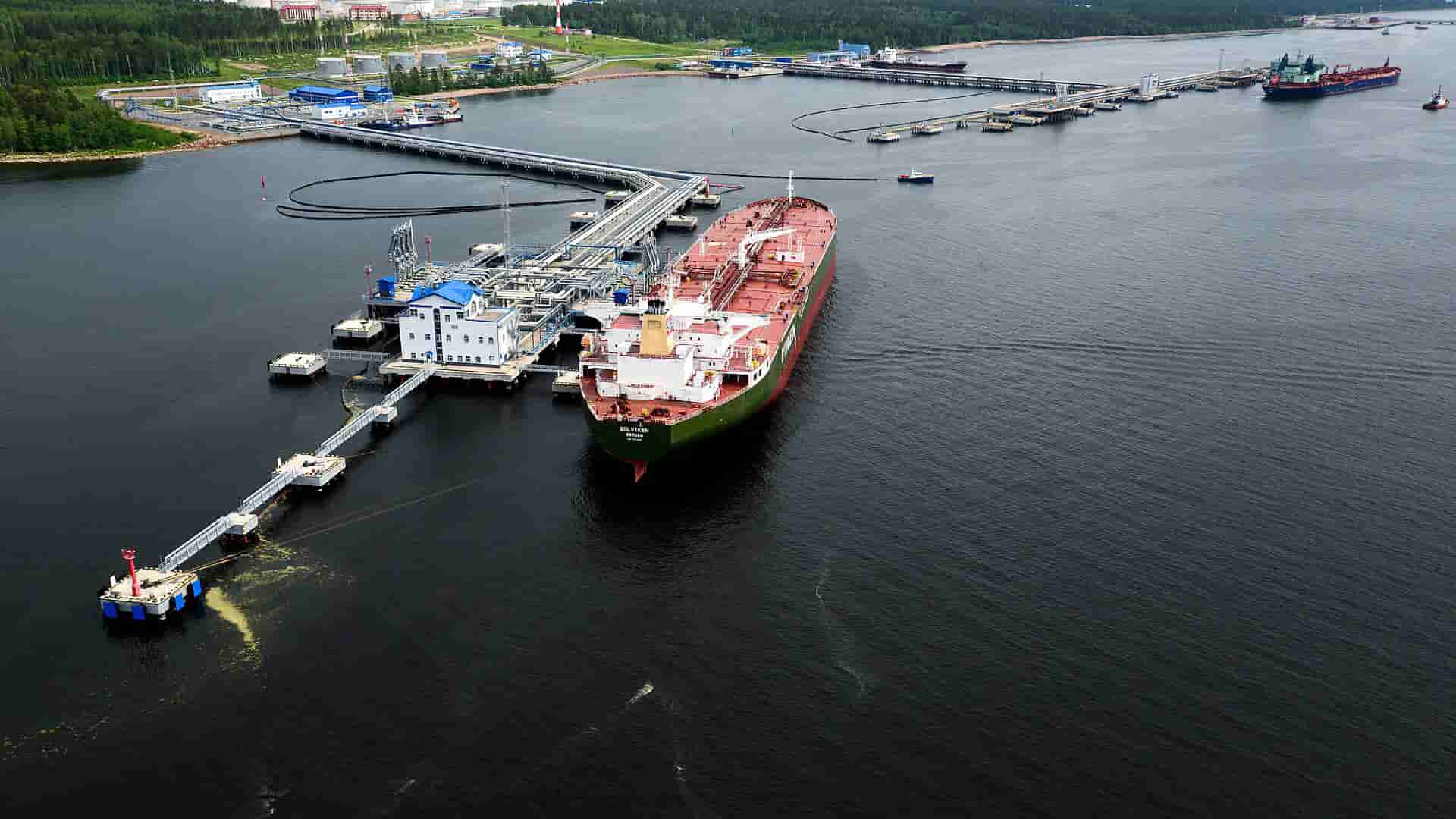
Russian oil and oil product shipments to Asia via the Northern Sea Route during the 2026 navigation season rose to a record 13.2 million barrels, S&P Global data show. The route is gaining importance amid sanctions and risks in the Red Sea and the Strait of Hormuz.
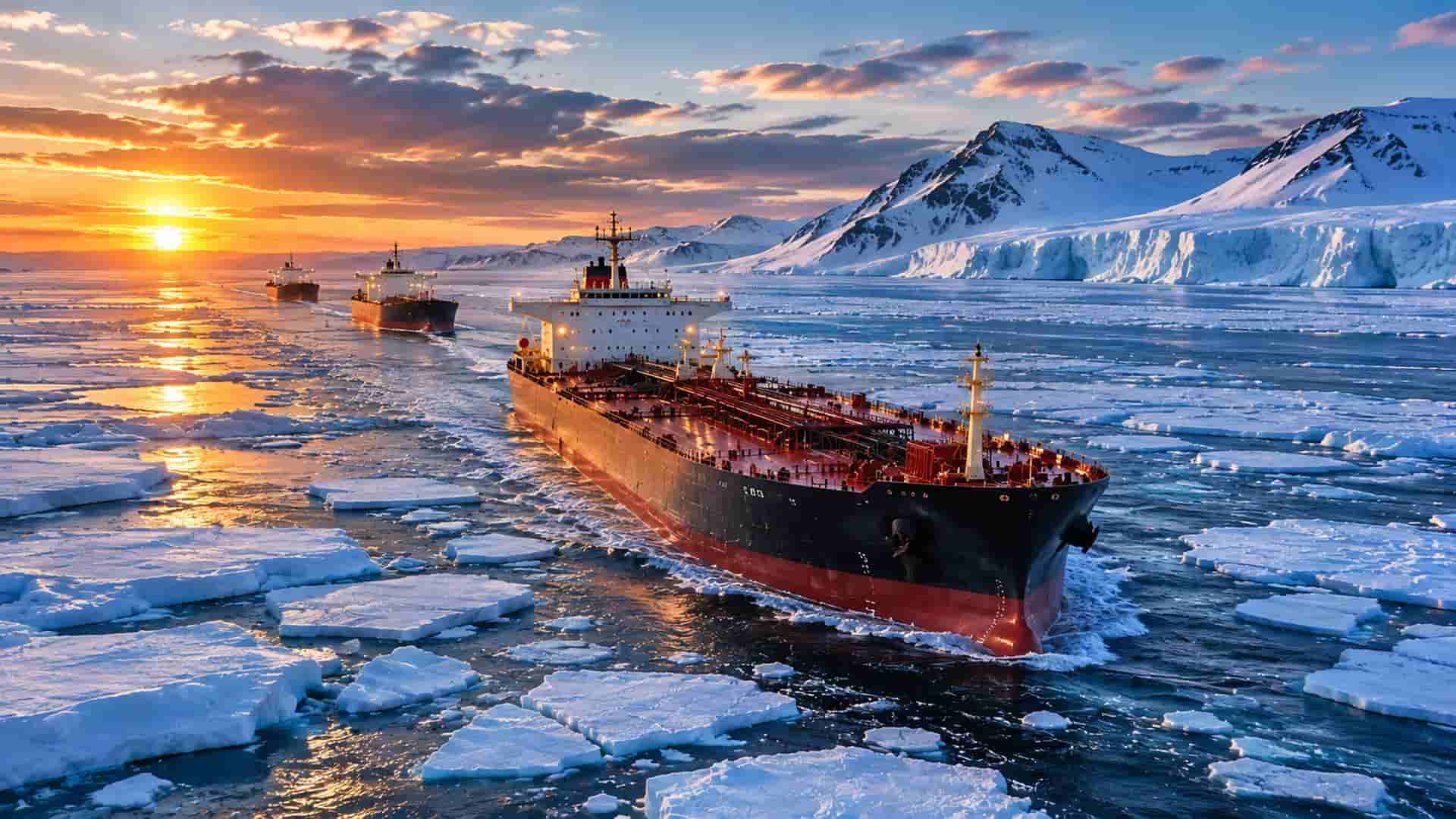
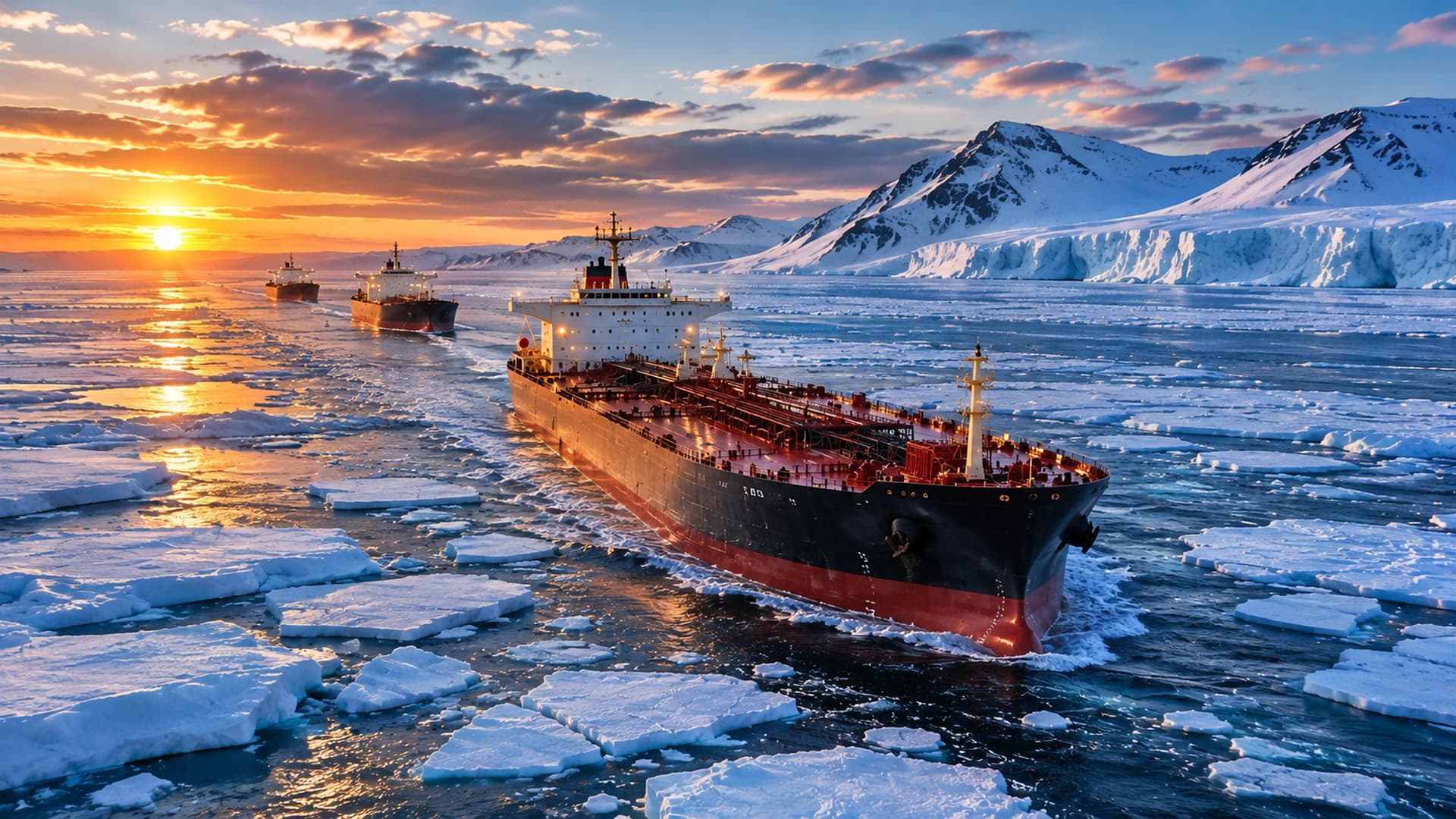
Russian oil and oil product shipments to Asia via the Northern Sea Route during the 2026 navigation season reached a record 13.2 million barrels. Data from the Commodities at Sea vessel-tracking system of analytics agency S&P Global, published on November 2, show this. By comparison, 10.8 million barrels were transported along the route in 2024 and 12.2 million in 2025.
The previous record was therefore exceeded by about 8%. The first shipments from Rosneft’s Arctic Vostok Oil project contributed to the increase. Shrinking Arctic sea ice caused by global warming is making the northern route increasingly accessible for energy trade.
A route 40% shorter
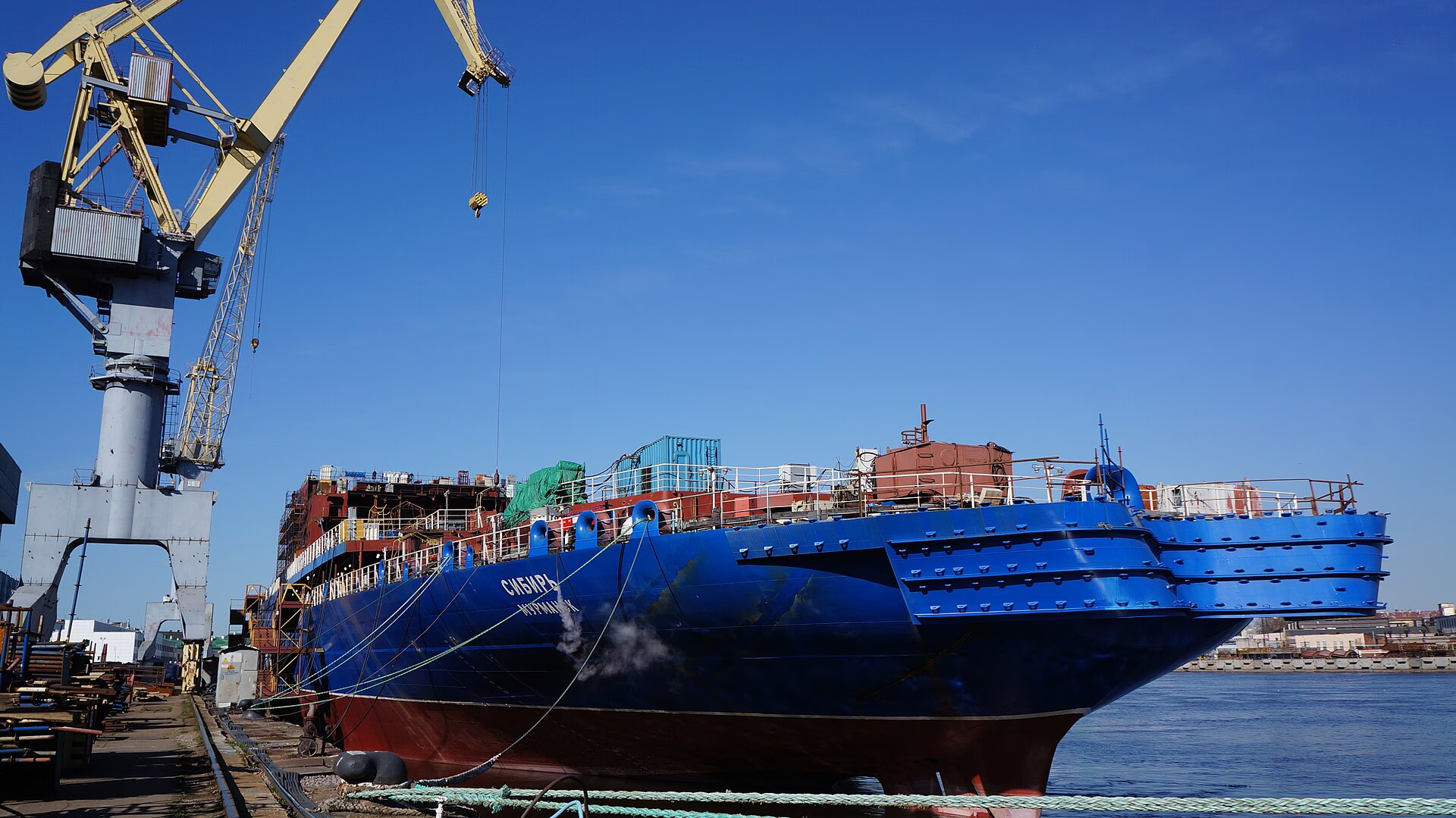
According to S&P Global, tankers traveling from ports in western Russia to East Asia via the Suez Canal take at least six weeks, while the Arctic route can cut transit time by up to 40% when ice conditions are favorable. Savings on fuel and freight costs are partly offset by icebreaker escort fees, a shortage of ice-class tankers and harsh conditions.
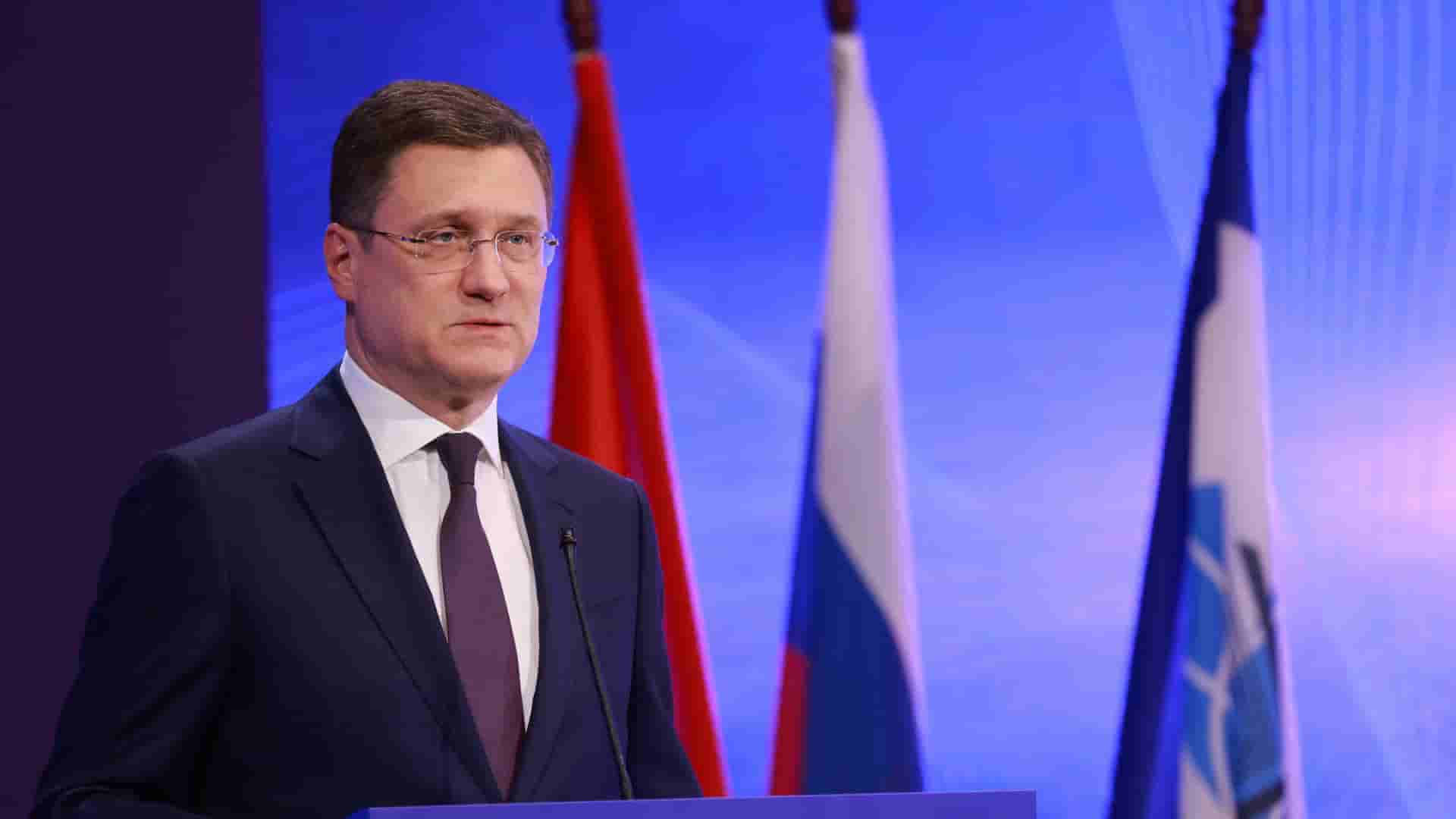
Interest in the Northern Sea Route has been driven not only by sanctions but also by threats to shipping in the Red Sea and around the Strait of Hormuz, as well as rising freight rates. After the EU embargoes on seaborne Russian oil in December 2022 and oil products in February 2023, exports were redirected toward Asia. According to Deputy Prime Minister Alexander Novak, the share of Asian countries in Russian oil exports rose from 40% in 2021 to 80% in 2025, while shipments to Europe fell from 175 million tonnes to about 25 million tonnes.
Rosatom CEO Alexey Likhachev said in October that total cargo traffic along the Northern Sea Route would exceed 40 million tonnes this year.
Photo: Anadolu (illustration), Birulik / Wikimedia Commons (CC BY-SA 4.0).
Stay Updated with RuskiGazeta
Subscribe to be informed about special news, developments and announcements. We will keep you informed.
By signing up, you agree to our Privacy Policy