- BIST10011,483+1.32%
- USD50.07+0.05%
- EUR55.96-0.52%
- GOLD4,120.90+1.13%
- INTEREST36.00%-1.00
- BITCOIN74,058-0.89%
- November 9, 20264°
- BIST10011,483+1.32%
- USD50.07+0.05%
- EUR55.96-0.52%
- GOLD4,120.90+1.13%
- INTEREST36.00%-1.00
- BITCOIN74,058-0.89%
- November 9, 20264°
Russian diesel tankers divert from U.S. as Kremlin says buyers will be found
The Financial Times reported that two of three tankers carrying Russian diesel to the United States under an agreement between Putin and Trump changed course amid sanctions risks and reluctance among U.S. companies to take the cargo. The Kremlin said all the fuel covered by the deal would definitely find buyers, while shipment details would remain confidential.
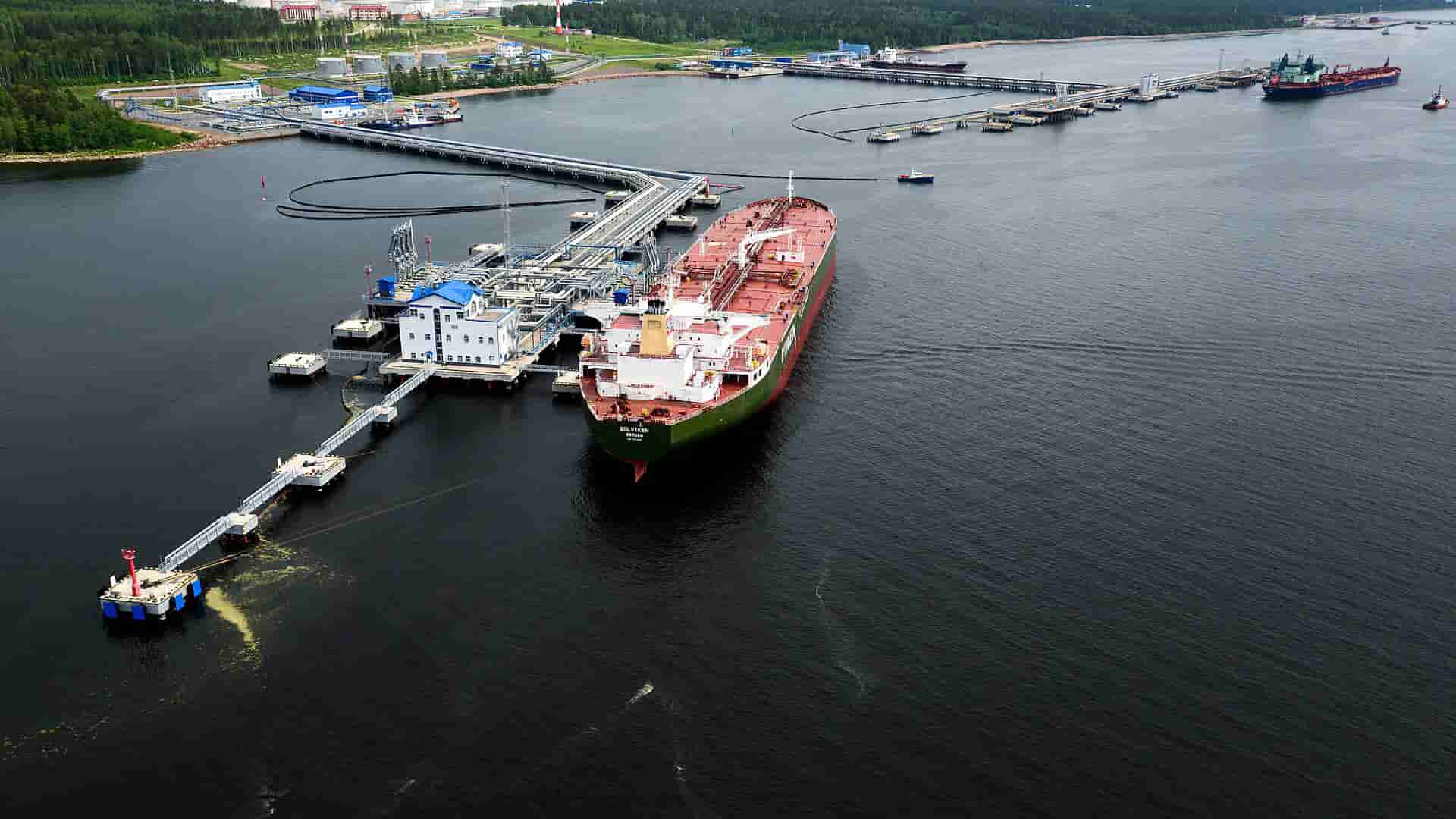
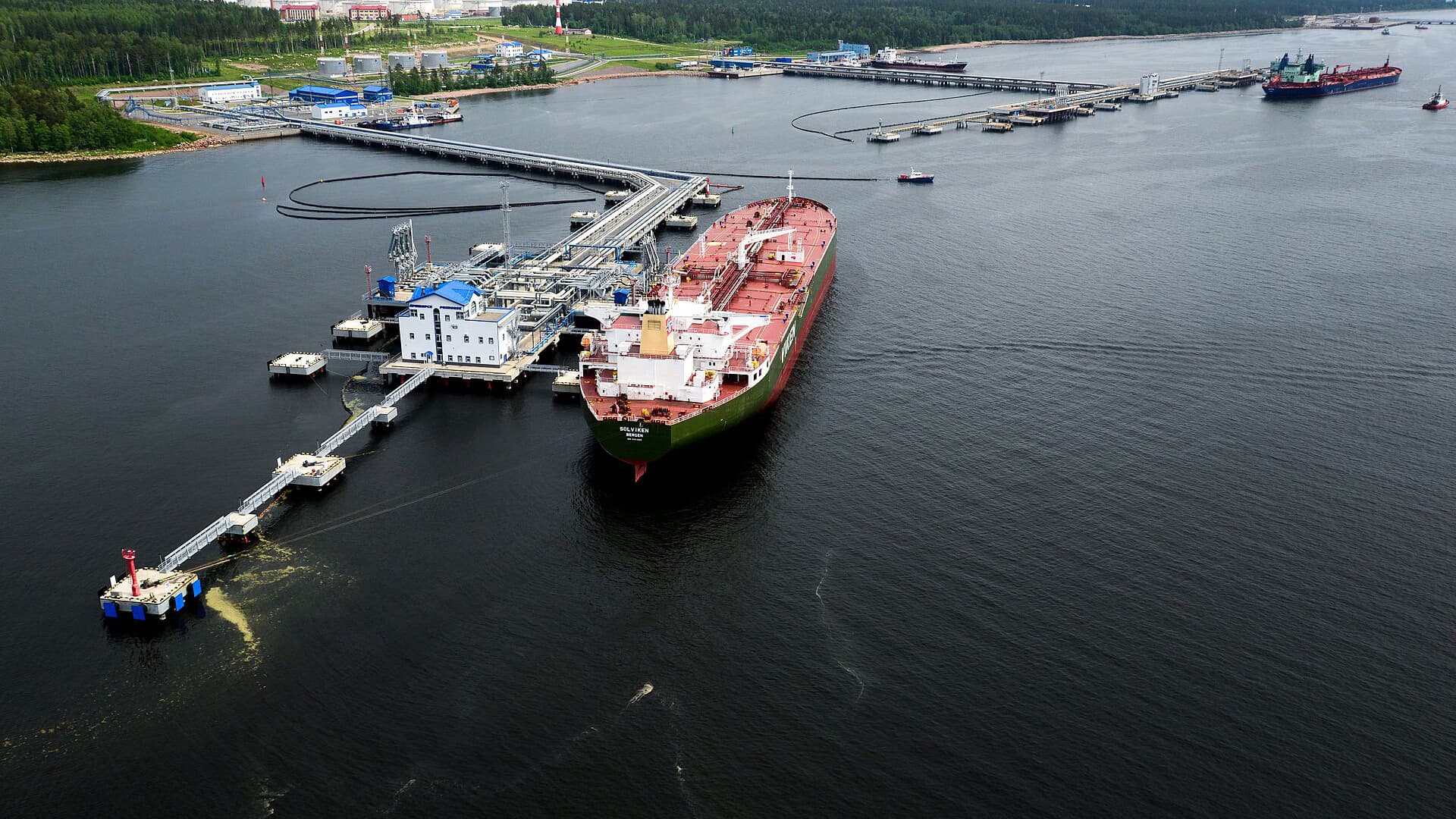
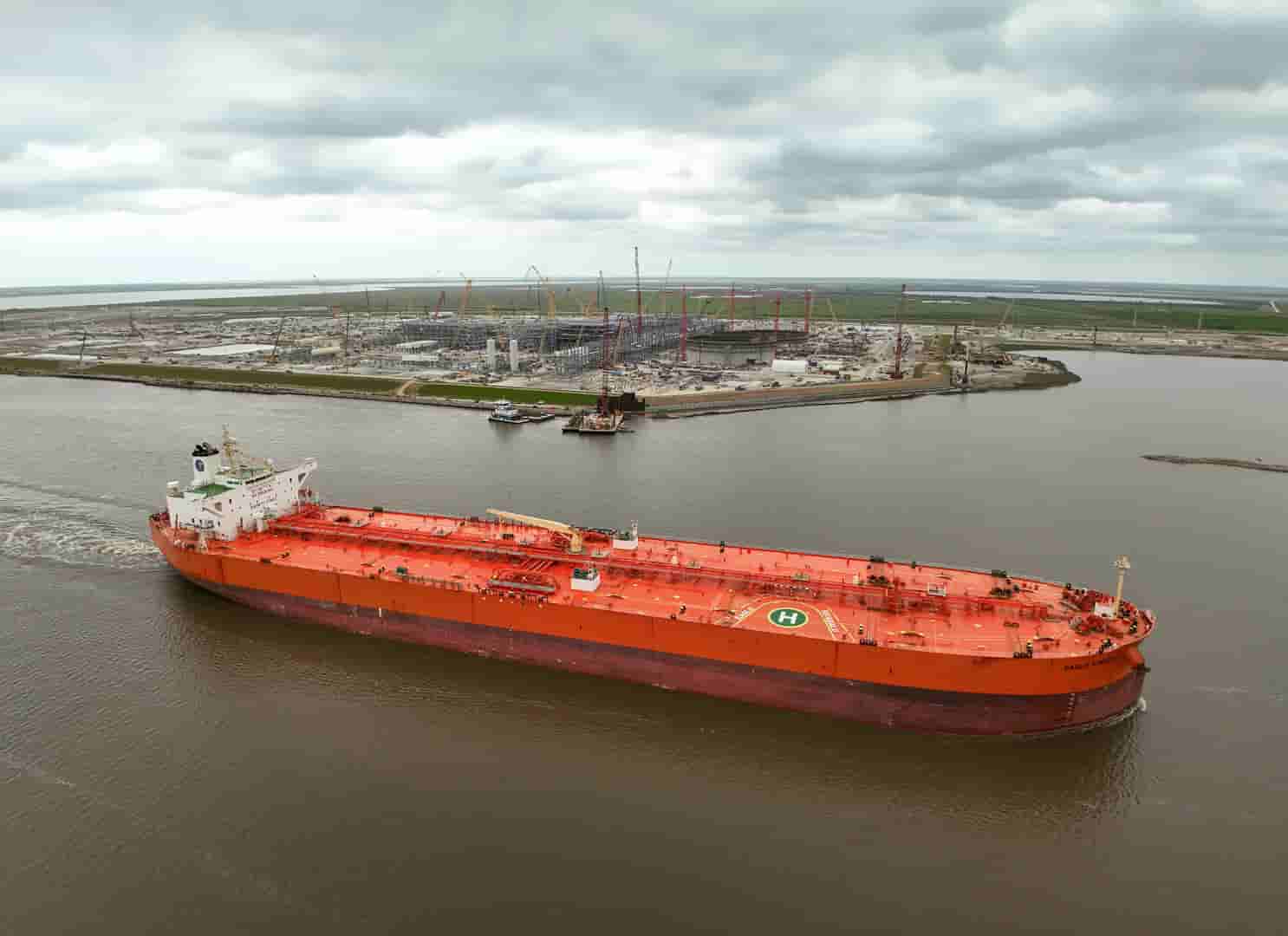
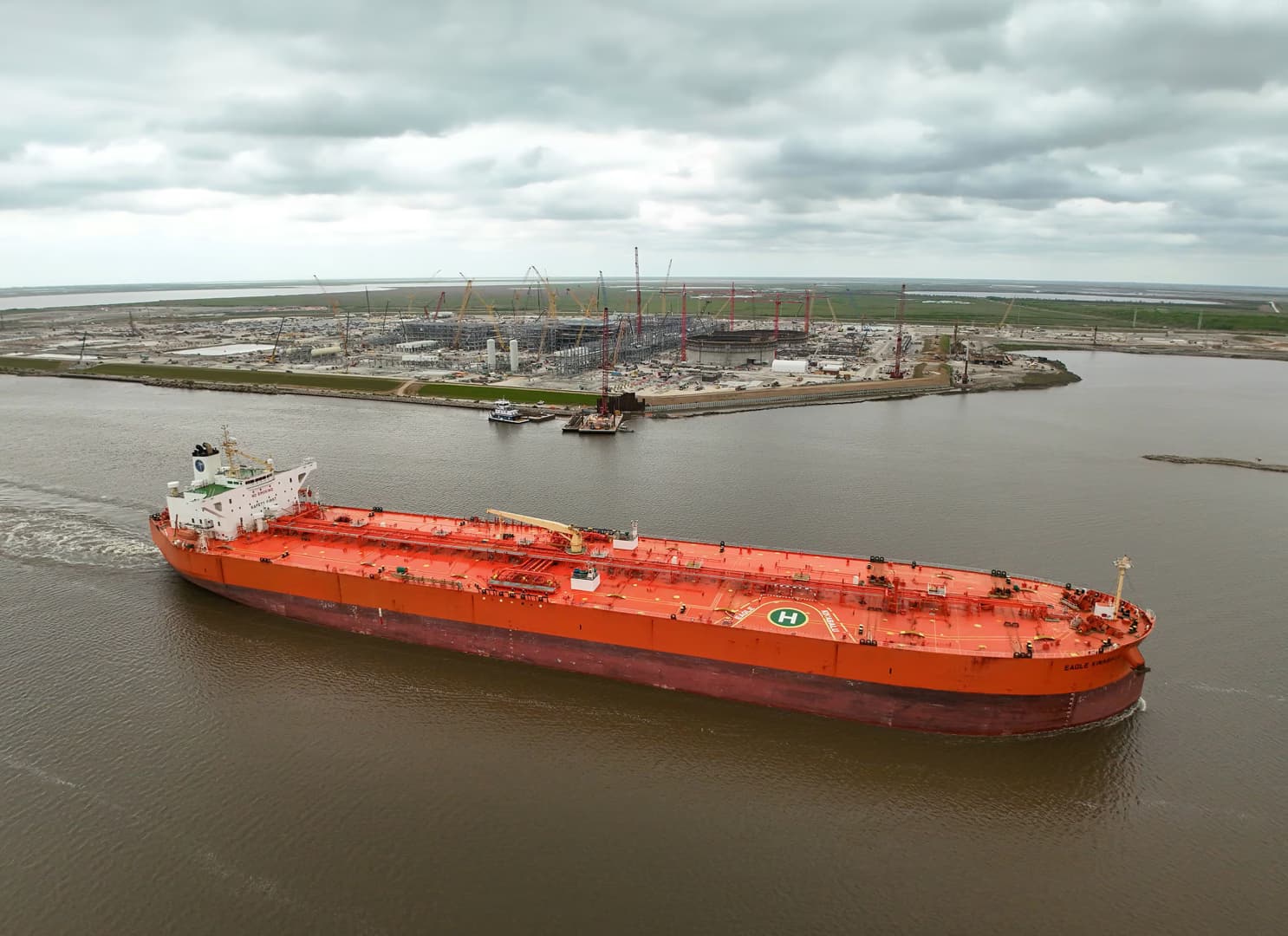
An agreement to supply Russian diesel fuel to the United States, reached by Vladimir Putin and Donald Trump during a phone call on October 9, has encountered its first serious difficulties. The Financial Times reported Wednesday that the Talisman and Leruo tankers had stopped listing the U.S. Atlantic coast as their destination.
Leruo, owned by a Hong Kong company and sailing under the flag of Sierra Leone, is now signaling a course for Brazil. The Russian-flagged Talisman sailed into the Mediterranean and is standing off the coast of Algeria with the status “for orders”—a designation used for cargo without a confirmed buyer or discharge port. Both vessels are under Western sanctions.
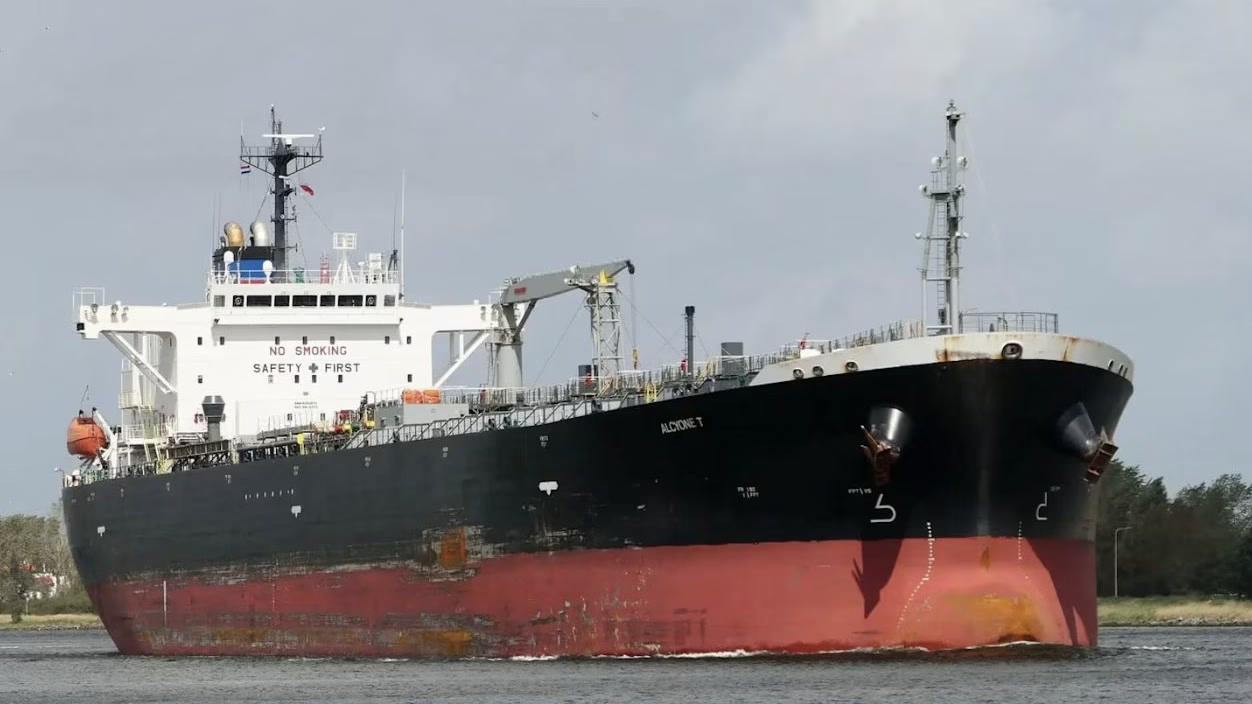
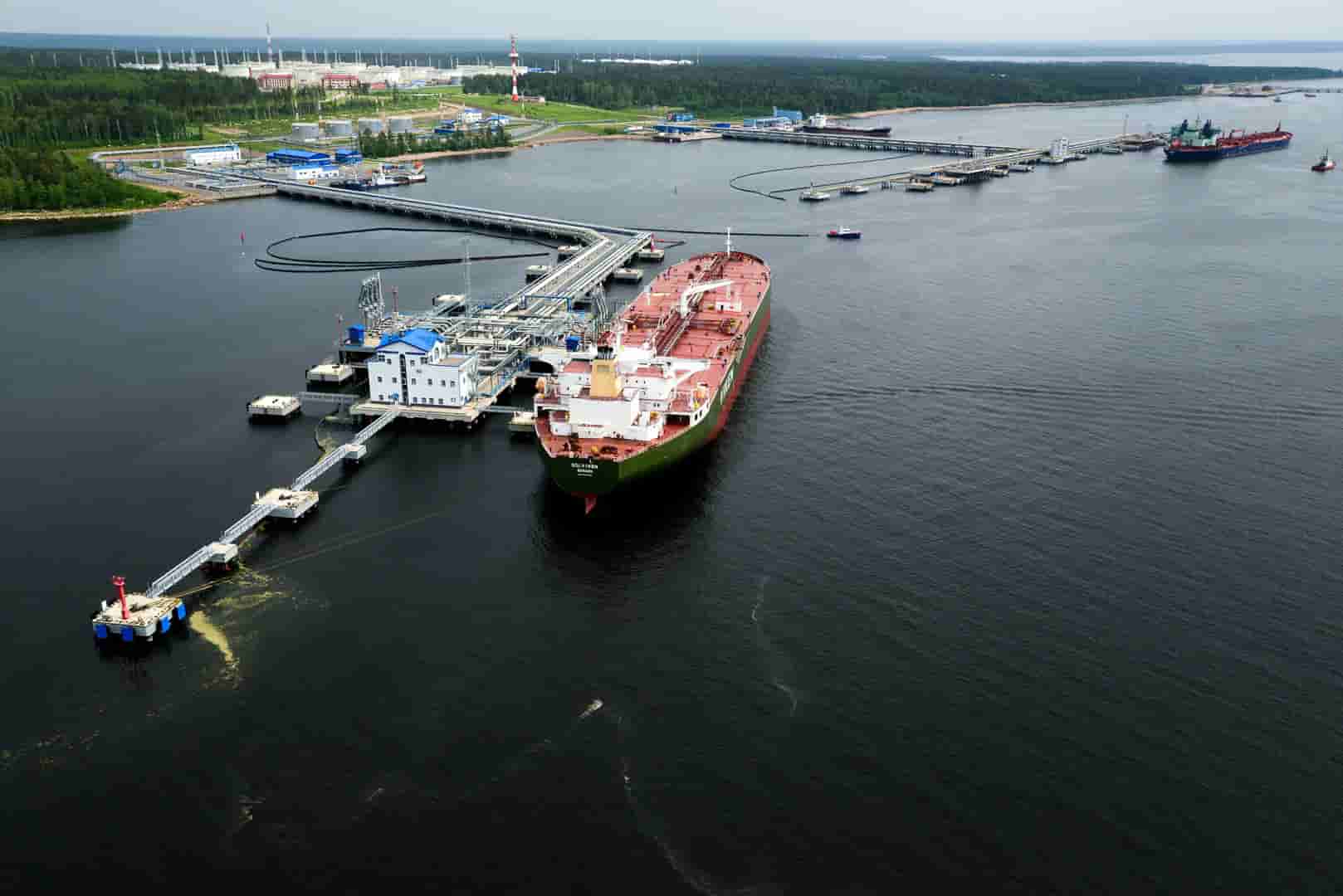
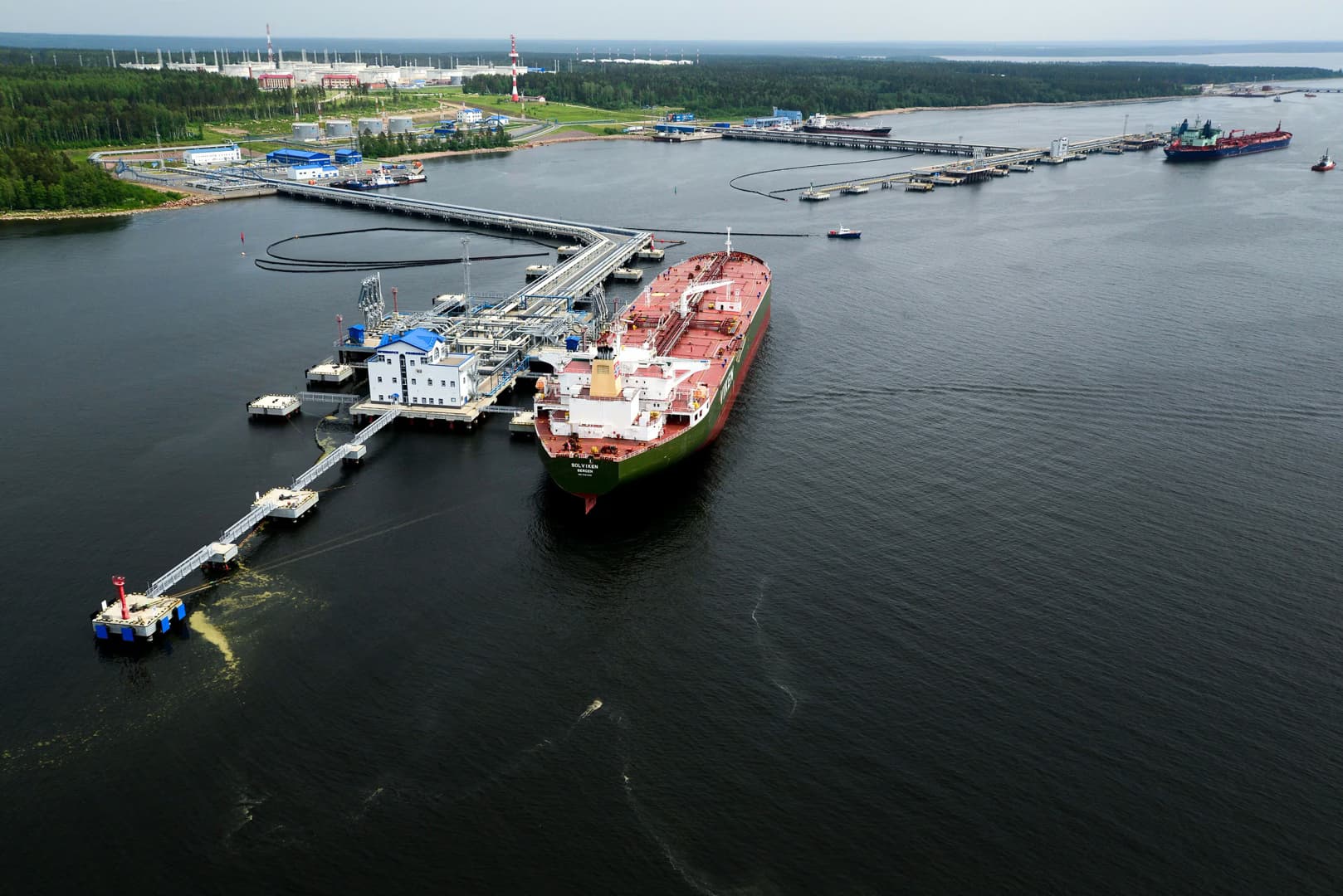
The third tanker, the Malta-flagged Agioi Fanendes, owned by the Greek company Eastern Mediterranean Maritime, loaded about 40,000 tons of diesel at Primorsk in late October and is still heading toward the United States, but it is also transmitting the status “for orders.” “Two of the three Russian diesel cargoes headed to the United States have already diverted to other destinations,” Kpler analyst Matt Smith told the FT. In his assessment, Agioi Fanendes may also change course because of regulatory, legal and sanctions-related problems.
Peskov: Diesel will find buyers
The Kremlin does not consider the route changes a breakdown of the deal. “All Russian diesel fuel involved under the agreements with the United States is guaranteed to find buyers,” presidential press secretary Dmitry Peskov said on November 5. He said the export shipments were commercial in nature, so details of the deliveries would remain confidential. On October 23, Peskov said that the first tanker had been sent to its recipients and that deliveries would proceed on a regular basis.

For Russian oil companies, the U.S. route is only part of the export quota that has become available. On October 10, the government partially lifted a ban on diesel exports, initially allowing 500,000 tons to be placed on the global market. On October 31, the Cabinet extended the ban for producers until January 31, 2027, while retaining exemptions for certain overseas shipments. Deputy Prime Minister Alexander Novak said about 2.15 million tons of diesel fuel could reach foreign markets in November, while deliveries to the United States were proceeding in line with contracts: “It will be done as written in the contract.”
What is hindering unloading in the United States
The main obstacle is U.S. legislation. On October 9, the U.S. Treasury issued General License No. 135, authorizing the sale, delivery, unloading and import of Russian diesel fuel until April 7, 2027. However, opponents of the deal insist that a 2022 law banning imports of Russian energy products remains in force and, in their view, can be lifted only with congressional involvement. New Jersey Governor Mikie Sherrill warned the state’s port and terminal operators that they could face civil and criminal liability for accepting “illegal Russian fuel.”
U.S. companies have so far been reluctant to purchase the cargo, the FT reported. Senators led by Democrat Jeanne Shaheen sent letters to major banks, the ports of Houston, Corpus Christi and Beaumont, and the Port Authority of New York and New Jersey, demanding that all documents related to the deal be preserved. Investigations are expected after Democrats who won the midterm elections take control of both chambers of Congress in January.
Stakes for Moscow and Washington
The fate of the deal also matters for Russian-U.S. dialogue. After the October 9 call, Trump promised that Russia would immediately deliver more than 300,000 tons of diesel, another 500,000 tons in November, followed by 1 million tons and, depending on refinery conditions, an additional 3 million tons. Kirill Dmitriev, head of the Russian Direct Investment Fund, wrote at the time that cooperation in energy and the economy “will continue and benefit global markets.” U.S. Energy Secretary Chris Wright, in turn, linked further deliveries to Moscow’s actions and called the deal an incentive to end the war.
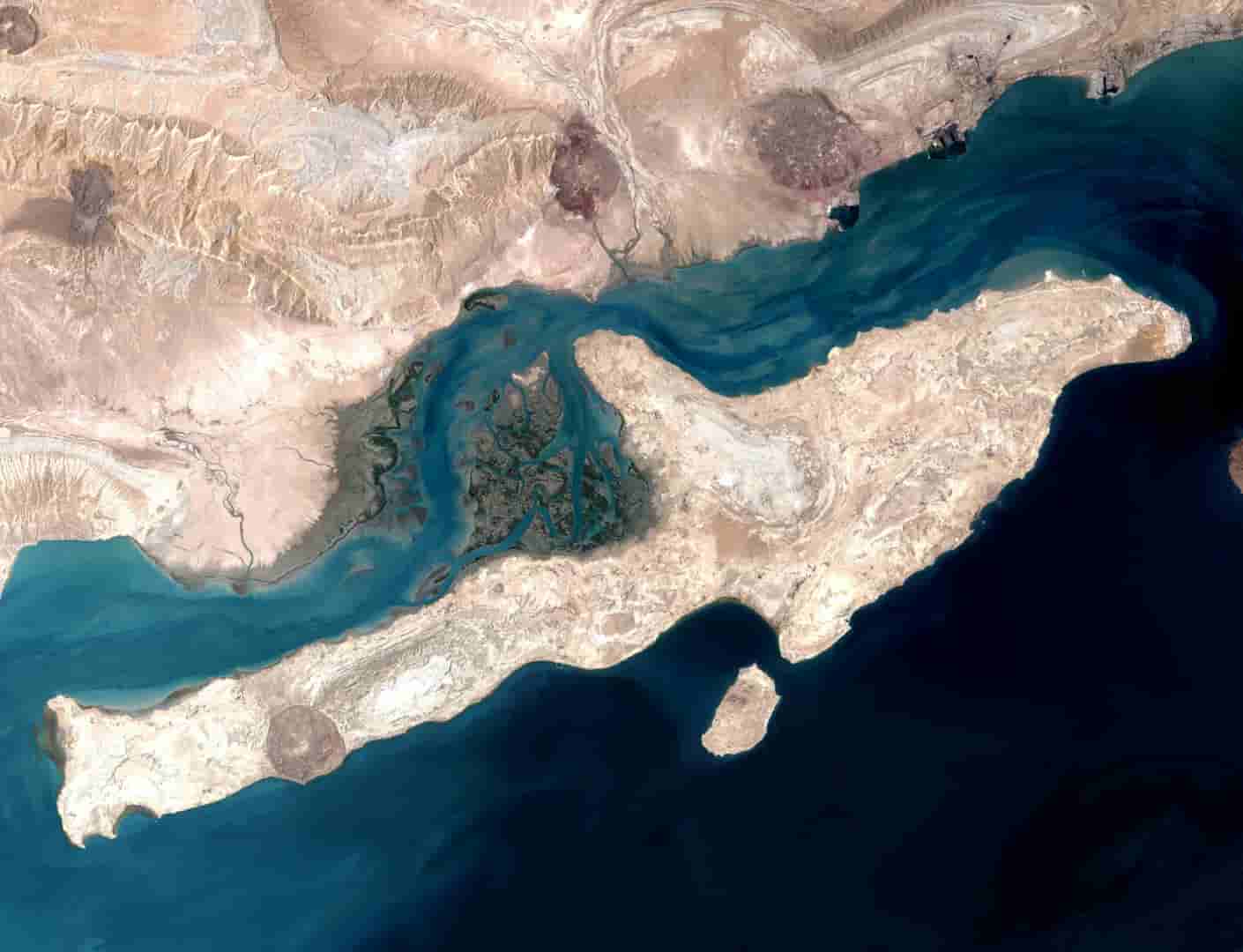
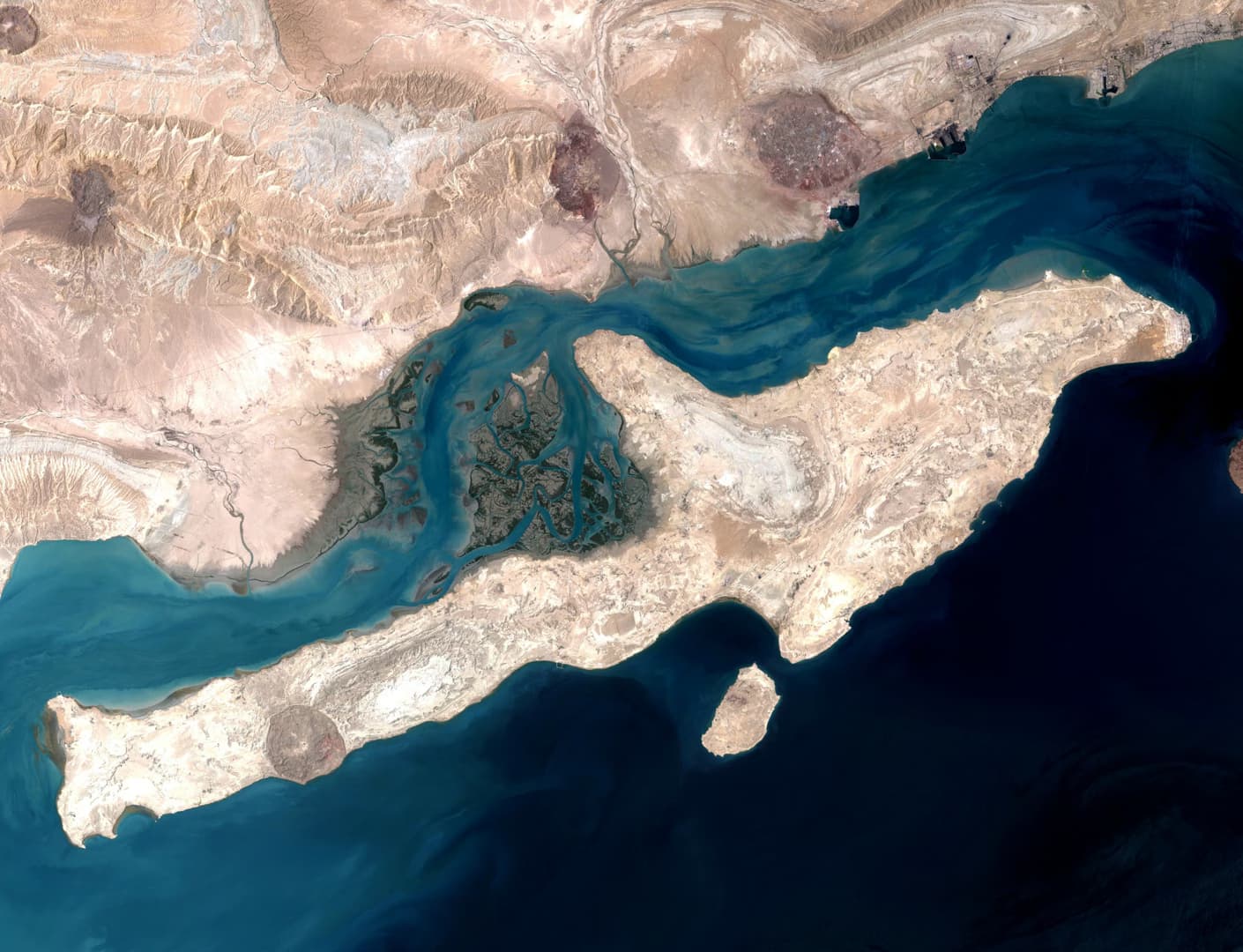
Fuel demand in the United States itself remains acute. Amid the effective closure of the Strait of Hormuz because of the war with Iran, diesel inventories in the country fell below 100 million barrels for the first time in more than 20 years, the FT reported. The average retail price of diesel, according to the U.S. Energy Information Administration, was $6.29 per gallon as of November 2—$2.54 higher than a year earlier. At the same time, the Agioi Fanendes cargo amounted to only about 13% of the first 300,000 tons Trump had promised.
Photo: Tara17/Wikimedia Commons (CC BY-SA 4.0); Marcel Coster/MarineTraffic via Clash Report
Stay Updated with RuskiGazeta
Subscribe to be informed about special news, developments and announcements. We will keep you informed.
By signing up, you agree to our Privacy Policy