- BIST10011,483+1.32%
- USD50.07+0.05%
- EUR55.96-0.52%
- GOLD4,120.90+1.13%
- INTEREST36.00%-1.00
- BITCOIN74,058-0.89%
- November 9, 20264°
- BIST10011,483+1.32%
- USD50.07+0.05%
- EUR55.96-0.52%
- GOLD4,120.90+1.13%
- INTEREST36.00%-1.00
- BITCOIN74,058-0.89%
- November 9, 20264°
Putin places Japan Tobacco International’s Russian assets under temporary control
Russian President Vladimir Putin signed a decree placing Japan Tobacco International’s stakes in four Russian manufacturing companies under temporary control. Promyshlennye Aktivy JSC was appointed temporary administrator, while JTI said it was assessing the situation.
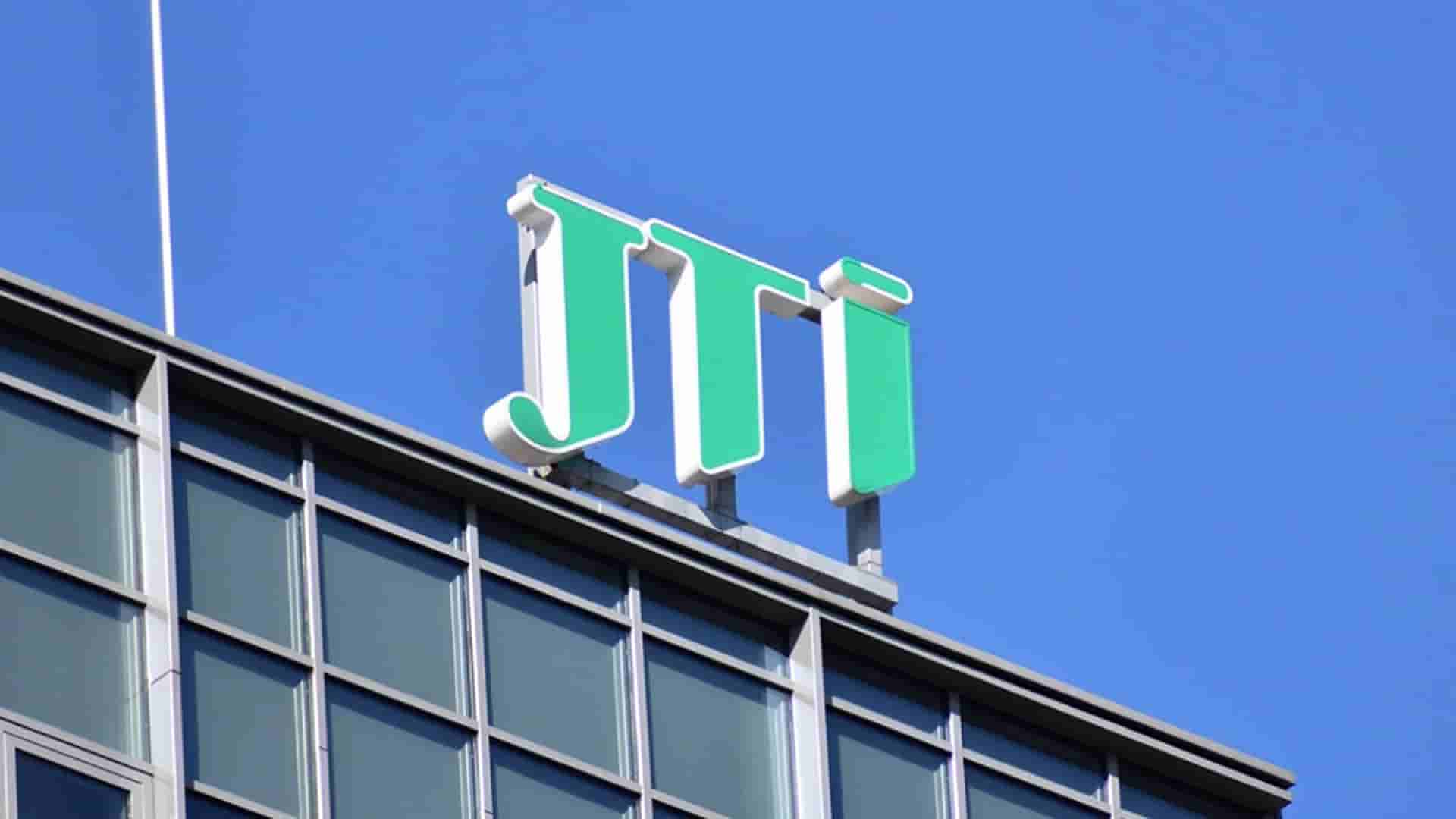
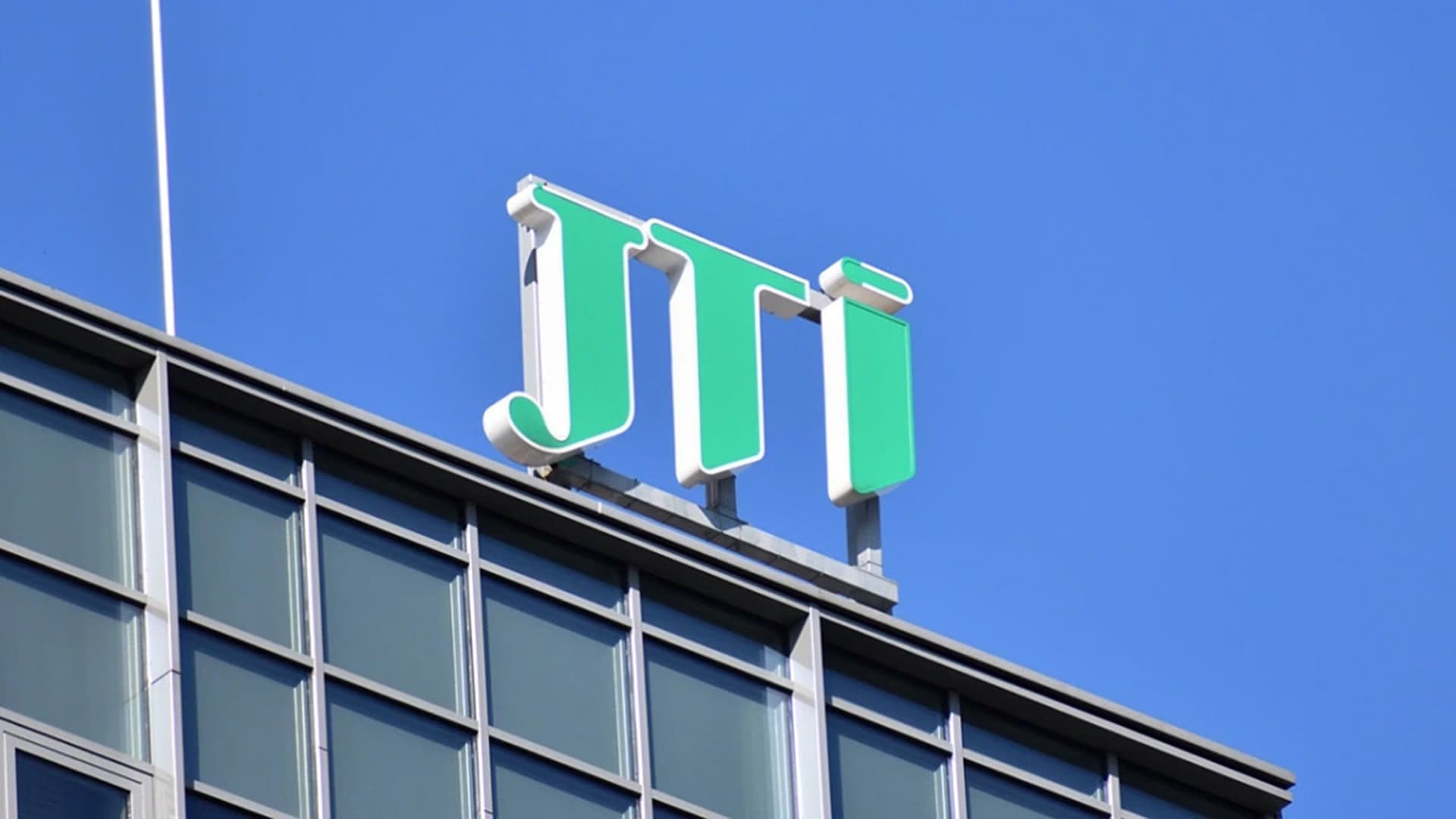
Russian President Vladimir Putin signed a decree placing international tobacco company Japan Tobacco International’s (JTI) stakes in its Russian manufacturing businesses under temporary control. The document, dated November 5, was published on the official legal information portal. Promyshlennye Aktivy JSC was appointed temporary administrator.
TASS reported that the decree covers stakes in Donskoy Tabak, Pereslavl-Tabak, JTI Yelets and Kres Neva. JTI’s manufacturing facilities in Russia are located in, among other places, St. Petersburg, Rostov-on-Don and Yelets in Lipetsk Region. Under this mechanism, the owner formally retains rights to the property but loses control over the companies’ management.
Company assesses the situation
JTI confirmed that it was aware of the signed decree. “We are assessing the situation and the options available to us, while giving priority to our stakeholders, first and foremost our employees,” the company said in a statement.
JTI has operated in Russia since 1999 and became the country’s largest tobacco producer; its market share is estimated at up to 40%. The company’s portfolio includes international brands such as Winston, Camel, Sobranie, LD, Mevius and Glamour, as well as Russian brands Russky Stil, Pyotr I and Troika. Japan Tobacco, JTI’s parent company, is the world’s third-largest tobacco producer, and the Japanese government owns about one-third of its shares.
Temporary control mechanism
The decision was made under the April 2023 decree “On Temporary Management of Certain Property.” It allows the assets of companies and individuals from countries that Moscow designates as unfriendly to be placed under external management. The mechanism was introduced in response to the seizure of Russian assets abroad and restrictions on the rights of Russian owners. It had previously been applied to the Russian assets of energy companies Uniper and Fortum, as well as Danone and Carlsberg.
This autumn, temporary control also extended to the assets of several other foreign companies, including the German wholesale chain Metro, French retailer Auchan, Swiss company Nestlé and logistics operator FM Logistic. Putin previously described such measures as a symmetrical response to Western sanctions and the freezing of Russian assets, saying that control over these companies could be returned on favorable terms.
Against a backdrop of worsening relations with Japan
The decision concerning JTI came amid worsening Russian-Japanese relations. Japan joined Western sanctions against Russia after the start of the special military operation in 2022. In October, Japanese journalist Yuki Imai of the Hokkaido Shimbun newspaper was detained in Russia on espionage charges; the newspaper and the Japanese government reject the allegations.
Photo: social media, Wikimedia Commons
Have a story, event or announcement of your own?Send us your news on WhatsApp
Spotted an error in this story?Report it on WhatsApp
Share on all social platforms
Sponsored Ads
Featured Listings
Loading featured properties...
Stay Updated with RuskiGazeta
Subscribe to be informed about special news, developments and announcements. We will keep you informed.
By signing up, you agree to our Privacy Policy