Russia’s government has extended the ban on producers’ diesel exports until October 31. The decision is intended to maintain stability in the domestic fuel market and meet rising demand for motor fuel during the harvest season.
Since the summer months, Moscow has introduced various restrictions on gasoline and diesel exports to curb rising fuel prices and ease shortages following drone attacks on oil refineries.
Price increases and regional restrictions
The average price of gasoline in Russia has risen 21 percent since the start of the year. Following the weekly increase recorded as of September 14, the average price per liter nationwide reached 78.51 rubles.
Seeking to ease fuel shortages, some Russian regions have reintroduced fuel coupons and similar restrictions on gasoline and diesel sales. Industry analysts warned that supply conditions would remain tight in many regions until demand falls from its peak in the autumn.
Other fuel export bans
A separate ban on diesel exports by non-producing companies will remain in effect until January. Restrictions on aviation fuel exports will continue until November, while the comprehensive ban on gasoline exports will remain in place until January.
Russia’s Federal Antimonopoly Service has opened investigations into 58 cases on suspicion that independent fuel station chains unfairly raised prices during the fuel shortage.
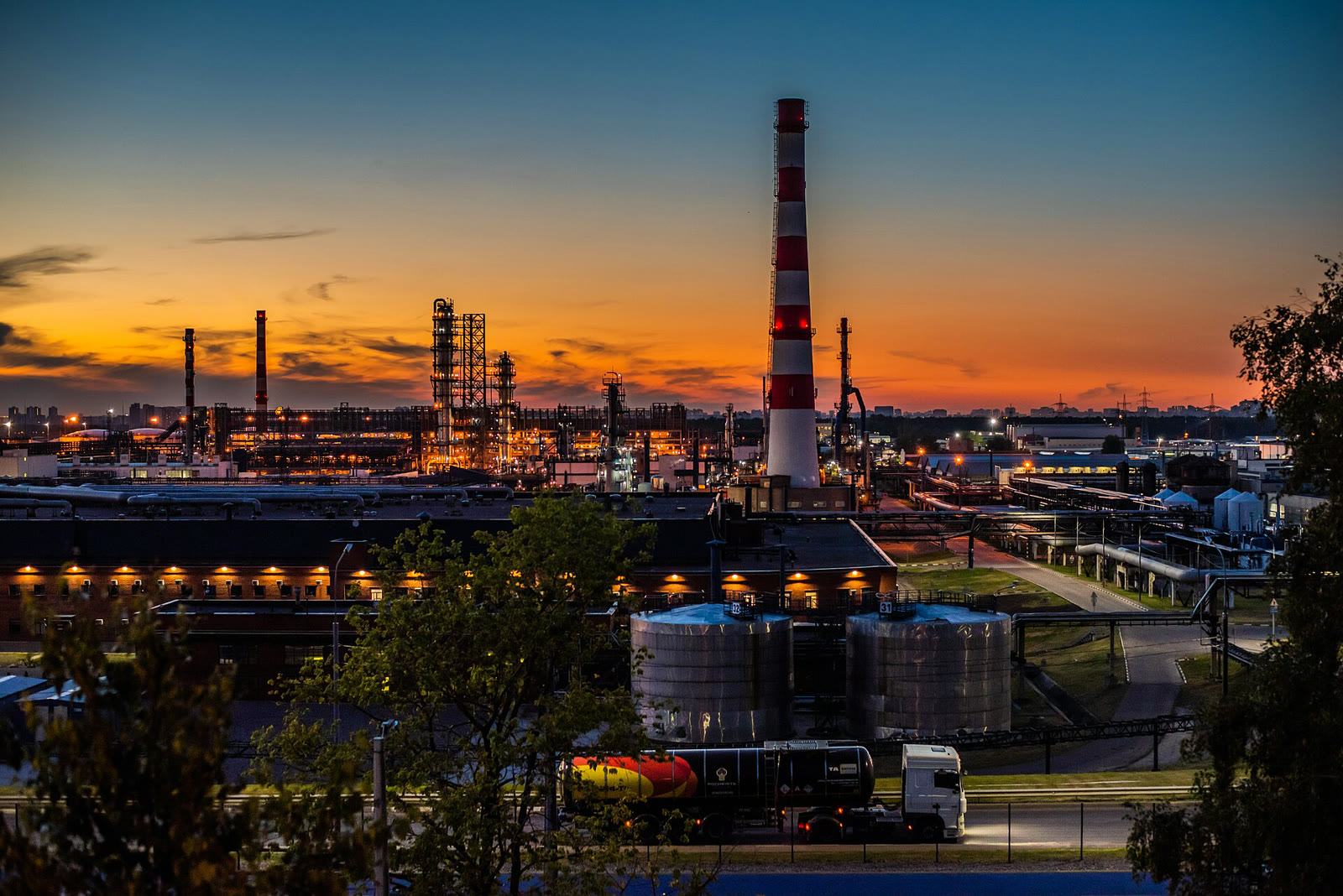
Ukrainian military claims refinery capacity was hit
The Ukrainian military claimed last week that it had taken more than 45 percent of Russia’s refining capacity offline.
Russia’s decision to extend the diesel export ban could add to pressure on global energy markets, which have been volatile amid the wars in Ukraine and Iran.