Russia and Ukraine have agreed to a ceasefire planned to take effect on October 27 to evacuate civilians and deliver humanitarian aid in the Ukrainian town of Oleshky. The arrangement, to be implemented in the town controlled by Russian forces, covers civilian passage and aid operations through designated corridors.
Evacuation and aid plan
During the ceasefire, transportation and coordination support is planned for civilians seeking evacuation. Some residents of the town may want to go to Russia, while others may wish to travel to Ukraine.
Valery Gerasimov, the chief of staff of the Russian forces, announced that the ceasefire would begin at 4 a.m. local time on October 27 and that humanitarian operations would be conducted after that time. The Ukrainian General Staff also said it would observe the ceasefire at the same time and do everything possible to help the people of Oleshky.
The plan calls for roads leading to Oleshky to be cleared of mines and for food and other essential supplies to be delivered to the town. Ukraine has said it previously sent food to Oleshky twice using unmanned aerial vehicles.
Population and humanitarian situation
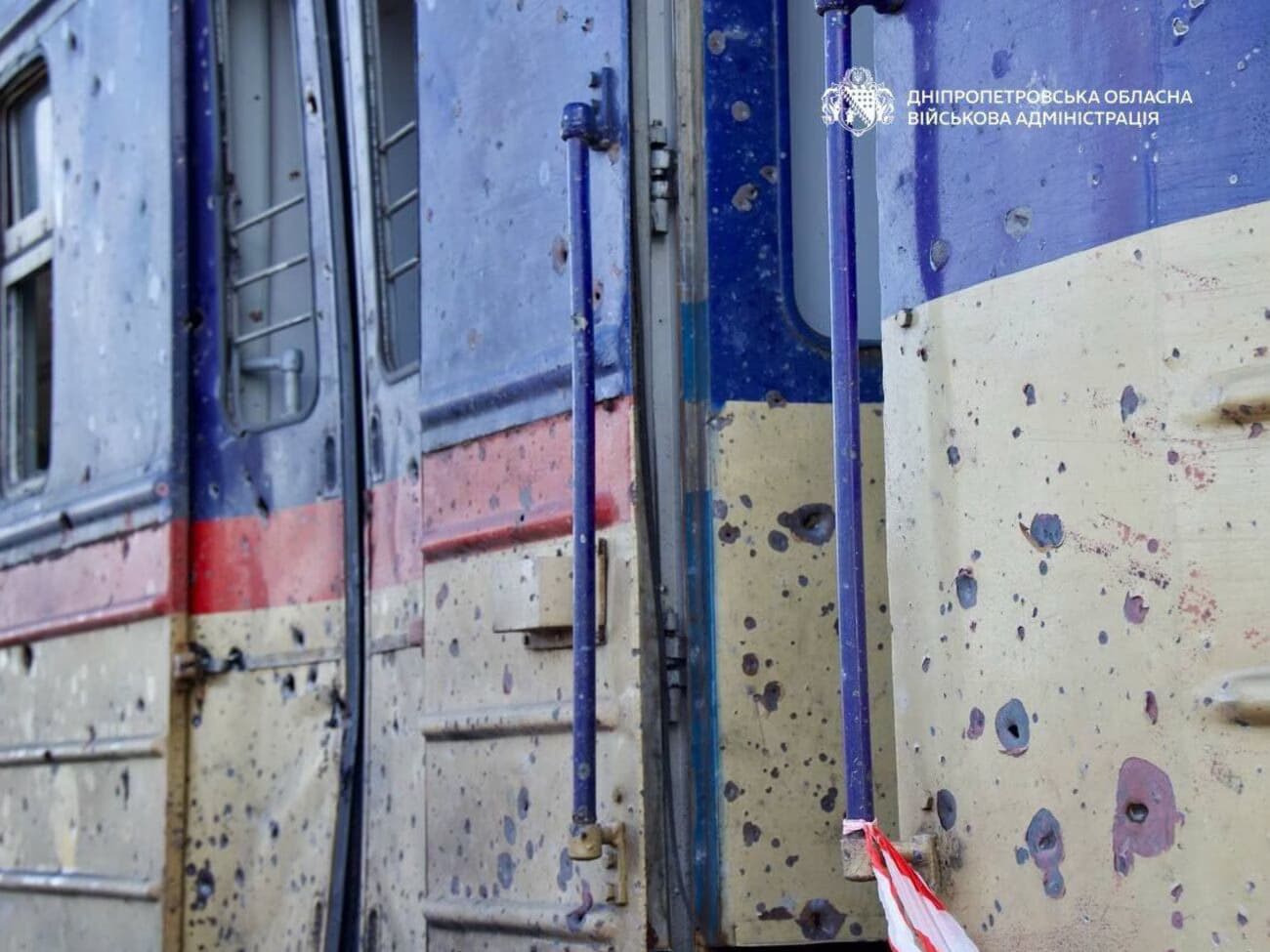
Before the war, about 24,000 people lived in Oleshky, located on the opposite bank of the Dnipro River from the Ukrainian-controlled city of Kherson. The White House said between 1,700 and 2,000 people remained in the town, most of them elderly residents in need of urgent medical care, medicine, food and clean water.
Russia and Ukraine hold each other responsible for preventing aid from reaching the people of Oleshky. Russia has maintained control of the town since February 2022, while Ukrainian forces are trying to retake it.
Melania Trump’s mediation
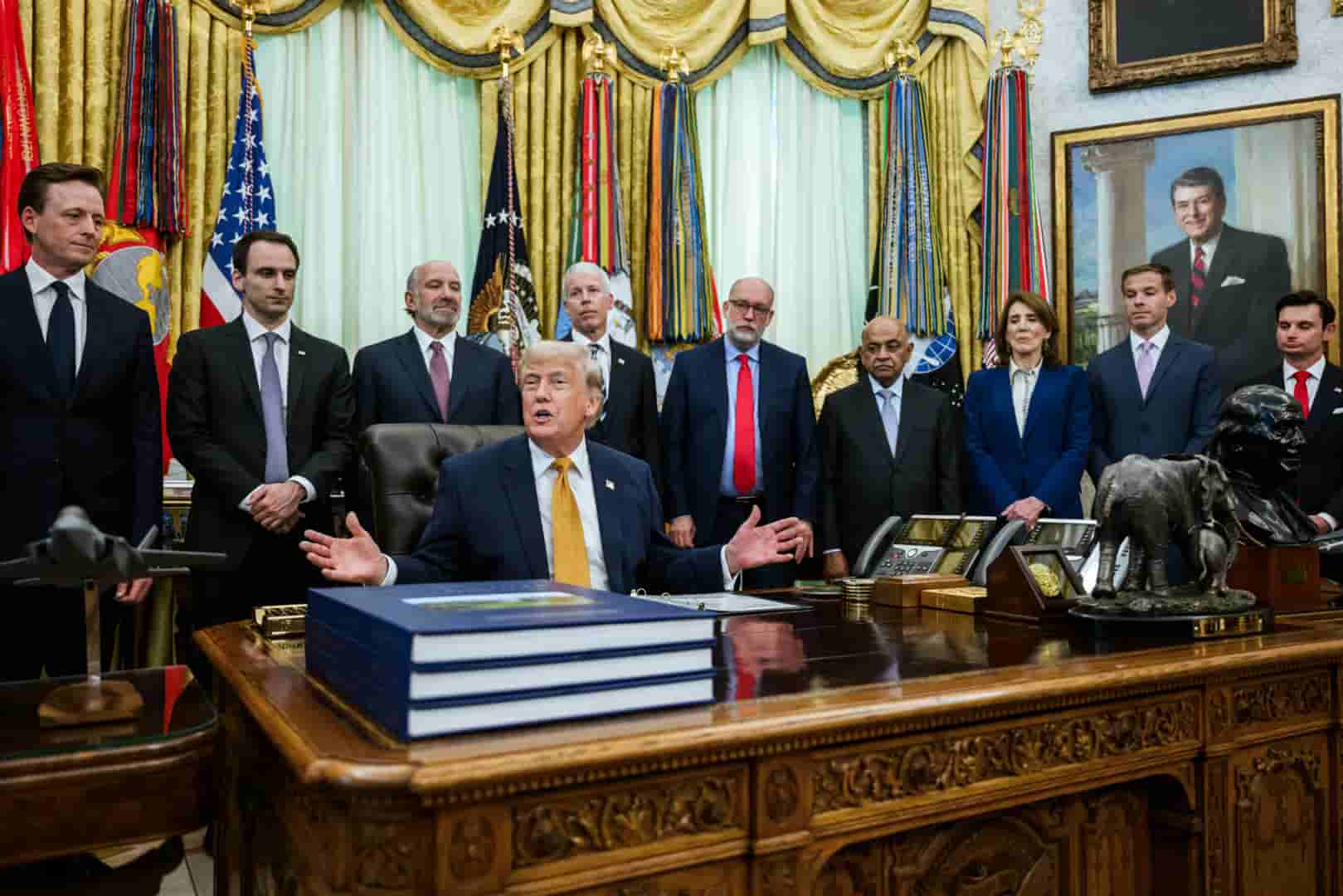
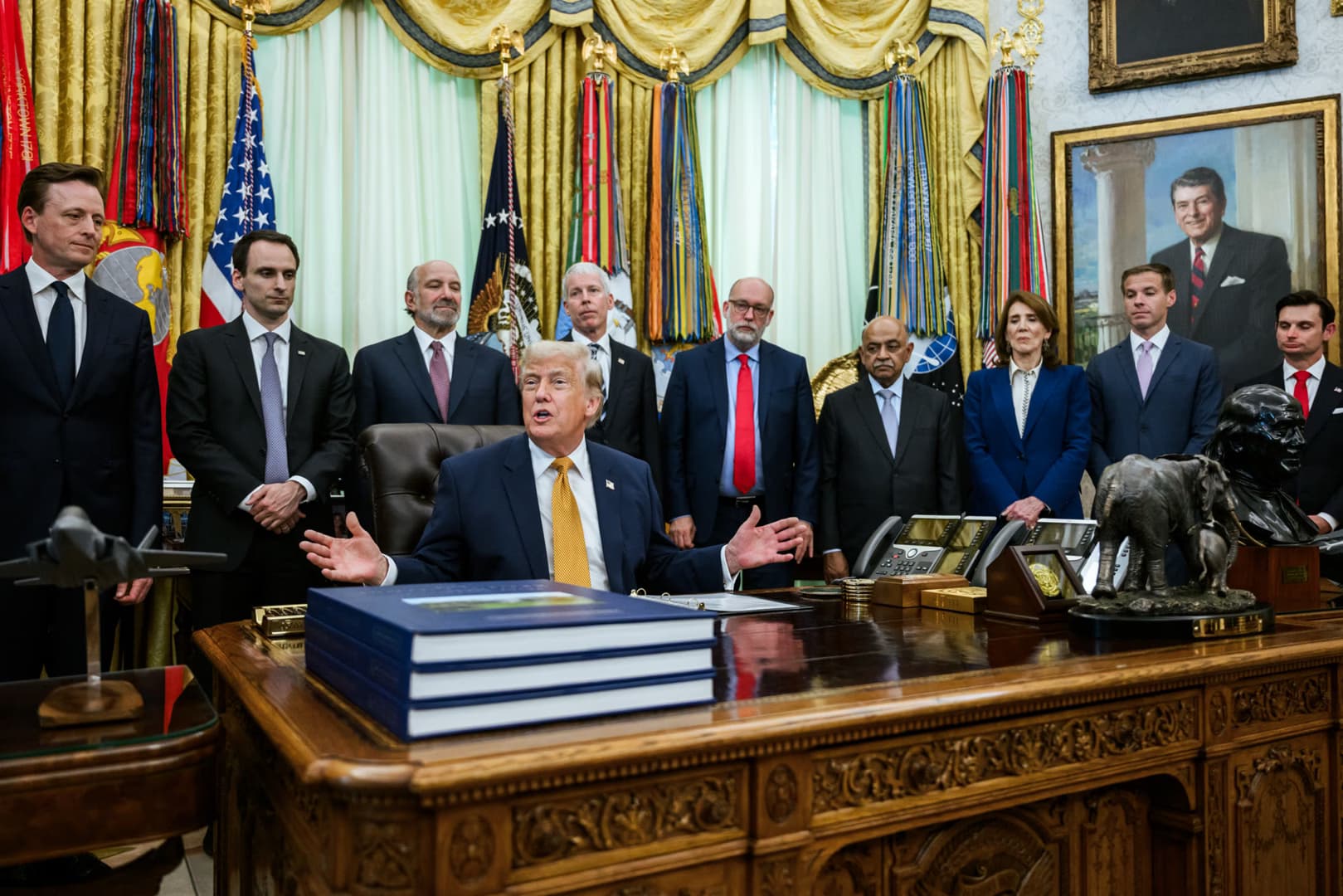
Melania Trump, the wife of the U.S. president, said she had helped Russia and Ukraine appoint teams to work on the technical terms of the ceasefire. Trump said the parties were working intensively on the details of the process, including clearing the mined roads.
Melania Trump described Oleshky as a frontline town on the brink of a major humanitarian disaster and said the remaining population urgently needed medical care, medicine, food and clean water. The White House said the two sides had agreed to temporarily halt military activities to deliver humanitarian aid and evacuate civilians.

Expectation of technical talks in Abu Dhabi
Ukrainian President Volodymyr Zelenskyy said negotiators from Russia, Ukraine and the United States had agreed to hold technical-level talks in Abu Dhabi in the first half of November. A U.S. official said the meeting could take place in Abu Dhabi or Switzerland within a few weeks.
Zelenskyy said he hoped a meeting between the leaders of the three countries would follow the technical talks. He said a possible peace agreement should include strong security guarantees for Ukraine and financing to maintain its army for 10 years.
The Ukrainian president also said Europe should be included in the negotiations. Previous U.S.-led rounds of talks had stalled in February without producing results. Russia wants Ukraine to give up the eastern Donbas region, including areas not occupied by Russia, while Kyiv refuses to relinquish territory under its control.
Disputes between Washington and Kyiv
The new diplomatic initiative emerged after disputes between Washington and Kyiv in recent weeks. Restrictions on the speed of SpaceX’s Starlink communications system, which Ukraine uses to protect itself against attacks, became one of the main issues between the two sides.
U.S. President Donald Trump said that if Ukraine continued to experience problems with Starlink, he would speak with SpaceX Chief Executive Elon Musk and resolve the issue. Ukrainian officials said the speed restrictions on the system were continuing. The restrictions have been in effect since October 13.
Trump’s announcement of an agreement to supply diesel fuel from Russia to the United States and global markets was also among the issues that drew a reaction from Kyiv. Russian Deputy Prime Minister Alexander Novak announced that the first three tankers carrying Russian diesel fuel had set out for North America.
270 soldiers exchanged from each side
Russia and Ukraine conducted a prisoner exchange the same day involving 270 soldiers from each side. Zelenskyy described the exchange, the first since August, as an important result.
Ukraine’s serving prosecutor general, Anton Kovalskyi, alleged that more than 19,000 Ukrainian civilians, including 762 children, had been killed since the beginning of Russia’s full-scale war.