- BIST10011,131-3.02%
- USD50.47+0.05%
- EUR55.46+0.20%
- GOLD3,539.00-3.98%
- INTEREST36.00%-1.00
- BITCOIN59,021-4.66%
- November 21, 202616°
- BIST10011,131-3.02%
- USD50.47+0.05%
- EUR55.46+0.20%
- GOLD3,539.00-3.98%
- INTEREST36.00%-1.00
- BITCOIN59,021-4.66%
- November 21, 202616°
Regulators from 38 countries warn Ukraine’s nuclear accident risk is rising this winter
Associations of nuclear and radiation regulators that include EU countries, the United States, the United Kingdom, Canada and Japan called on Russia to stop strikes on Ukraine’s energy system. Moscow has previously said attacks by Ukrainian drones threaten the safety of the Zaporizhzhia Nuclear Power Plant.


The risk of a nuclear accident in Ukraine is rising this winter, nuclear and radiation safety authorities from 38 countries warned on Monday. Three international associations issued the joint statement, Reuters reported: HERCA, the Heads of the European Radiological Protection Competent Authorities; WENRA, the Western European Nuclear Regulators Association; and NORA, the association of heads of Nordic radiation authorities.
Together, they represent all European Union countries, as well as the United States, the United Kingdom, Canada and Japan. The regulators expressed “deep concern” over the growing risks to nuclear safety caused by the war and continuing strikes on Ukraine’s energy infrastructure. They called on Russia to stop attacks on nuclear facilities and the energy system on which their safe operation depends.
Worst-case scenario is a blackout affecting all nine reactors
Nuclear power plants need a reliable external power supply to operate cooling systems, even when their reactors are not generating electricity. Regulators fear that prolonged disruptions to external power could make it difficult to cool nuclear materials. If cooling systems fail, a core meltdown and the release of radioactive substances are possible.
Per Strand, head of HERCA and NORA, told Reuters that the strikes had become more dangerous in recent weeks: He said the drones were carrying more powerful explosives and hitting targets more accurately. “Clearly, the highest risk of a nuclear accident will come this winter,” he said. Strand called a nationwide power outage affecting all nine operating reactors in the country at the same time the worst-case scenario.
This is a potential risk, not an expected course of events: Nuclear power plants have emergency systems that maintain safety functions when external power is lost. Strand said the worst-case scenario could still be avoided by protecting energy infrastructure and securing an end to the strikes. He also called on European countries to coordinate emergency preparedness plans in case of an incident.
Three plants provide about 80% of Ukraine’s electricity
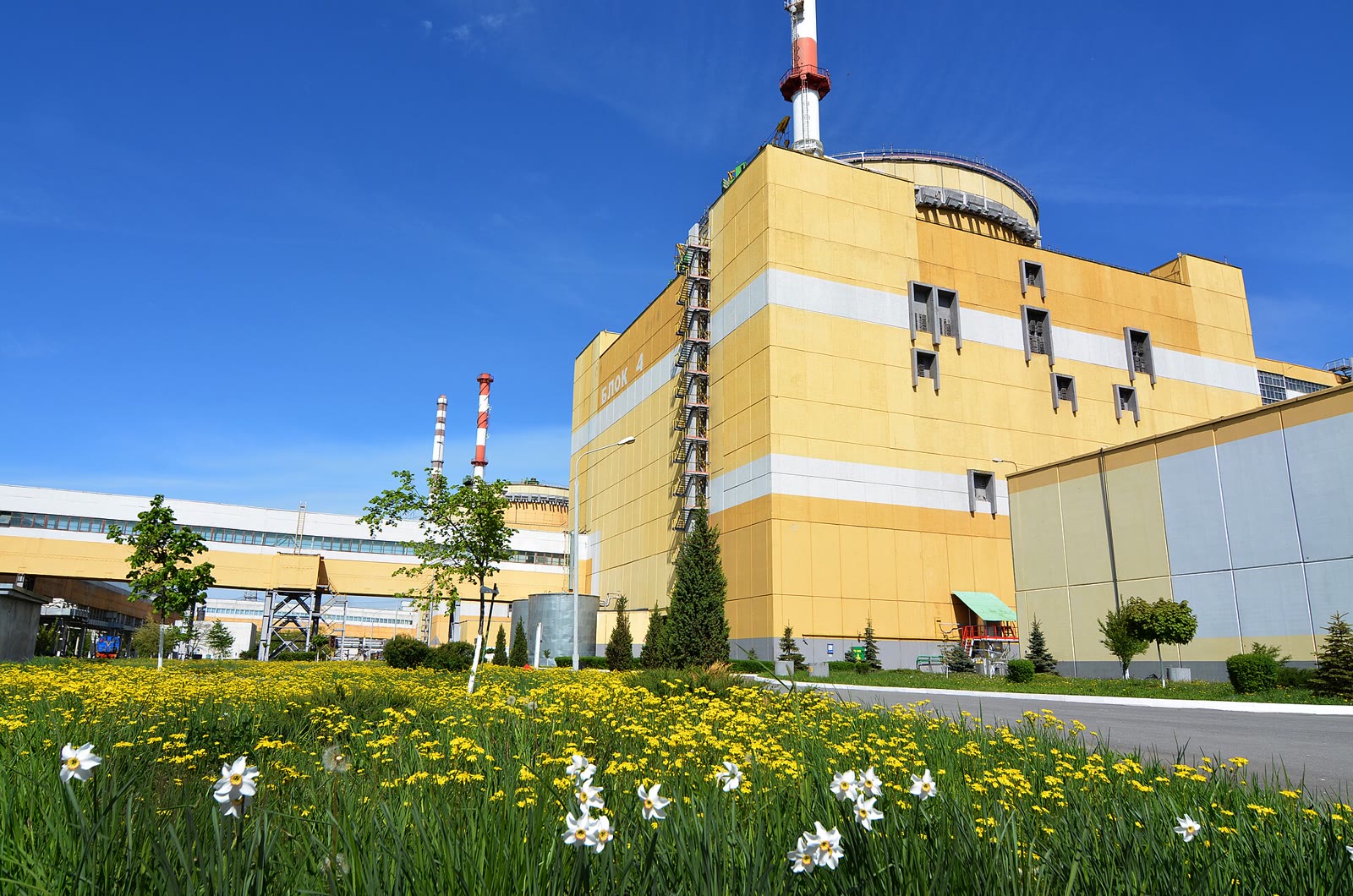
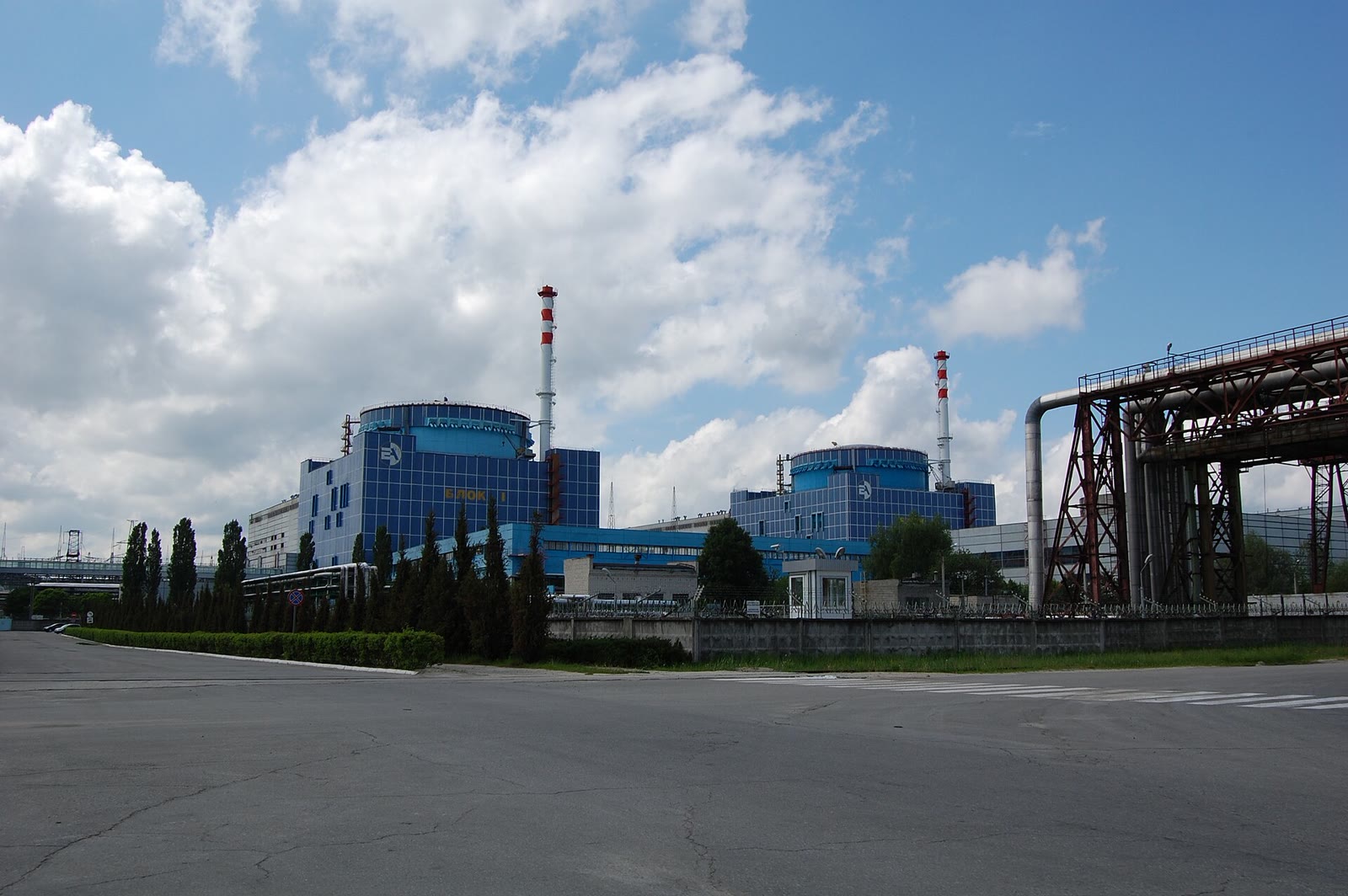
Ukraine has four nuclear power plants. Three of them — Rivne, South Ukraine and Khmelnytskyi — are operating and, according to Reuters, provide about 80% of the electricity consumed in the country this winter. On November 14, the International Atomic Energy Agency said military activity during the previous week had destabilized the energy system and forced some reactor units to reduce output.
The fourth plant, the Zaporizhzhia Nuclear Power Plant, has been under Russian control since March 2022. It does not generate electricity but needs external power to cool its fuel. The IAEA said that since the start of the war, the plant had lost external power 27 times and switched to backup diesel generators, and that since late March it had depended on a single power line. The plant last lost external power during the night of November 8; it was later restored after repairs.
Moscow’s position
Russia and Ukraine have repeatedly accused each other of attacking the Zaporizhzhia Nuclear Power Plant and the power lines supplying it. Russia’s permanent representative to international organizations in Vienna, Mikhail Ulyanov, said in an interview with Kommersant published on November 15 that IAEA Director General Rafael Grossi could have “articulated more clearly and forcefully the unacceptability of the attacks” on the Zaporizhzhia plant and Enerhodar.
Ulyanov said that on November 9, after Russia’s permanent mission reported that another Zaporizhzhia plant employee and an employee of the Zaporizhzhia Thermal Power Plant had been killed in attacks by Ukrainian drones, Grossi strongly condemned the attacks. “These are strong formulations, but they still have one shortcoming: The director general traditionally avoids naming Ukraine as the responsible party,” the diplomat said.
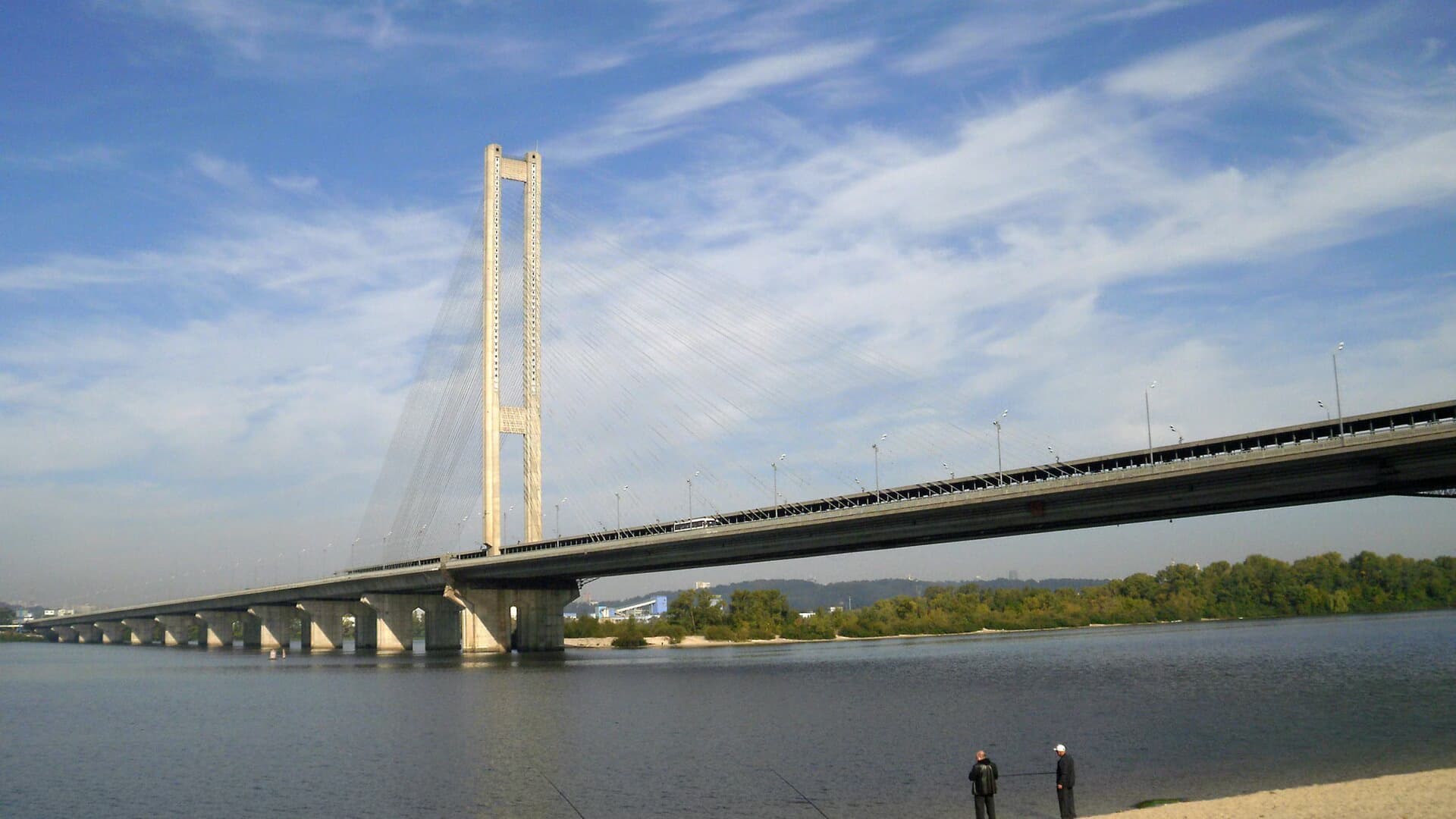
Photo: Wikimedia Commons (archive). Sources: Reuters, IAEA, Kommersant.
Stay Updated with RuskiGazeta
Subscribe to be informed about special news, developments and announcements. We will keep you informed.
By signing up, you agree to our Privacy Policy