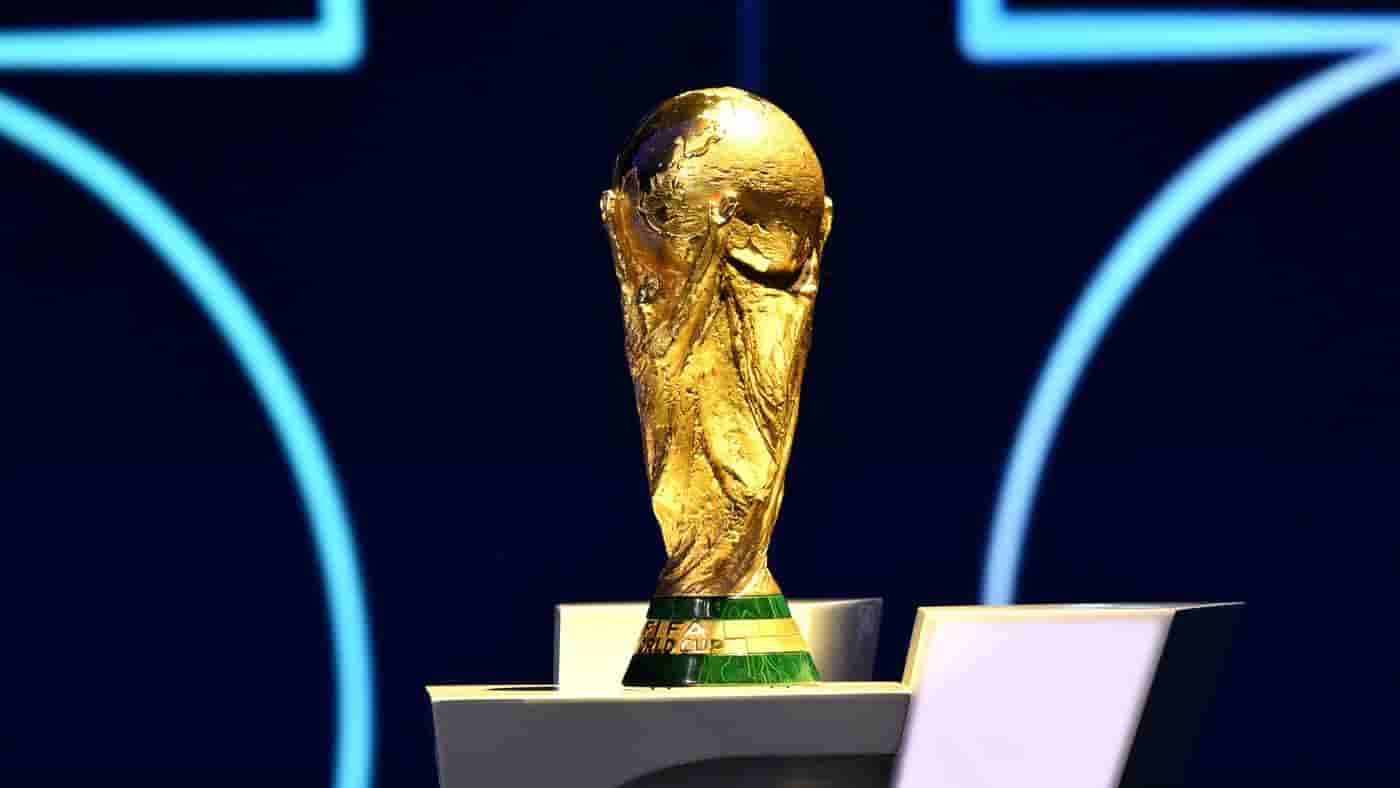
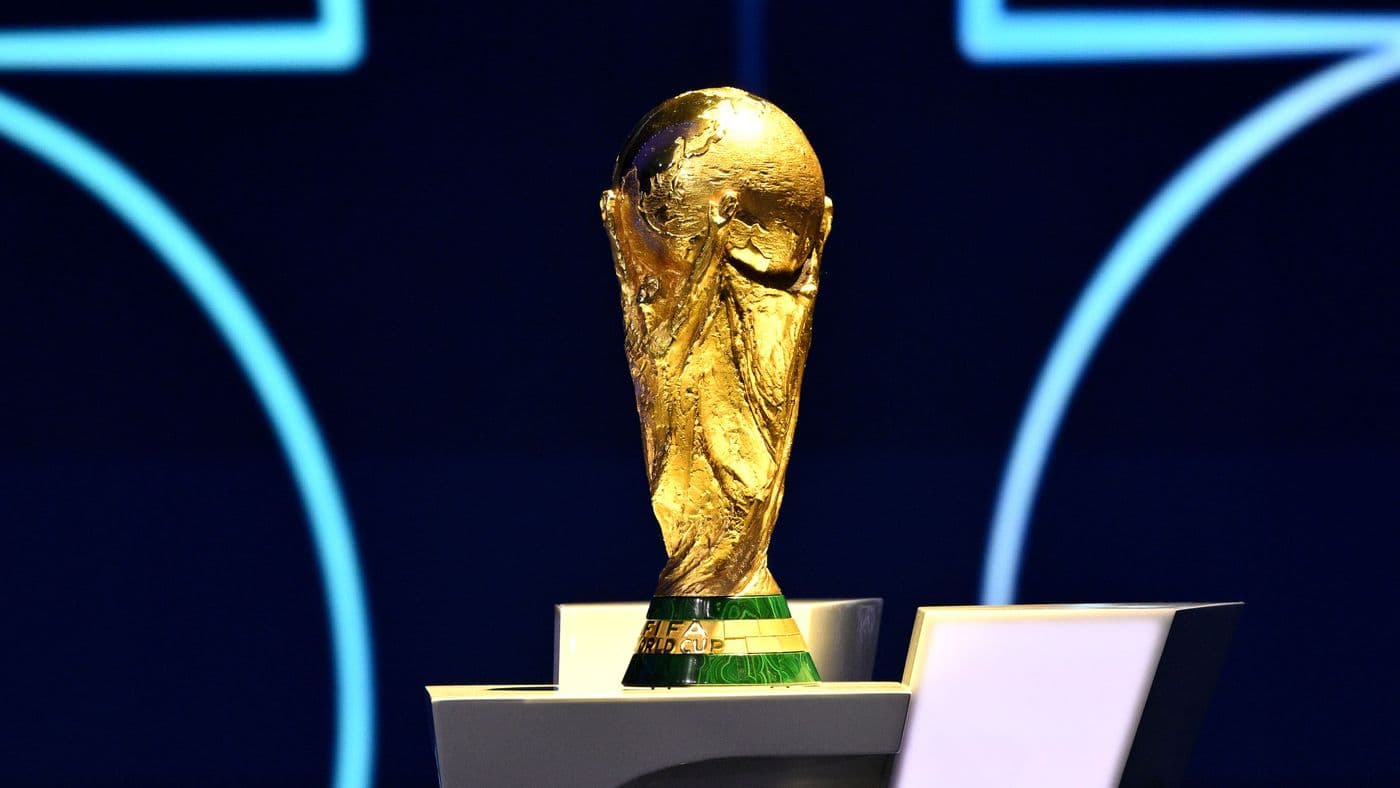
The World Cup is in the spotlight this year not only for the competition on the pitch but also for the political debates escalating ahead of the tournament. The decision to award the event to three countries, ticket prices, security concerns, boycott calls and discrimination allegations have widened the frame around football.
European Parliament members Rasmus Andresen and Lukas Mandl assessed the politicization of football from different angles in the latest episode. At the heart of the debate was the question of whether the World Cup is still just a sporting event.
Three host countries and a growing debate
This year's tournament is being held with three host countries for the first time, shared between Canada, Mexico and the US. The event, which will feature 48 teams and more than 1,200 players, is also drawing attention due to its scale.
But the debate was not limited to the format. Transportation, security, migration, racism and the political climate shaped around Donald Trump in the US were listed among the topics overshadowing the tournament.
In particular, the rise in ticket prices has led many fans to reconsider their plans to attend matches in North America. This has reinforced the question of whether the tournament is a fan-centered sporting spectacle or an investment-driven mega-event.
Mandl: Football brings the world together for a few weeks
Mandl argued that the World Cup is an event that should be celebrated despite the problems. He said that football brings people together around a sense of family for a few weeks and stressed that unnecessarily politicizing the tournament or confining it to an elitist frame would not be beneficial.
Mandl's approach also aligned with earlier remarks by FIFA President Gianni Infantino at a high-level meeting of European football in Brussels. Infantino had said that in a divided world, moments that bring people together are needed and that the World Cup would be a great example of that.
Infantino also pointed to the importance of 90-minute matches for billions of people to briefly forget their problems.
Andresen: Fans must remain at the heart of the game
Andresen, however, took a more critical line. He said that football must not turn into a playground for investors and pricing algorithms.
According to Andresen, the exclusion of fans from the stands and the treatment of clubs as assets in global ownership networks are eroding the social and solidarity-based value of the sport. He therefore called for stronger ownership rules, transparency and oversight of ticket pricing.
Andresen also argued that Europe can no longer stand on the sidelines on this issue. In his view, football must be protected as a public good, not just as a profit-generating industry.
Eyes on the coming weeks
The debate is expected to grow further in the coming weeks. Whether the World Cup can refocus global attention on football or remain overshadowed by political debates will be decisive for the course of the tournament.
On one side, there is the expectation of a unifying sporting spectacle; on the other, sharpening criticism over prices, security and discrimination. The tournament has therefore reopened the debate not only about who will lift the trophy, but also about the future social role of football.