- BIST10011,722-2.89%
- USD49.45+0.05%
- EUR55.62+0.37%
- GOLD4,181.10+0.26%
- INTEREST37.00%-1.00
- BITCOIN81,067-0.39%
- October 18, 202613°
- BIST10011,722-2.89%
- USD49.45+0.05%
- EUR55.62+0.37%
- GOLD4,181.10+0.26%
- INTEREST37.00%-1.00
- BITCOIN81,067-0.39%
- October 18, 202613°
Poland Revokes Zelenskyy's Order of the White Eagle
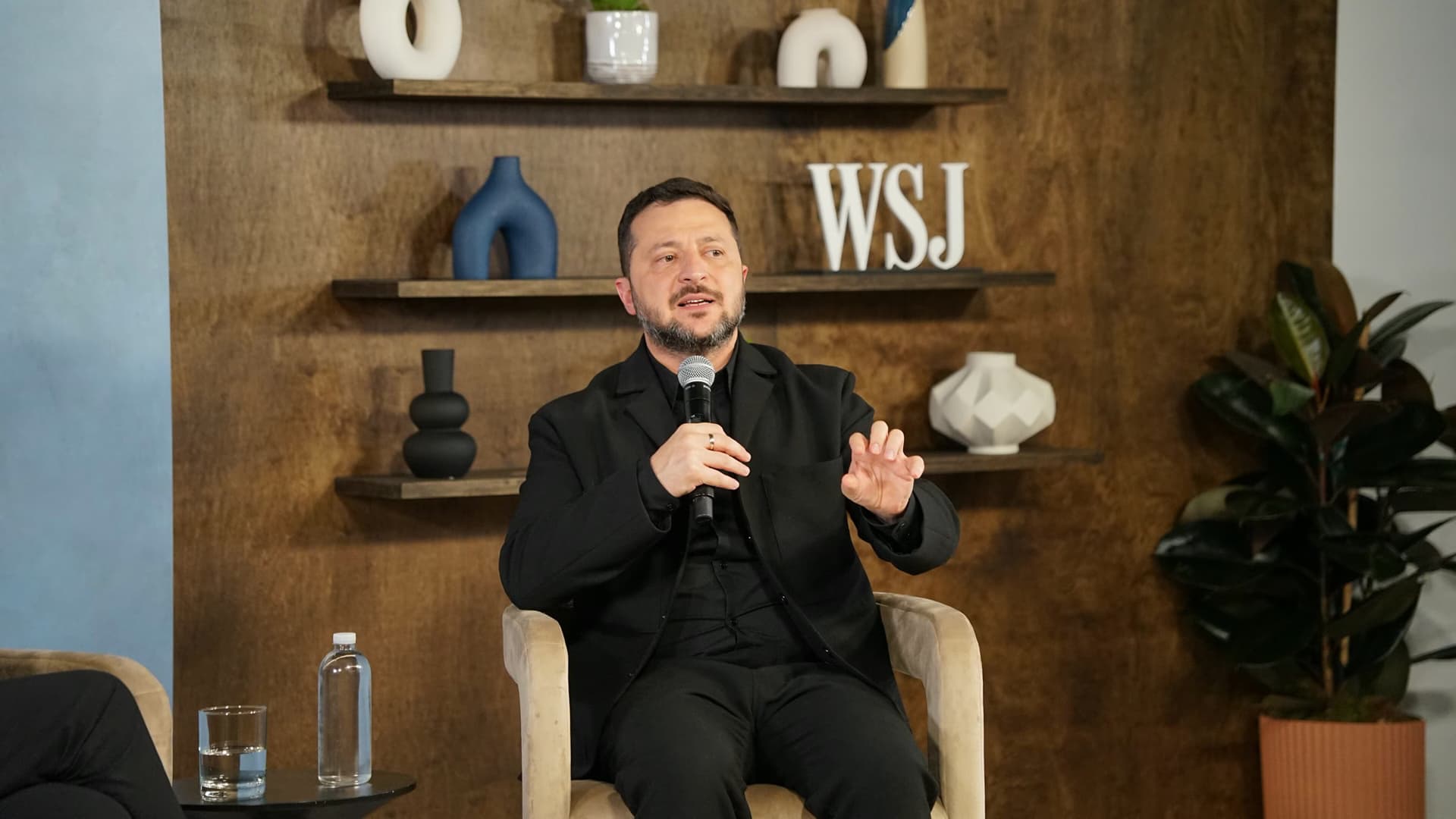
Polish President Karol Navrotsky announced the withdrawal of the Order of the White Eagle awarded to Ukrainian President Volodymyr Zelenskyy, citing Ukraine's glorification of historical UPA leaders.


Polish President Karol Navrotsky announced the revocation of the Order of the White Eagle from Ukrainian President Volodymyr Zelenskyy. Navrotsky stated the reason for this decision was the Ukrainian side's glorification of leaders of the Ukrainian nationalist organization UPA from the Second World War period.
Tensions behind the decision
The decision followed Zelenskyy's participation in a reburial ceremony for the remains of Andriy Melnyk, a leader of the Organization of Ukrainian Nationalists-Ukrainian Insurgent Army (UPA), and his wife in late last month. Zelenskyy also named a special operations center 'North' of the Ukrainian Armed Forces Special Operations Forces after 'heroes of the UPA'.
In response to these developments, the Polish President initiated the process to withdraw the Order of the White Eagle, which had been awarded to Zelenskyy by then-President Andrzej Duda in 2023.
Core issue in relations: The Volhynia Massacre
One of the most challenging issues in Ukraine-Poland relations is the interpretation of the Volhynia Massacre and the stance towards UPA leaders. The lower house of the Polish parliament adopted a resolution in the summer of 2016 recognizing July 11 as a national day of remembrance for the victims of genocide committed by Ukrainian nationalists against residents of the Second Polish Republic between 1943 and 1945.
According to the official Polish view, mass killings of the Polish population living in Volhynia, Eastern Galicia, and the southeastern voivodeships of the Second Polish Republic between 1939 and 1945 were carried out by supporters of the OUN-UPA.
Commentary on the future of relations from Ukrainian media
The Ukrainian publication 'Strana. Ua' predicts that relations between Warsaw and Kyiv will continue to deteriorate. The publication notes that while it is currently unlikely that Poland will become a 'second Hungary' blocking all military and economic support for Ukraine, concerning signals have begun to arrive from Warsaw.
According to the outlet, the area where problems will certainly deepen is Ukraine's EU accession negotiations. In this process, Poland has the opportunity to exert maximum influence 'throwing a spanner in the works' by making extremely tough demands on economic and other concessions to prevent Kyiv from becoming a dangerous rival.
Stay Updated with RuskiGazeta
Subscribe to be informed about special news, developments and announcements. We will keep you informed.
By signing up, you agree to our Privacy Policy