- BIST10011,843+1.51%
- USD50.26+0.06%
- EUR55.74-0.44%
- GOLD3,882.00-0.08%
- INTEREST36.00%-1.00
- BITCOIN68,579-3.91%
- November 14, 202619°
- BIST10011,843+1.51%
- USD50.26+0.06%
- EUR55.74-0.44%
- GOLD3,882.00-0.08%
- INTEREST36.00%-1.00
- BITCOIN68,579-3.91%
- November 14, 202619°
Patent-holding migrants to pay 50% more income tax per child from 2027
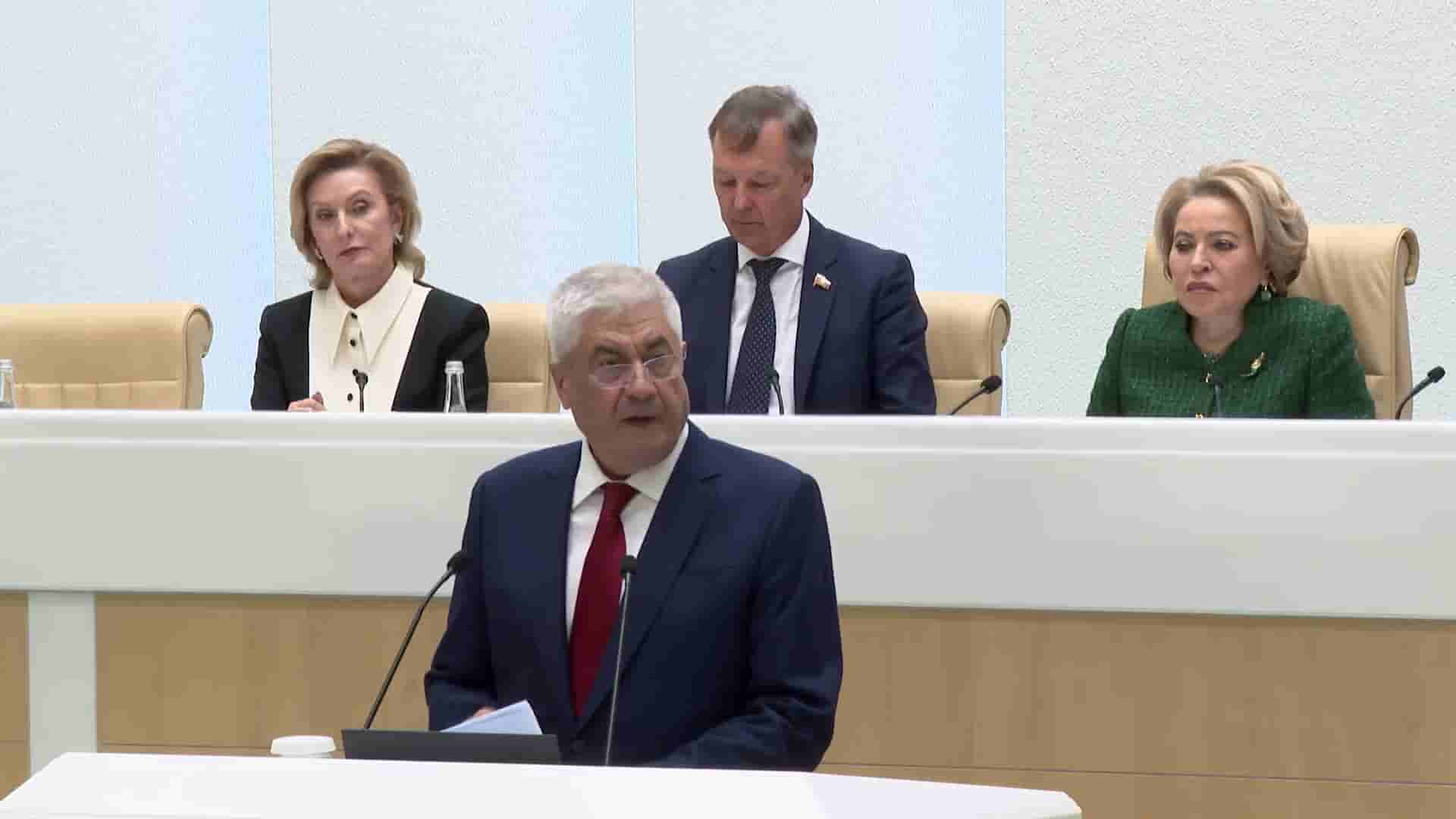
Interior Minister Vladimir Kolokoltsev reminded senators that from January 1, the fixed advance payment of personal income tax for foreign nationals will increase for each dependent minor. President Vladimir Putin signed the law, initiated by the Interior Ministry, in July.
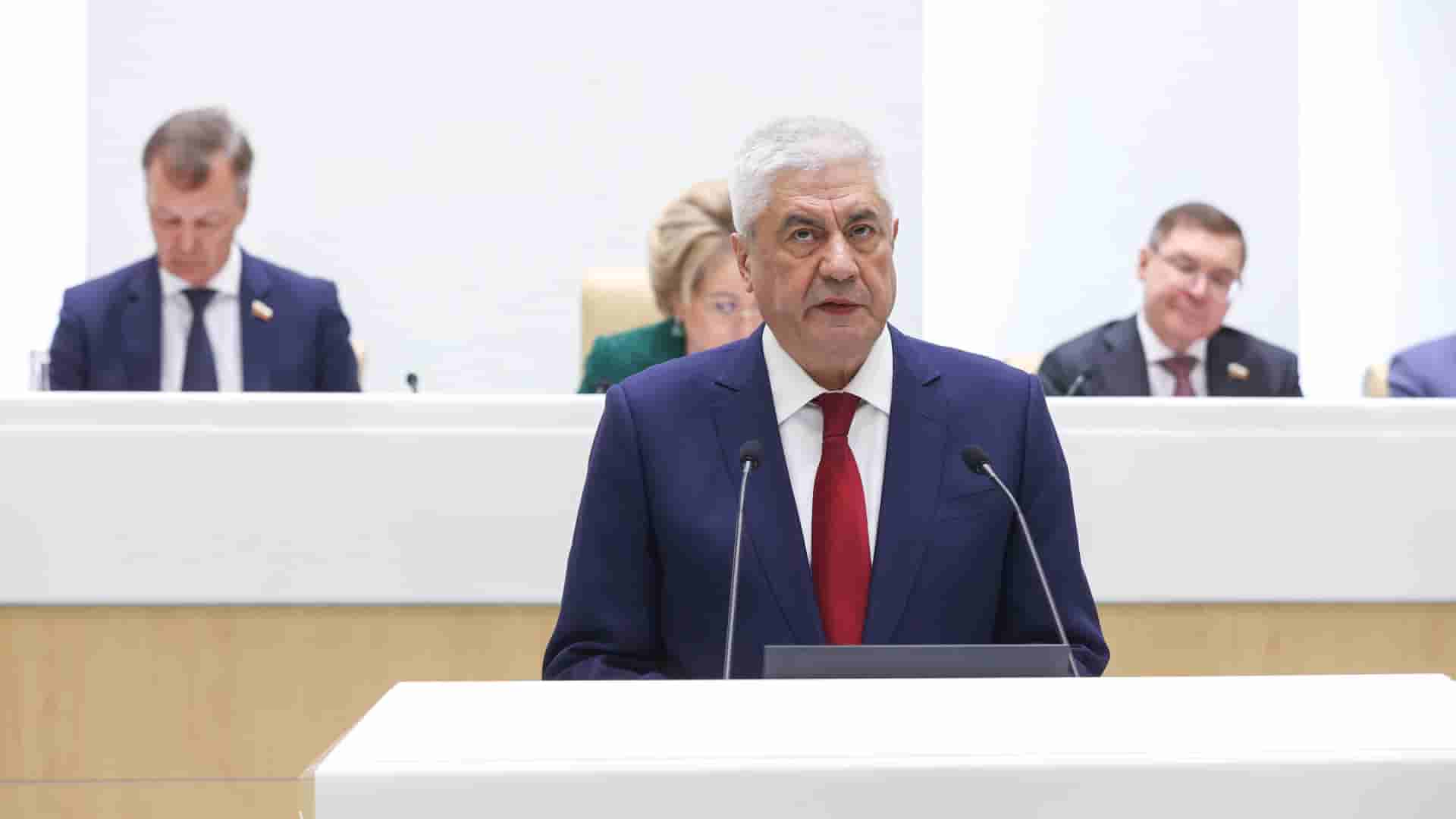
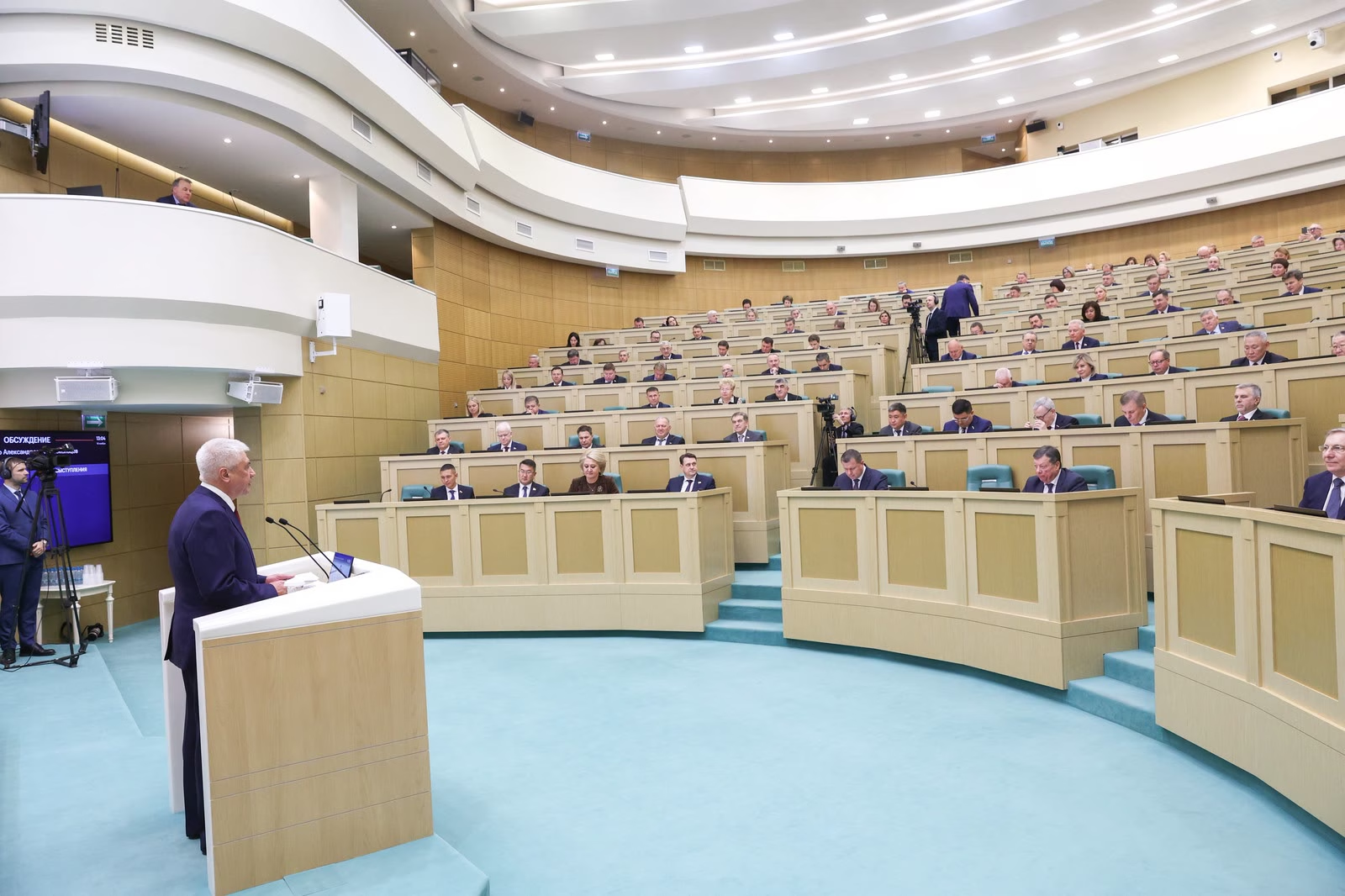
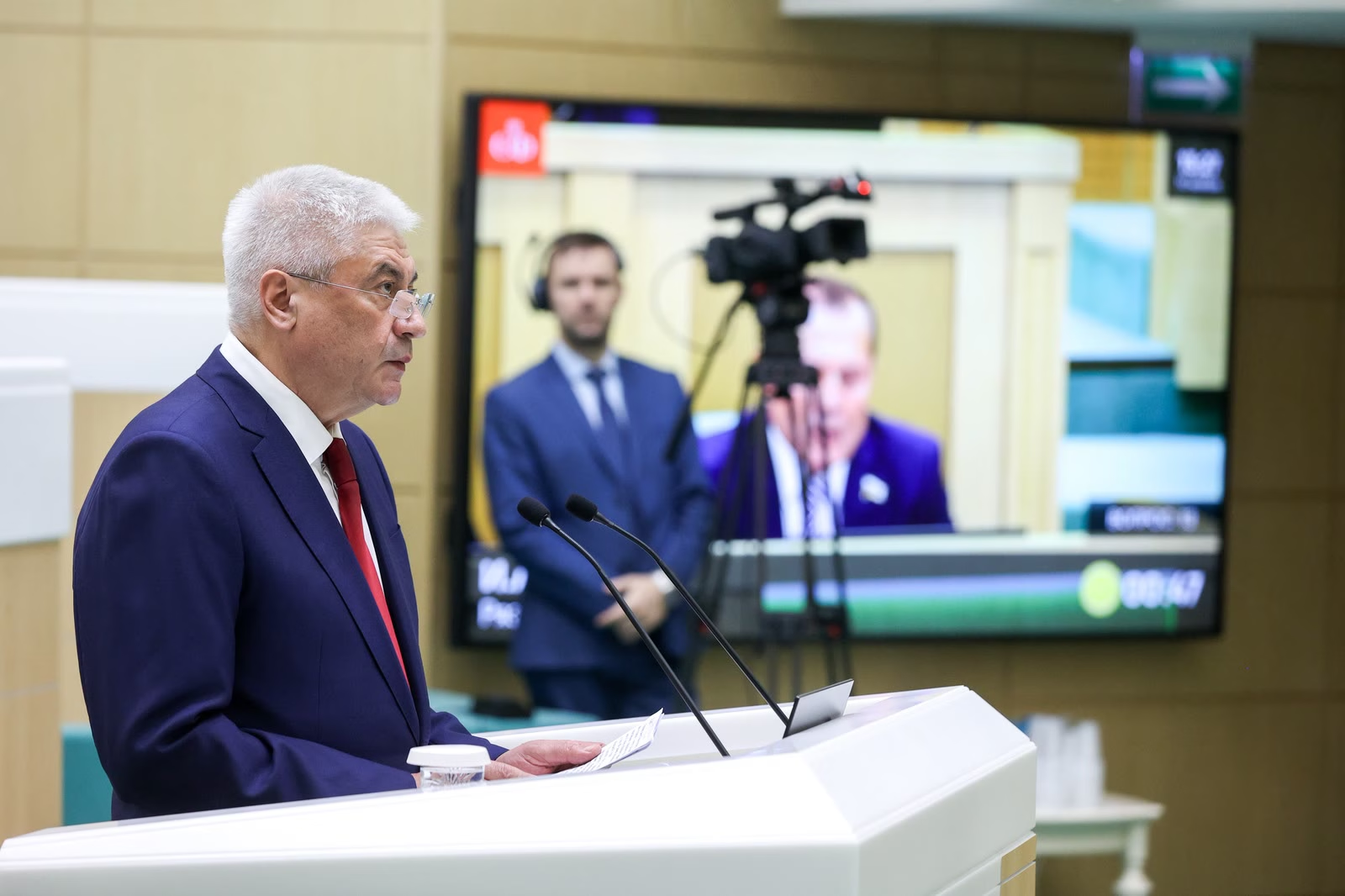
Starting January 1, 2027, labor migrants working in Russia under a patent will pay more for children they bring with them. Interior Minister Vladimir Kolokoltsev reminded senators of this on November 10 while speaking during a “government hour” in the Federation Council. “From 2027, additional taxation will apply to each family member staying in the country,” Business Online quoted the minister as saying.
The changes concern amendments to the Tax Code that the State Duma adopted in July and President Vladimir Putin signed on July 26. As explained by ConsultantPlus, the fixed advance payment of personal income tax will increase by 50% for each child under 18, including an adopted child or one under guardianship. If a child is supported by several foreign nationals who pay the advance, only one of them will pay the surcharge, at their choice.
Income must be at least the subsistence minimum
Under the second law in the package, migrants must support themselves and dependent family members at a level no lower than the subsistence minimum, taking the regional coefficient into account. If this condition is not met, the patent or work permit will not be extended, and the foreign national and their minor children will have to leave the country within 15 days, Interfax reported. The children’s period of stay is tied to the duration of the parent’s patent; once they turn 18, they must either leave or obtain a patent of their own.
The Interior Ministry will check incomes. According to Business Online, tax authorities will automatically transmit information about migrants’ income to the ministry for three-, six-, nine- and twelve-month periods.
Why the Interior Ministry says it is needed
Kolokoltsev said the law was initiated by the ministry and should reduce the burden on the entire social services sector, Kommersant reported. The minister also said that since 2025, the number of migrant family members who neither work nor study has fallen by 20%. Last year, foreign workers paid 172 billion rubles for patents, 39% more than the previous year.
Lawyer Maya Shevtsova, whose explanations were published by TV Center, emphasized that the law does not introduce a separate tax on children: the existing advance payment is increasing, while the final amount depends on the region. State Duma Chairman Vyacheslav Volodin said in the summer that the new rules would discourage migrants from arriving with their families and reduce the burden on healthcare and education, while regions would receive additional revenue because patent fees are set locally.
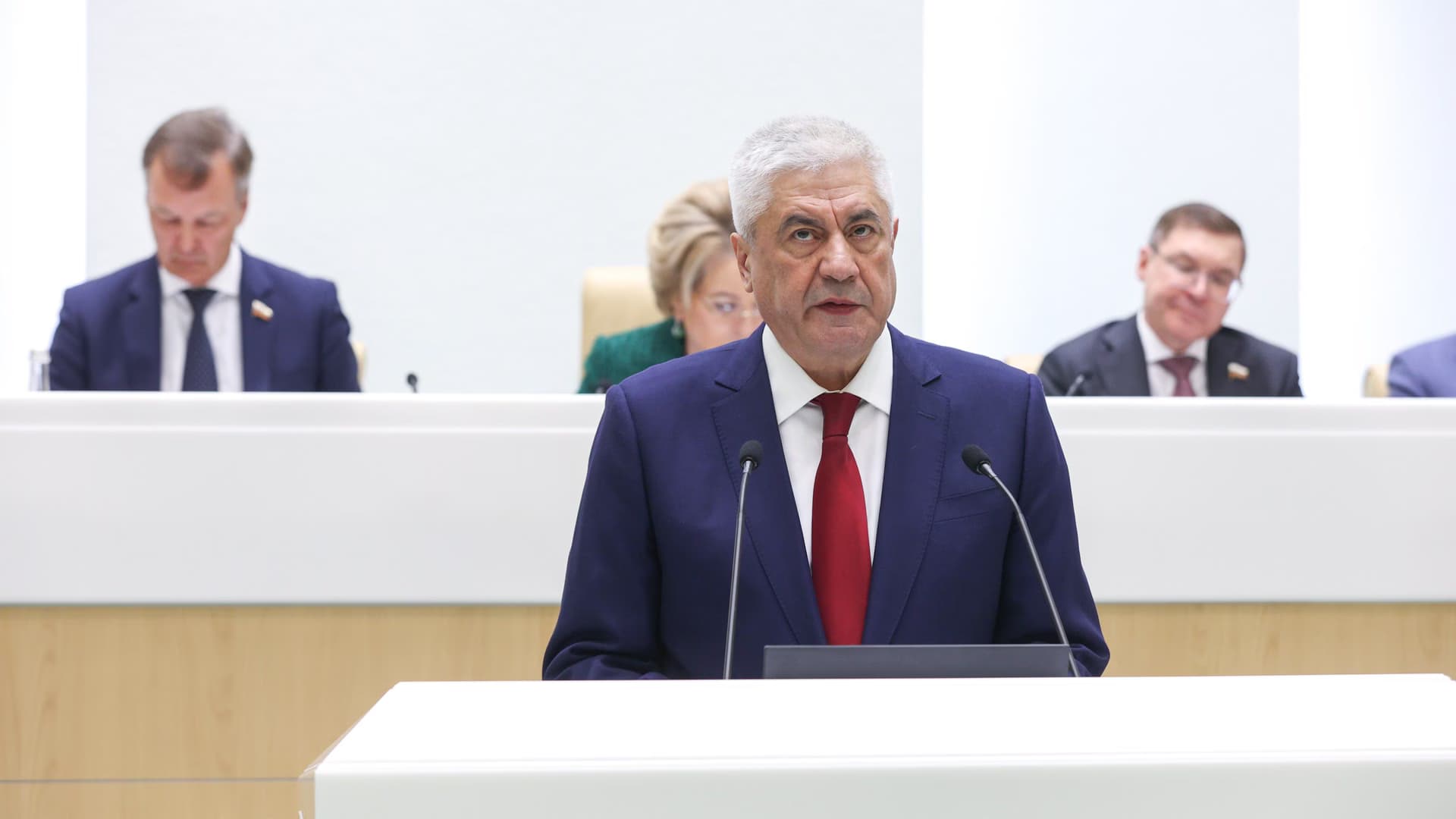
Photo: Federation Council press service (council.gov.ru, CC BY 4.0)
Stay Updated with RuskiGazeta
Subscribe to be informed about special news, developments and announcements. We will keep you informed.
By signing up, you agree to our Privacy Policy