- BIST10010,760-3.63%
- USD49.86+0.15%
- EUR55.82+0.52%
- GOLD3,898.90-3.29%
- INTEREST36.00%-1.00
- BITCOIN77,643+0.26%
- November 1, 202614°
- BIST10010,760-3.63%
- USD49.86+0.15%
- EUR55.82+0.52%
- GOLD3,898.90-3.29%
- INTEREST36.00%-1.00
- BITCOIN77,643+0.26%
- November 1, 202614°
Moscow summit will spotlight Russia-Africa energy and grain partnership
The third summit bringing Russia and African countries together will begin in Moscow on Wednesday and last two days. Forty-eight of Africa’s 54 countries have confirmed their participation, with 22 represented at the head-of-state level.


The third Russia-Africa Summit, aimed at expanding economic and humanitarian ties between Russia and African countries, will begin in Moscow on Wednesday. The two-day summit’s agenda includes energy, food security, agriculture, trade, infrastructure, science, technology, education and humanitarian cooperation.
Forty-eight of Africa’s 54 countries have confirmed that they will attend the meeting. Twenty-two of these countries are expected to be represented at the head-of-state level.
Russian President Vladimir Putin and the chairperson of the African Union and President of Burundi, Evariste Ndayishimiye, will co-chair the summit. In addition to the meetings, bilateral talks and engagements with the leaders of regional organizations in Africa are also on the program.
The leaders scheduled to meet with Putin include Egyptian President Abdel Fattah el-Sisi and Ethiopian Prime Minister Abiy Ahmed. The Russia-Africa Economic and Humanitarian Forum has also been included in the Moscow program.
Trade volume and artificial intelligence plan
Trade and investment between Russia and Africa will be among the summit’s prominent topics. Sessions on transport and logistics will address steps that can be taken to expand trade routes, strengthen connectivity and diversify the products exchanged.
Yuri Ushakov, the Kremlin’s foreign policy adviser, said that Russia-Africa trade exceeded $27 billion in 2025. This level surpassed the approximately $16.8 billion recorded in 2019, when the summit was first held in Sochi.
Participants are expected to adopt the Russia-Africa Partnership Forum’s action plan for 2027-2029 and the final declaration. The agenda also includes issuing a separate cooperation declaration on the civilian use of artificial intelligence and signing intergovernmental and interinstitutional agreements in various sectors.
Energy projects and food supplies
Energy remains one of the most advanced areas of cooperation between Moscow and African countries. The El Dabaa nuclear power plant, being built by Rosatom in Egypt, is among the largest projects in this partnership.
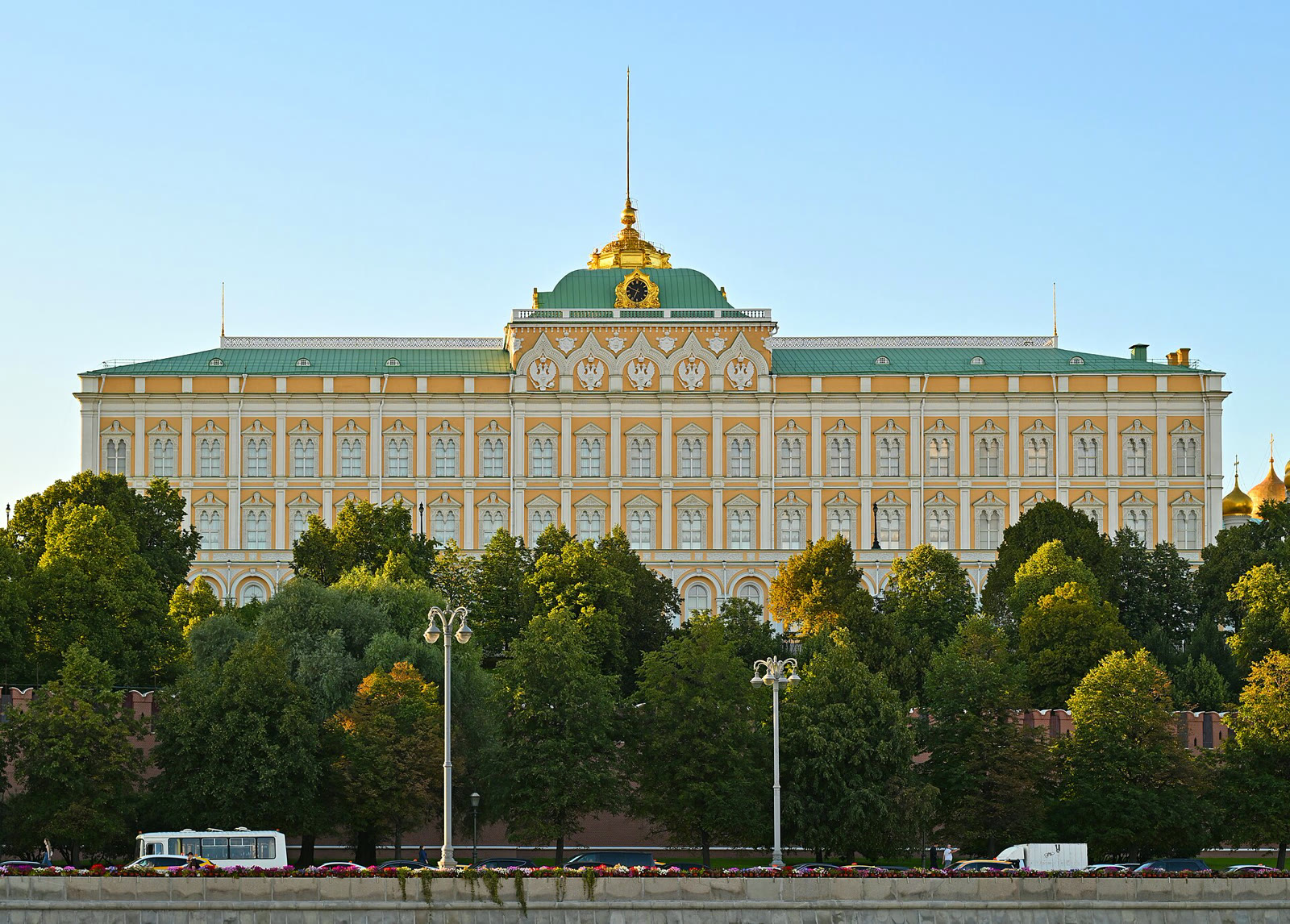
The forum to be held as part of the summit will address nuclear energy, conventional power generation, renewable resources, mining and the development of energy infrastructure. Some African countries facing rising electricity demand due to population growth and industrialization are considering options to increase their generation capacity.
Agriculture is also becoming an increasingly important topic in Russia-Africa relations. Russia supplies wheat and fertilizer to numerous African countries.
Following the summit held in St. Petersburg in 2023, Russia sent 200,000 metric tons of grain free of charge to Burkina Faso, Zimbabwe, Mali, Somalia, the Central African Republic and Eritrea. The shipments were carried out as part of fulfilling a commitment announced by Russian President Putin.
The talks in Moscow are expected to cover grain and fertilizer shipments, as well as agricultural technologies, food processing and logistics.
From Sochi to Moscow: the summit process
The Russia-Africa Summit was first held in Sochi in October 2019. At the second meeting, hosted by St. Petersburg in July 2023, participating countries adopted a declaration setting out the priorities for political, economic, security and humanitarian cooperation.
The leaders also agreed that the summit would be held every three years. A ministerial-level meeting format was established between Russia and African countries for the period between the two summits.
The first ministerial conference was held in Sochi in 2024. The second meeting, which addressed preparations, took place in Cairo in December 2025.
The meeting in Moscow will review the implementation of previous agreements and set new priorities that will remain in effect through 2029.
Stay Updated with RuskiGazeta
Subscribe to be informed about special news, developments and announcements. We will keep you informed.
By signing up, you agree to our Privacy Policy