- BIST10011,131-3.02%
- USD50.47+0.05%
- EUR55.46+0.20%
- GOLD3,539.00-3.98%
- INTEREST36.00%-1.00
- BITCOIN59,021-4.66%
- November 21, 202616°
- BIST10011,131-3.02%
- USD50.47+0.05%
- EUR55.46+0.20%
- GOLD3,539.00-3.98%
- INTEREST36.00%-1.00
- BITCOIN59,021-4.66%
- November 21, 202616°
Lithuanian president Nausėda may close Russia border after Estonia
Lithuanian President Gitanas Nausėda called Tallinn’s decision to close all border crossings from December 1 justified and did not rule out a similar step if “attempts to destabilize” continue. He identified transit to the Kaliningrad region as the main limiting factor.
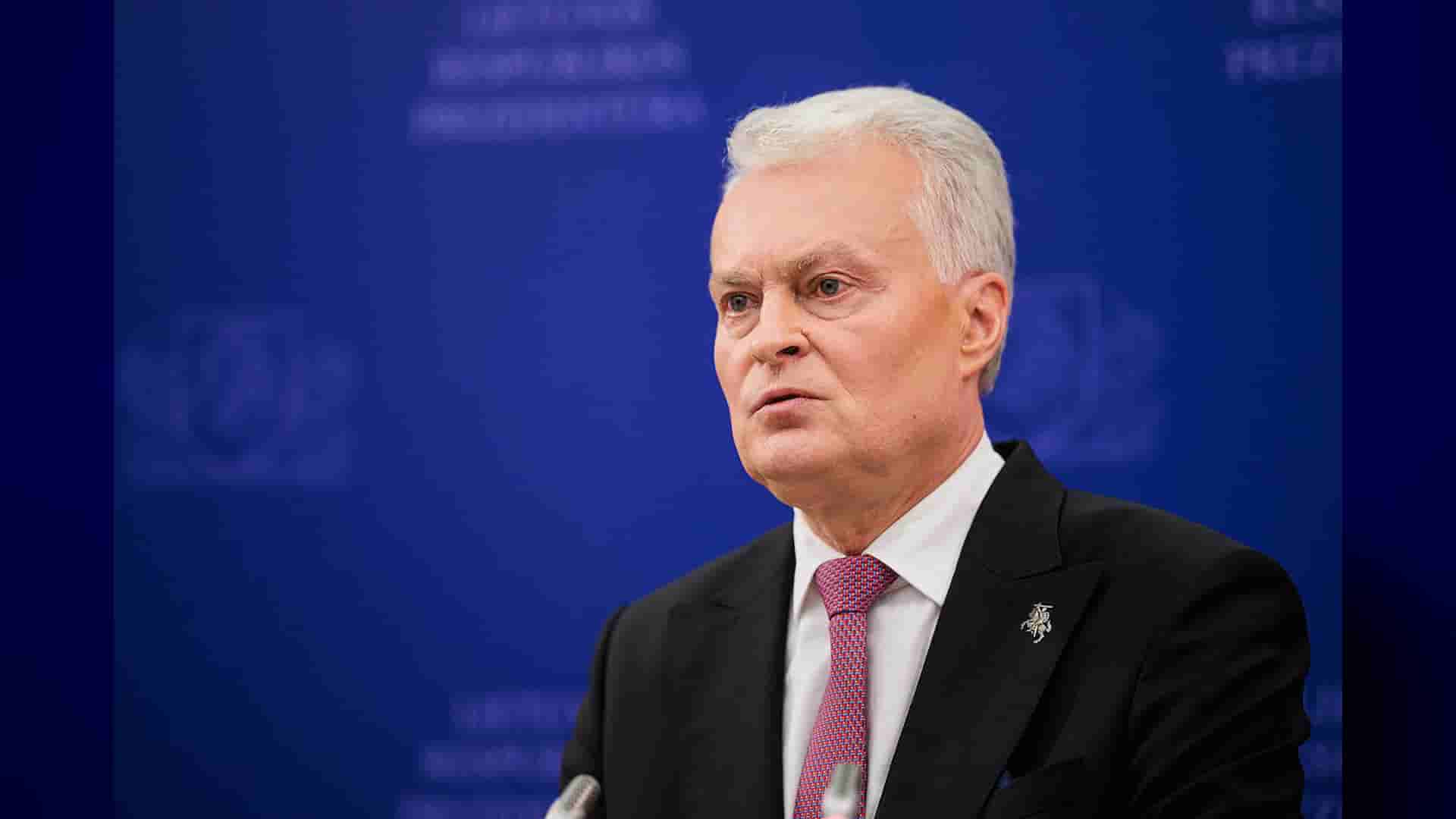
Lithuania may follow Estonia’s example and close its border with Russia if attempts to destabilize the situation in the region continue. Lithuanian President Gitanas Nausėda told journalists on Monday, November 16, while commenting on Tallinn’s decision to close all checkpoints on the Estonian-Russian border from December 1.
“Estonia’s decision is appropriate. Estonia is facing very brazen attempts that could be described as acts of sabotage. In essence, these are kinetic actions creating a very dangerous precedent. This is not news for the region, so Estonia’s decision is quite understandable to me,” the Lithuanian broadcaster LRT quoted the president as saying.
A caveat over transit
Nausėda stressed that Vilnius would also have to take the country’s special circumstances into account. “Lithuania could also take such decisions, but we must consider all the circumstances, above all the fact that we are a transit country for Kaliningrad,” he said. A land route between mainland Russia and the Kaliningrad region runs through Lithuanian territory.
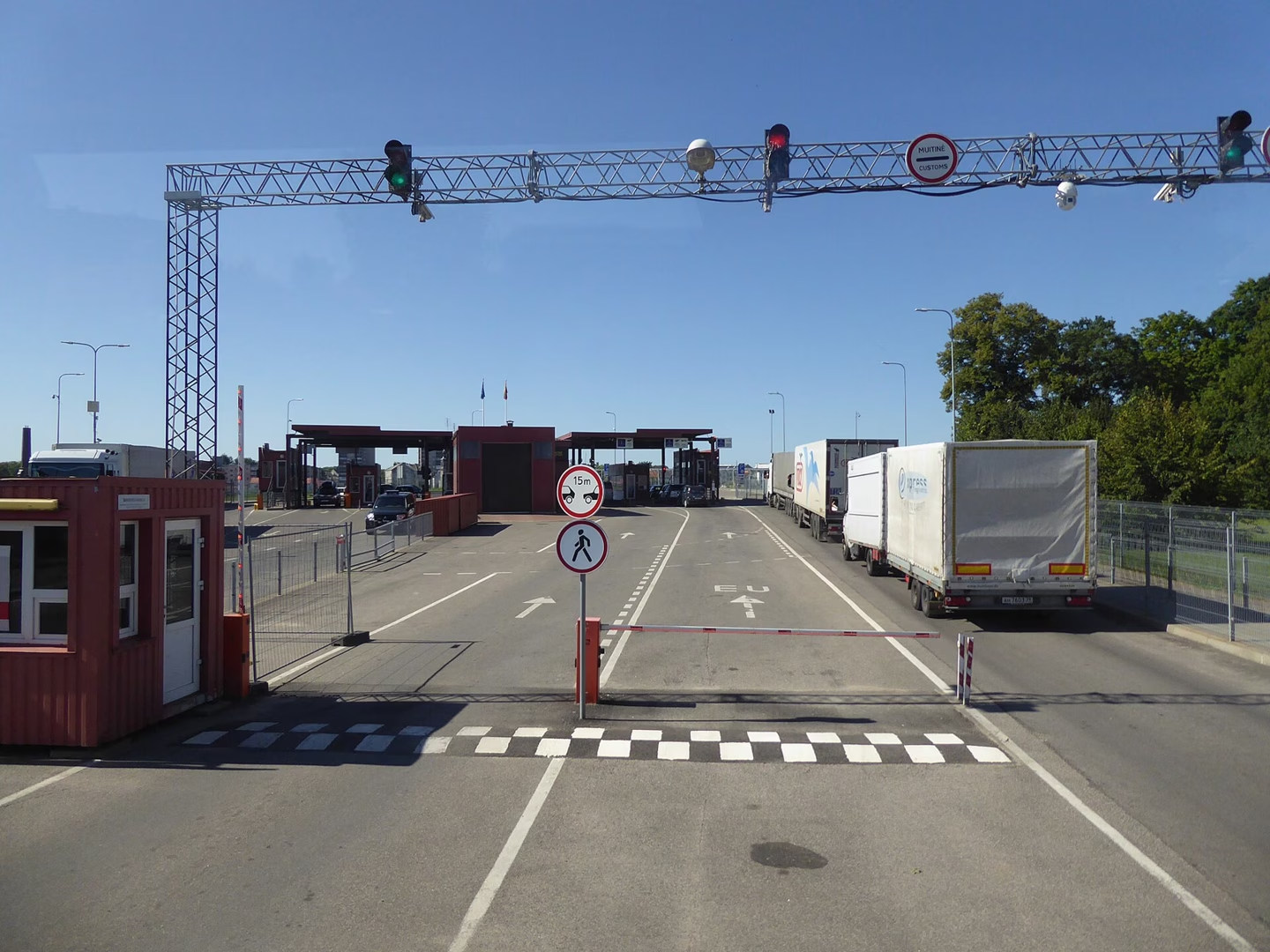
“However, if attempts to destabilize the situation in the region continue, there must be a response. Russia does not understand when we fail to respond to its actions and sees this as a sign of weakness,” the Lithuanian leader added. He said Estonian Prime Minister Kristen Michal had personally informed him of Tallinn’s decision.
Estonia announced the closure of the checkpoints after an attempted arson attack on Threod Systems, a drone manufacturer, in Viimsi near Tallinn. Estonian authorities have linked the incident to Russia’s Main Intelligence Directorate; according to LRT, eight Latvian residents have been detained in the case. On November 19, the Estonian government is due to choose between temporarily and indefinitely closing the crossings.
Reaction in Moscow
Commenting on Tallinn’s decision, Kremlin spokesman Dmitry Peskov called the Estonian side’s allegations unfounded and noted that “as history shows, many countries have built walls that brought nothing good to their authors.” State Duma deputy Dmitry Novikov, responding to Nausėda’s remarks, said Lithuania was “following its course” and that the anti-Russian rhetoric of the elites “sometimes needs to be reinforced by ritual actions.”
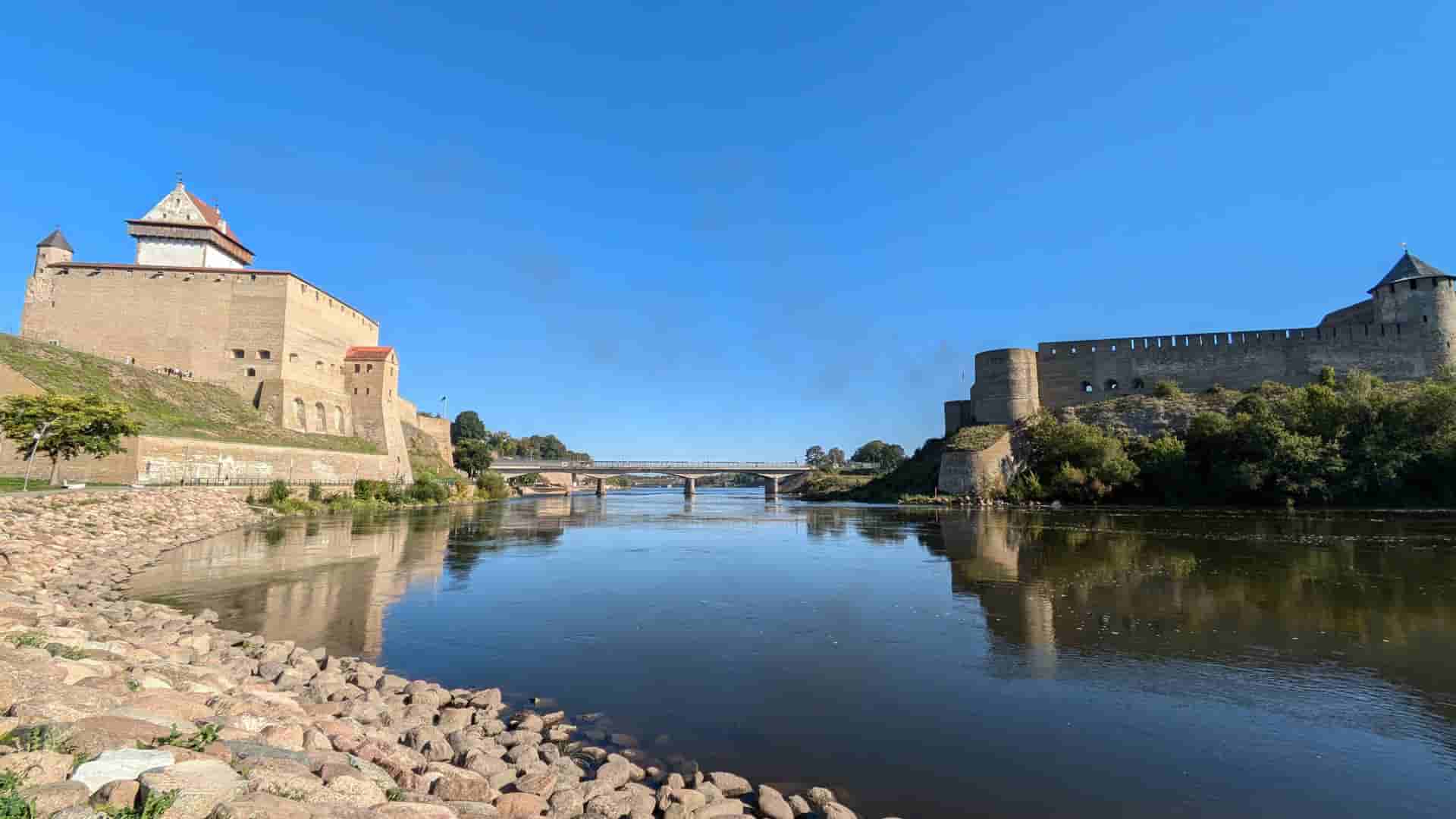
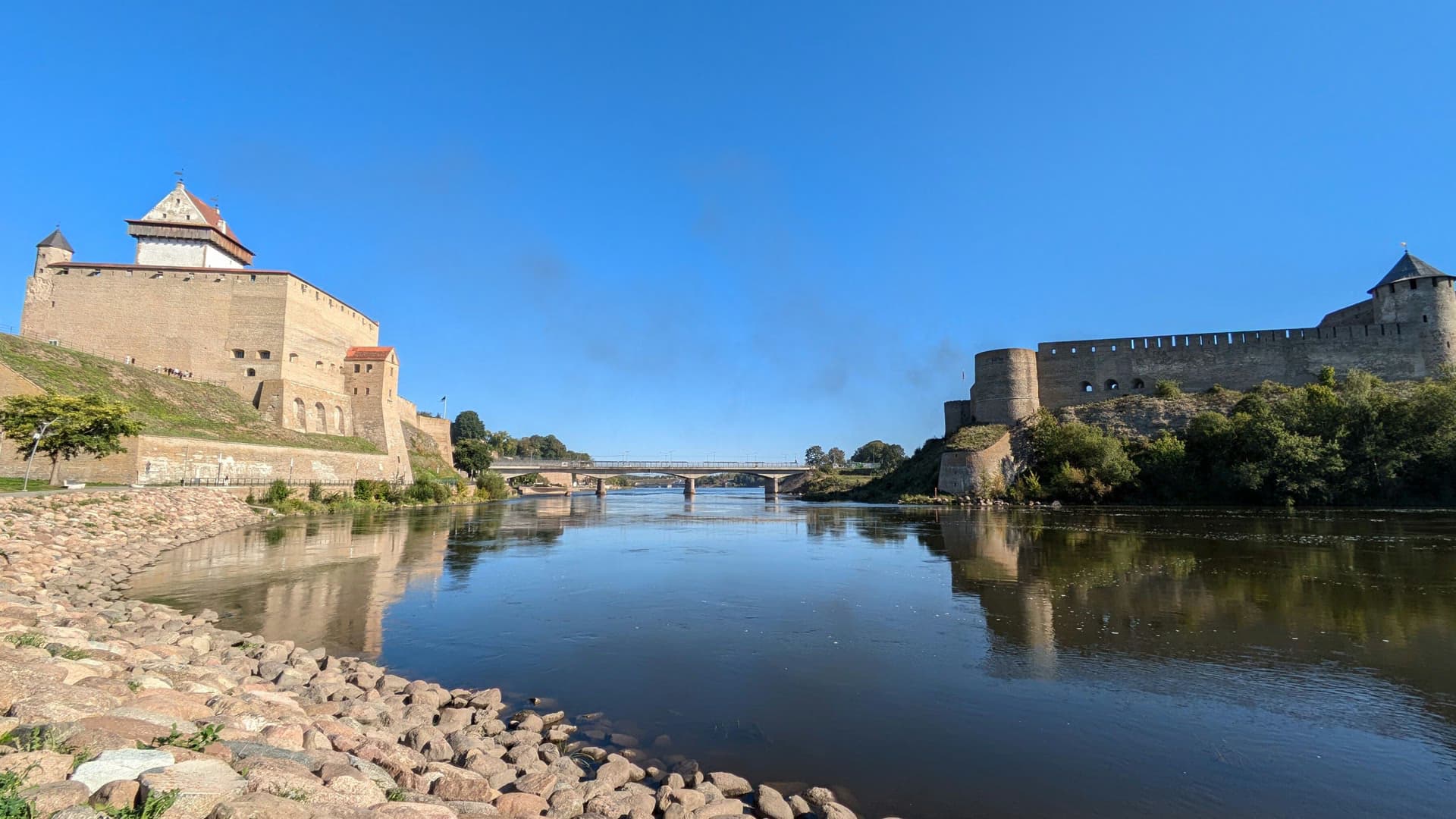
Photo: LRT, Wikimedia Commons (archive). Sources: LRT, Delfi, TASS, Komsomolskaya Pravda, Izvestia, Lenta.ru.
Stay Updated with RuskiGazeta
Subscribe to be informed about special news, developments and announcements. We will keep you informed.
By signing up, you agree to our Privacy Policy