- BIST10011,131-3.02%
- USD50.47+0.05%
- EUR55.46+0.20%
- GOLD3,539.00-3.98%
- INTEREST36.00%-1.00
- BITCOIN59,021-4.66%
- November 21, 202616°
- BIST10011,131-3.02%
- USD50.47+0.05%
- EUR55.46+0.20%
- GOLD3,539.00-3.98%
- INTEREST36.00%-1.00
- BITCOIN59,021-4.66%
- November 21, 202616°
Estonian PM Michal proposes indefinite closure of border with Russia
On November 19, Estonia’s government will choose between temporarily closing the border crossings from December 1 or closing them indefinitely. Michal supports the second option and says border guards are ready for a possible “migration attack”; the Kremlin called Tallinn’s accusations baseless.


Estonian Prime Minister Kristen Michal has backed closing the border with Russia for an indefinite period. He made the statement in an interview with the Delfi portal. Tallinn previously announced that it would close all crossing points on the Estonian-Russian border from December 1.
According to Delfi, the government will consider the issue at a meeting on November 19. The cabinet will choose between two options: temporarily closing the crossings or suspending their operation without setting an end date. Michal supports the second option. For now, this is only the prime minister’s position, and no final decision has been made.
“Migration attack”
Michal said Estonia’s border guard service is ready for a possible “migration attack” that could follow such a decision. Neighboring Finland faced a similar scenario: at the end of 2023, after a sharp increase in the number of asylum seekers from third countries, Helsinki closed all crossing points on its border with Russia and accused Moscow of using migrants as a tool of pressure.
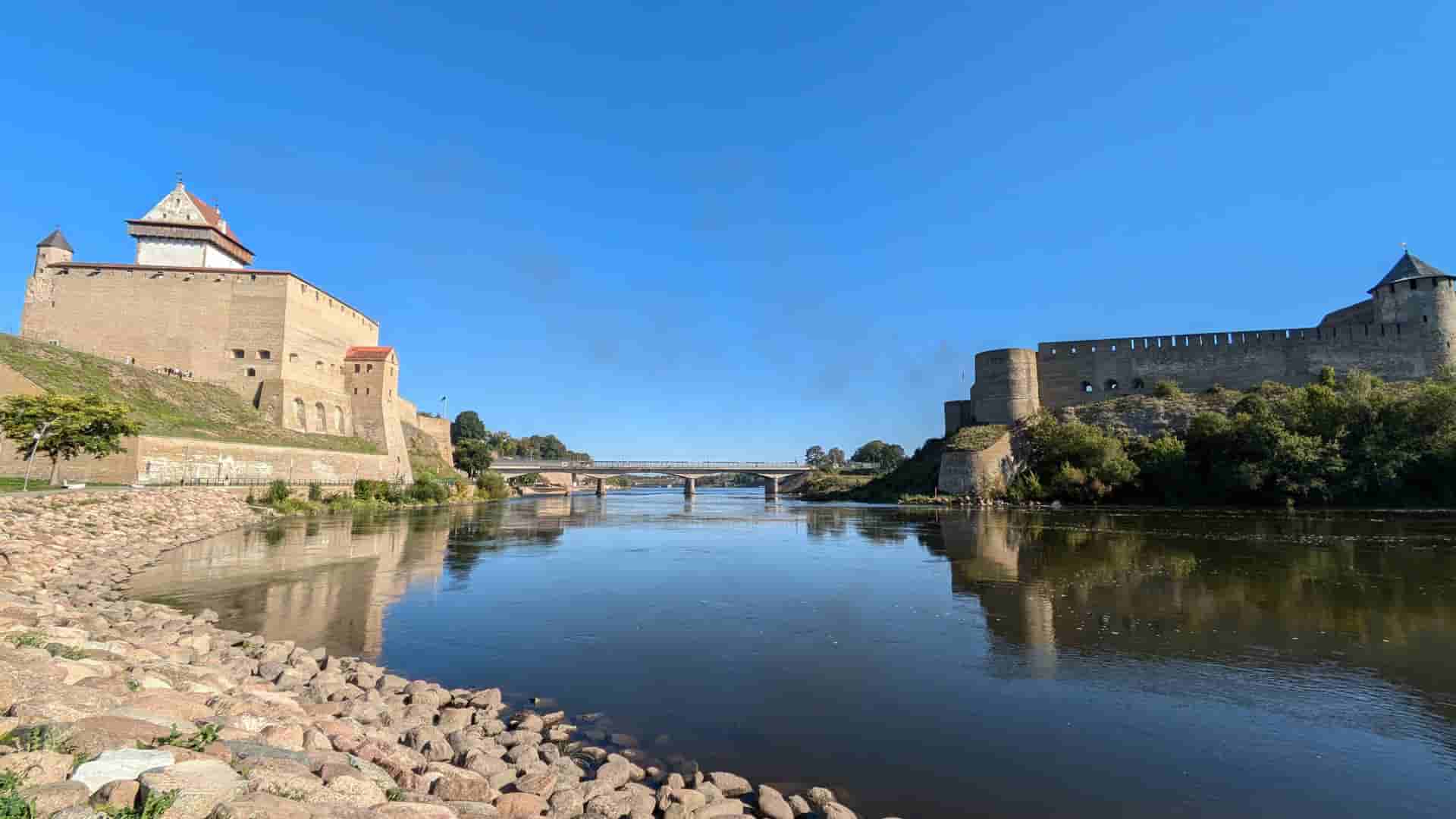
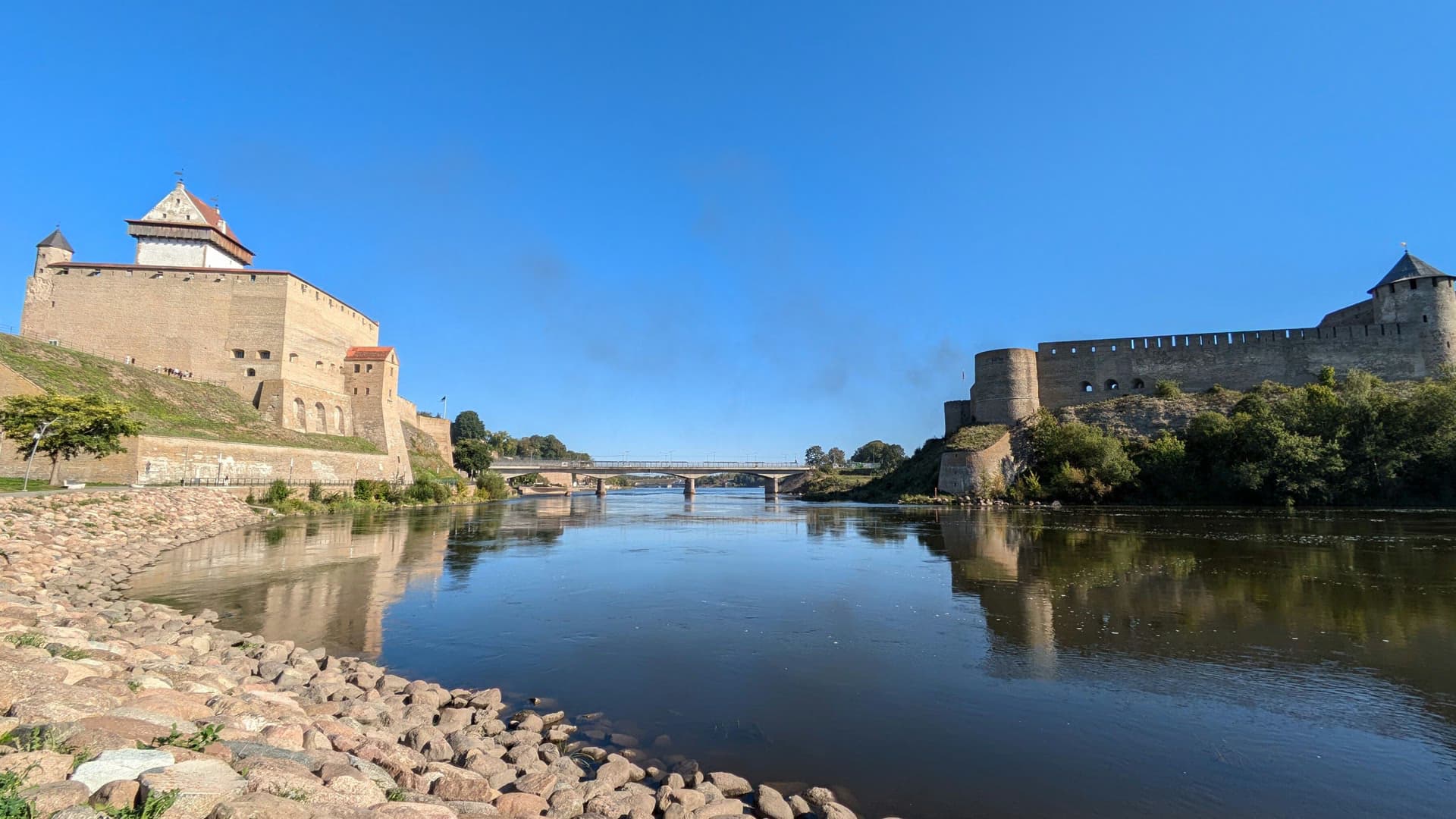
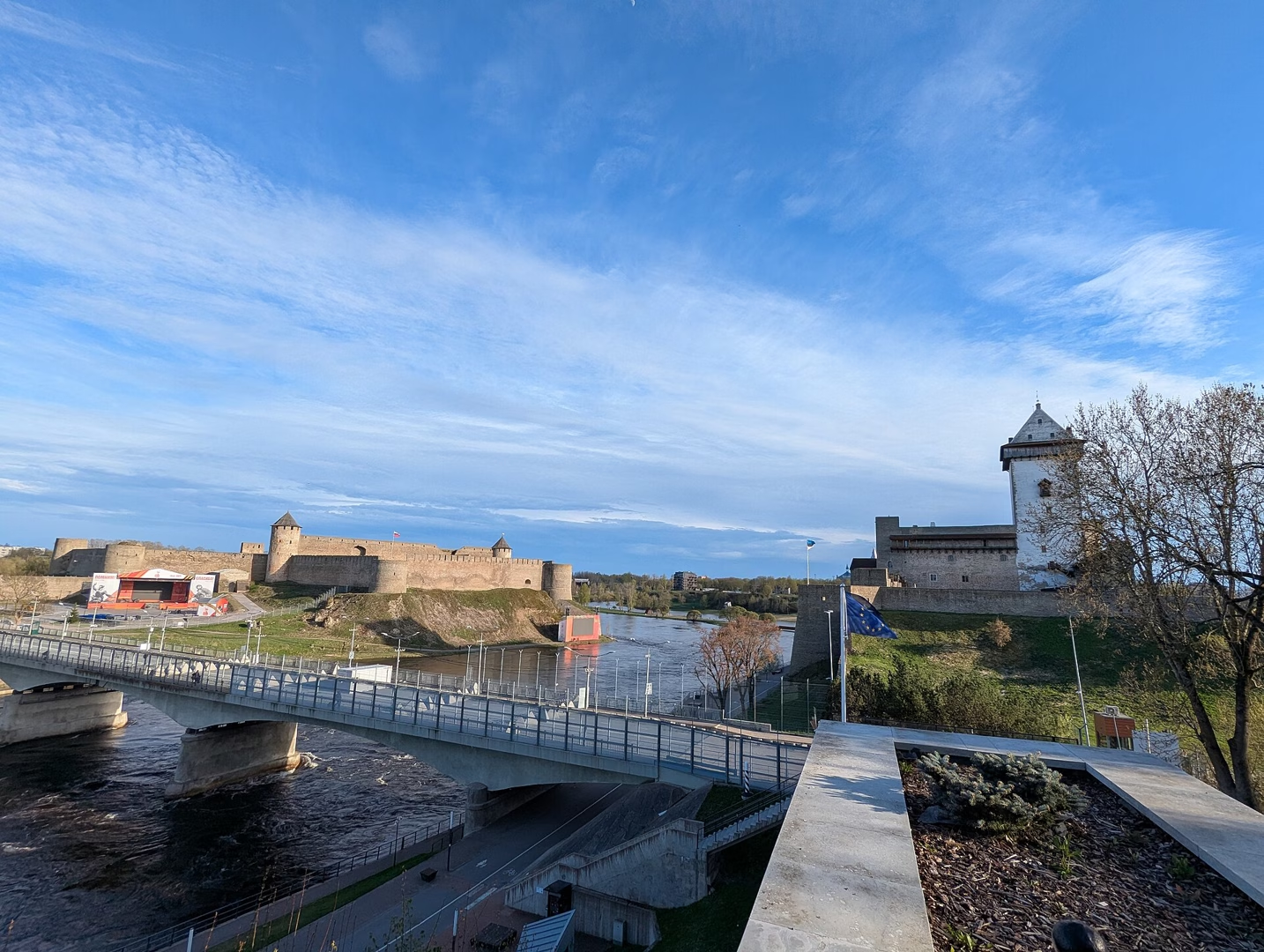
Three crossing points are currently operating on the Estonian-Russian border: Narva–Ivangorod, Koidula–Kunichina Gora and Luhamaa–Shumilkino. They are operating on a reduced schedule, while only pedestrians are allowed to cross through Narva.
The reason was an attempted arson attack
Tallinn decided to close the crossing points after an attempted arson attack on Threod Systems in the settlement of Viimsi near Tallinn on the night of November 14. Estonian authorities believe the operation was coordinated by Russia’s GRU military intelligence agency. Eight residents of Latvia have been detained in connection with the case.
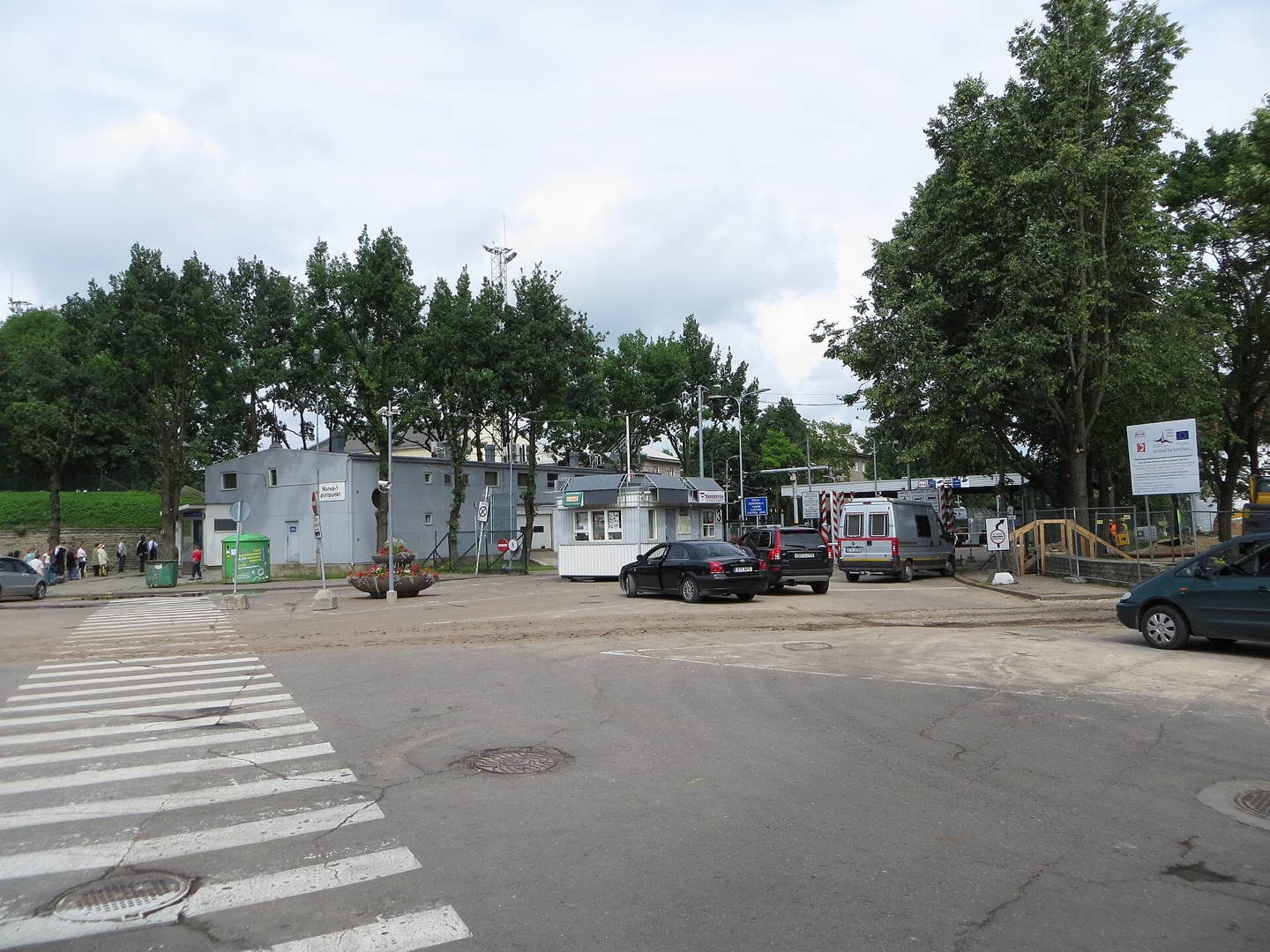
Moscow’s reaction
Kremlin spokesman Dmitry Peskov called the accusations of a “sabotage attack” baseless, saying Estonia was using them to justify its decision. He said Tallinn was building a “wall” and that history shows such walls have brought nothing good to their creators. Russia’s Foreign Ministry promised to verify information about Estonia’s plans and said that, if confirmed, they would amount to “another bout of aggressive and uncontrolled Russophobia.”
Photo: Wikimedia Commons. Sources: Delfi, TASS, Moskovsky Komsomolets, Komsomolskaya Pravda, ERR.
Stay Updated with RuskiGazeta
Subscribe to be informed about special news, developments and announcements. We will keep you informed.
By signing up, you agree to our Privacy Policy