- BIST10011,131-3.02%
- USD50.47+0.05%
- EUR55.46+0.20%
- GOLD3,539.00-3.98%
- INTEREST36.00%-1.00
- BITCOIN59,021-4.66%
- November 21, 202616°
- BIST10011,131-3.02%
- USD50.47+0.05%
- EUR55.46+0.20%
- GOLD3,539.00-3.98%
- INTEREST36.00%-1.00
- BITCOIN59,021-4.66%
- November 21, 202616°
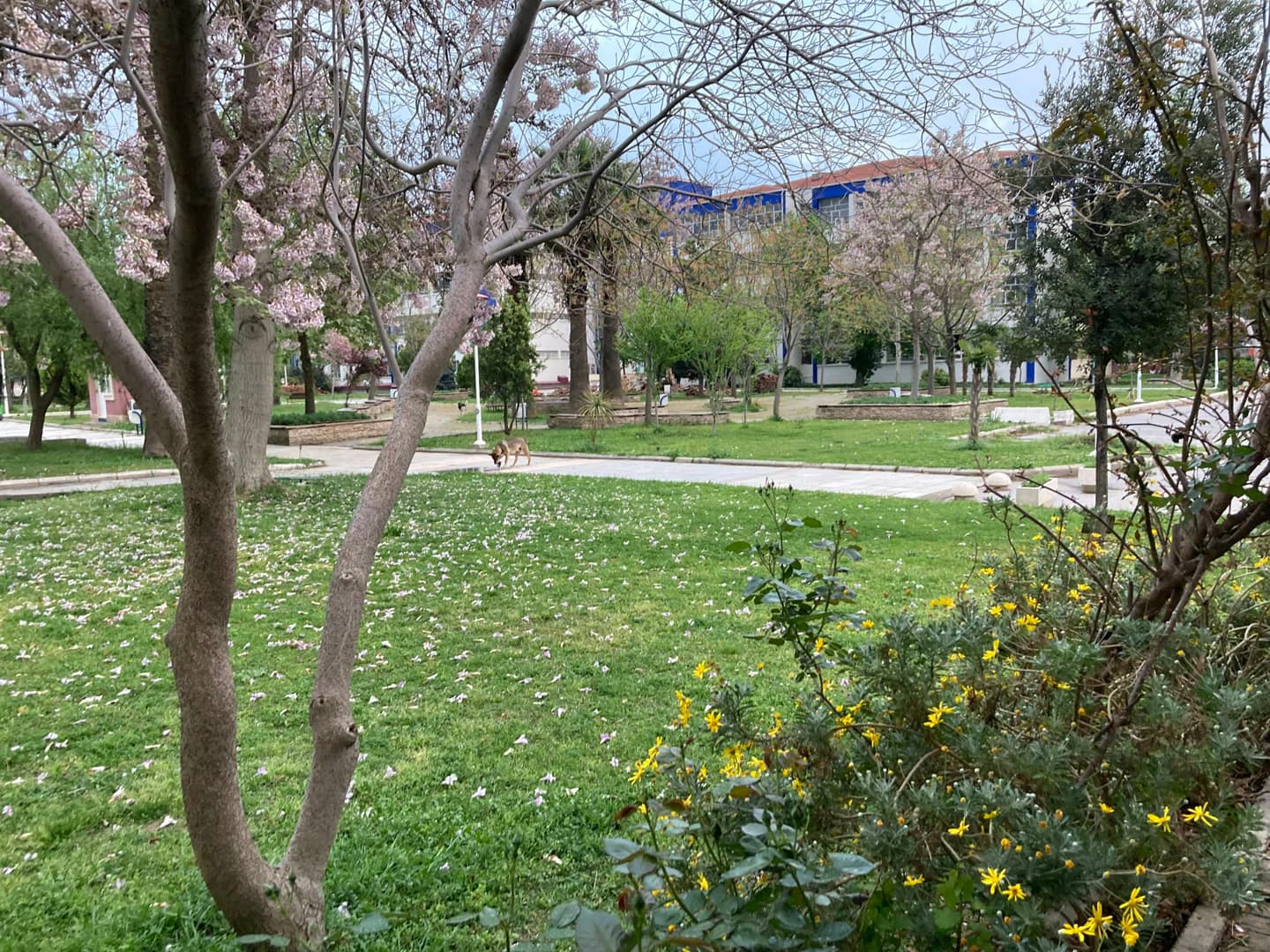
LDPR proposes barring foreign nationals with criminal records from Russian universities
The faction submitted the bill to the government for review on November 14. The document would ban universities and colleges from enrolling foreign nationals with uncleared convictions for serious crimes and require their expulsion if the convictions emerge after admission.
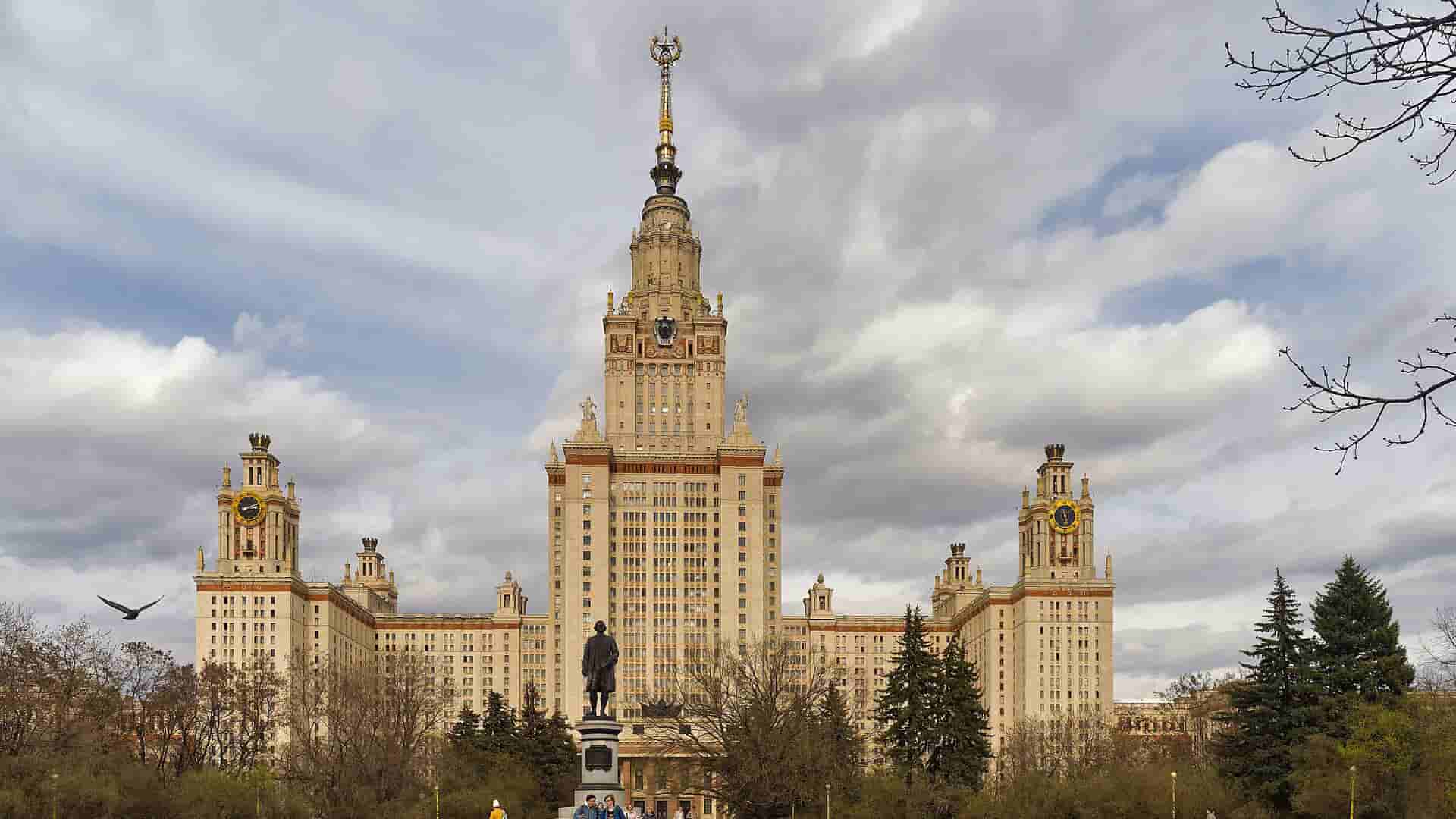
The LDPR faction has drafted a bill banning Russian colleges and universities from admitting foreign nationals with criminal records for serious crimes that have not been expunged or served. LDPR said the document was submitted to the government for review on November 14. For now, this is only an initiative: the law has not been adopted, and the Cabinet's position is unknown.
Under the draft, invitations for foreigners to enter Russia for study would be issued only after confirmation that the applicant has no criminal record. If a conviction comes to light after admission, the educational relationship with the student would be terminated early. The authors also propose establishing a procedure for confirming the absence of a criminal record.
The proposal covers convictions for murder and grievous bodily harm, crimes against sexual integrity, terrorism and banditry, drug trafficking, rehabilitation of Nazism, as well as other serious and especially serious crimes under the Criminal Code. An exception is proposed for foreign nationals who were prosecuted abroad for supporting Russia.

“At the next desk”
“Hundreds of thousands of foreign nationals are studying at Russian universities and colleges today, yet no one checks whether an applicant has serious crimes behind them. This means that a genuine criminal could end up sitting at the next desk alongside our children,” LDPR Chairman Leonid Slutsky said. He said that if such a past came to light after admission, “immediate expulsion should follow.”
Against the backdrop of fictitious admission cases
The initiative comes amid criminal cases involving the unlawful admission of foreign nationals. Last week in Ufa, university employees were arrested who, according to investigators, admitted foreign nationals without entrance examinations.
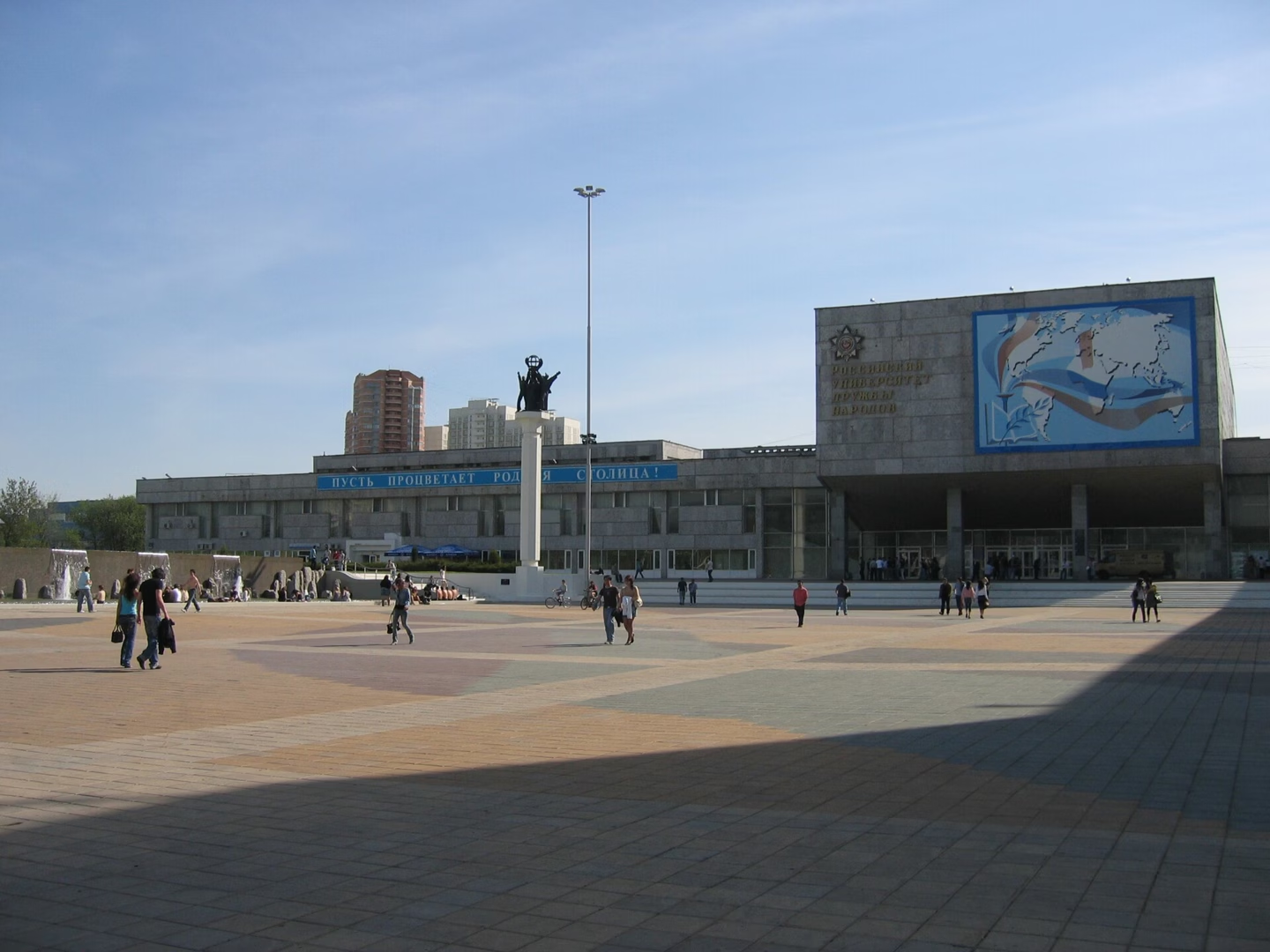
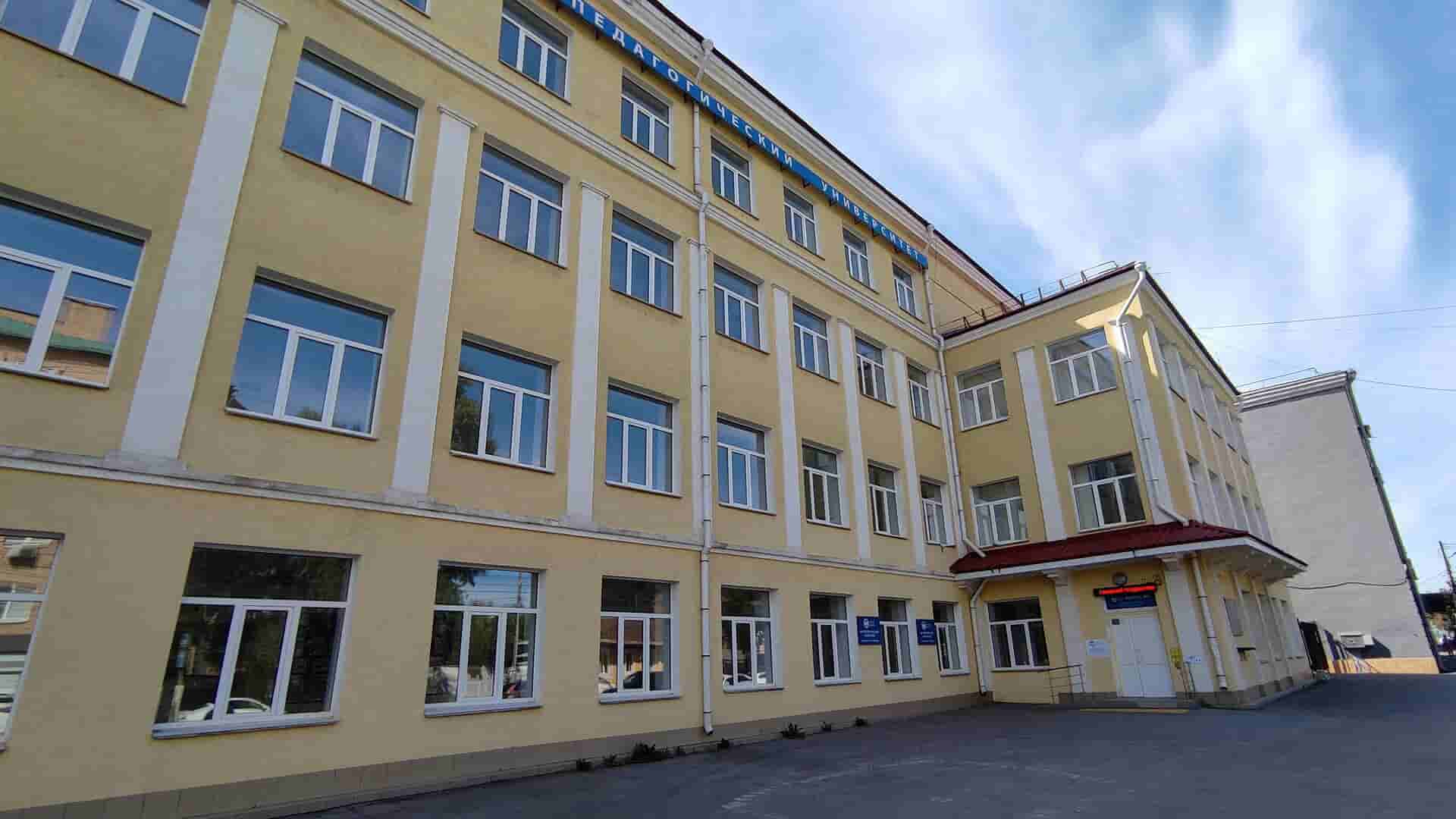
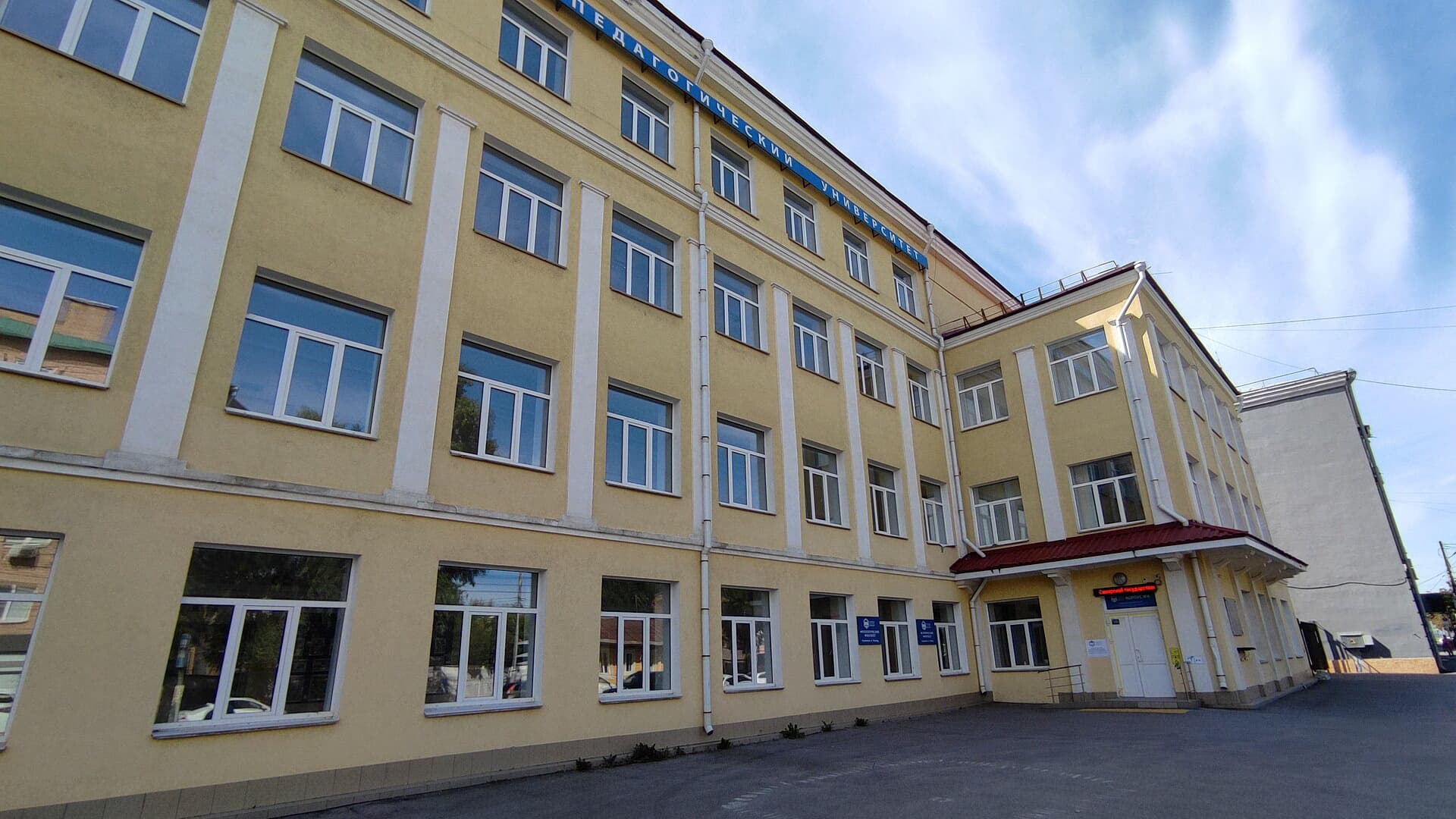
In Samara, the dean of Samara State University of Social Sciences and Education was arrested in a case involving the fictitious admission of foreign students.
Photo: Wikimedia Commons, LDPR. Sources: LDPR, Rambler, National Accent.
Stay Updated with RuskiGazeta
Subscribe to be informed about special news, developments and announcements. We will keep you informed.
By signing up, you agree to our Privacy Policy