Russian Foreign Minister Sergey Lavrov said Armenia’s turn toward the European Union had raised economic and political questions for Moscow. In an assessment on September 16, 2026, Lavrov said that if Armenia pursued its membership goal, EU authorities could mislead the country and that he considered such a possibility highly likely.
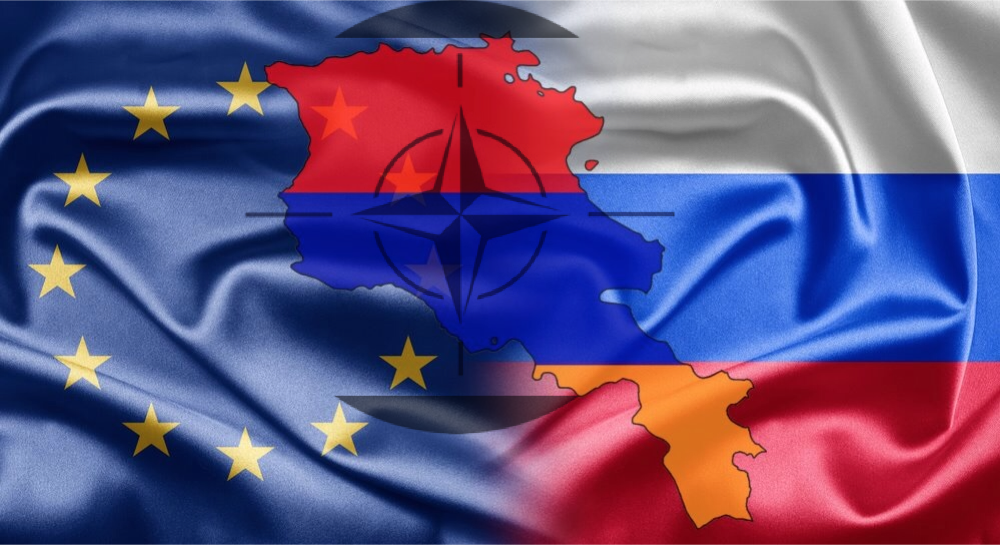
Lavrov compared Yerevan’s expectations with Türkiye and Serbia’s long-standing efforts to join the EU. He argued that these examples did not support the idea that Armenia would be admitted to the bloc soon while countries that have been in the candidacy process for years continue to wait.
EU orientation conflicts with Eurasian Economic Union membership
Lavrov said that if Armenia began aligning with EU legislation and standards, Russia would not want to finance the country’s preparations for EU membership by allowing it to use its economic opportunities within the Eurasian Economic Union. He pointed to the conflict between the two orientations.
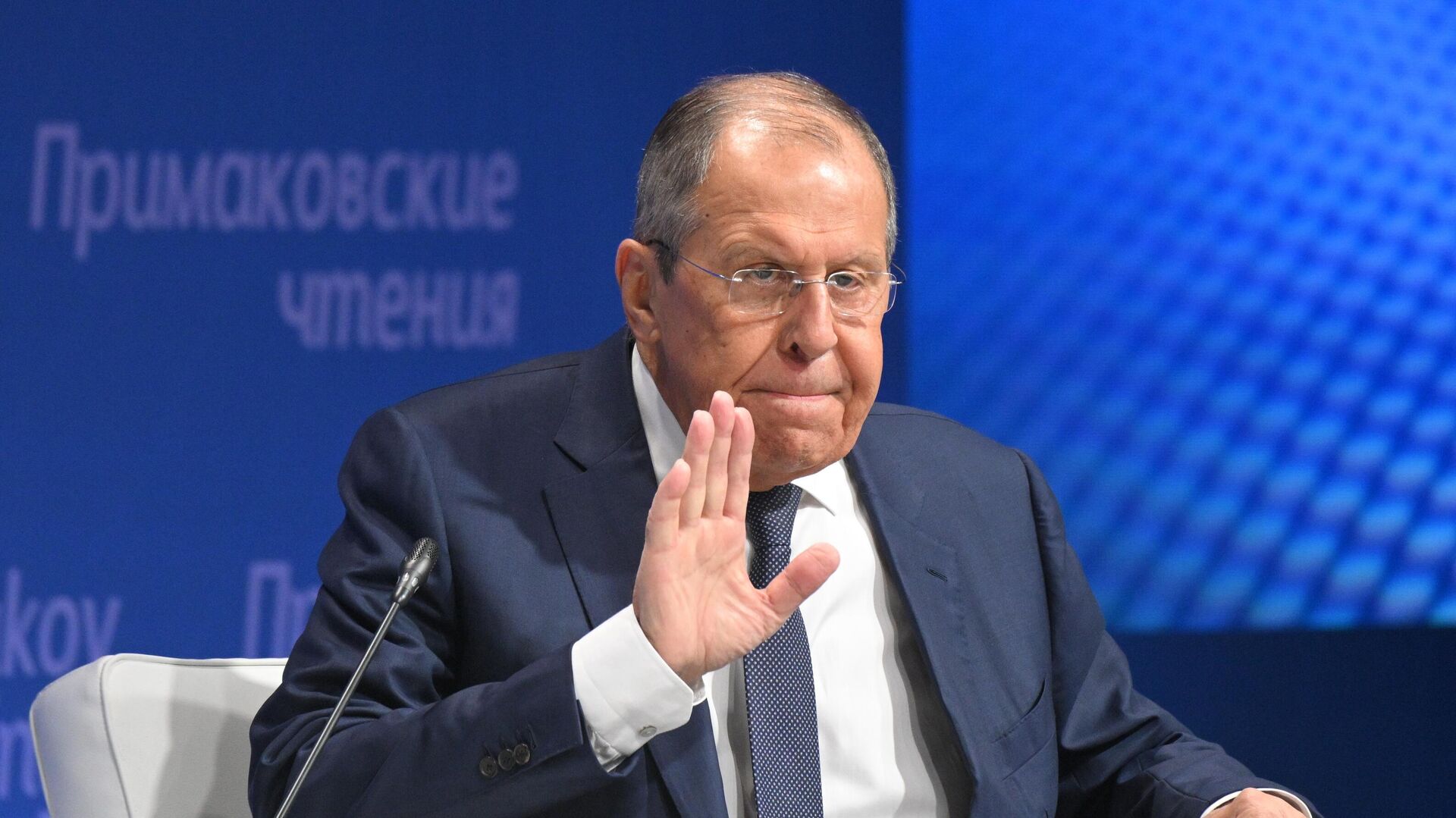
Armenia has adopted legislation providing for the launch of the EU membership process. However, this legislation does not mean that the country is an EU member or that its membership has been finalized. Full membership requires a formal application, negotiations, alignment with the European Union acquis and the approval of all member states.
Yerevan’s assurance to Moscow
During his meeting with Russian President Vladimir Putin on September 1, 2026, Prime Minister Nikol Pashinyan said Armenia had adopted the law on launching the EU membership process. Pashinyan also said during the meeting that his country had not yet formally notified the Eurasian Economic Union of its intention to withdraw.
Putin acknowledged that Armenia had the legal right to turn toward the European Union, but said this choice could create problems regarding its membership in the Eurasian Economic Union. The compatibility problem between Yerevan’s efforts to move closer to European institutions and its position within Moscow-centered economic integration thus became one of the main issues in relations between the two countries.
Lavrov had also argued on September 3, 2026, that Armenia’s desire for EU membership could weaken soon. His assessment on September 16 showed that Russia’s criticism of Yerevan’s turn toward the European Union was continuing and that the issue had an economic dimension as well as a security dimension.