- BIST10010,760-3.63%
- USD49.86+0.15%
- EUR55.82+0.52%
- GOLD3,898.90-3.29%
- INTEREST36.00%-1.00
- BITCOIN77,686+0.32%
- November 1, 202614°
- BIST10010,760-3.63%
- USD49.86+0.15%
- EUR55.82+0.52%
- GOLD3,898.90-3.29%
- INTEREST36.00%-1.00
- BITCOIN77,686+0.32%
- November 1, 202614°
Lavrov calls Africa a pillar of the multipolar world
Russian Foreign Minister Sergey Lavrov described Africa as one of the key pillars of the multipolar world emerging internationally. Lavrov also said Russia could help establish contacts between Ethiopia and Eritrea and that the Russia-US diesel fuel agreement was purely commercial.


Russian Foreign Minister Sergey Lavrov said the African continent was an important pillar in shaping a multipolar international order. Speaking at a meeting with African media editors-in-chief, Lavrov argued that this order was emerging in place of the hegemony that Western countries had maintained for more than 500 years.
Moscow’s outreach to Africa
Lavrov said Russia wanted to expand cooperation with African countries and announced that, if requested by the parties, Moscow could help establish contacts between the governments of Ethiopia and Eritrea within the framework of the Russia-Africa summit.
Lavrov said Moscow did not consider it appropriate to increase the influence of Western countries in the United Nations Security Council. He also said Russia continued to expand its information and communications activities around the world.
Lavrov noted that Nigeria remained one of Russia’s main partners in Africa and said Nigeria’s foreign minister was expected to visit Moscow in the near future.
Security agenda in the Sahel and Middle East
Lavrov described Egypt as one of Russia’s most important partners in the Middle East in the face of security problems and threats, arguing that threats in the region had increased significantly after the Arab Spring.
Lavrov argued that the invasion of Iraq and developments in Libya and Syria had increased refugee flows and led to the emergence of new terrorist organizations, saying that Middle Eastern countries faced these problems.
Lavrov said there were developments indicating an improvement in the situation in the Sahara-Sahel region. He added that Russia welcomed the normalization of relations between Algeria and Mali.
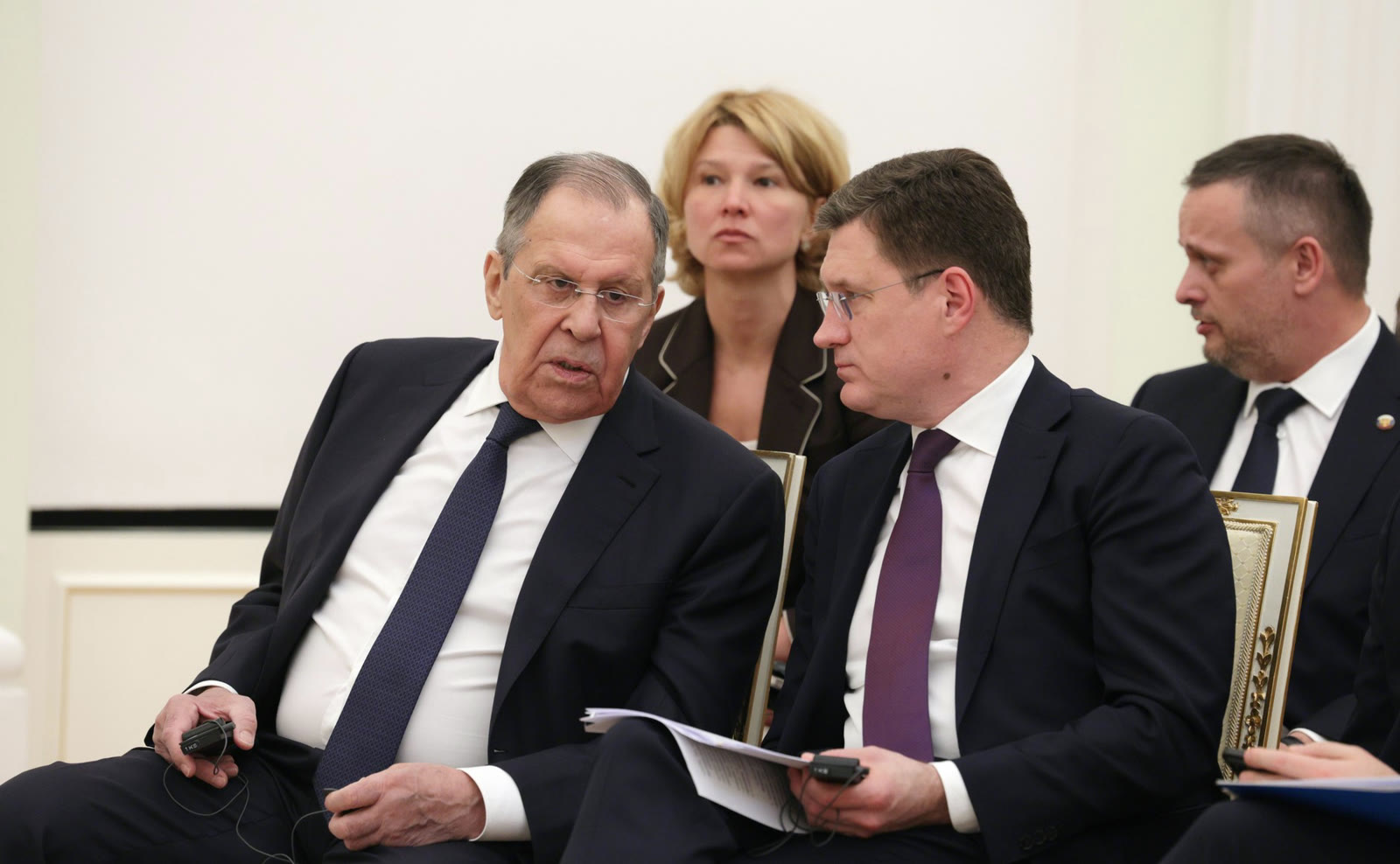
Lavrov said the Africa Corps, affiliated with Russia’s Defense Ministry, provided Sahel countries with support in combating terrorism, adding that terrorism remained a serious threat both in the region and across Africa.
Russia-US diesel fuel agreement
Lavrov said the diesel fuel supply agreement between Moscow and Washington was purely commercial and contained no additional conditions.
Lavrov said the agreement was concluded after a phone call between Russian President Vladimir Putin and US President Donald Trump, adding that the US side considered the available amount of diesel fuel insufficient in view of current global market needs.
Lavrov presented the agreement as an example of the pragmatic approach of the two countries’ leaders, who took into account the interests of their national economies and sought to support the stability of the global economy.
Putin and Trump agreed at the beginning of October to send more than 300,000 tons of diesel fuel from Russia to the US and global markets. Under Trump’s statement, another 500,000 tons of fuel were planned for delivery in November, followed by an additional shipment of 1 million tons. The announced total was expected to exceed 1.8 million tons.
The West’s approach to Russia
Lavrov said NATO and the European Union defined Russia as the main threat in their doctrinal documents. He added that US doctrinal documents also portrayed Russia as an actor that had to be confronted.
Lavrov argued that this approach did not contribute to developing normal relations internationally and said the West had isolated itself from participating in multilateral initiatives that shaped the agenda for the future. He made the remarks in the context of relations with Ukraine, the European Union and Western countries.
Stay Updated with RuskiGazeta
Subscribe to be informed about special news, developments and announcements. We will keep you informed.
By signing up, you agree to our Privacy Policy