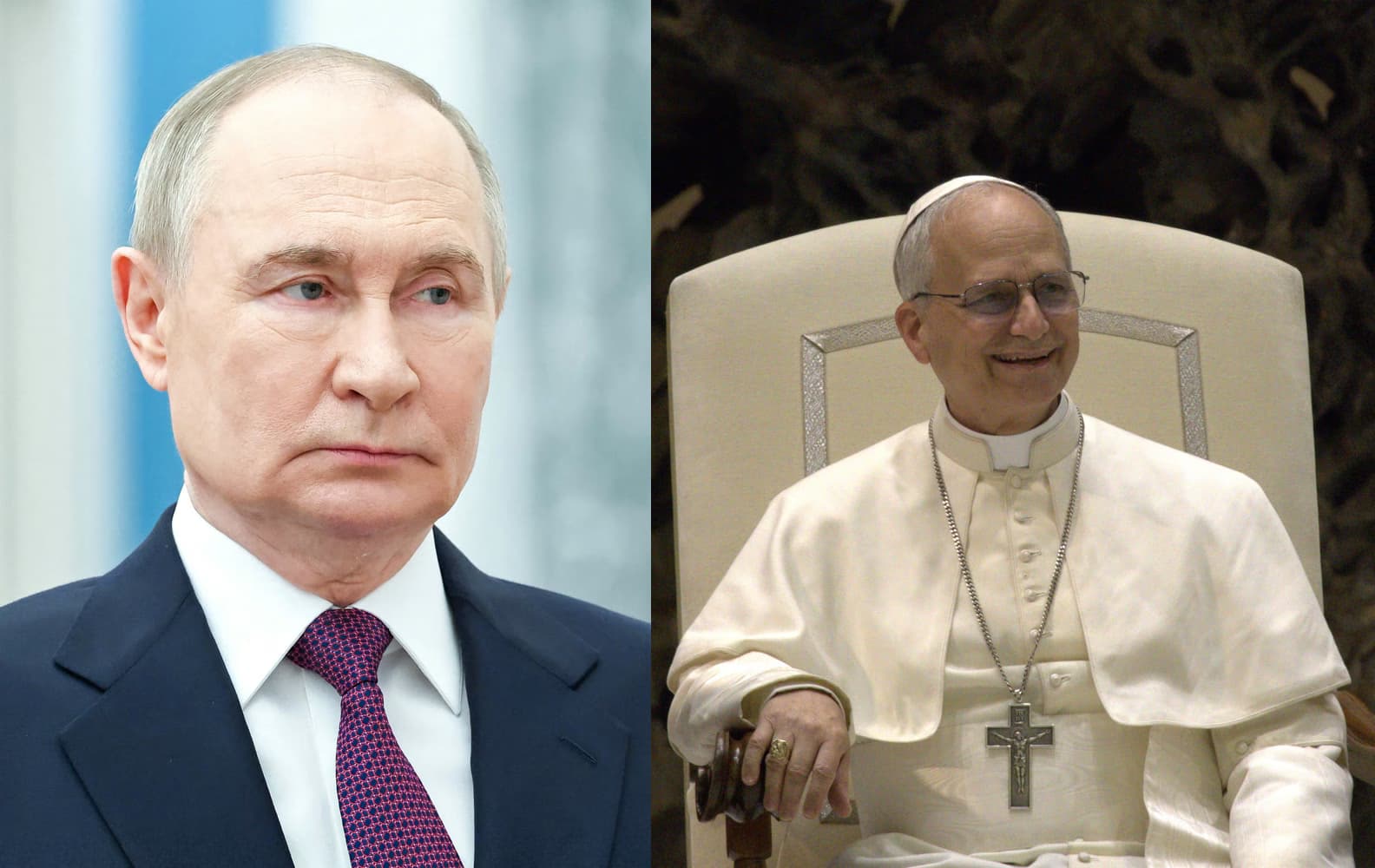
The Kremlin administration, preparing for Russia's State Duma elections to be held in September 2026, has once again lowered the vote target it set for the ruling United Russia party. Sources report that the minimum target has been updated to 45% especially in regions described as 'middling.' The expected voter turnout remains fixed at 50%.
The Kremlin had set out in March with a target of 55% of the vote and 50% turnout, then lowered that figure to 50% in June. An official involved in election organization said, 'At first the minimum KPI was 55, then it dropped to 50, now we are targeting 45.'
Factors behind the target reduction
Sources close to the Kremlin emphasize that the gasoline crisis, rising prices, and growing war fatigue in society were decisive in lowering the targets. These factors are said to have eroded public support for both United Russia and President Vladimir Putin. According to VTsIOM polls, trust in Putin fell from 79% in January to 71% in July, while his job approval dropped from 75% to 65%.
The polling company had to change its methodology to offset this decline. While the voting intention for United Russia fell to 27% in April, the new method reported this figure as 35%.
Regional differences and 'election sultanates'
Officials report that targets have not been lowered in the 'election sultanates' such as Tatarstan, Bashkortostan, Krasnodar, and the North Caucasus republics, where traditionally very high results are achieved. It is stated that election fraud mechanisms have 'worked well for decades' in these regions.
In other high-performing regions, however, expectations have been relaxed. An official said, 'Previously they were saying 55% but actually around 60% was expected. Now the talk is softer,' adding that the target in these regions has been pulled down to 50%.
Legitimization strategy and selective pressure
A source close to the Kremlin said the political bloc is now focused on 'legitimizing' the result United Russia will get. While officials are asked not to exert excessive pressure on state employees, it is conveyed that the prevailing view is 'There is no need to push Pskov or Novgorod, we can quietly handle everything in Krasnodar.'
A political technologist jokingly said that thanks to the low KPI, there will be less fraud in the elections and officials will 'sleep more comfortably.' The same expert argued that an official result of 45% would be politically correct, because this figure would be perceived as closer to reality and would arouse less suspicion compared to 60% or 50%.
However, due to the tendency of Sergey Kiriyenko, who heads the political bloc, to highlight his own records, it is thought that all efforts will be made to ensure that the election night results do not fall below the 49% achieved in 2021. A few weeks before the election, deputy governors of regions with high-result potential will be summoned by Kiriyenko and Aleksandr Kharichev to secure a promise to boost the result.
Sources who spoke to Meduza indicate that as election day approaches, the KPIs could be lowered by another five points or, conversely, selectively raised to meet the nationwide average.