- BIST10011,722-2.89%
- USD49.42+0.06%
- EUR55.41+0.20%
- GOLD4,180.40+0.25%
- INTEREST37.00%-1.00
- BITCOIN81,586-0.66%
- October 16, 202612°
- BIST10011,722-2.89%
- USD49.42+0.06%
- EUR55.41+0.20%
- GOLD4,180.40+0.25%
- INTEREST37.00%-1.00
- BITCOIN81,586-0.66%
- October 16, 202612°
GPT-6 Astra helps crack 217-year-old cipher letter to Napoleon’s marshal
OpenAI’s GPT-6 Astra helped decode, in about six hours, an 1809 cipher letter to Napoleon’s marshal Marmont that had gone unread for 217 years.
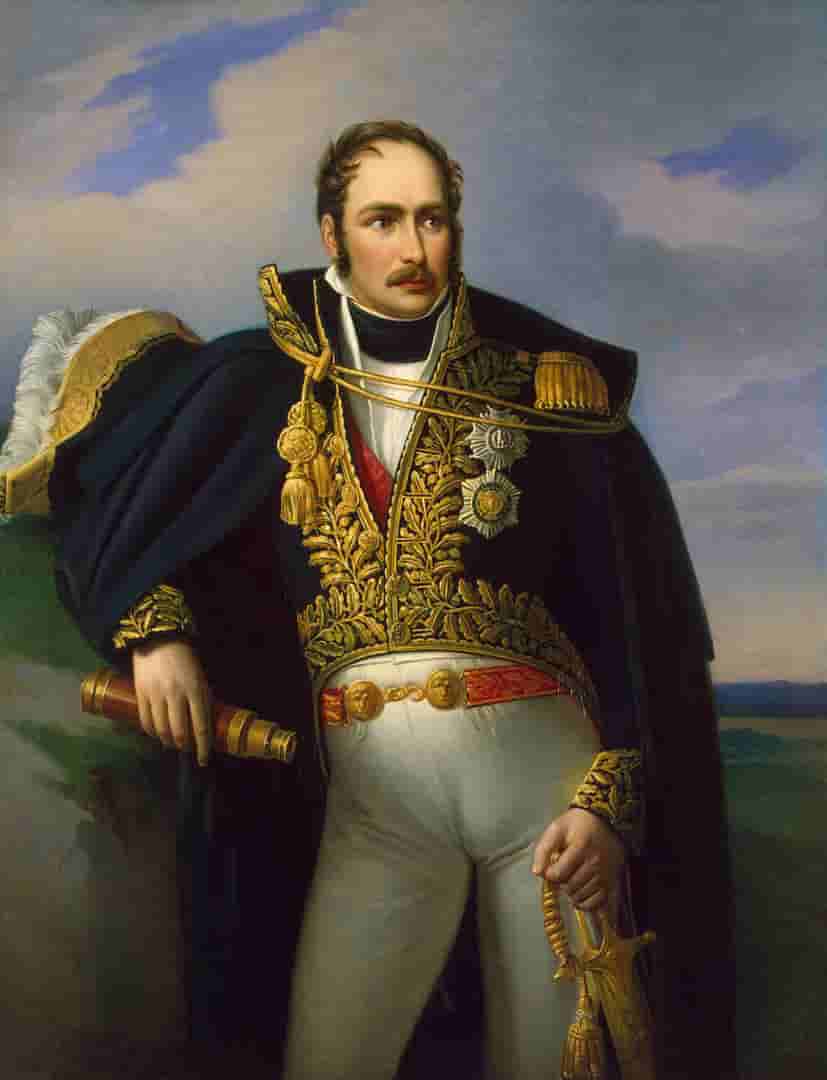
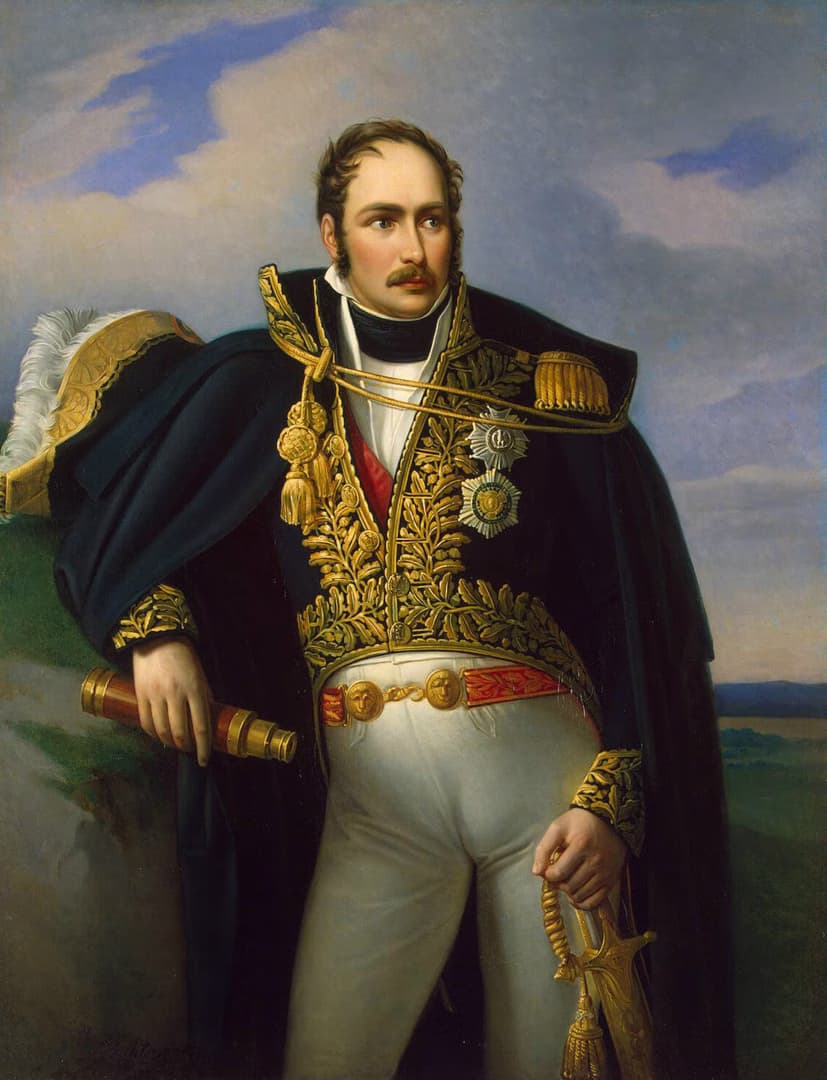
OpenAI’s GPT-6 Astra has helped decode an encrypted military letter sent in 1809 to Auguste de Marmont, one of Napoleon’s marshals, which had remained unread for 217 years. Researcher Carter Church, who published the solution, said the model reached it in about six hours of execution.
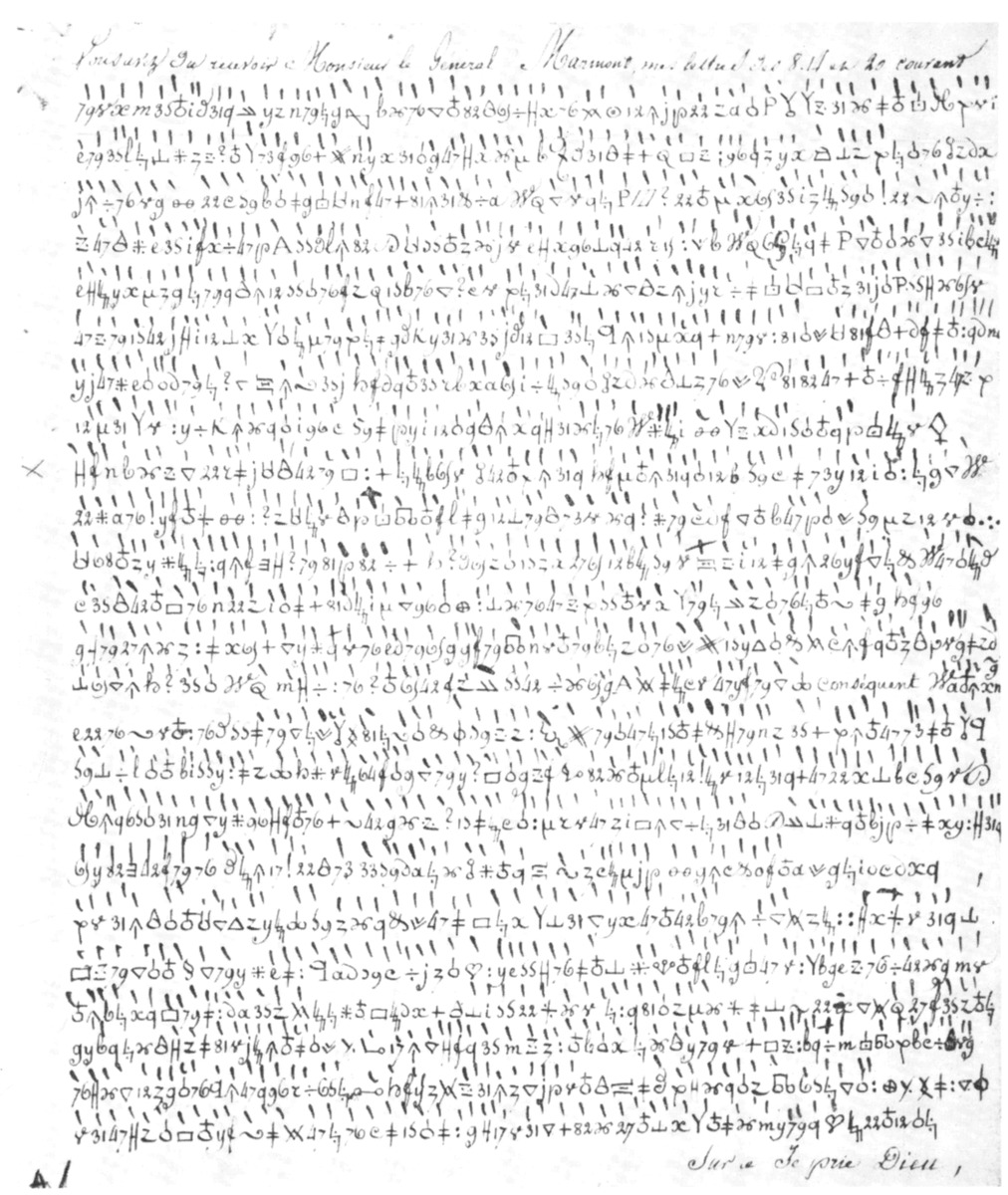
According to Church, Astra transcribed some 1,300 cipher units made up of 155 distinct signs from a single scanned image of the letter, which appeared in a French military journal in 1969. Using a partial 33-letter key by cryptology historian Daniel Tant covering about 435 units, the model solved the remaining values computationally.
The deciphered French text turned out to be a military briefing from Eugène de Beauharnais’s headquarters, sent shortly before Austria’s April 1809 invasion and detailing troop positions and Austrian movements. It tells Marmont not to fear “a few troops or a gathering of rabble.”
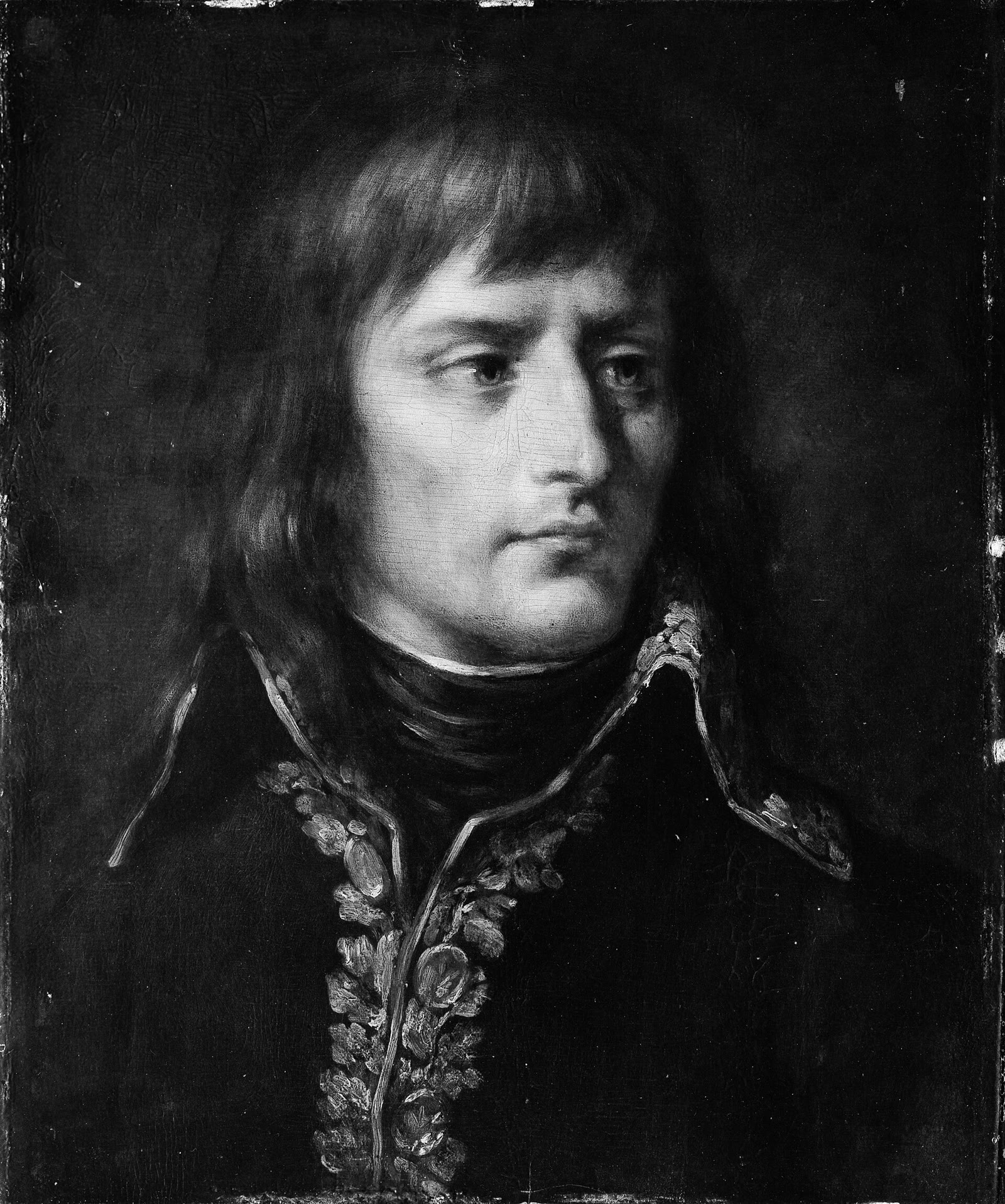
Satoshi Tomokiyo, who maintains the Cryptiana historical-cipher database, verified the solution and removed the letter from its list of unsolved ciphers. Church said five signs remain uncertain but do not change the letter’s meaning. GPT-6 Astra was previously used to crack a 1918 German radio cipher and a 1941 Enigma message.
Stay Updated with RuskiGazeta
Subscribe to be informed about special news, developments and announcements. We will keep you informed.
By signing up, you agree to our Privacy Policy