- BIST10011,131-3.02%
- USD50.47+0.05%
- EUR55.46+0.20%
- GOLD3,539.00-3.98%
- INTEREST36.00%-1.00
- BITCOIN59,050-4.61%
- November 21, 202616°
- BIST10011,131-3.02%
- USD50.47+0.05%
- EUR55.46+0.20%
- GOLD3,539.00-3.98%
- INTEREST36.00%-1.00
- BITCOIN59,050-4.61%
- November 21, 202616°
Gagauzia will choose its governor in runoff: Stoianoglo faces Gagauz
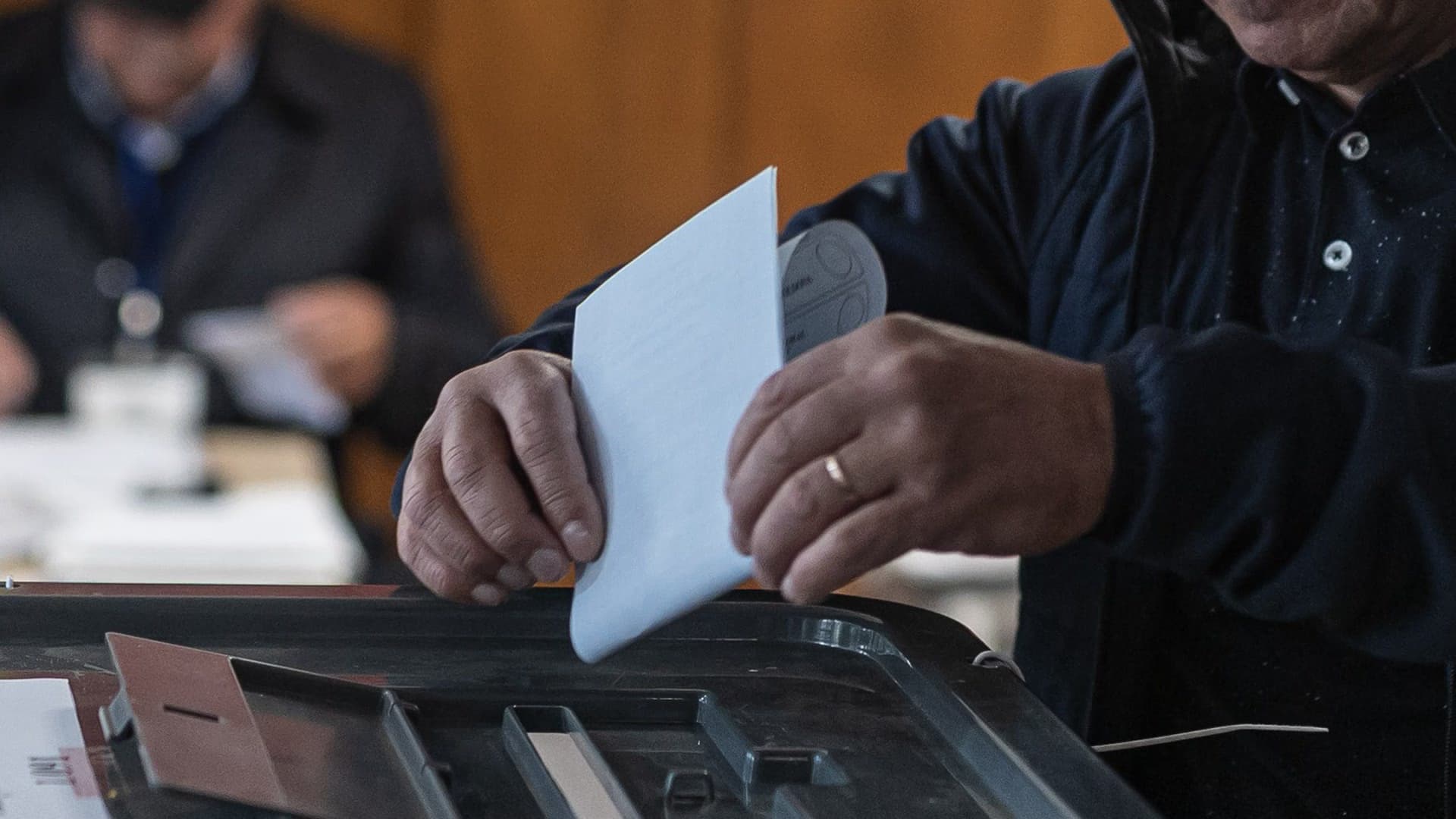
Former Moldovan Prosecutor General Alexandr Stoianoglo won 38.44% of the vote in the first round, while Socialist Fedor Gagauz received 24.22%. The decisive vote will take place on November 29; turnout on November 15 was 37.6%.

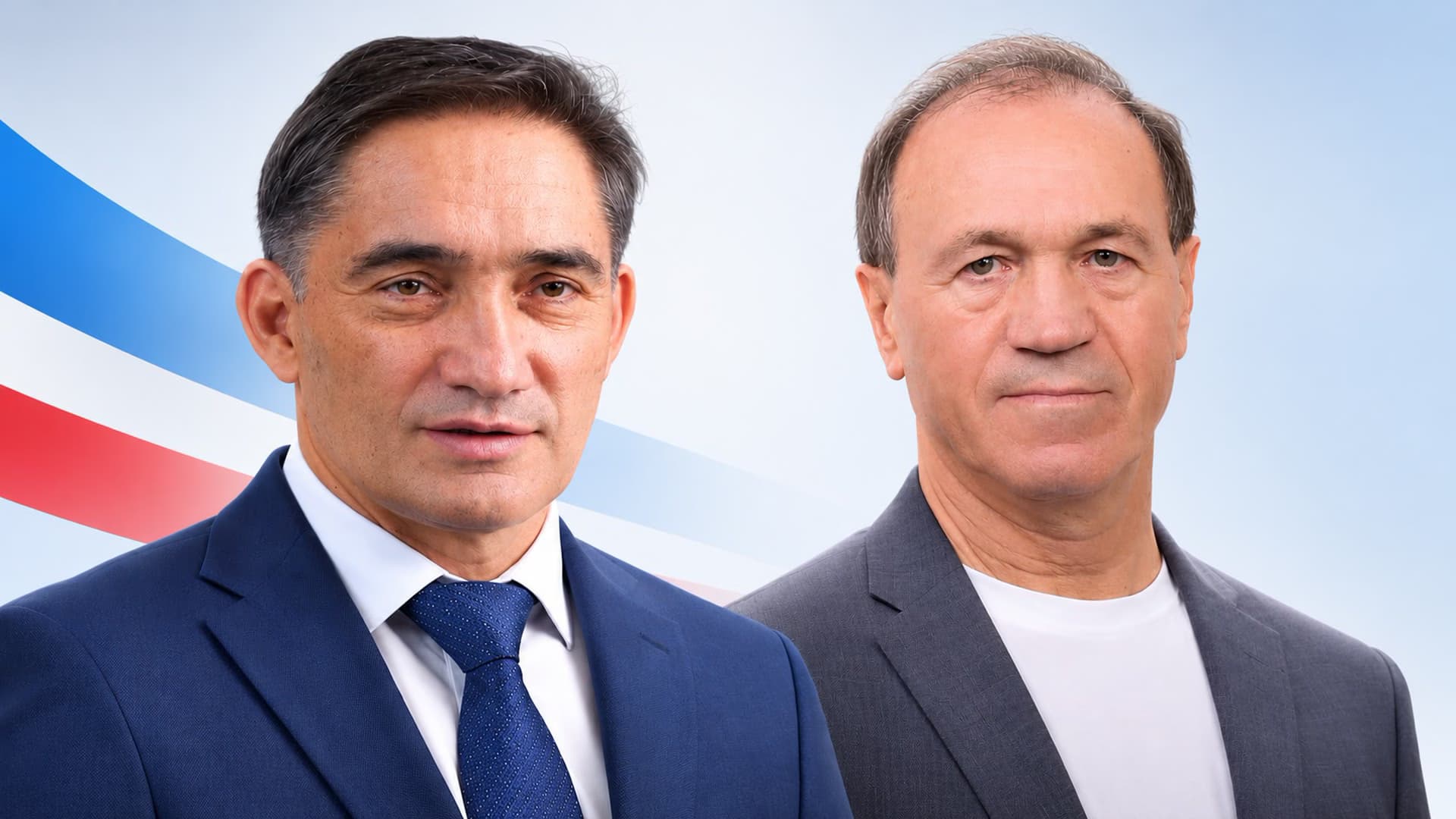
The election for the head of the Gagauz autonomous region in southern Moldova did not produce a winner in the first round. According to preliminary data from Moldova’s Central Election Commission, after protocols from all 67 polling stations were processed, independent candidate and former Prosecutor General Alexandr Stoianoglo received 38.44% of the vote, or 18,136 votes. Socialist Party candidate Fedor Gagauz received 24.22%, or 11,426 votes. Since no candidate secured more than half of the valid ballots, the two will face each other in a runoff on November 29.
Independent candidate Cornel Dudnic came third with 15.59%, while Ivanna Keksal finished fourth with 11.05%. Sergei Anastasov received 4.72%, Oleg Garizan 3.18%, Petr Vlah of the New Historical Choice party 1.98%, and Ivan Kylcik of the Gagauz People’s Party 0.83%, NewsMaker reports, citing the Central Election Commission.
On November 15, 48,749 of approximately 129,000 voters went to the polls. Turnout was 37.6%, above the 25% threshold, so the first round was declared valid. For the runoff to be valid, at least 20% of voters must cast ballots.
Former prosecutor general and Sandu’s rival
Alexandr Stoianoglo is 60 years old and a lawyer. According to Interfax, he served as prosecutor of the Gagauz autonomous region from 1995 to 2001, then spent six years as Moldova’s deputy prosecutor general. From 2009 to 2014, he was a member of parliament representing the Democratic Party. Stoianoglo headed the Prosecutor General’s Office from November 2019 to October 2021. After his removal, he was charged with offenses he described as political; in 2023, the European Court of Human Rights found that his right to a fair trial had been violated during the proceedings.
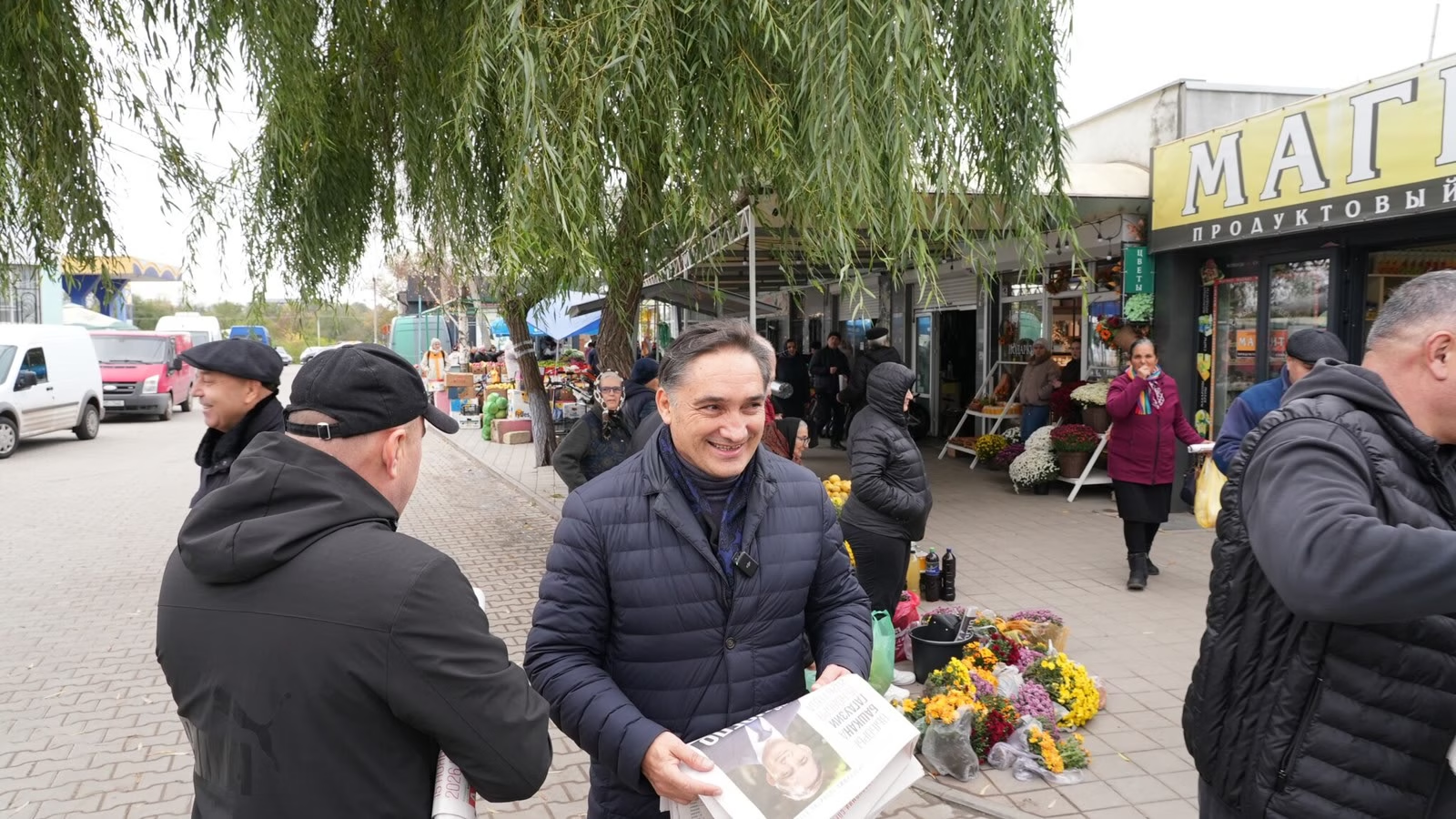
The photo shows Stoianoglo distributing campaign materials at a market in Comrat on October 31. In 2024, with the support of the Socialists, he reached the second round of the presidential election, where he lost to Maia Sandu after receiving 45.09% of the vote. In 2025, he was elected to parliament from the Alternative bloc. His program, “Gagauzia: Autonomy of Justice,” promises a permanent mechanism for negotiations between Comrat and Chisinau, Europa Liberă writes. Stoianoglo himself did not vote on November 15: he said he is registered in Chisinau but had lived in Gagauzia for more than 10 years, so his candidacy complies with the law.
Socialist candidate: “a bridge between East and West”
Fedor Gagauz is 68 years old. According to Interfax, he worked in the internal affairs agencies for 20 years and headed the autonomous region’s internal affairs department from 1999 to 2001. From 2012 to 2014, he was a member of the People’s Assembly of Gagauzia, and from 2014 to 2025 he served as a member of Moldova’s parliament for three terms. The Socialist Party, led by Igor Dodon, supports him in the election for governor.
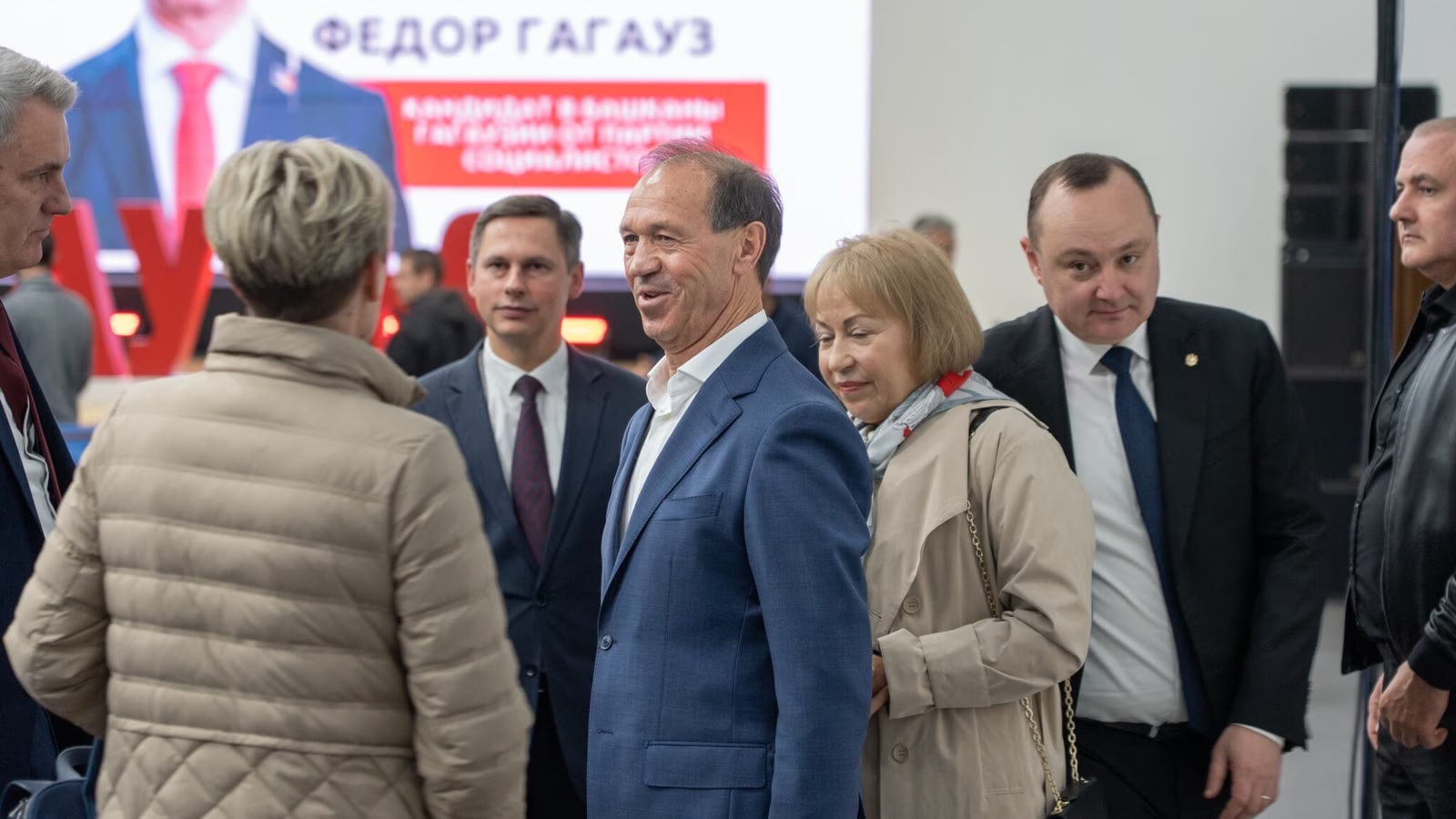
The photo shows Gagauz on the day his campaign began in Comrat on October 16. In an interview with Europa Liberă, he described restoring ties between Chisinau and Comrat through respect for the autonomous region’s status as his main task. He said Gagauzia should maintain good relations “with everyone: with Russia, Ukraine, Romania, Türkiye and all of Europe.”
People’s Assembly: 13 of 35 seats decided
Residents of the autonomous region also elected 35 members of the People’s Assembly in single-member districts. According to Radio Chisinau, only 13 candidates—three Socialists and 10 independents—won more than 50% of the vote and a seat in the first round. Interfax reports that the election was declared valid in 34 of the 35 districts. In the village of Baurci, turnout was 24.6%, so a repeat election will be held there on November 29. A runoff will also take place that day in districts where no winner was determined.
Why the election is early
The post of governor became vacant after former autonomous region head Evgenia Gutul was sentenced to seven years in prison in a case involving illegal financing of the former Shor party. The appeals court upheld the sentence, and in August the People’s Assembly declared that her mandate had ended. These are the last People’s Assembly elections held by district: in four years, members will be elected from party lists.
Gagauz people are Turkic-speaking, and Türkiye maintains close ties with the autonomous region. Ankara helped broker the compromise under which Gagauzia received special status within Moldova in 1994.
Photos: NewsMaker (cover), Europa Liberă. Sources: Moldova’s Central Election Commission, NewsMaker, Radio Chisinau, Interfax, Izvestia, Europa Liberă, Cotidianul.
Stay Updated with RuskiGazeta
Subscribe to be informed about special news, developments and announcements. We will keep you informed.
By signing up, you agree to our Privacy Policy