- BIST10010,977+2.18%
- USD50.70+0.04%
- EUR55.61+0.02%
- GOLD3,668.50+2.91%
- INTEREST36.00%-1.00
- BITCOIN59,683-0.31%
- November 28, 202613°
- BIST10010,977+2.18%
- USD50.70+0.04%
- EUR55.61+0.02%
- GOLD3,668.50+2.91%
- INTEREST36.00%-1.00
- BITCOIN59,683-0.31%
- November 28, 202613°
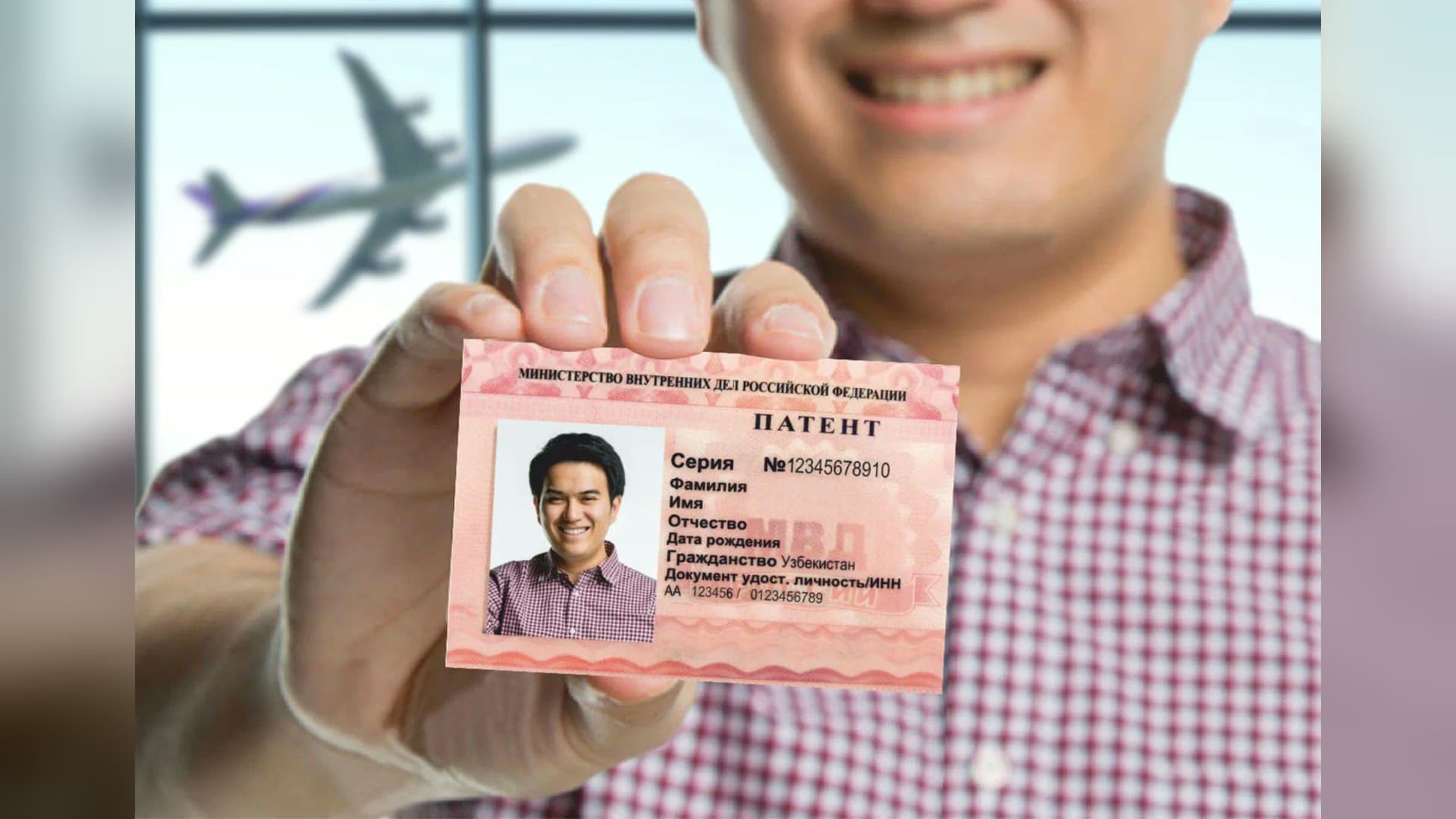
From 2027, migrants in Russia must prove income as patents become costlier
Starting January 1, 2027, foreign workers in Russia will have to prove a minimum income for lawful stay, with regions determining the amount. At the same time, work patents are becoming more expensive in Moscow, Zabaykalsky Krai, Primorye and other regions.
Starting January 1, 2027, labor migrants in Russia will have to prove a minimum monthly income to stay lawfully. Amendments to federal legislation have allowed regions to set their own coefficients for calculating this amount, and regions are adopting their decisions one after another.
Yugra: starting at 64,000 rubles
The government of the Khanty-Mansi Autonomous Okrug approved a bill under which the minimum income for a foreign worker will be 64,360 rubles per month. With one dependent living in Russia, the amount will rise to 128,721 rubles, and with two dependents, to 193,082 rubles. The coefficient in the region is proposed to be set at 2.8, one of the highest figures in the country. This is not a minimum wage but income that the migrant must prove.
Work patents become more expensive
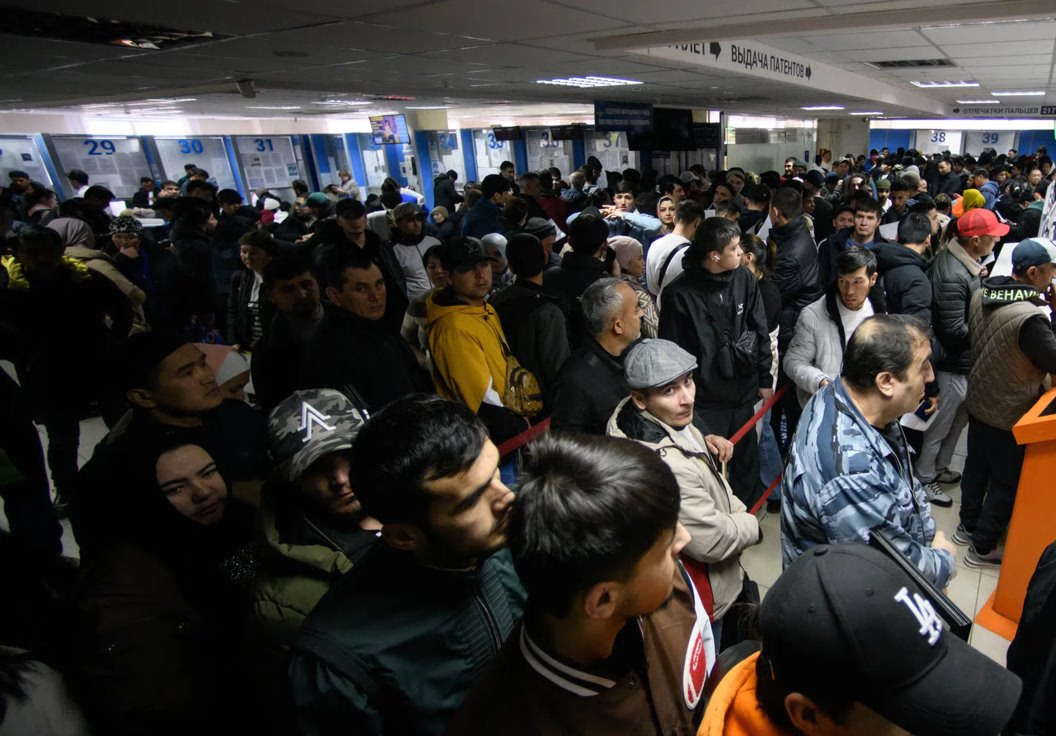
In Zabaykalsky Krai, the coefficient used to calculate the cost of a work patent will rise from 4.76 to 4.78 in 2027. The monthly advance payment for foreign nationals working for organizations will be 17,242 rubles, while those working for individuals will pay 24,426 rubles, compared with 14,816 rubles in 2026. Data from the regional labor department show that the number of work patents issued in the region rose by more than 22% over the year.
The Moscow City Duma supported amendments raising the cost of a work patent in the capital, which is 10,000 rubles per month in 2026, and for the first time set a minimum income level that migrants need to support themselves and their families. The 2027 increase in work-patent fees was also approved in Primorye, where the payment will rise by 3,300 rubles, while Khakassia retained its current regional coefficient.
Stay Updated with RuskiGazeta
Subscribe to be informed about special news, developments and announcements. We will keep you informed.
By signing up, you agree to our Privacy Policy