- BIST10011,131-3.02%
- USD50.47+0.05%
- EUR55.46+0.20%
- GOLD3,539.00-3.98%
- INTEREST36.00%-1.00
- BITCOIN59,050-4.61%
- November 21, 202616°
- BIST10011,131-3.02%
- USD50.47+0.05%
- EUR55.46+0.20%
- GOLD3,539.00-3.98%
- INTEREST36.00%-1.00
- BITCOIN59,050-4.61%
- November 21, 202616°
Fidan: Donbas dispute prolongs war, peace must include Russia and Europe
Türkiye’s Foreign Minister Hakan Fidan said in Brussels that the remaining part of Donbas remains the main obstacle to peace. He said Russia does not want a temporary Black Sea agreement without lasting peace, while Ankara is offering the parties its own formula.
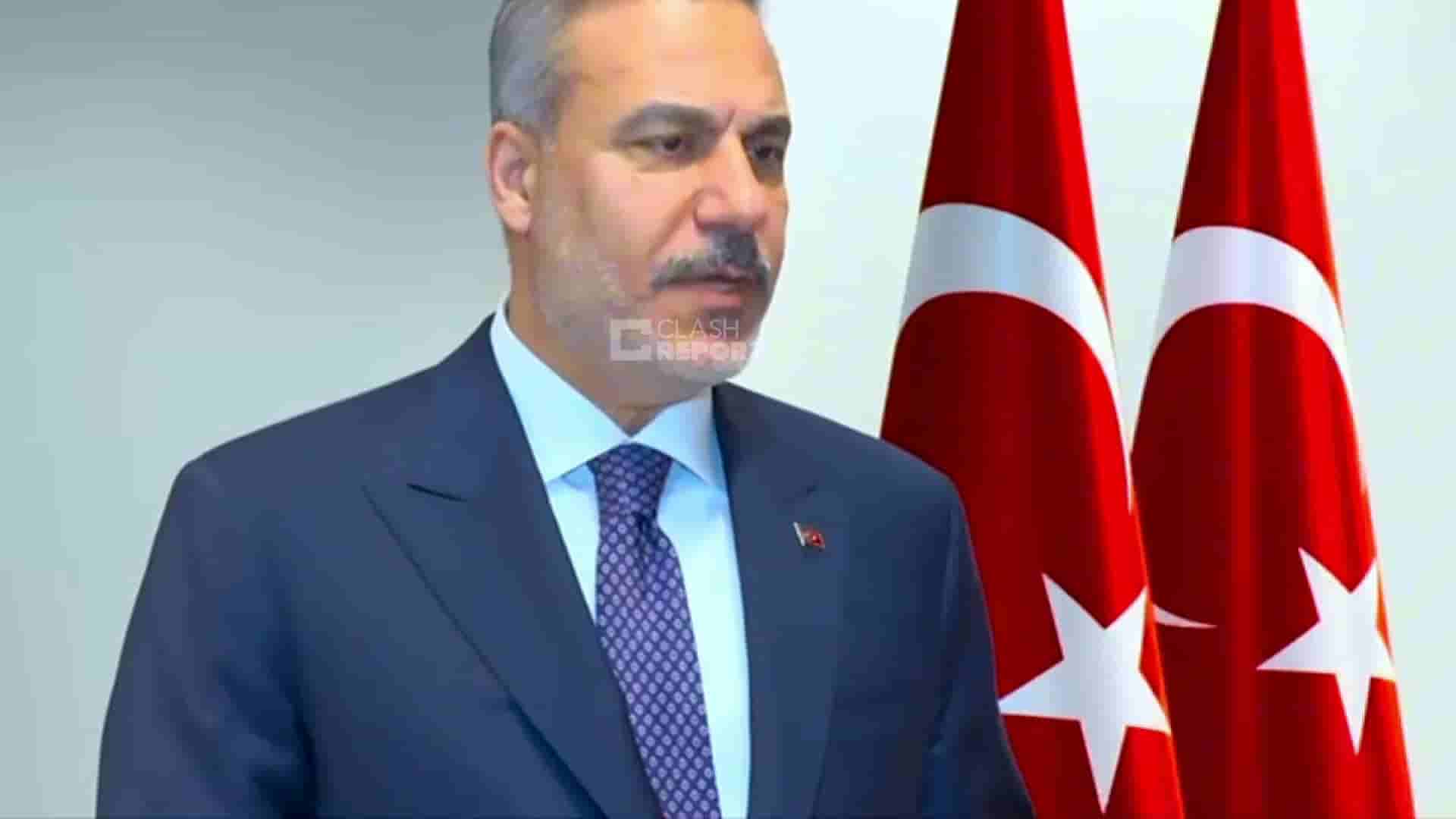
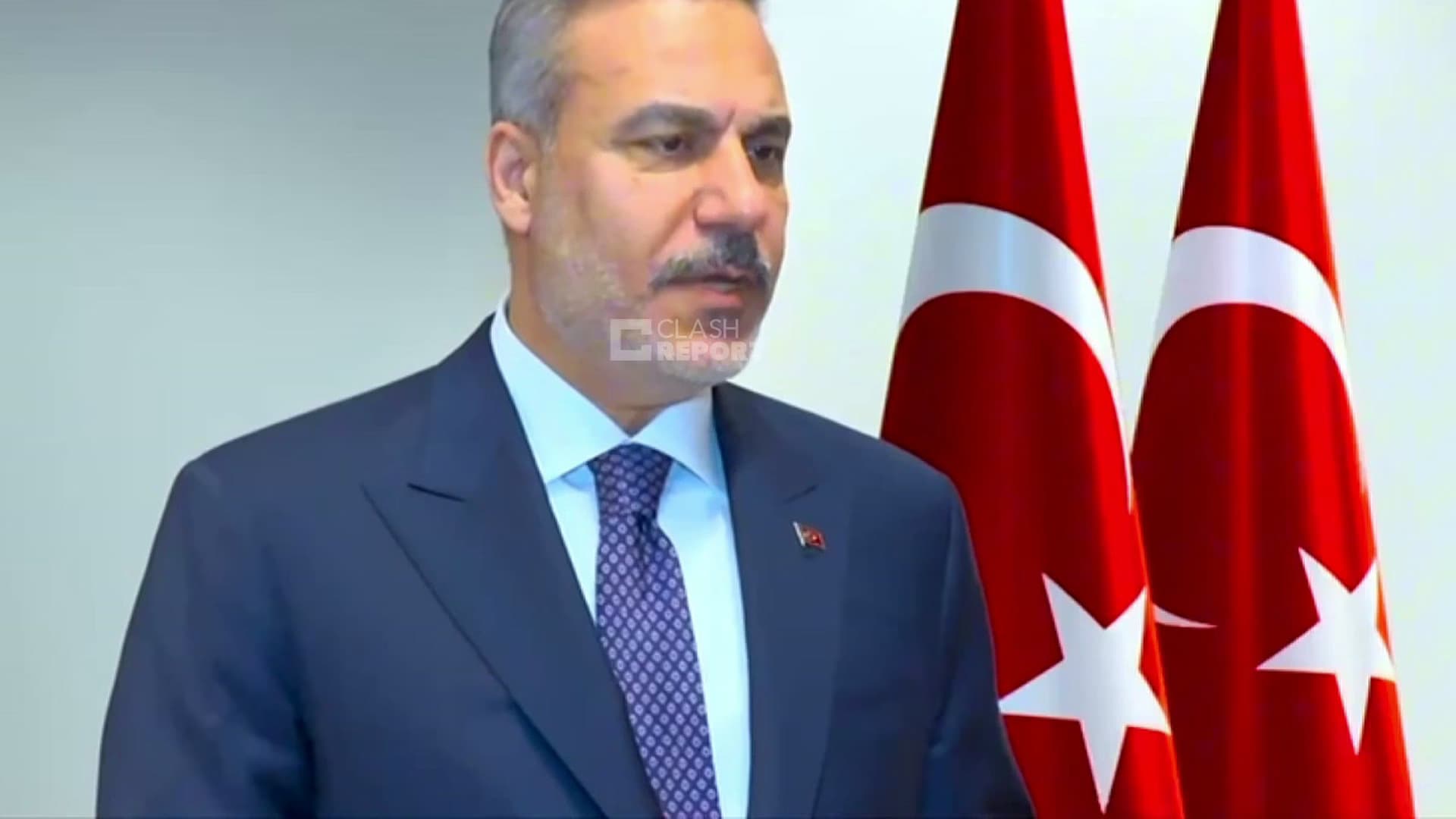
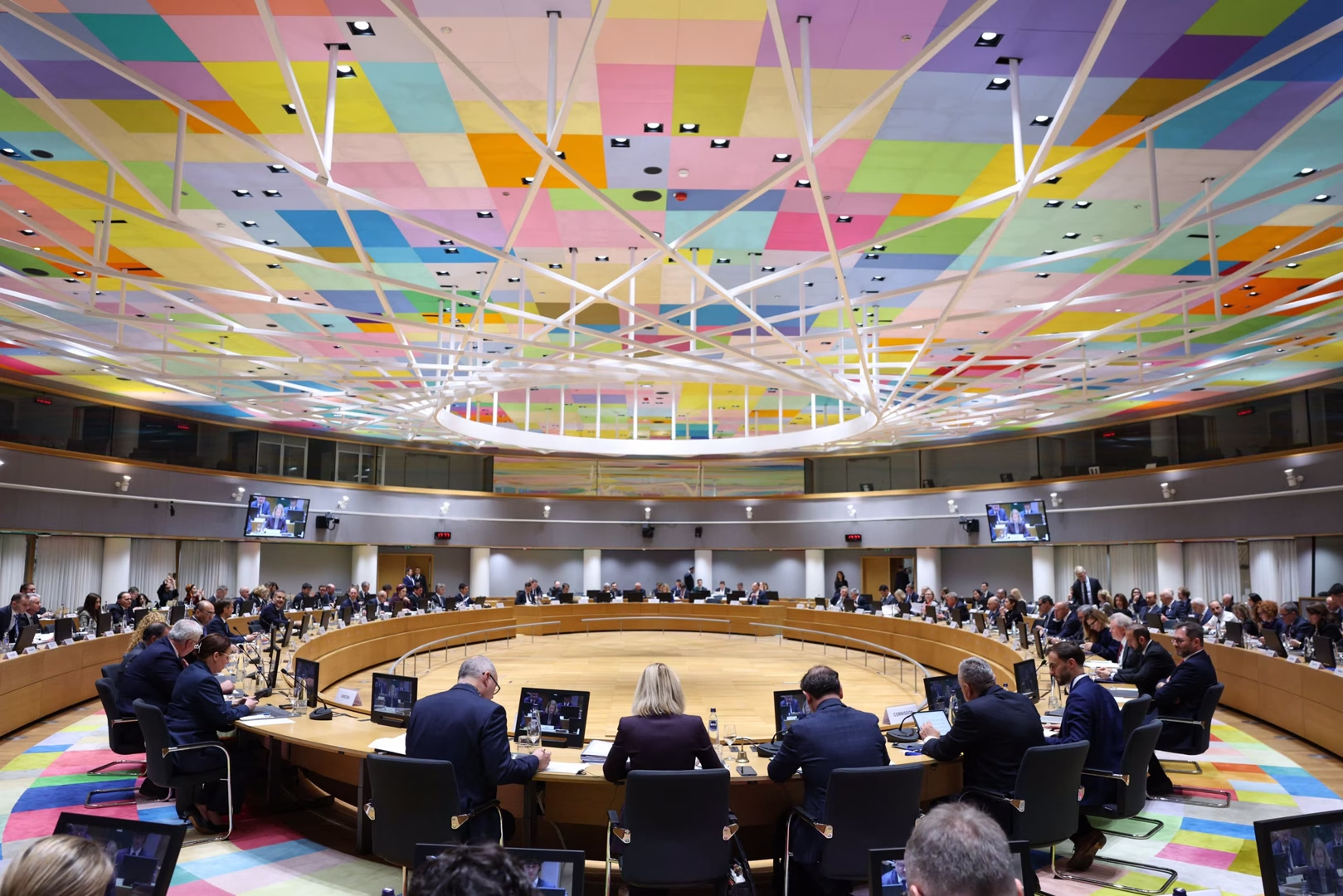
Türkiye’s Foreign Minister Hakan Fidan identified the dispute over Donbas as the main reason the war in Ukraine continues. He spoke in Brussels after the second ministerial meeting on interregional security and connectivity, held as part of the EU Foreign Affairs Council.
Responding to a question about the Russia-U.S.-Ukraine talks in the United Arab Emirates, Fidan recalled that Türkiye had hosted the same format several times. “We see that the essence of the issue has still not been resolved,” he said.
Fidan said Russia is demanding the remaining part of Donbas, considering it to lie within its borders, while Ukraine regards the territory as its own land and is not prepared to give it up. “According to the Russians’ definition, it is 11–12 percent; from the Ukrainian side’s perspective, it is 18 percent. This is the part that remains now,” Fidan explained.
“A new security architecture”
Fidan stressed that peace between Russia and Ukraine would also mean peace between Russia and Europe, so Europe’s new security architecture should be discussed openly. He identified the line of contact, Donbas, security guarantees, and the fate of sanctions and frozen Russian assets during Ukraine’s reconstruction as key issues for a future agreement. “It is quite difficult to reach an agreement on all of this that satisfies all sides,” the minister acknowledged.
Grain and the Black Sea
On the sidelines of the meeting, Fidan held talks with representatives of Ukraine, Germany, Lithuania, Denmark, Bulgaria, Romania and Moldova. Türkiye, he said, is in contact with both Ukraine and Russia on how to return grain to global markets and ensure the safety of shipping in the Black Sea. Fidan met with the Russian side several days earlier.
“This is a complex equation because the Russians do not want a temporary agreement with the Ukrainians on the Black Sea without a permanent peace agreement,” the minister said. Ankara has ideas for finding common ground, but it is too early to share them publicly: “We are sharing them with the parties concerned.”
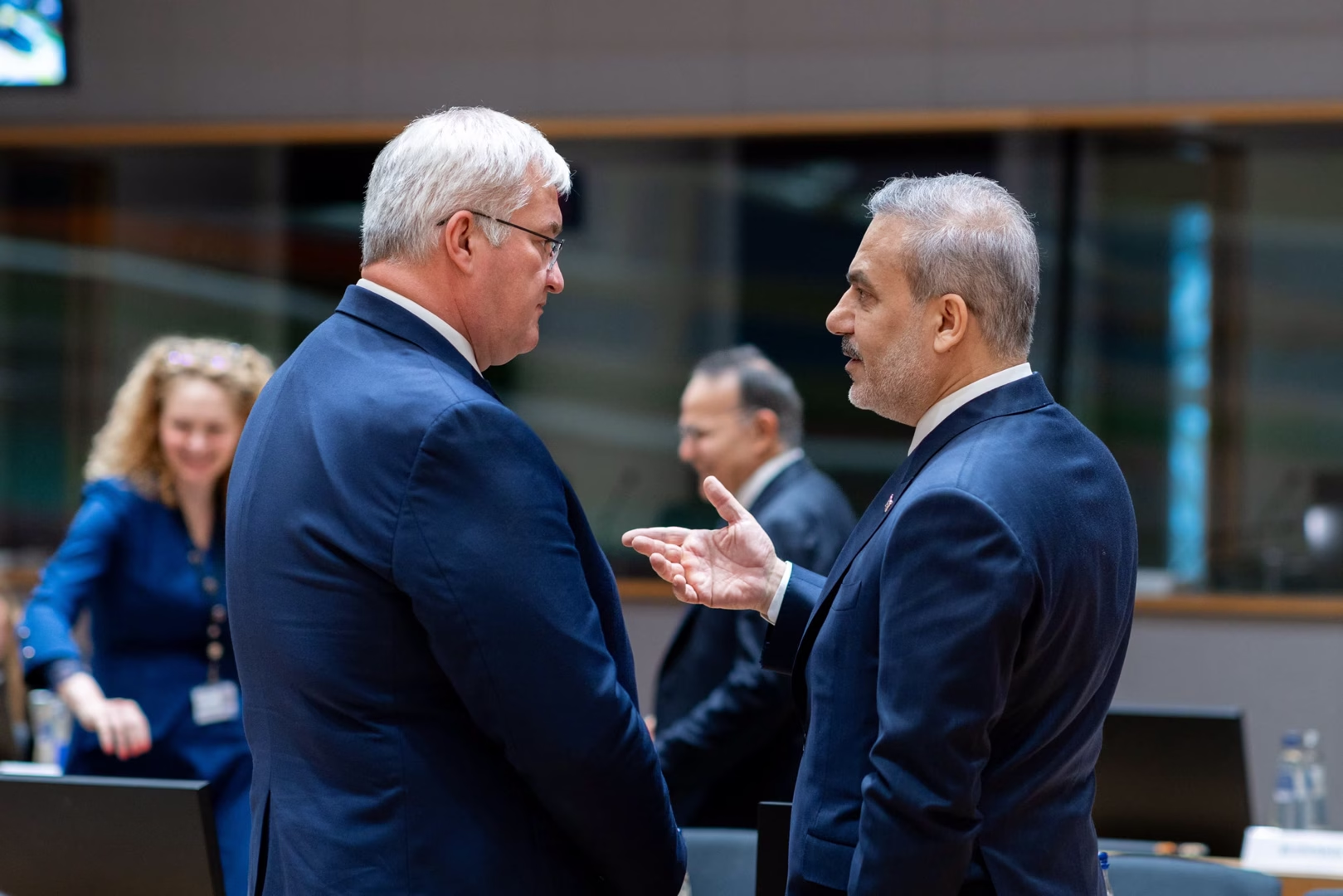
Fidan also noted that Türkiye has become a common point for Europe, the Black Sea, the Caucasus and Central Asia along the Middle Corridor, and that all participants recognize its central role in connectivity issues.
Photo: Ministry of Foreign Affairs of Türkiye.
Stay Updated with RuskiGazeta
Subscribe to be informed about special news, developments and announcements. We will keep you informed.
By signing up, you agree to our Privacy Policy