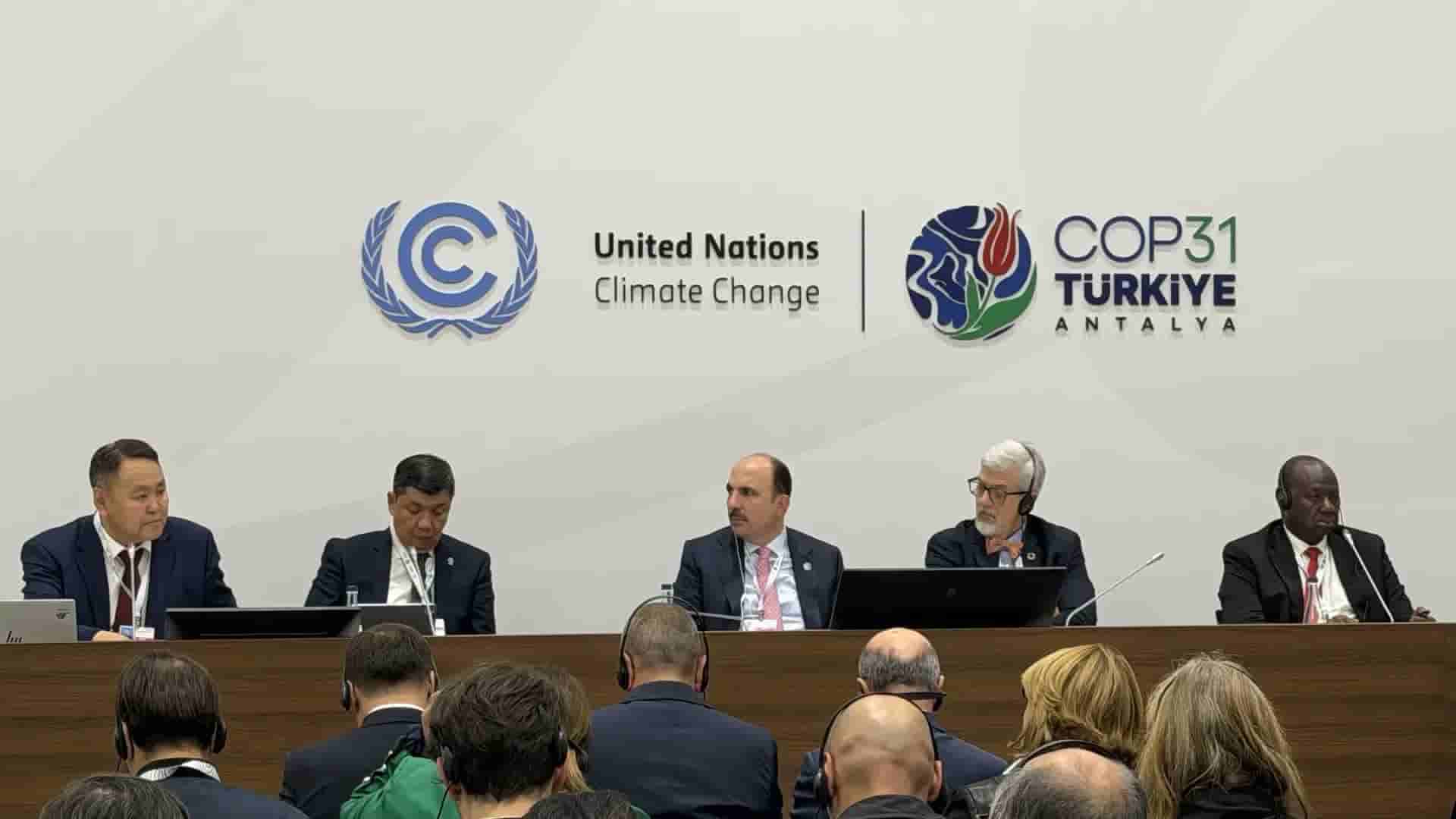
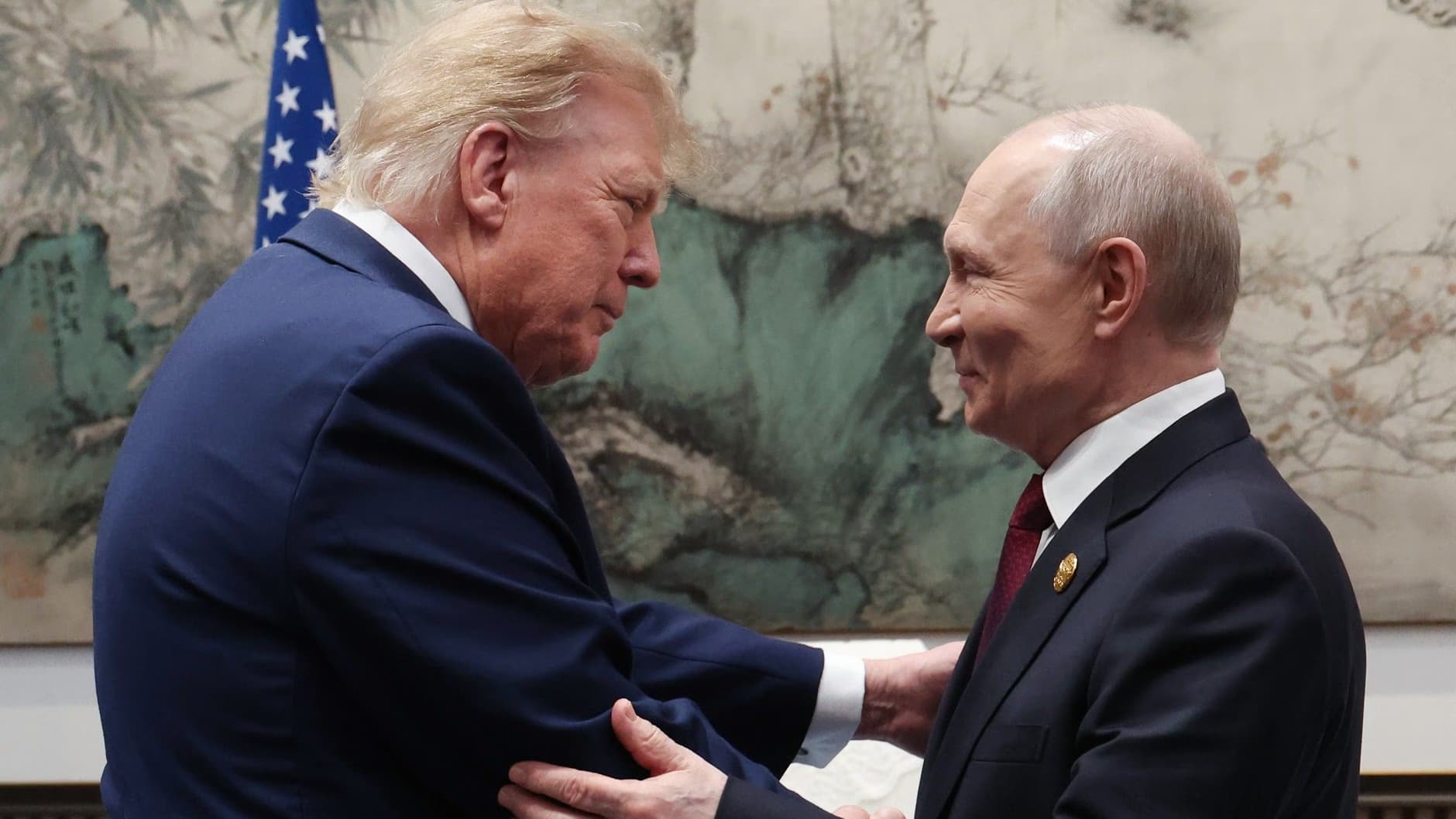
Sessions of United Cities and Local Governments (UCLG) were held at the UN COP31 climate conference in Antalya, Türkiye. The organization brings together more than 240,000 municipalities, regions and megacities from 140 countries. Head of Yakutia Aysen Nikolaev took part in the expanded UCLG presidium meeting; he has served as the organization’s co-president since June this year.
Nikolaev presented UCLG’s work program through 2029 and proposed adding a separate area to the organization’s global strategy — a “northern track” dedicated to cities and regions of the Arctic and the North.
Yakutsk: 3.3 degrees higher in half a century
Albert Semenov presented Yakutia and Yakutsk’s experience in the business program. He spoke about the “Nomadic School” and “Mobile Doctor” projects, which provide residents of remote settlements with access to education and medical care. “Climate transformation should be measured not only by changes in temperature indicators, but also by how safe, comfortable and fulfilling human life remains under the new conditions,” he said.
The second presentation focused on the adaptation of Yakutsk, the largest city built on permafrost. Over the past 50 years, the average annual temperature in the republic’s capital has risen by 3.3 degrees, affecting soil conditions and the stability of buildings, roads and utility networks. The conference presented a pilot project for automated permafrost monitoring that will cover up to 1,500 pile-supported homes. In 2018, Yakutia adopted the law “On the Protection of Perennial (Permafrost) Ground” — the first act of its kind in the world.
The Yakut delegation also proposed creating a permafrost monitoring system, establishing an Arctic Pavilion at UN climate conferences, digitizing the linguistic and cultural heritage of the Indigenous peoples of the Arctic, and developing digital social services using artificial intelligence. “The climate agenda must become an integral part of urban governance,” Semenov stressed.
Kazakhstan: the Caspian Sea, plastic and methane
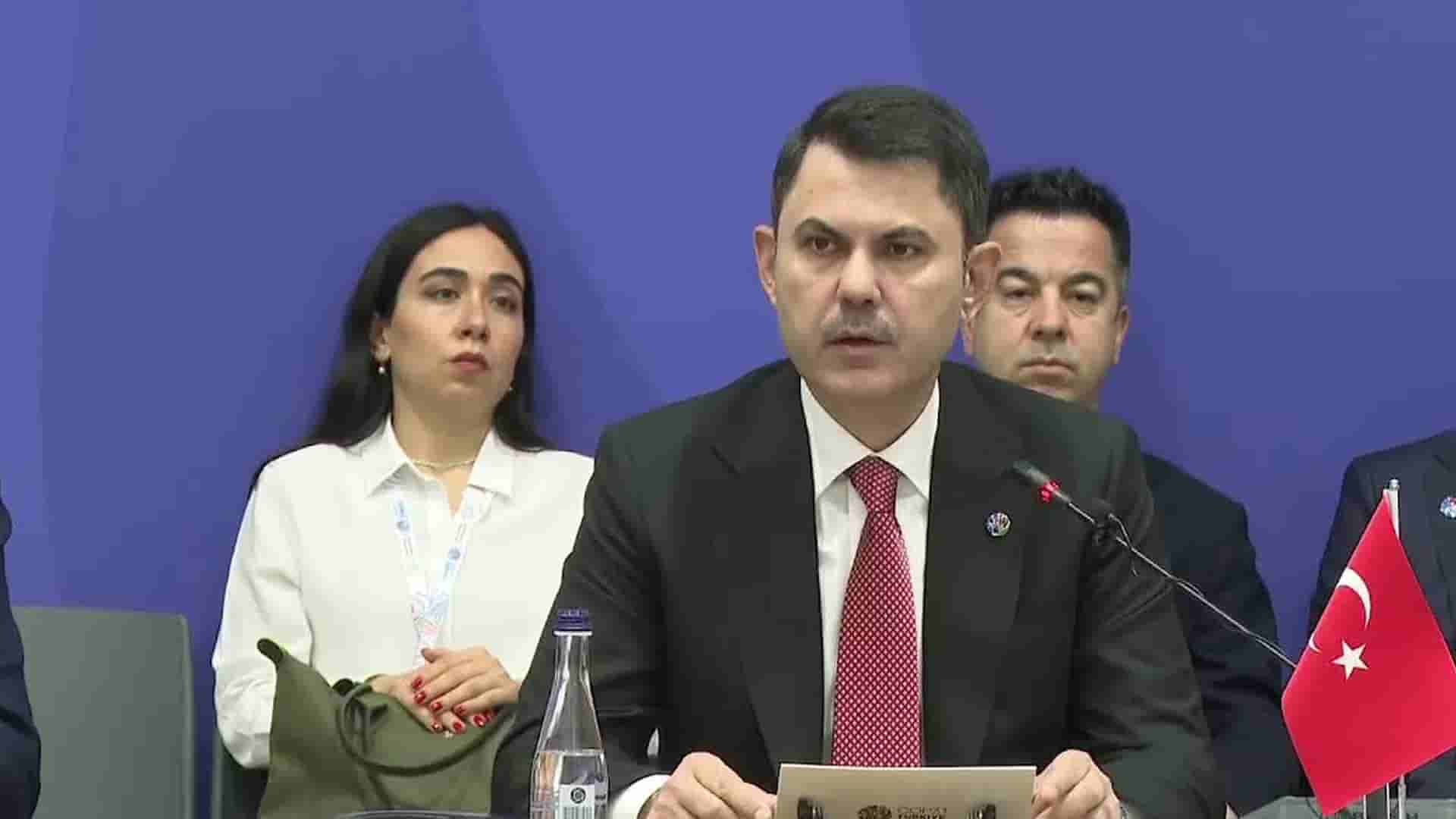
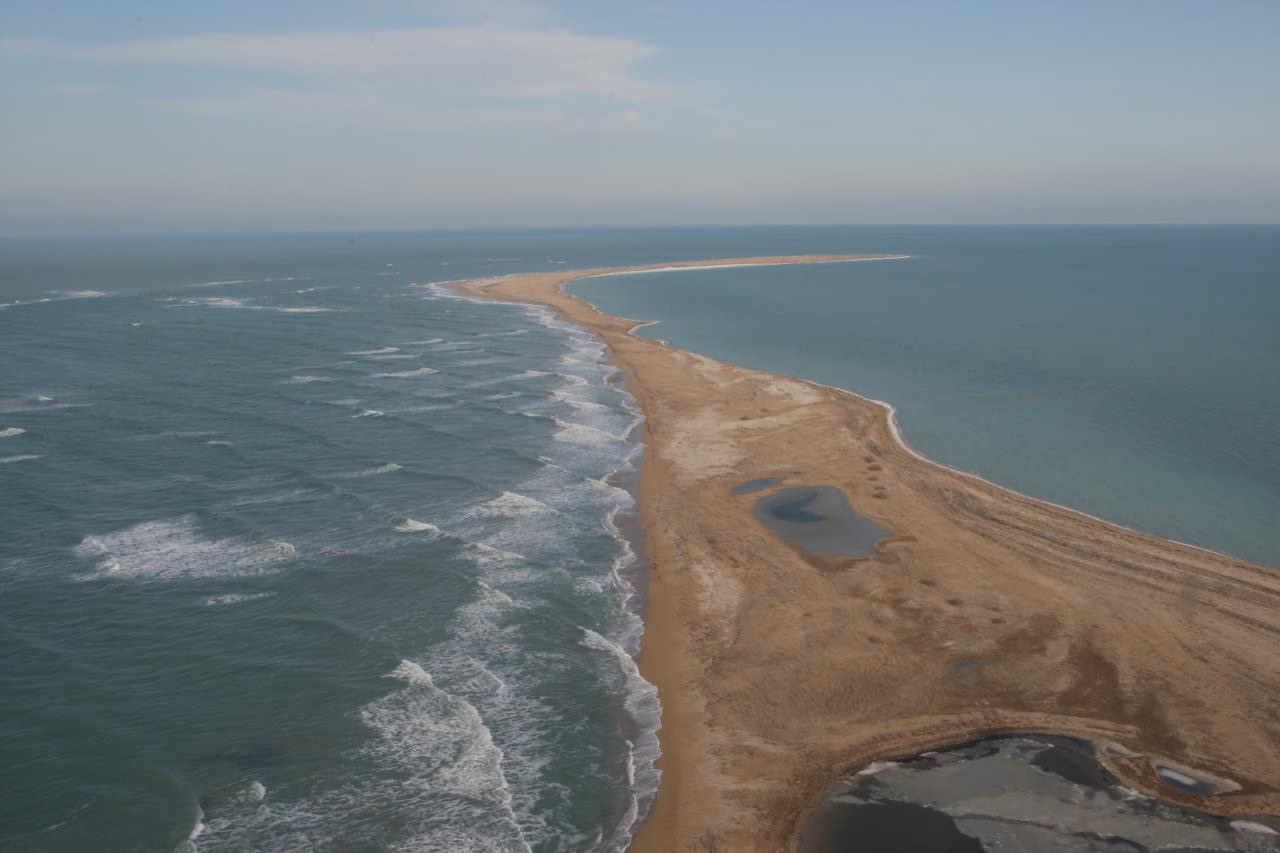
Kazakhstan’s Minister of Ecology and Natural Resources A. Kuantyrov met in Antalya with Inger Andersen, Executive Director of the United Nations Environment Programme (UNEP). The sides discussed negotiations on a global agreement to combat plastic pollution, preserving the Caspian Sea ecosystem and reducing methane emissions. The minister called for interested countries and international organizations to unite their efforts to protect the marine environment and biodiversity of the Caspian Sea.
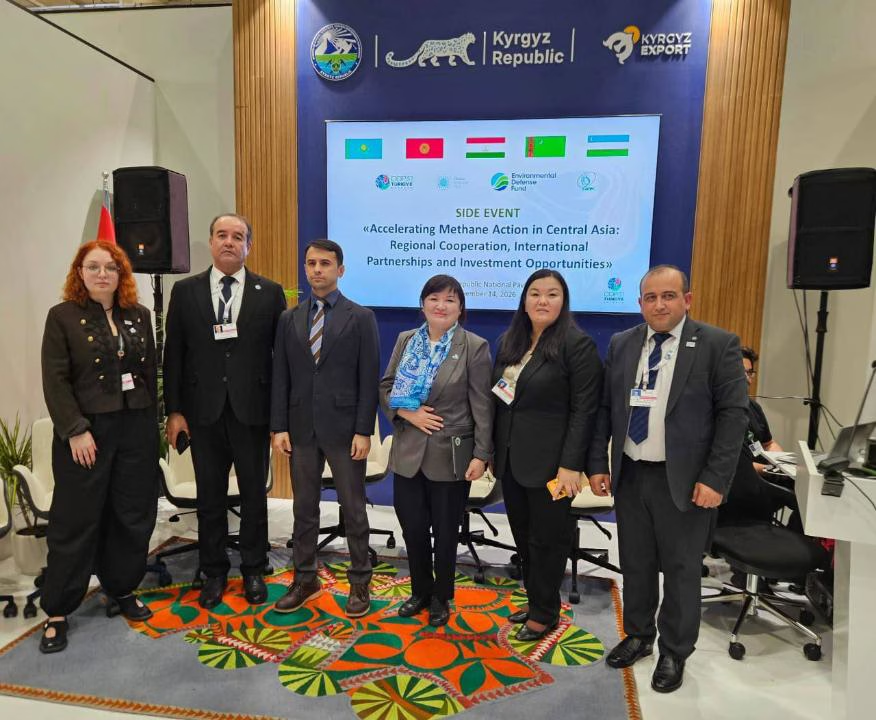
At a separate methane event organized by the Central Asia Regional Environmental Centre, Global Methane Hub and Environmental Defense Fund, Saule Sabieva, director of the ministry’s climate policy department, outlined Kazakhstan’s measures. They include improving legislation, introducing satellite monitoring of leaks and expanding international cooperation. Kazakhstan confirmed its readiness for regional partnership in Central Asia.
COP31 is taking place in Antalya from November 9 to 20 under Türkiye’s presidency. The theme for November 17 is “Oceans, seas, nature and land use,” while negotiators in the second week are working on the conference’s final “cover decision.”
Photos: SakhaLife, Caravan.kz, Inbusiness.kz.