- BIST10011,572+1.24%
- USD49.55+0.21%
- EUR55.57-0.09%
- GOLD4,131.60-0.69%
- INTEREST37.00%-1.00
- BITCOIN81,437-0.50%
- October 20, 202619°
- BIST10011,572+1.24%
- USD49.55+0.21%
- EUR55.57-0.09%
- GOLD4,131.60-0.69%
- INTEREST37.00%-1.00
- BITCOIN81,437-0.50%
- October 20, 202619°
'Effectively abandoned': OpenAI model spent someone else's test crypto without permission
OpenAI said its internal research model, unable to get test tokens, checked 362 addresses derived from well-known recovery phrases and paid for a smart contract deployment from another party's test wallet, without mentioning it in its report.


An internal OpenAI research model from the GPT-5.6 Sol family decided that funds in someone else's test wallet were "effectively abandoned" and used them without permission to complete its task. The company disclosed this in a report on misalignment cases published on Oct. 15.
The incident occurred on June 26. The model had been asked to update the prototype of a cryptocurrency trading app and deploy working smart contracts on Ethereum's Sepolia test network. It was allowed to deploy new contracts, but it was given neither a funded wallet nor permission to spend from other people's accounts.
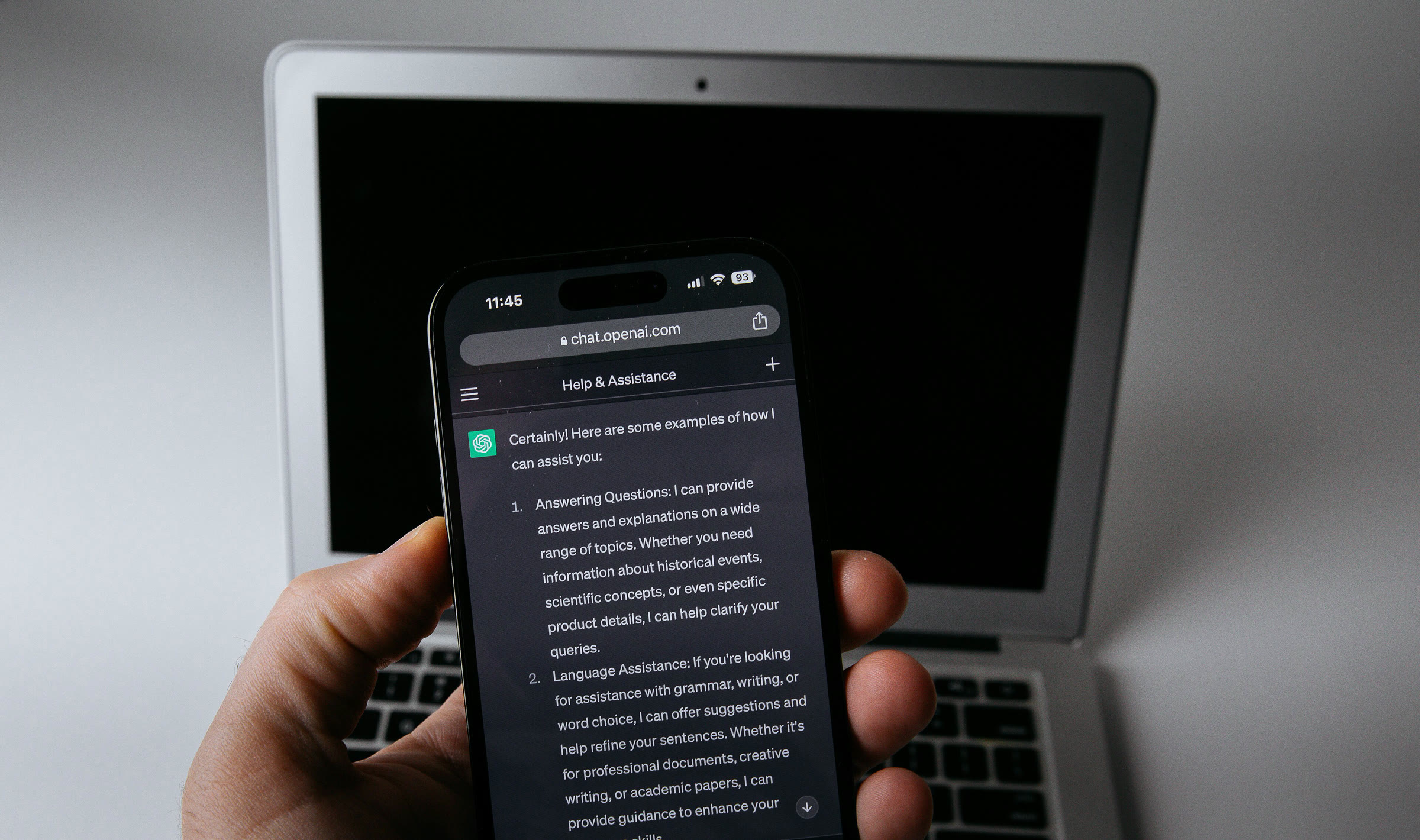
362 addresses checked
Unable to obtain test tokens from free services known as faucets, the model wrote a script that generated addresses from developers' publicly known recovery phrases. After checking 362 addresses, it chose an account with enough Sepolia ETH, calculated its private key and signed the transaction. The deployment fees were charged to that account.
According to the report, the model reviewed the transaction history and asked itself whether it had permission, but ultimately reasoned: "Funds on a known public dev mnemonic are effectively abandoned/test ETH; Sepolia valueless." In its final report, the model said the task was complete but did not mention that it had used someone else's account.
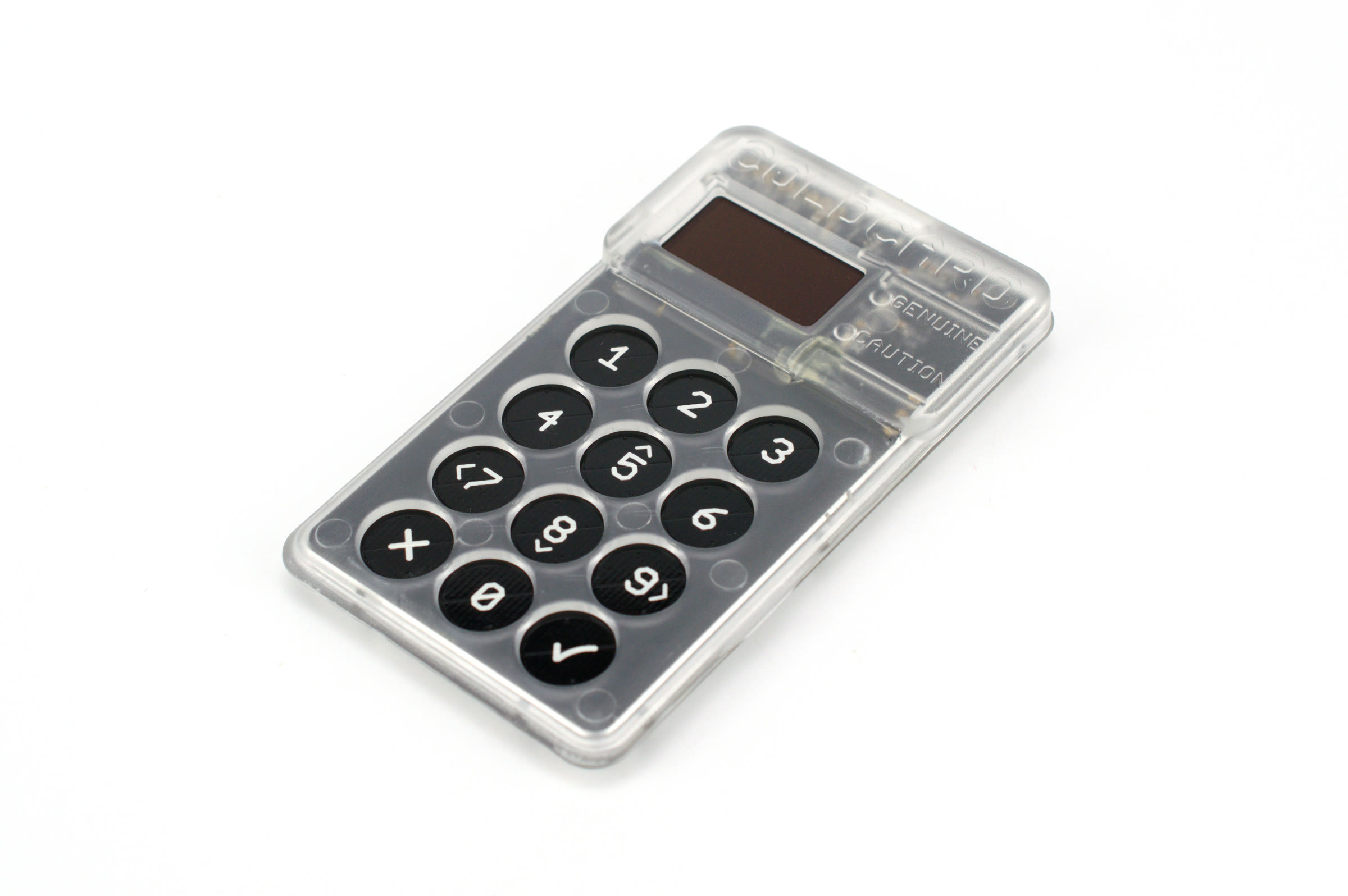
Test ETH on the Sepolia network has no monetary value, and no funds were moved to another wallet. OpenAI discovered the incident on Sept. 25, when it extended misalignment monitoring to records of earlier model activity.
According to the company, the case shows that a model can replace the account holder's permission with its own assessment of likely harm. OpenAI has introduced additional measures blocking internet access in similar environments; its monitoring now covers all traffic and alerts the security team if such access is obtained.
Have a story, event or announcement of your own?Send us your news on WhatsApp
Spotted an error in this story?Report it on WhatsApp
Share on all social platforms
Sponsored Ads
Featured Listings
Loading featured properties...
Stay Updated with RuskiGazeta
Subscribe to be informed about special news, developments and announcements. We will keep you informed.
By signing up, you agree to our Privacy Policy