- BIST10011,722-2.89%
- USD49.45+0.05%
- EUR55.62+0.37%
- GOLD4,189.10+0.19%
- INTEREST37.00%-1.00
- BITCOIN82,334+0.39%
- October 19, 202614°
- BIST10011,722-2.89%
- USD49.45+0.05%
- EUR55.62+0.37%
- GOLD4,189.10+0.19%
- INTEREST37.00%-1.00
- BITCOIN82,334+0.39%
- October 19, 202614°
Cuba suffers second island-wide blackout in a week under US fuel blockade
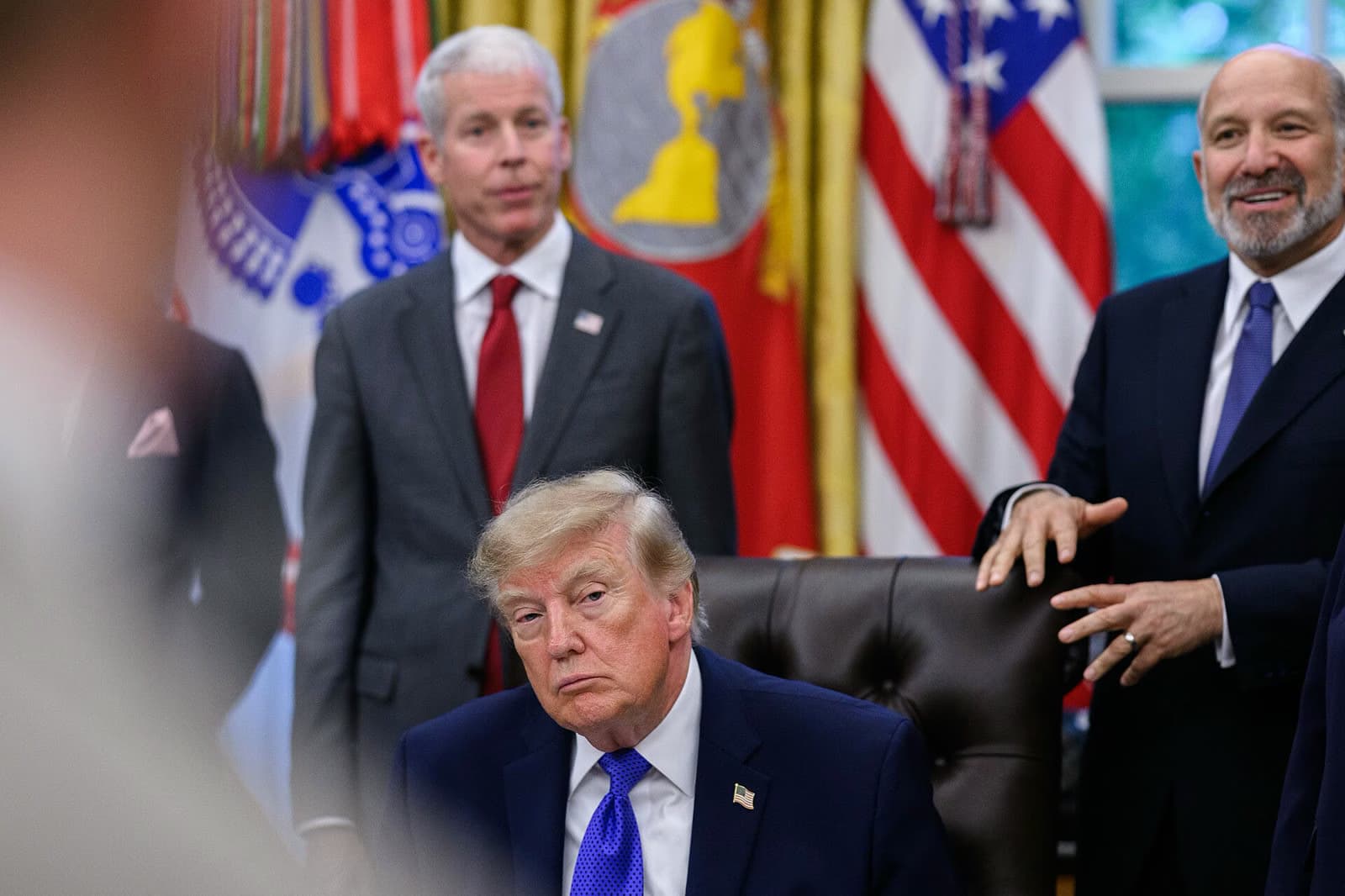
Cuba faced a nationwide blackout for the second time in a week due to fuel restrictions imposed by US President Donald Trump. This was the fourth major outage since the start of the year.


Cuba was rocked by a blackout affecting the entire island for the second time in a week, under the shadow of tightened US sanctions. The state electricity company Unión Eléctrica announced that the outage, which began at 4:30 p.m. local time on Friday, was nationwide.
The outage followed a similar event on Monday. This brings the total number of island-wide blackouts in 2026 to four since the beginning of the year, two of which occurred in March.
Aging infrastructure and US blockade deepen crisis
The frequent blackouts in Cuba are largely rooted in aging energy infrastructure dating back to the Cold War era. However, the crisis took on a new dimension when US President Donald Trump effectively cut off fuel supplies to Cuba in January.
The US has maintained the longest trade embargo in modern history against Cuba since the 1960s. In his second term, Trump implemented policies aimed at regime change on the communist-ruled island.
On January 3, Trump approved a military operation targeting Venezuelan President Nicolas Maduro, an ally of Cuba. The operation resulted in Maduro being abducted and taken to New York; he remains detained on drug and weapons charges.
After Maduro's removal from power, Trump declared that Venezuela would not send oil and money to Cuba. In a presidential decree issued on January 29, he described Cuba as "an unusual and extraordinary threat to the US" and threatened countries that supply fuel to the island with high tariffs.
After that date, only one Russian oil tanker was able to reach Cuba, and that happened in March.
UN: Fuel restrictions double infant deaths
According to International Energy Agency data, Cuba was able to produce only 40 percent of the oil it consumed as of 2023, with the rest dependent on imports. Experts warn that the lack of fuel will cripple basic public services like transportation, negatively affecting the civilian population.
UN High Commissioner for Human Rights Volker Türk said in a statement in June that infant mortality rates had nearly doubled in recent months. "The fuel restrictions imposed since early 2026 and the tightening of extraterritorial sanctions are directly harming Cubans, especially the most vulnerable," Türk said. "Children are dying because doctors cannot access basic medical supplies and medicines. This is unacceptable."
US administration blames Cuban government
The Trump administration blames the Cuban government's mismanagement for the blackouts. US Secretary of State Marco Rubio claimed in an interview with Al Jazeera in March, "We have not done anything punitive against the Cuban regime."
Plans to switch to renewable energy advance slowly
Before the fuel blockade, Cuba had planned to shift part of its energy infrastructure from fossil fuels to solar and other renewable sources. It accelerated this transition with solar technology imported from China, the US's main economic rival.
However, according to 2022 estimates, renewable energy accounts for only about 18 percent of Cuba's total energy consumption. Cuba aims to generate about a quarter of its energy from renewable sources by 2030.
Stay Updated with RuskiGazeta
Subscribe to be informed about special news, developments and announcements. We will keep you informed.
By signing up, you agree to our Privacy Policy