- BIST10011,131-3.02%
- USD50.47+0.05%
- EUR55.46+0.20%
- GOLD3,539.00-3.98%
- INTEREST36.00%-1.00
- BITCOIN59,021-4.66%
- November 21, 202616°
- BIST10011,131-3.02%
- USD50.47+0.05%
- EUR55.46+0.20%
- GOLD3,539.00-3.98%
- INTEREST36.00%-1.00
- BITCOIN59,021-4.66%
- November 21, 202616°
Colby says Ukraine’s deep strikes into Russia may have hardened Russians’ resolve
U.S. Deputy Secretary of Defense for Policy Elbridge Colby urged allies at the Ramstein meeting at NATO headquarters to focus aid to Kyiv on the front. Germany called the criticism “foolish.”
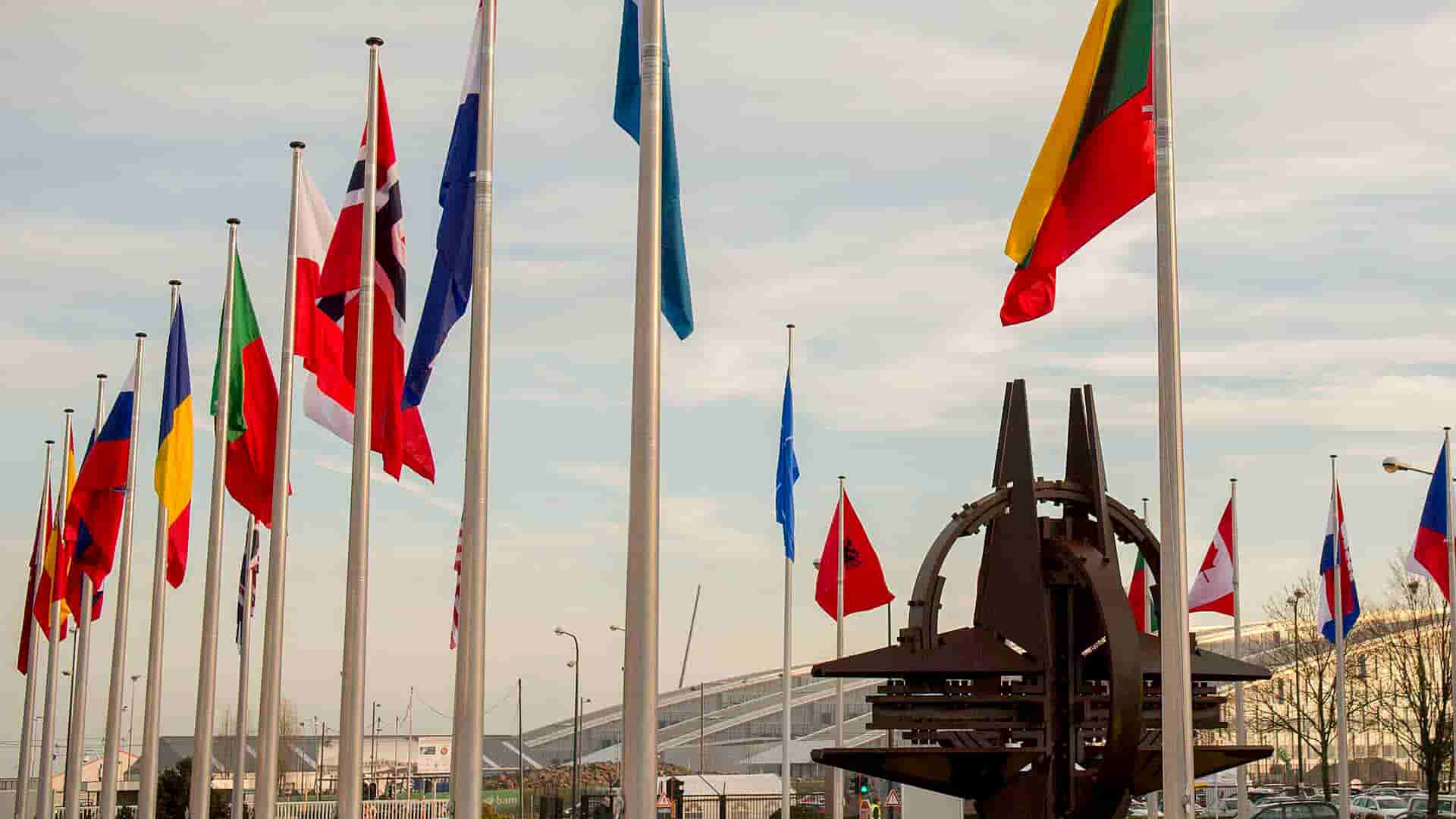
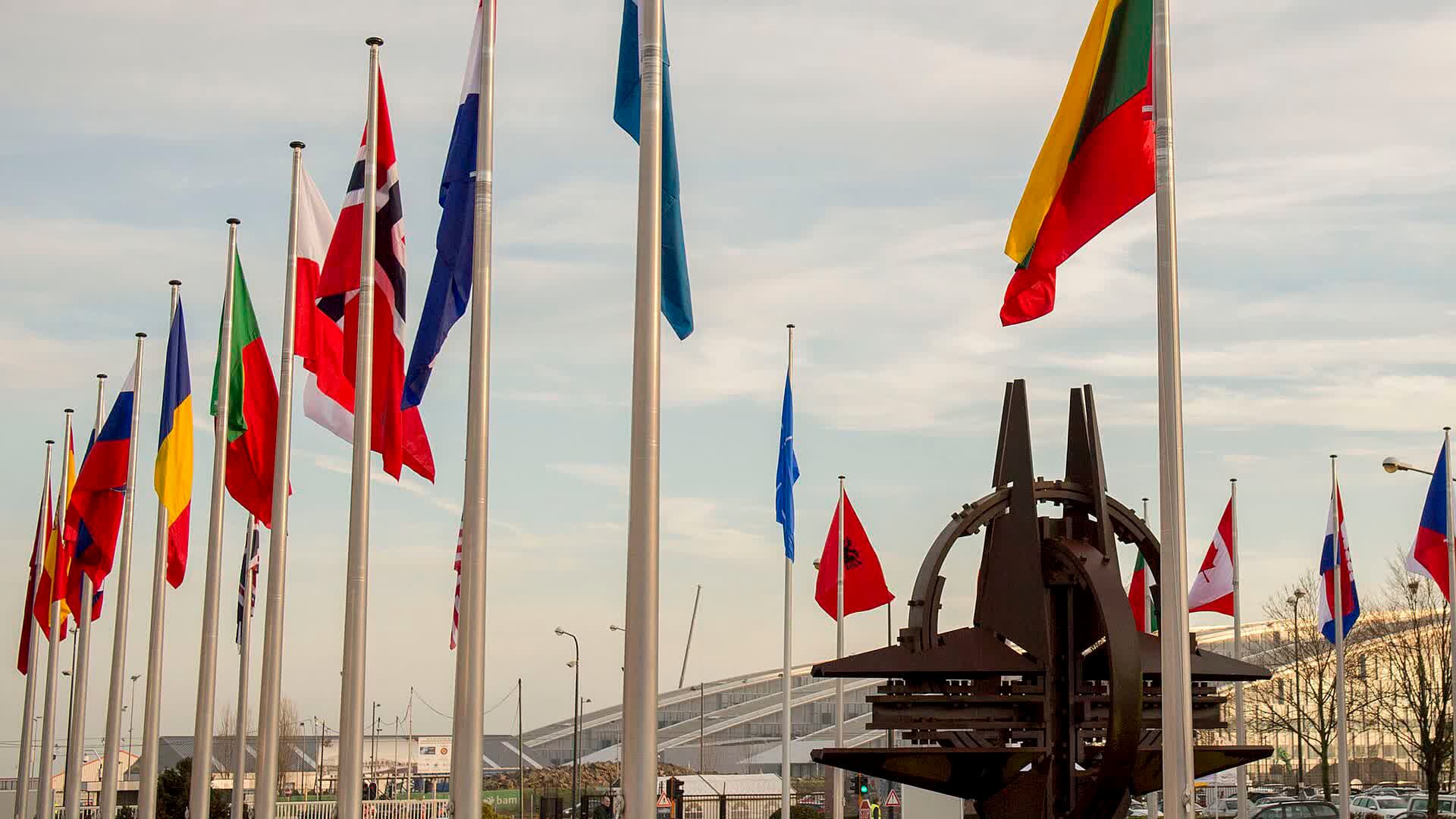
Elbridge Colby, the U.S. deputy secretary of defense for policy, said on Tuesday, November 17, at a meeting of the Ukraine Defense Contact Group, known as Ramstein, at NATO headquarters in Brussels that Kyiv’s strikes deep inside Russian territory were not producing the desired result.
Colby said such strikes “have not helped bring the war closer to an end and do not help deter Russia’s advance along the front line.” “Such strikes, especially against civilian infrastructure such as Wildberries warehouses, have probably only strengthened Russian society’s resolve and the Kremlin’s willingness to escalate,” he said.
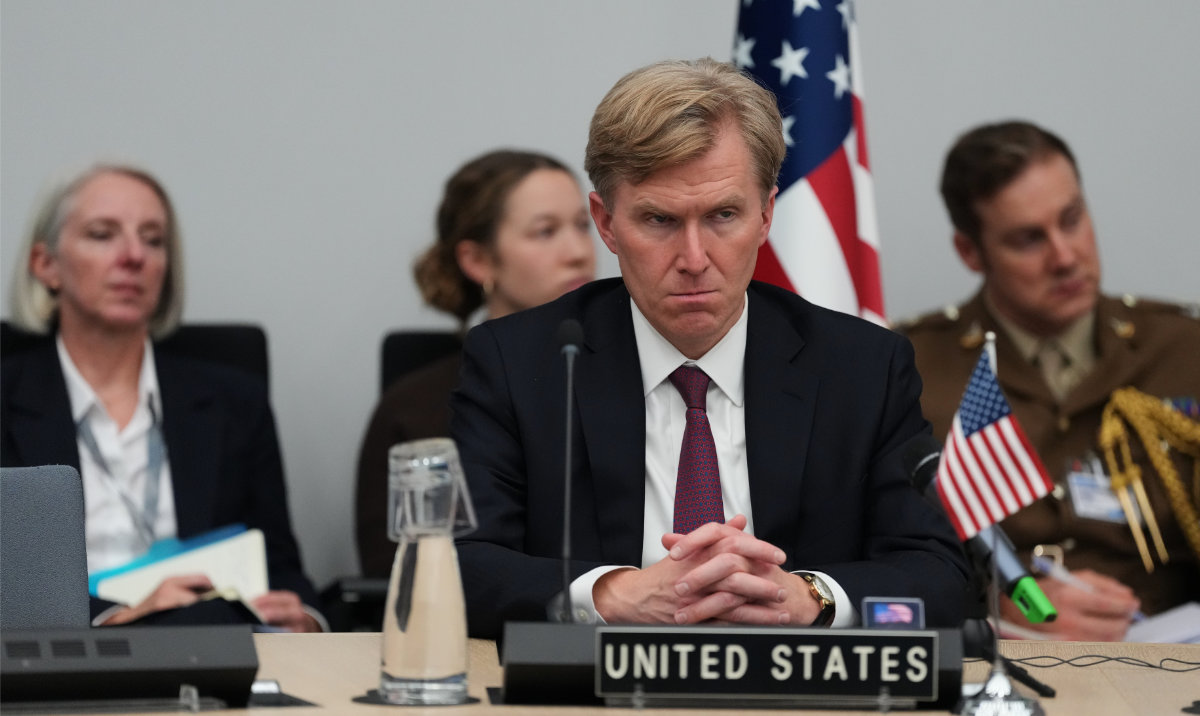
Colby said Washington believes support for Ukraine would be more effective if focused on the front and medium-range strikes. Earlier, U.S. President Donald Trump demanded that Kyiv stop attacks on Russian oil refineries, saying they were causing a global diesel fuel shortage.
Europe disagrees
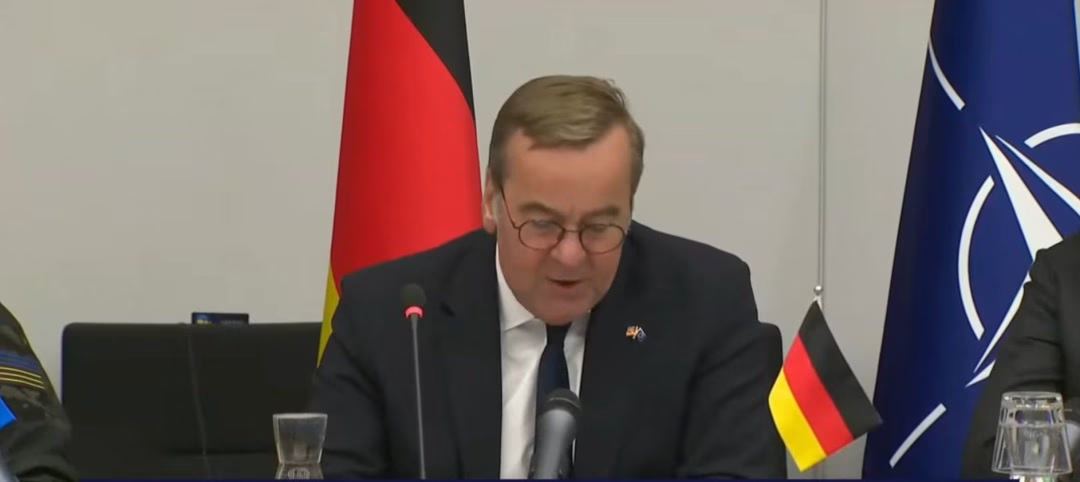
German Defense Minister Boris Pistorius called the criticism of long-range strikes “quite a foolish thing” and urged discussion of Russia’s daily attacks on Ukraine’s energy infrastructure and water and heating systems. British Defense Minister Wes Streeting, who co-chaired the meeting, said: “It is not for us to tell Ukraine how to fight its war.”
The British newspaper The Telegraph reported that Colby left the meeting before a closed briefing by Ukraine’s defense minister on the effectiveness of long-range strikes, leaving the U.S. permanent representative to NATO to represent the country. The newspaper said this alarmed European officials, with sources in Germany expressing concern that Washington had moved closer to Moscow’s position than Kyiv’s. Colby also declined to comment on restrictions on Ukraine’s use of the Starshield satellite system.
Stay Updated with RuskiGazeta
Subscribe to be informed about special news, developments and announcements. We will keep you informed.
By signing up, you agree to our Privacy Policy