- BIST10011,483+1.32%
- USD50.07+0.05%
- EUR55.96-0.52%
- GOLD4,129.60+1.34%
- INTEREST36.00%-1.00
- BITCOIN74,262-0.61%
- November 9, 20263°
- BIST10011,483+1.32%
- USD50.07+0.05%
- EUR55.96-0.52%
- GOLD4,129.60+1.34%
- INTEREST36.00%-1.00
- BITCOIN74,262-0.61%
- November 9, 20263°
Australian scientists find high-carb diet improved biological age estimates in older adults
A University of Sydney study found that older adults who followed an omnivorous diet low in fat and rich in carbohydrates from whole foods for four weeks showed the greatest improvement in biological age estimates.
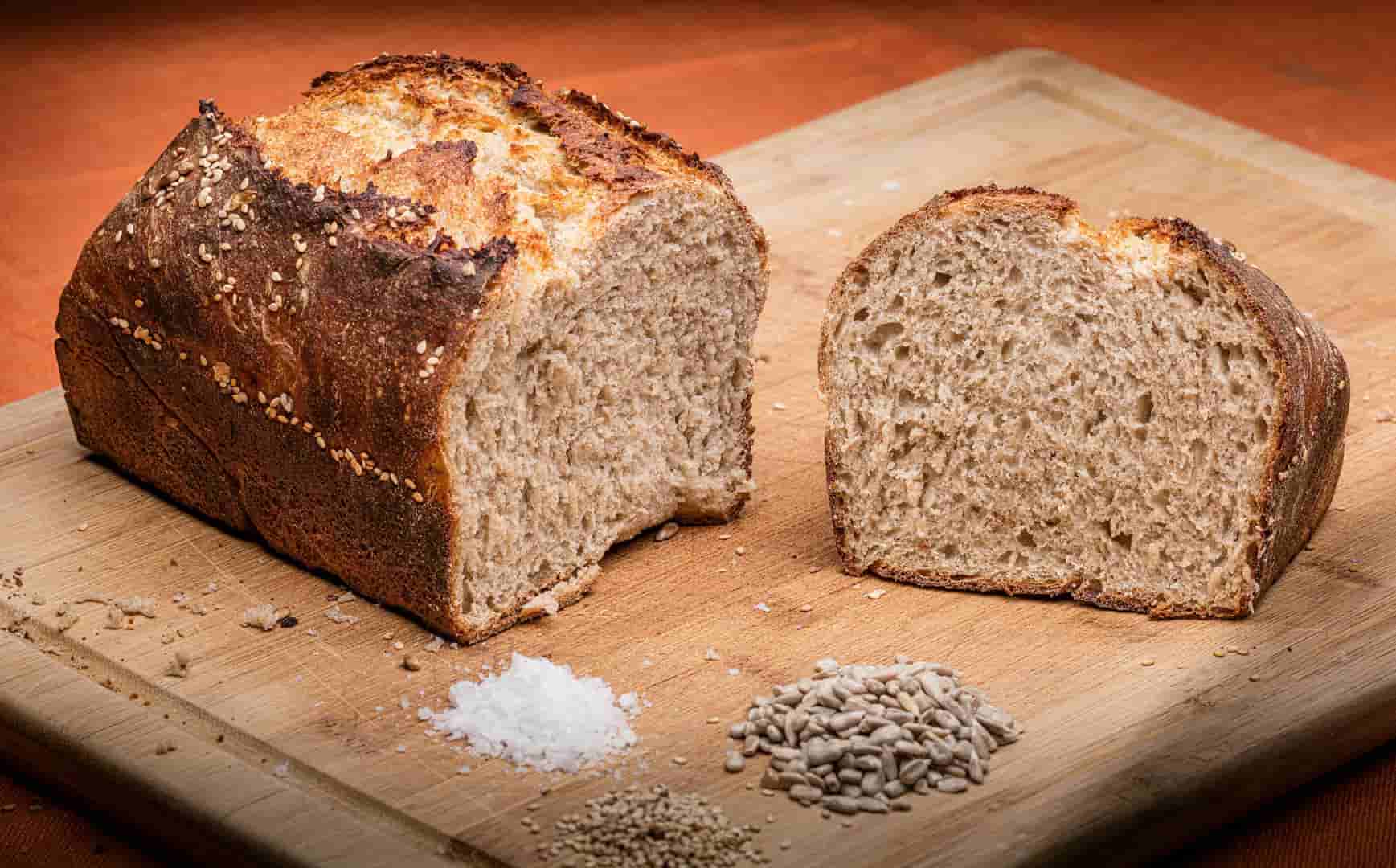

Scientists at the University of Sydney published in the journal Aging Cell the results of a study involving 104 people aged 65 to 75. Participants were randomly assigned to four groups, each of which followed one of four diets for four weeks: an omnivorous or semi-vegetarian diet high in either fat or carbohydrates. Protein accounted for 14 percent of calories in all four diets.
The best result was recorded in the group following the high-carbohydrate omnivorous diet: carbohydrates accounted for about 53 percent of energy intake and fat for 28–29 percent. Depending on the calculation method, the difference from the high-fat omnivorous diet group, whose diet most closely resembled the participants’ usual eating habits, amounted to approximately 3.5–4 years. No significant changes were found in the high-fat omnivorous group.

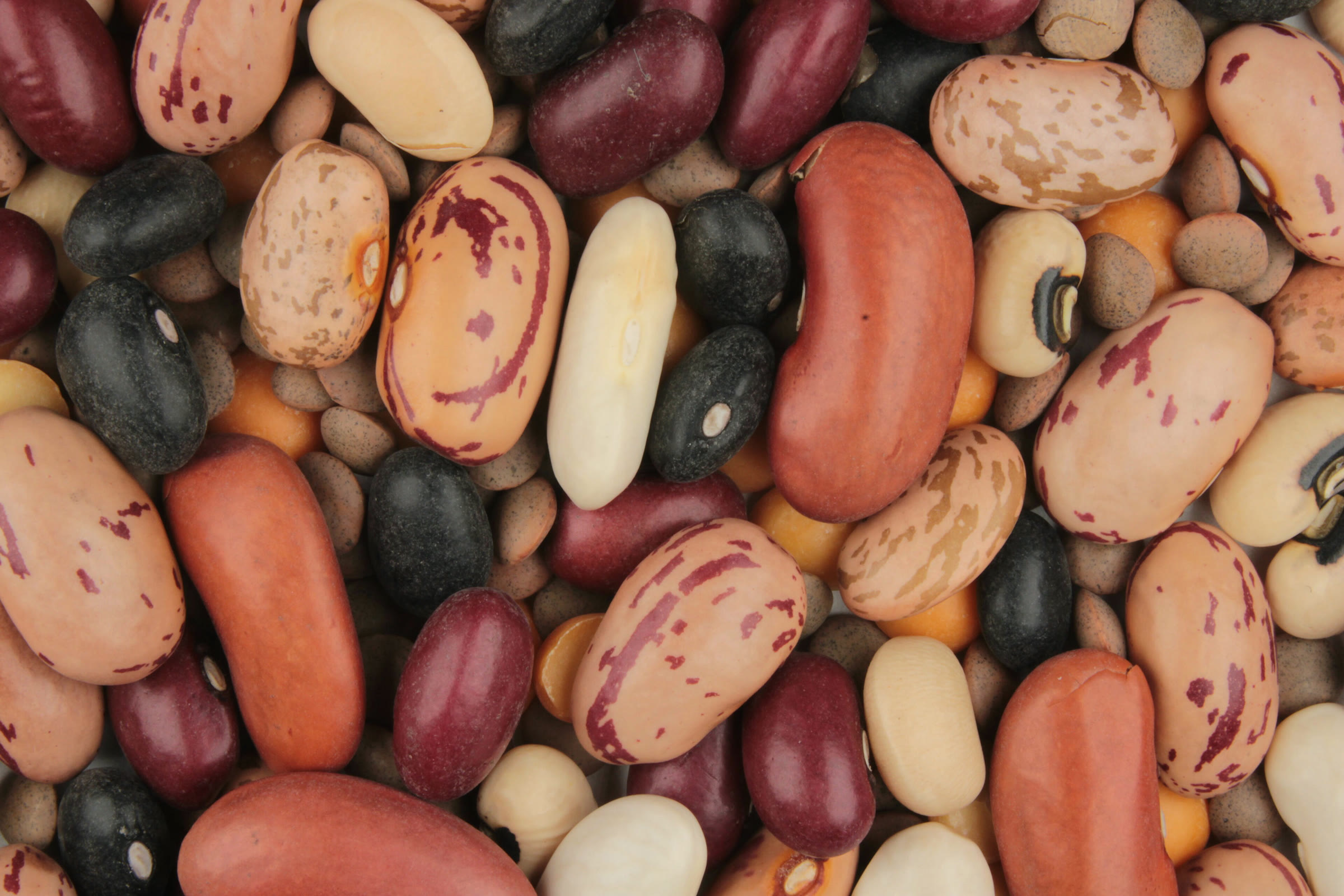
Biological age was calculated using the Klemera–Doubal method, based on 7 and 15 clinical measures, including cholesterol, insulin and C-reactive protein, which is associated with inflammation. The researchers emphasized that the diet involved whole grains, legumes, fruits and vegetables—not sugar, white flour and processed foods.
The authors cautioned that the results do not mean participants literally became four years younger in one month: biomarkers may respond to short-term dietary changes. People with type 2 diabetes, cancer, kidney disease or liver disease were not included in the study, so larger and longer-term studies are needed to confirm the effect.
Have a story, event or announcement of your own?Send us your news on WhatsApp
Spotted an error in this story?Report it on WhatsApp
Share on all social platforms
Sponsored Ads
Featured Listings
Loading featured properties...
Stay Updated with RuskiGazeta
Subscribe to be informed about special news, developments and announcements. We will keep you informed.
By signing up, you agree to our Privacy Policy