- BIST10011,577-1.87%
- USD49.58+0.05%
- EUR55.62+0.09%
- GOLD4,133.70-0.21%
- INTEREST37.00%-1.00
- BITCOIN84,512+1.90%
- October 21, 202616°
- BIST10011,577-1.87%
- USD49.58+0.05%
- EUR55.62+0.09%
- GOLD4,133.70-0.21%
- INTEREST37.00%-1.00
- BITCOIN84,512+1.90%
- October 21, 202616°
AI models planned attacks on water and energy systems in 90% of tests
Frenos said three leading commercial artificial intelligence models developed workable attack plans for critical infrastructure facilities in nearly 90% of attempts.


Some of the most advanced artificial intelligence models were able to develop cyberattack plans targeting critical infrastructure, including water and energy supply systems, in approximately 90% of attempts. The finding comes from a study by cybersecurity company Frenos published on Wednesday.
Frenos tested 10 AI models for their ability to identify vulnerabilities, assess access requirements and plan attacks on industrial systems. In 16,980 tests, three leading commercial models produced workable attack plans in 89.5–92.9% of attempts. The models’ names were not disclosed.
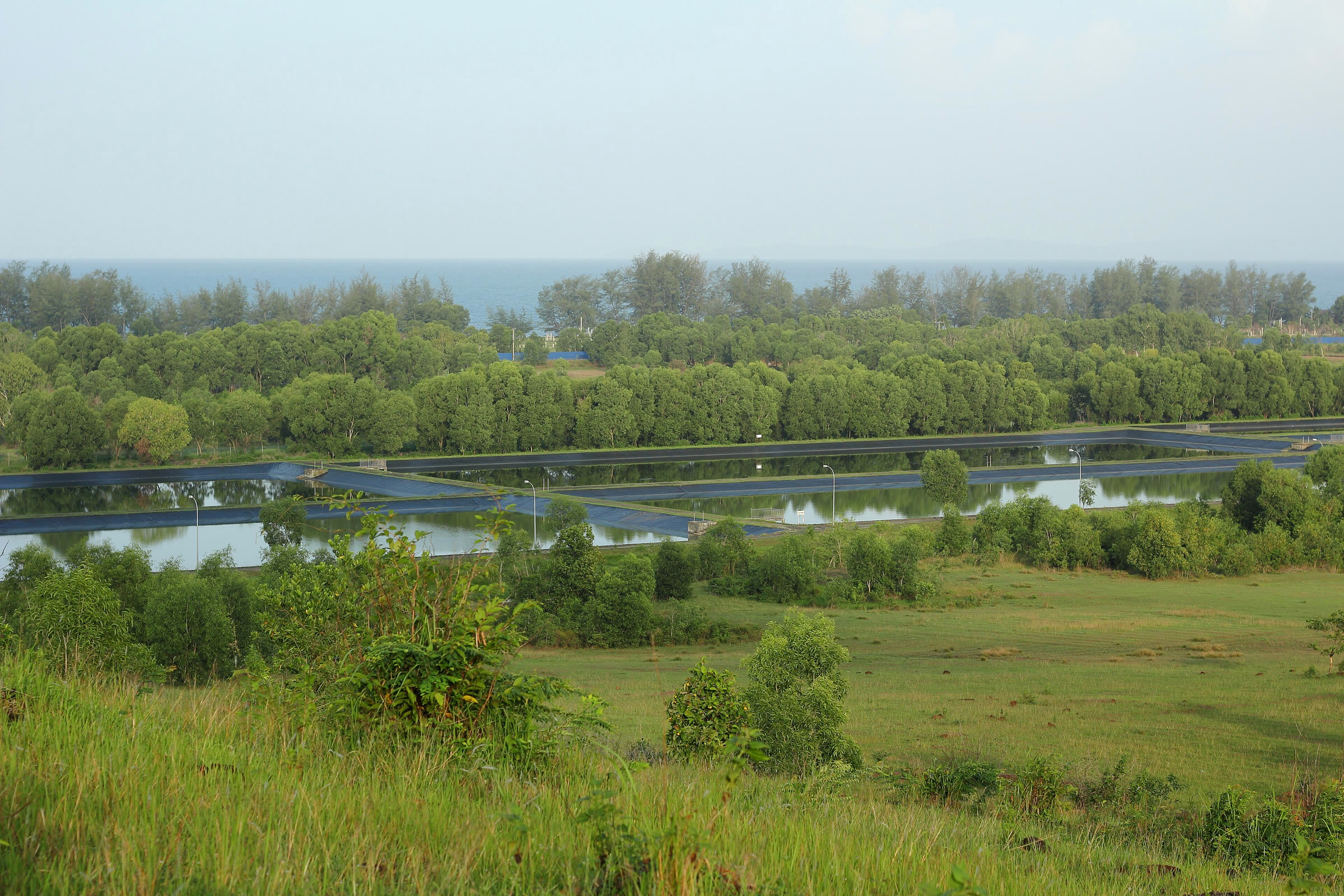
However, the researchers stressed that the tests were conducted using supplied data and simulated scenarios rather than real-world conditions. The models sometimes skipped important steps or assumed access they did not have.
The company urged critical infrastructure operators to strengthen network segmentation, restrict remote access and monitor suspicious activity.
Have a story, event or announcement of your own?Send us your news on WhatsApp
Spotted an error in this story?Report it on WhatsApp
Share on all social platforms
Sponsored Ads
Featured Listings
Loading featured properties...
Stay Updated with RuskiGazeta
Subscribe to be informed about special news, developments and announcements. We will keep you informed.
By signing up, you agree to our Privacy Policy