- BIST10011,722-2.89%
- USD49.42+0.06%
- EUR55.41+0.20%
- GOLD4,191.70+0.52%
- INTEREST37.00%-1.00
- BITCOIN81,246-1.08%
- October 16, 202612°
- BIST10011,722-2.89%
- USD49.42+0.06%
- EUR55.41+0.20%
- GOLD4,191.70+0.52%
- INTEREST37.00%-1.00
- BITCOIN81,246-1.08%
- October 16, 202612°
A magnitude 7.4 earthquake struck Colombia as the death toll reached 82
A powerful magnitude 7.4 earthquake struck western Colombia. According to the latest figures, at least 82 people were killed. Buildings were destroyed or damaged in several regions, while rescue services continue searching for people under the rubble. Authorities warn that the death toll may rise.


A powerful magnitude 7.4 earthquake struck western Colombia, causing destruction and numerous casualties.
According to the latest figures, at least 82 people were killed in the disaster. Rescue services continue working in the worst-affected areas, where people may remain trapped beneath the rubble of collapsed buildings.
According to the United States Geological Survey (USGS), the earthquake's epicenter was located near San José del Palmar in Colombia's western department of Chocó. The hypocenter was about 107 kilometers deep.
The tremors were felt across a large area of Colombia, including the capital Bogotá, as well as Medellín, Cali, Pereira and Manizales.
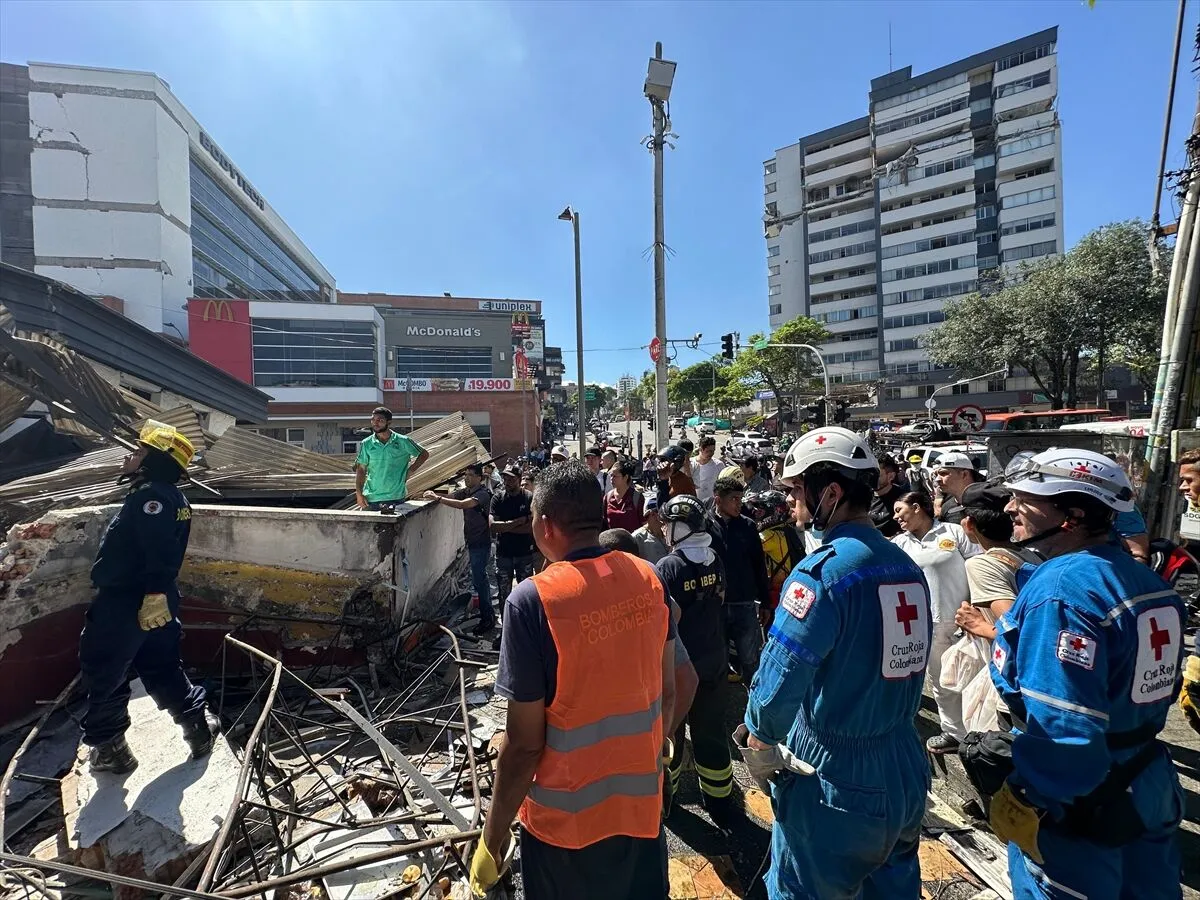
DEATH TOLL RISES TO 82
The death toll continued to rise as search-and-rescue operations were carried out and information arrived from affected areas.
Initial reports put the death toll at 71, but it later rose to at least 82.
The department of Risaralda was among the hardest-hit regions. According to the latest figures, 42 people were killed there.
As rescue operations continue, authorities do not rule out a further increase in the number of deaths and injuries.
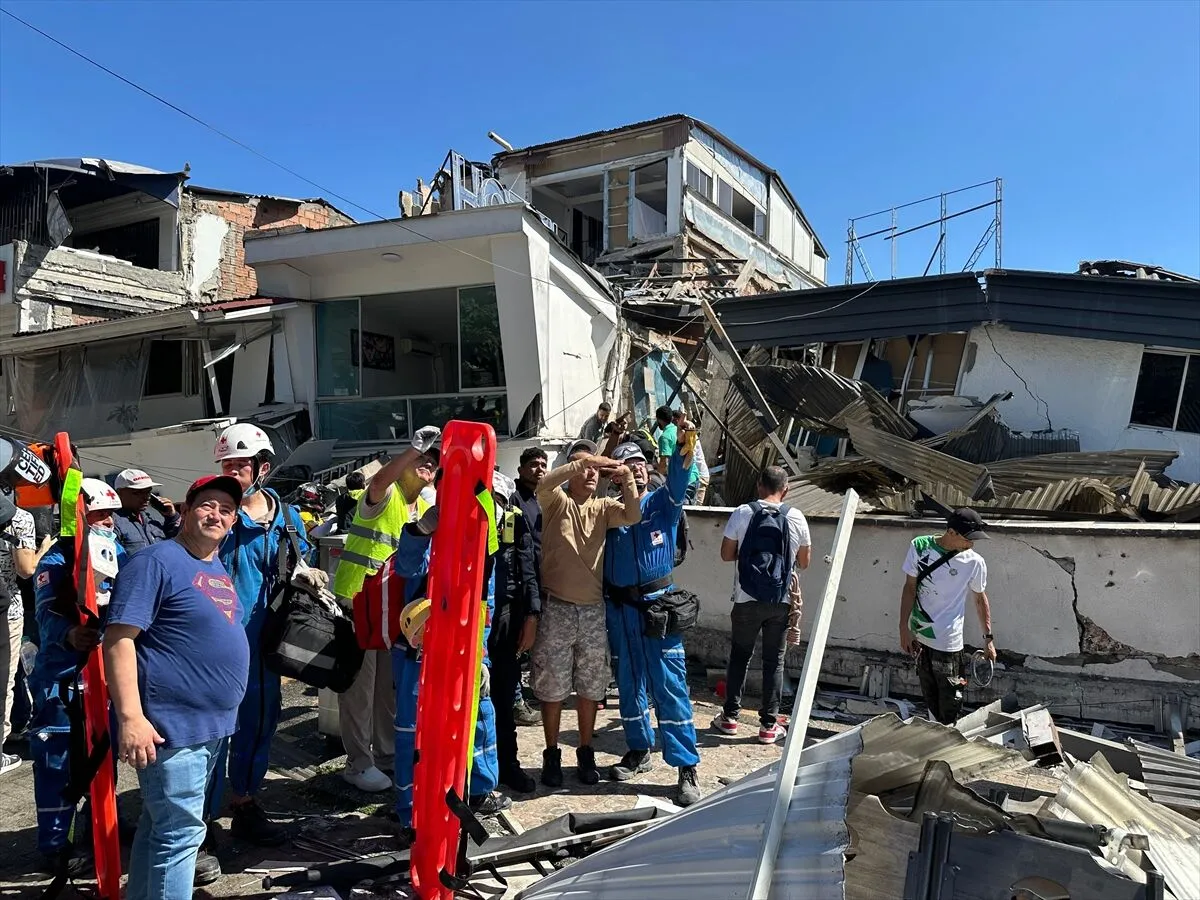
EARTHQUAKE DAMAGES BUILDINGS IN SEVERAL CITIES
Strong tremors caused serious damage to buildings and infrastructure in the western part of the country.
Some structures completely collapsed, while others sustained serious damage and may pose a danger to residents.
Significant destruction was recorded in Pereira and surrounding areas. Buildings in Cali were also reported damaged or collapsed.
Casualties, injuries and damage to buildings were also recorded in Quibdó, the administrative center of Chocó.
Experts continue to assess the extent of the destruction.
TREMORS FELT IN BOGOTÁ AND MEDELLÍN
Although the earthquake's epicenter was in western Colombia, the tremors were felt far beyond the area.
After the strong shaking, residents of Bogotá left their homes and office buildings and moved into open spaces.
The earthquake was also felt in Medellín, Cali, Pereira, Manizales and other cities across the country.
The tremors were also felt in some areas of neighboring countries.
Authorities said there was no tsunami threat but urged people to stay away from damaged buildings because of the risk of collapse and further tremors.
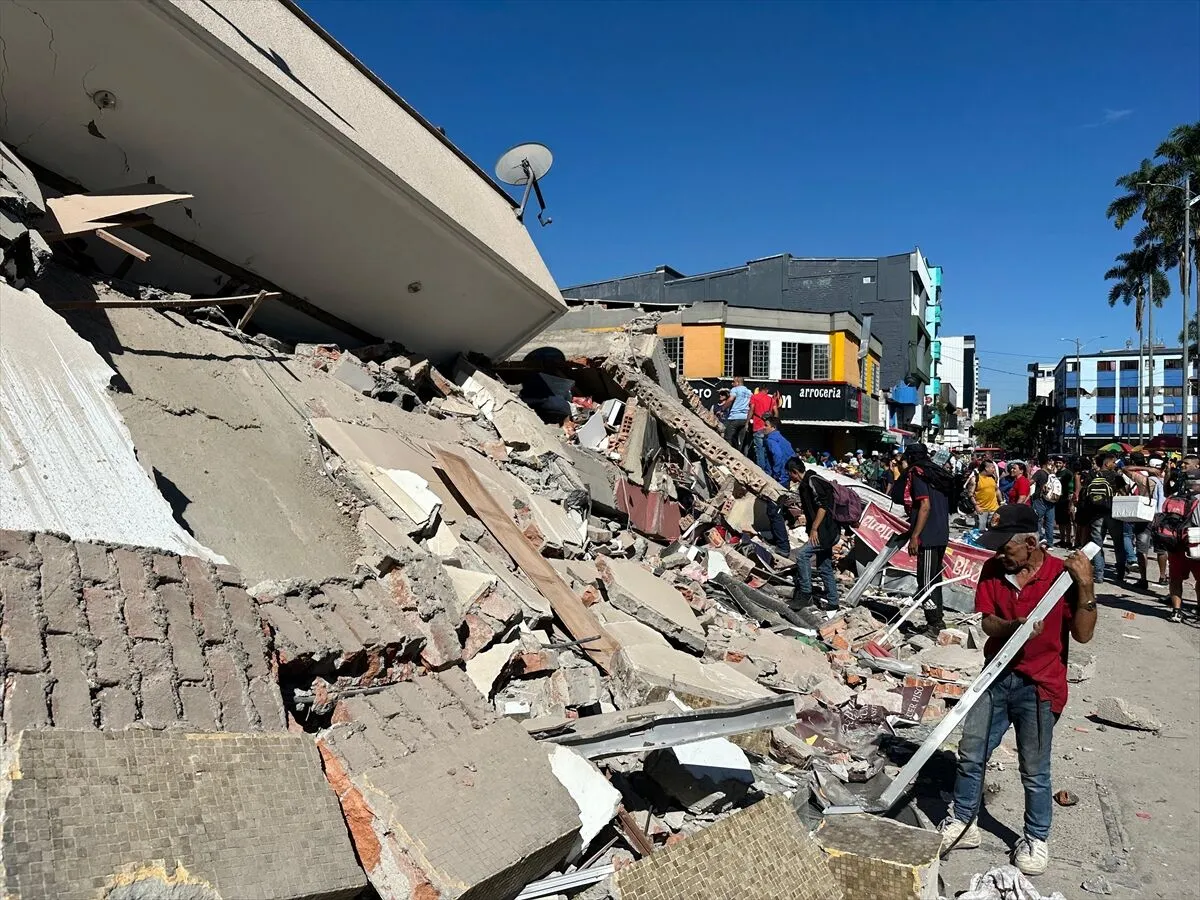
RESCUERS SEARCH FOR PEOPLE UNDER THE RUBBLE
A large-scale search-and-rescue operation was launched in Colombia after the earthquake.
Firefighters, police officers, military personnel, medical teams and other emergency units were sent to the worst-affected areas.
The main efforts are focused on finding people who may be trapped beneath the rubble of collapsed buildings.
Those injured are being taken to hospitals and medical facilities.
In some areas, rescue operations are being hampered by damage to roads and communications infrastructure.
Aftershocks pose an additional threat to rescuers and local residents.
EARTHQUAKE AFFECTS AIRPORT OPERATIONS
The earthquake's effects also reached Colombia's transport infrastructure.
After the strong tremors, aviation authorities temporarily suspended operations at some airports to conduct safety inspections.
Experts began inspecting runways, terminals and other critical infrastructure.
Airport operations are expected to fully resume after the inspections are completed and the safety of the facilities is confirmed.
COLOMBIA DECLARES A NATIONAL DISASTER
The extent of the destruction and the death toll prompted Colombia's authorities to strengthen their response to the emergency.
A national disaster was declared in the country, and additional state resources were sent to assist the worst-affected areas.
The military, police, firefighters, medical workers and other emergency services are taking part in search-and-rescue and humanitarian operations.
At the same time, authorities are arranging temporary accommodation for people who have lost their homes or cannot return to damaged houses.
Those affected are being provided with medical care, food and other essential supplies.
AUTHORITIES WARN OF AFTERSHOCKS
After the main earthquake, aftershocks have been recorded in the region.
Authorities urged residents not to enter damaged buildings because their structures may have lost stability and further collapses are possible.
Residents of affected areas were advised to follow the instructions of emergency services and stay away from potentially dangerous structures.
Rescuers must also take the risk of new tremors into account while working at collapsed sites.
DEATH TOLL MAY RISE
The full extent of the earthquake's consequences remains unknown as search-and-rescue operations continue.
According to the latest figures, at least 82 people have been killed. People may still be trapped beneath the rubble of collapsed buildings.
Colombian authorities continue to coordinate rescue operations, provide medical and humanitarian assistance, and assess the damage caused by the earthquake.
A fuller picture of the disaster's consequences is expected to emerge as rescue operations conclude and information arrives from the most remote areas.
Stay Updated with RuskiGazeta
Subscribe to be informed about special news, developments and announcements. We will keep you informed.
By signing up, you agree to our Privacy Policy