- BIST10011,131-3.02%
- USD50.47+0.05%
- EUR55.46+0.20%
- GOLD3,539.00-3.98%
- INTEREST36.00%-1.00
- BITCOIN59,021-4.66%
- November 21, 202616°
- BIST10011,131-3.02%
- USD50.47+0.05%
- EUR55.46+0.20%
- GOLD3,539.00-3.98%
- INTEREST36.00%-1.00
- BITCOIN59,021-4.66%
- November 21, 202616°
Zelensky says Ukraine halted over 55% of Russia’s oil refining
In an evening address, Ukraine’s president called strikes on Russian oil refineries “long-range sanctions” and a response to attacks on Ukraine’s energy infrastructure. He said the Russian army lost more than 50,000 troops killed and wounded in October, while Kyiv will review its support coalitions.
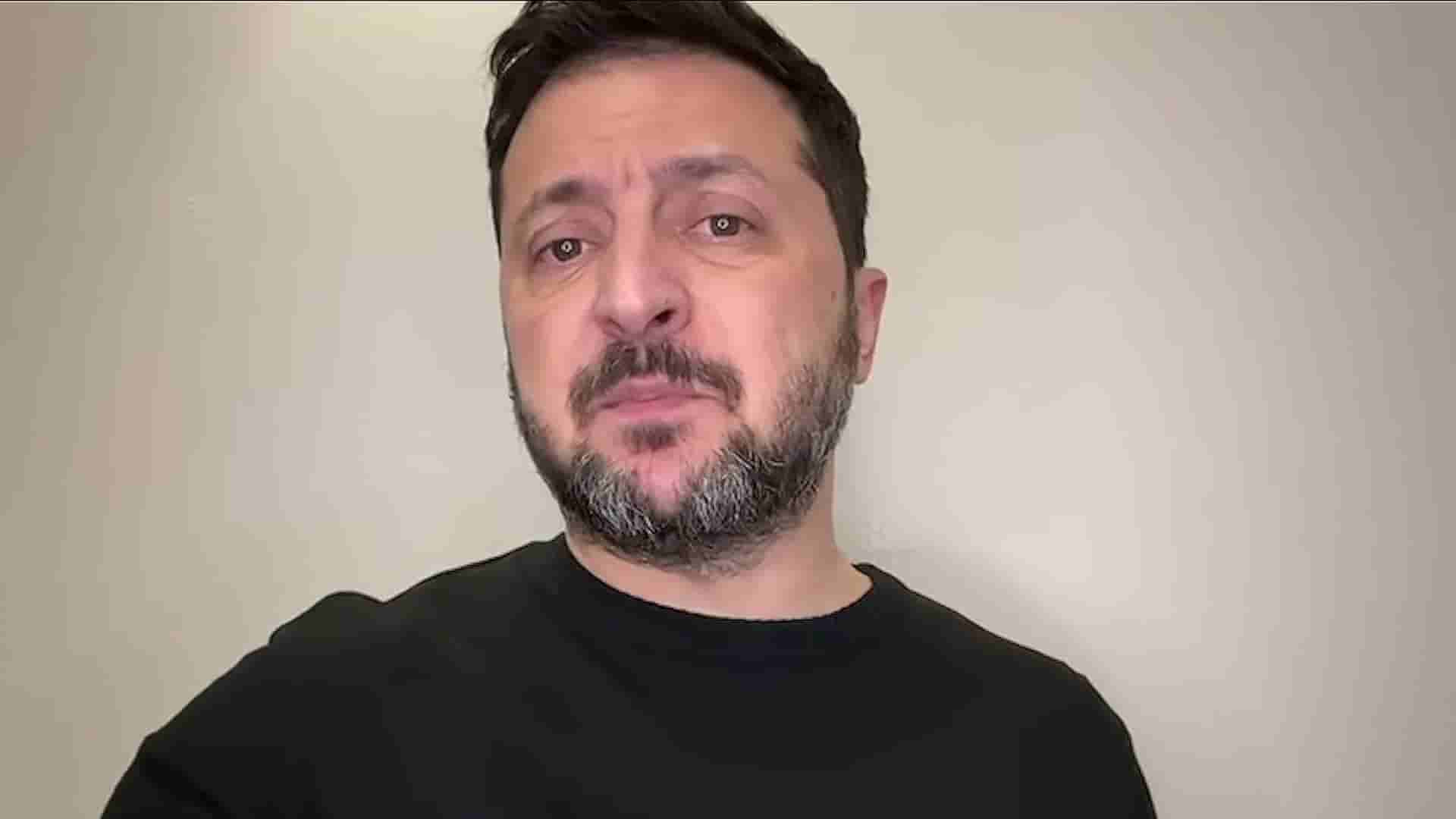
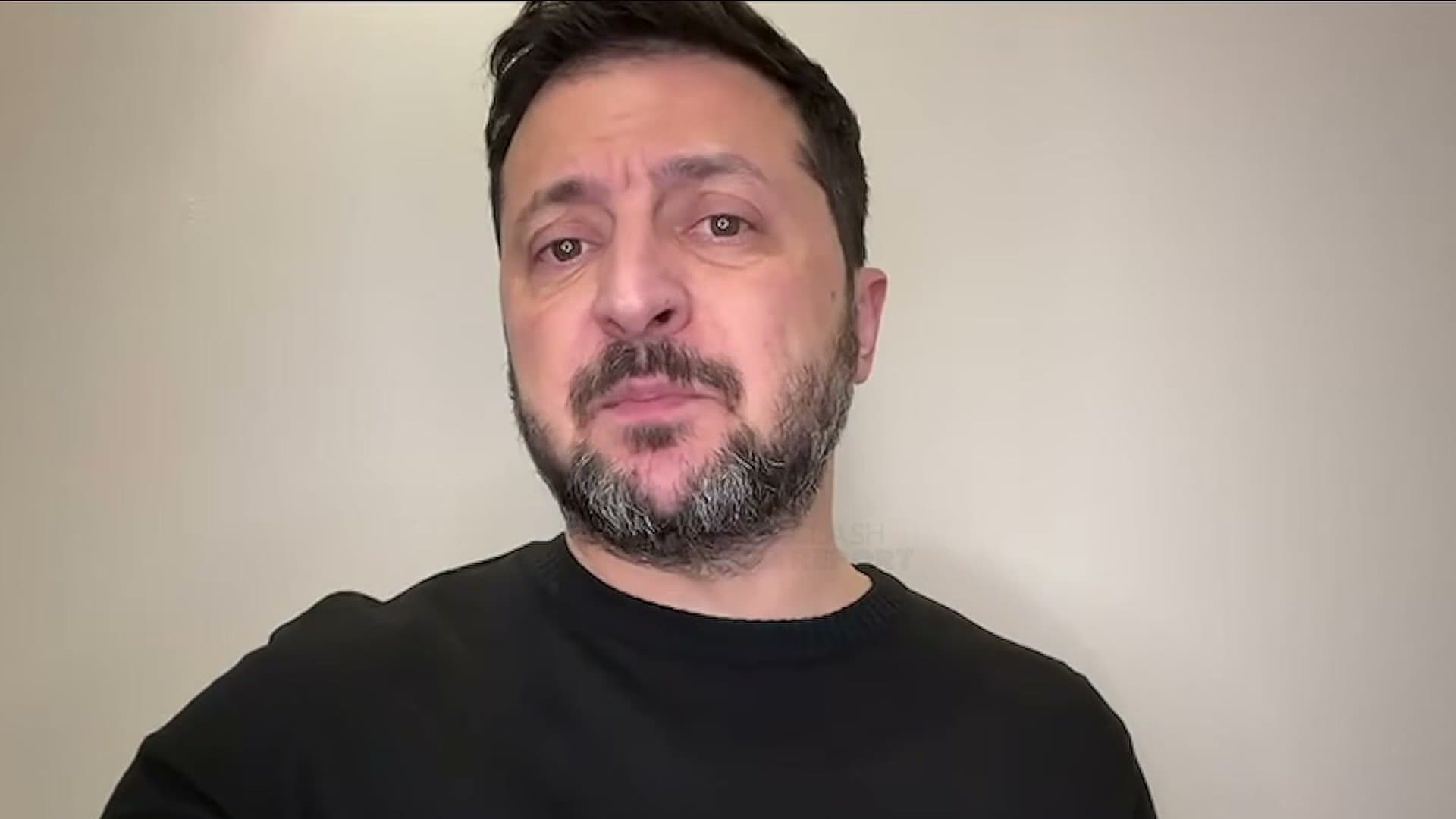
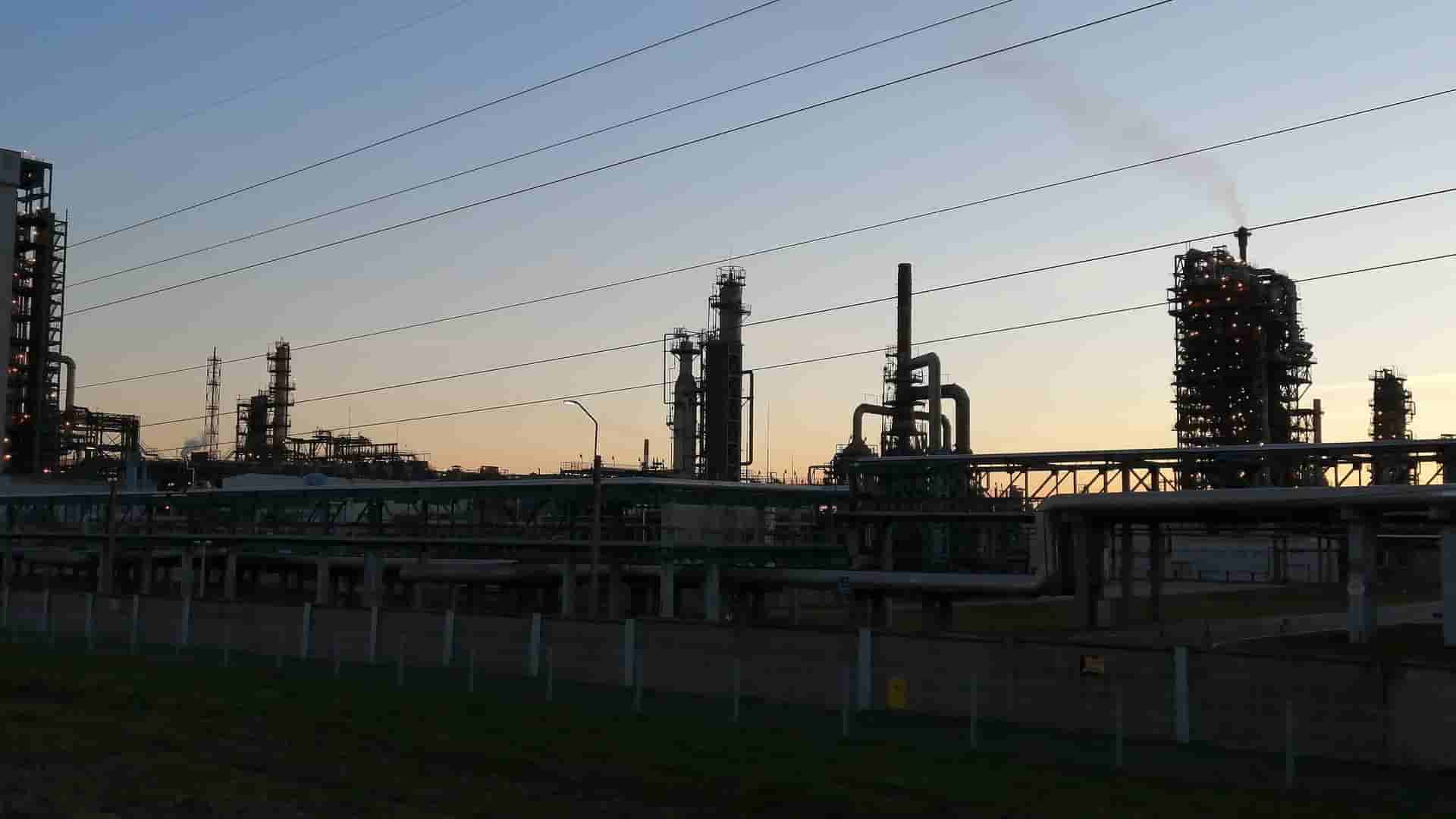
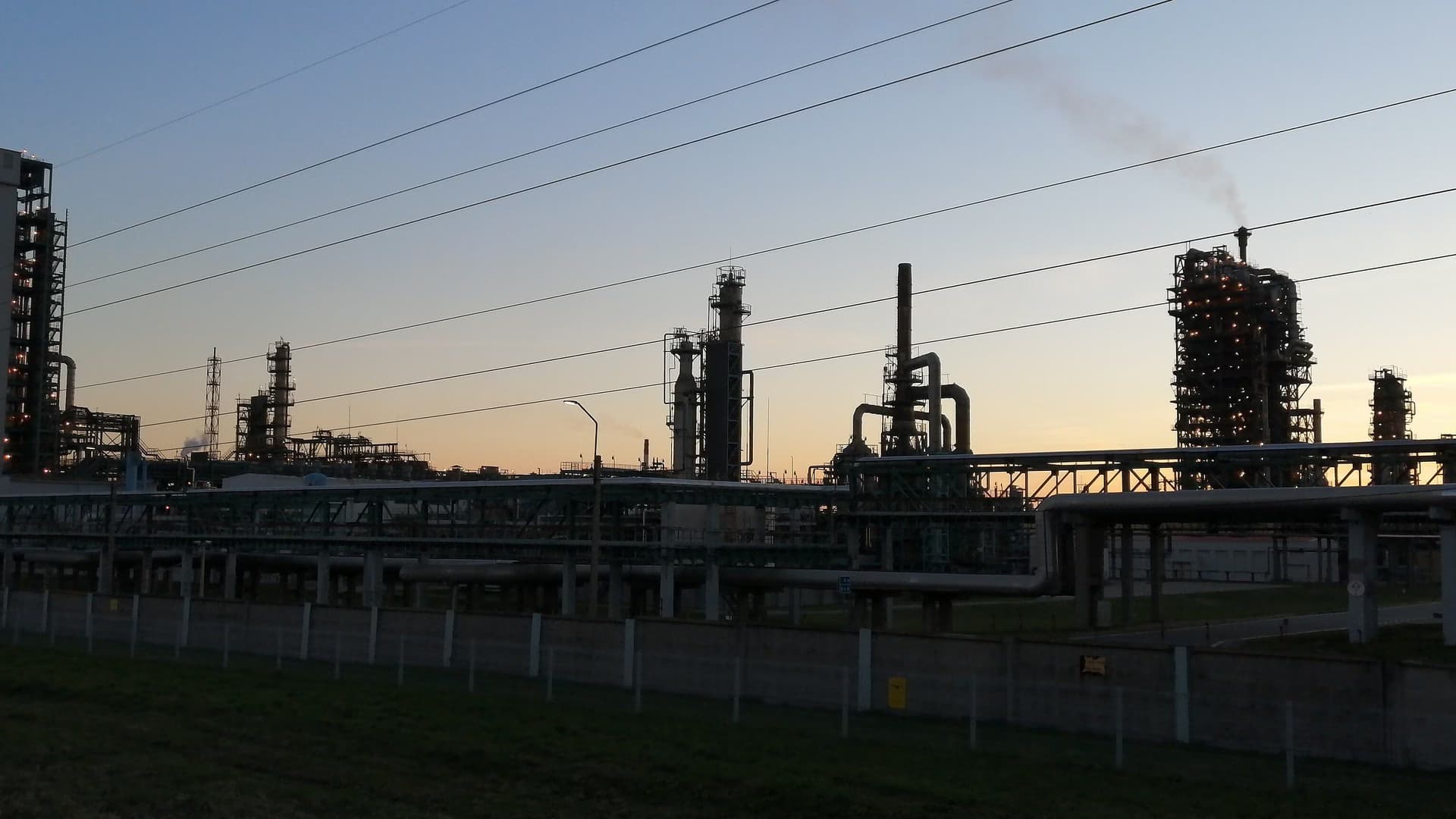
Ukrainian President Volodymyr Zelensky said strikes by Ukrainian forces on Russian oil refineries had taken more than half of the sector’s capacity offline. He made the statement in a video address on the evening of November 15, following a briefing by Commander-in-Chief of the Armed Forces of Ukraine Mykhailo Drapatyi.
“We are now achieving results virtually every day, and overall, as of today, we have already halted more than 55% of Russia’s oil-refining capacity. This is a fully justified response to Russia’s refusal to de-escalate and to its strikes on our energy infrastructure,” Zelensky said. He calls the strikes on oil refineries “long-range sanctions.”
In this section of the address, Zelensky discusses the military’s report on long-range strikes and cites the figure of 55%. The estimate cannot be independently verified, while Russian authorities do not disclose data on the sector’s capacity.
Which refineries were targeted
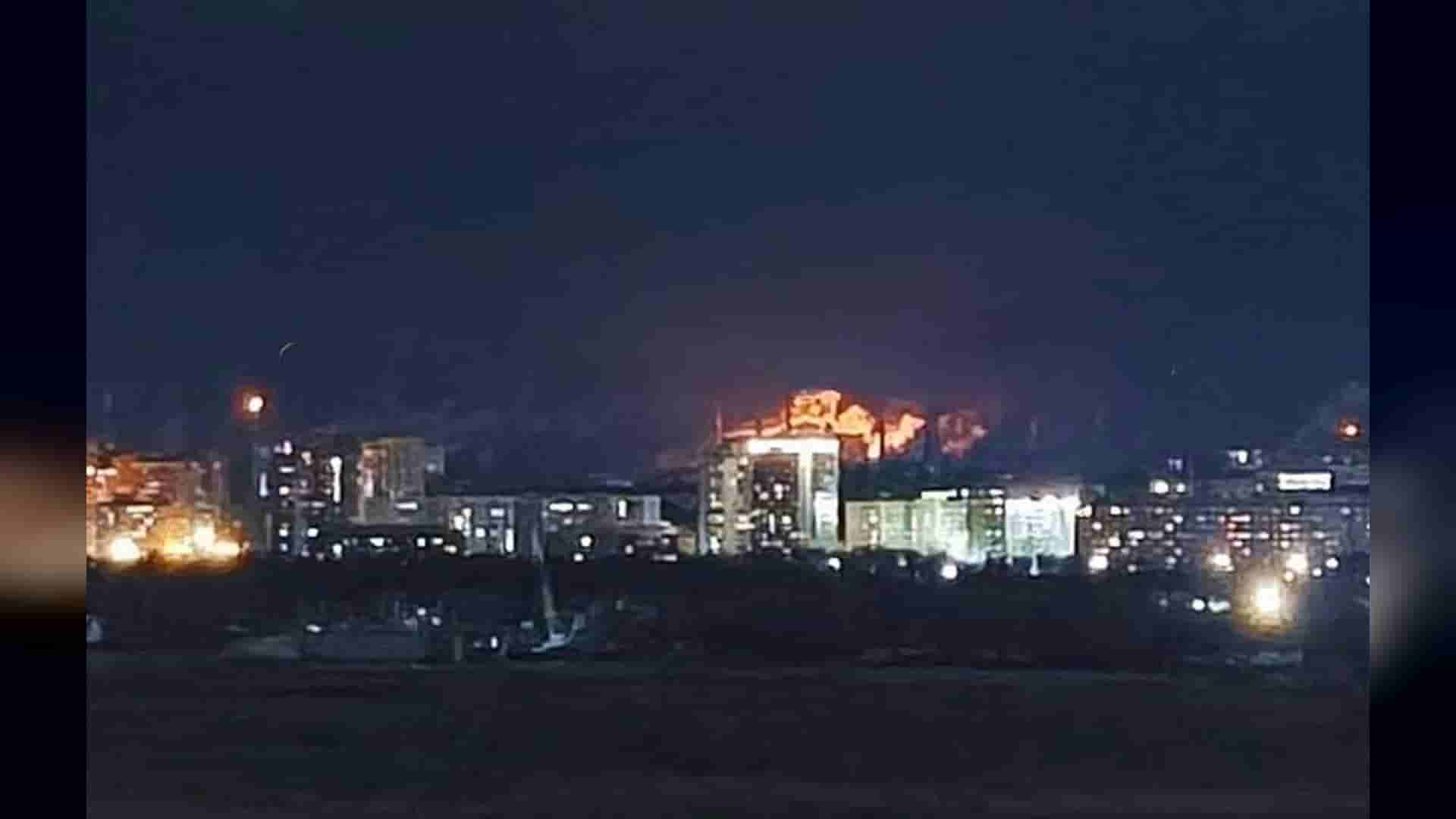
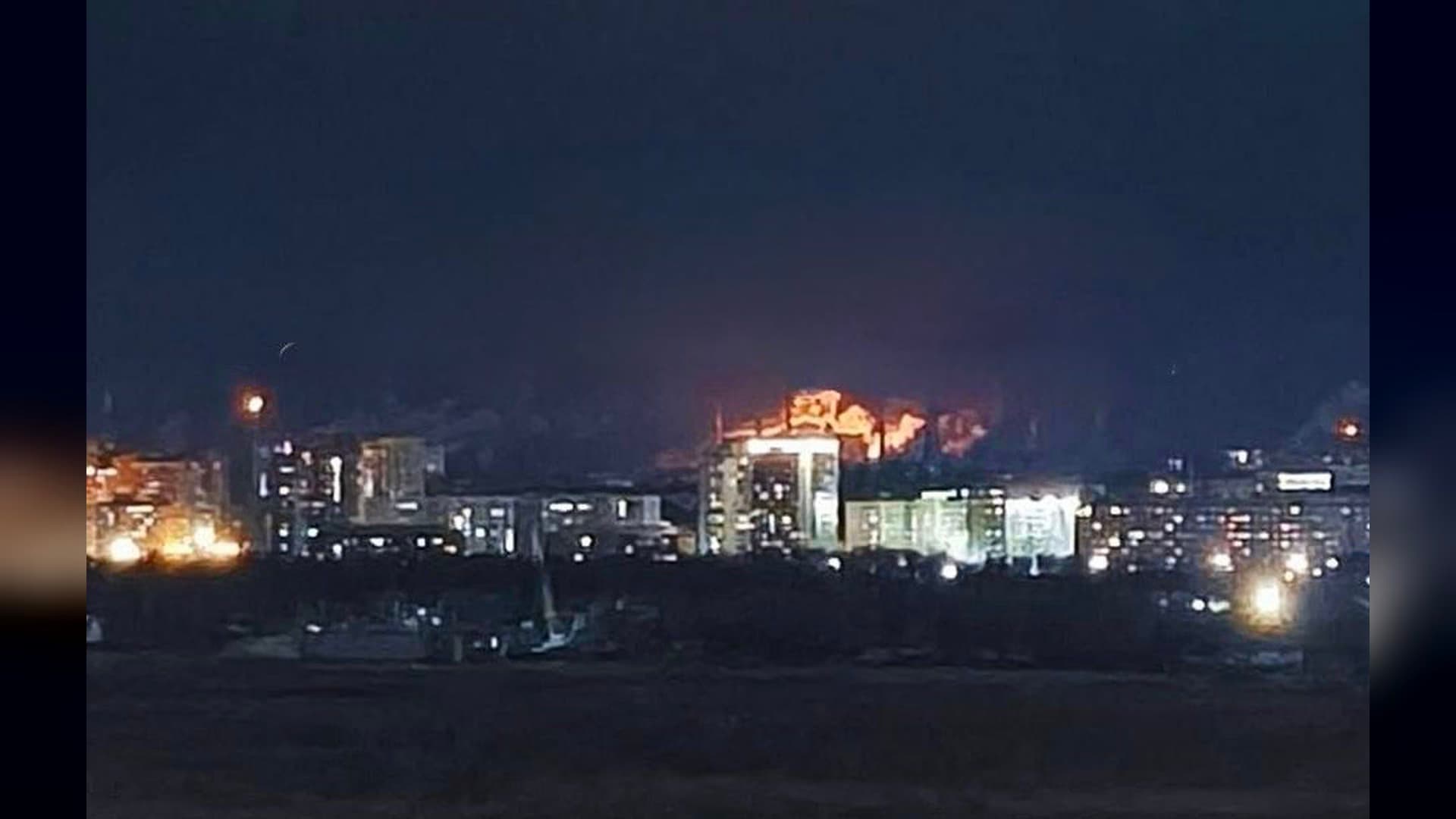
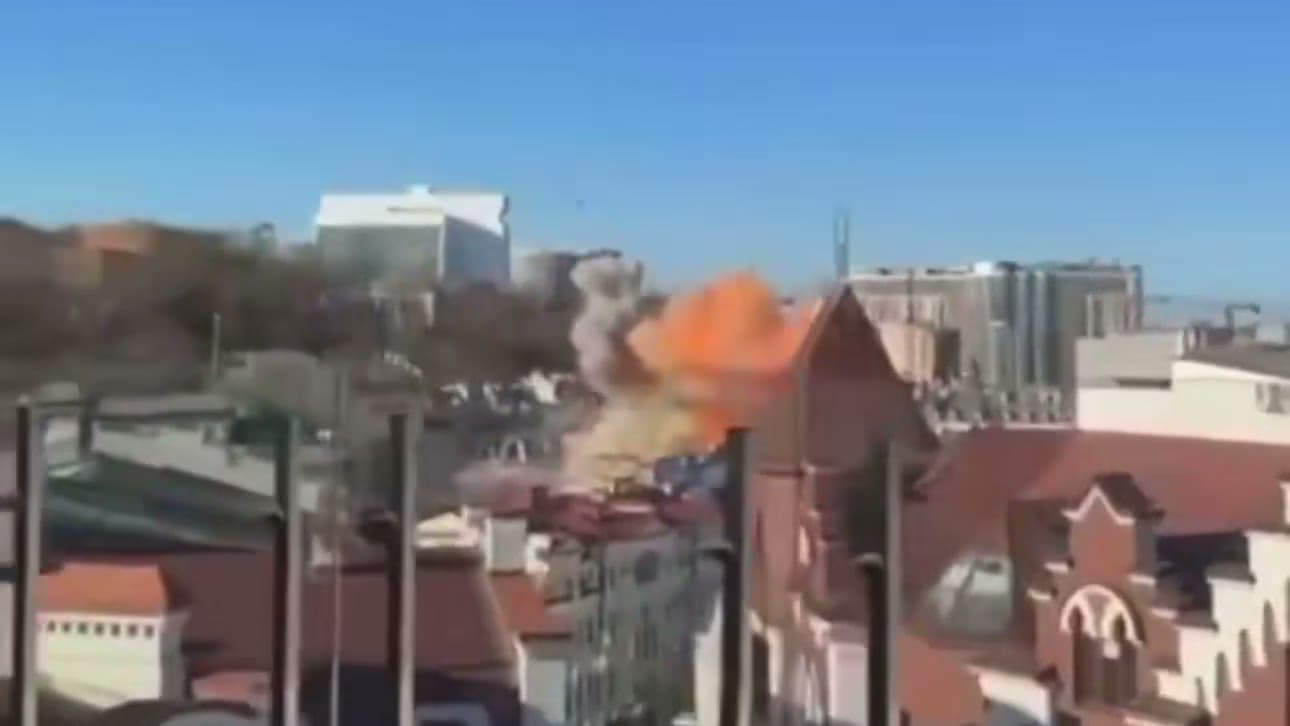
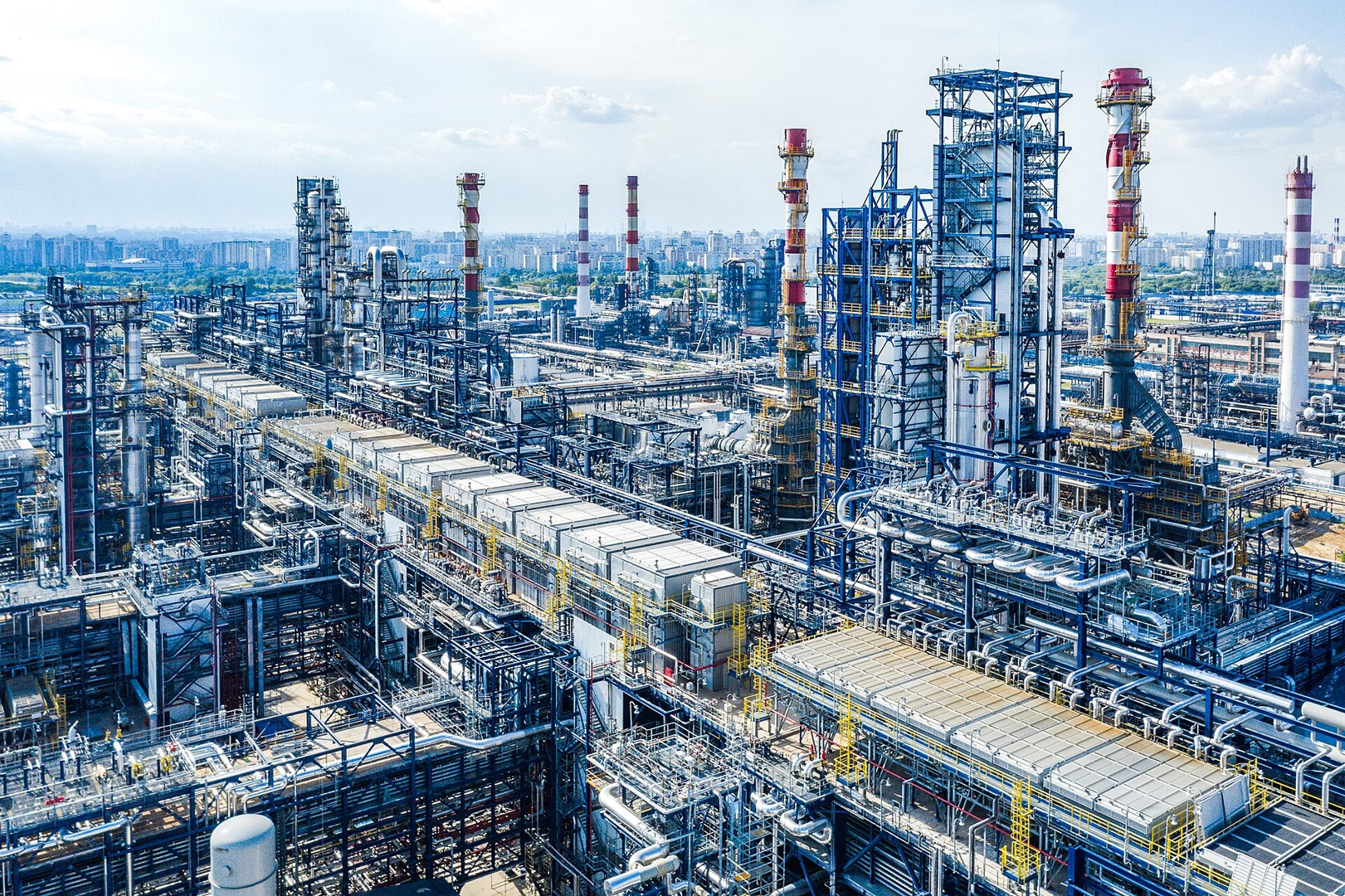
On November 9, Reuters reported that drone attacks had reduced Russia’s oil-refining capacity by about 30% since late October and caused fuel disruptions in at least six regions. Ukrainian company Fire Point said that at least nine Russian oil refineries had been hit by its systems between October 30 and November 11.
According to Ukrainian media, all five of Russia’s largest refineries were among the facilities hit since October 30: Omsk, Kirishi, Ryazan, Nizhny Novgorod and Yaroslavl. The Omsk refinery, located about 2,500 kilometers from the Ukrainian border, was attacked on November 11. On the night of November 15, drones attacked Nizhnekamskneftekhim and the TAIF-NK refinery in Tatarstan, according to the General Staff of the Armed Forces of Ukraine.
Casualties and the threat of further strikes
Zelensky also said that the Russian army had lost more than 50,000 troops killed and wounded in October and that, in his assessment, the figure would be just as high in November. Russia’s Defense Ministry does not publish data on its own casualties. “Our military can hold the line, and I am grateful to them for that. Our partners also need to hold and support it,” the president said, adding that Ukraine and its partners would increase drone production.
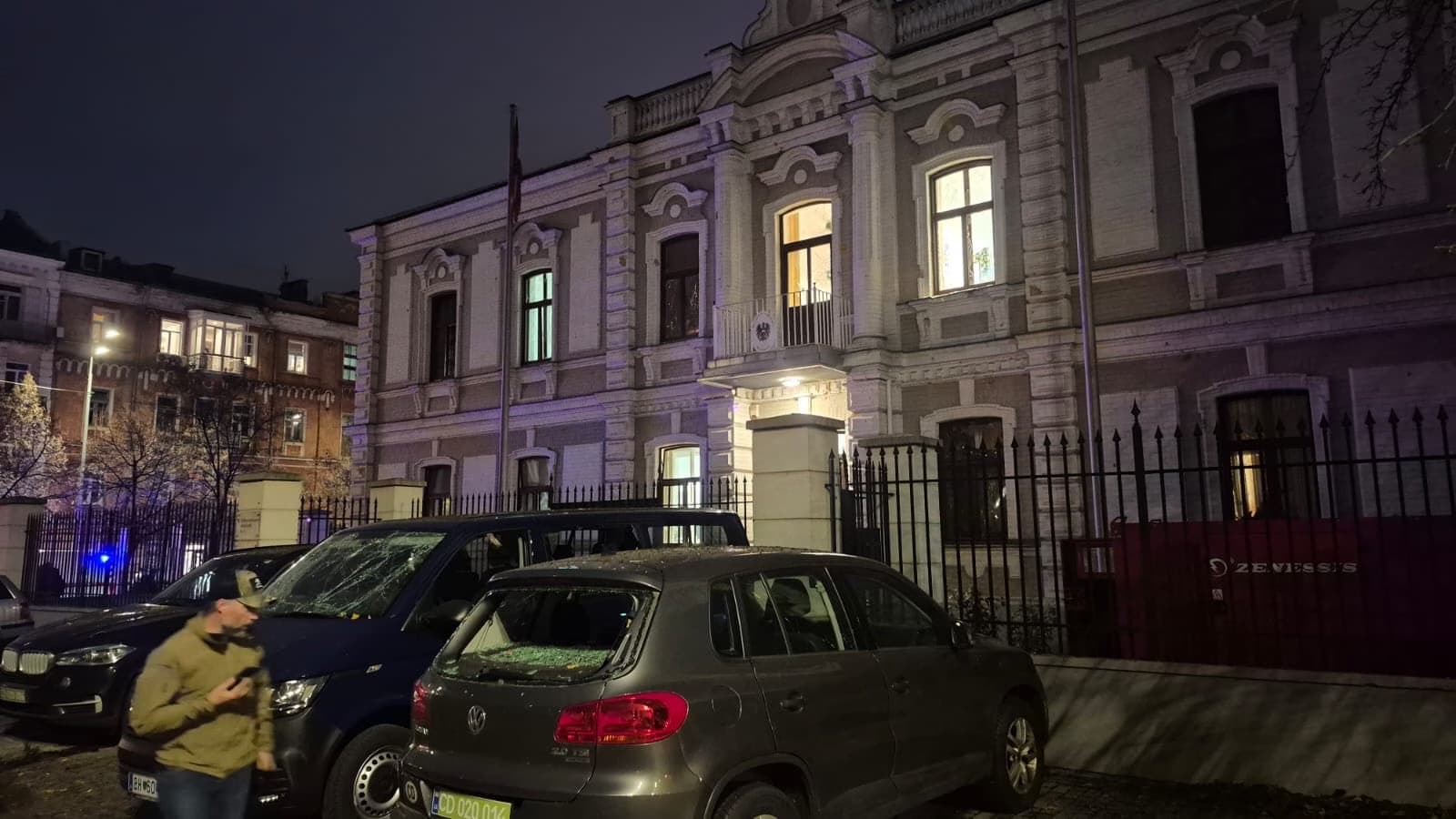
According to Zelensky, intelligence services are warning of preparations for new Russian strikes, while the threat from ballistic missiles remains very serious. Since the beginning of September, the highest number of strikes, according to his data, has hit Dnipropetrovsk (131) and Kyiv (125) regions, with more than 100 each also recorded in Zhytomyr and Sumy regions.
Review of coalitions
Kyiv will review its support coalitions to determine “which ones are genuinely fulfilling their tasks and which, to be honest, remain empty,” Zelensky said. He described the upcoming meeting of the Coalition of the Willing in Berlin as “possibly historic.” According to him, the meeting could produce a strong European position to make the Ukraine–US–Russia negotiating format “an order of magnitude stronger.” He discussed preparations for the meeting with Norwegian Prime Minister Jonas Gahr Støre and Finnish President Alexander Stubb.
The statements came after trilateral talks between Ukraine, Russia and the United States in Abu Dhabi on November 10–11, which produced no breakthrough.
Video and cover image: Office of the President of Ukraine. Photo: Wikimedia Commons (archive). Sources: NV, Reuters, AirPress.
Stay Updated with RuskiGazeta
Subscribe to be informed about special news, developments and announcements. We will keep you informed.
By signing up, you agree to our Privacy Policy