- BIST10011,722-2.89%
- USD49.42+0.06%
- EUR55.41+0.20%
- GOLD4,196.40+0.63%
- INTEREST37.00%-1.00
- BITCOIN81,556-0.70%
- October 16, 202613°
- BIST10011,722-2.89%
- USD49.42+0.06%
- EUR55.41+0.20%
- GOLD4,196.40+0.63%
- INTEREST37.00%-1.00
- BITCOIN81,556-0.70%
- October 16, 202613°
"We don’t know who we’re dealing with": Trump exposes Tehran’s power vacuum
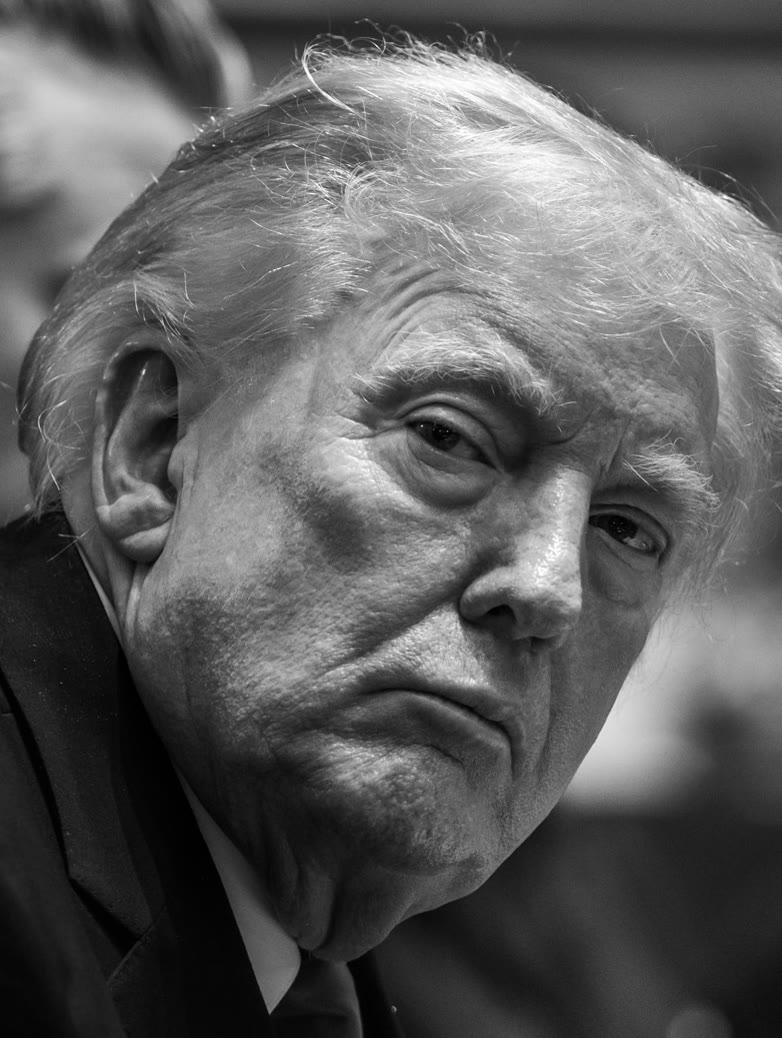
Donald Trump’s admission that strikes on Iran’s leadership may have gone too far has revived the war’s central question: who is making decisions in Tehran when the new supreme leader has never been seen in public?
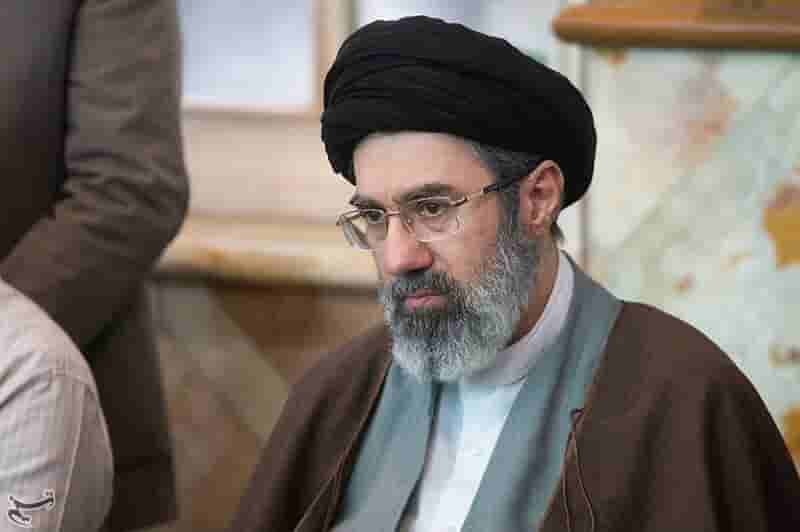
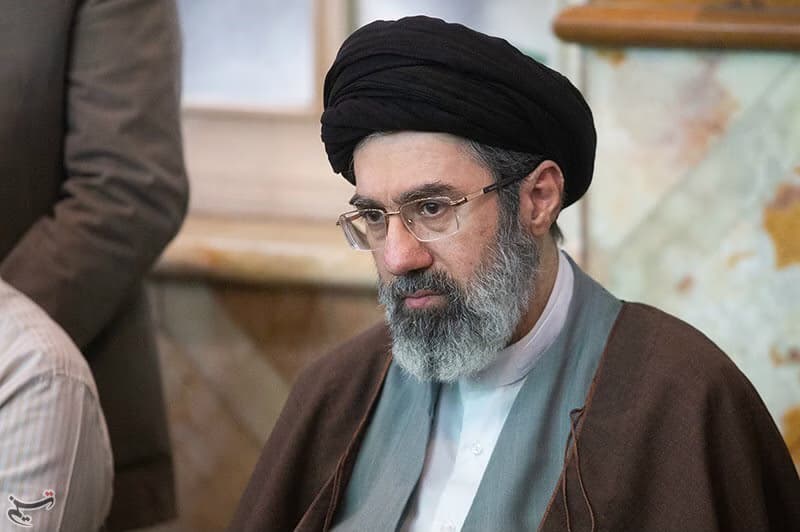
At a rally in Ohio, President Donald Trump said Washington may have gone too far in eliminating Iranian leaders and now "doesn’t know who it’s dealing with." He said the U.S. could have stopped at "level one," and that the second and "two and a half" levels of strikes were probably excessive.
"We’re having a hard time figuring out who the hell to deal with, to be honest with you," Trump said, claiming that "nobody wants to be the president of Iran."
An invisible supreme leader
His words touch on the core problem that emerged after the war began on Feb. 28. Supreme leader Ali Khamenei was killed in the first U.S.-Israeli strikes. From March 1 to 8, the country was run by an interim council made up of President Masoud Pezeshkian, judiciary chief Gholam-Hossein Mohseni-Ejei, parliament speaker Mohammad Bagher Ghalibaf and Ayatollah Alireza Arafi.
On March 9, the Assembly of Experts chose Khamenei’s son Mojtaba as supreme leader. He has not appeared in public once since then: only a written message was released in his name on March 12, and officials later said he had been wounded in airstrikes. Some influential clerics have openly questioned his ability to lead.
Who is left at the table?
Ali Larijani, one of Iran’s most experienced negotiators, was killed in an Israeli airstrike on March 17. President Pezeshkian, in office since July 2024, formally heads the executive branch, but the real center of decision-making in Tehran remains unclear to Washington.
Meanwhile, tension persists in the Strait of Hormuz, where the U.S. is blockading Iranian ports and, according to the U.K.’s UKMTO, commercial ships have come under at least 19 attacks since the start of October.
Spotted an error in this story?Report it on WhatsApp
Share on all social platforms
Sponsored Ads
Featured Listings
Loading featured properties...
Stay Updated with RuskiGazeta
Subscribe to be informed about special news, developments and announcements. We will keep you informed.
By signing up, you agree to our Privacy Policy