- BIST10011,722-2.89%
- USD49.45+0.05%
- EUR55.62+0.37%
- GOLD4,181.10+0.26%
- INTEREST37.00%-1.00
- BITCOIN81,237-0.32%
- October 18, 202612°
- BIST10011,722-2.89%
- USD49.45+0.05%
- EUR55.62+0.37%
- GOLD4,181.10+0.26%
- INTEREST37.00%-1.00
- BITCOIN81,237-0.32%
- October 18, 202612°
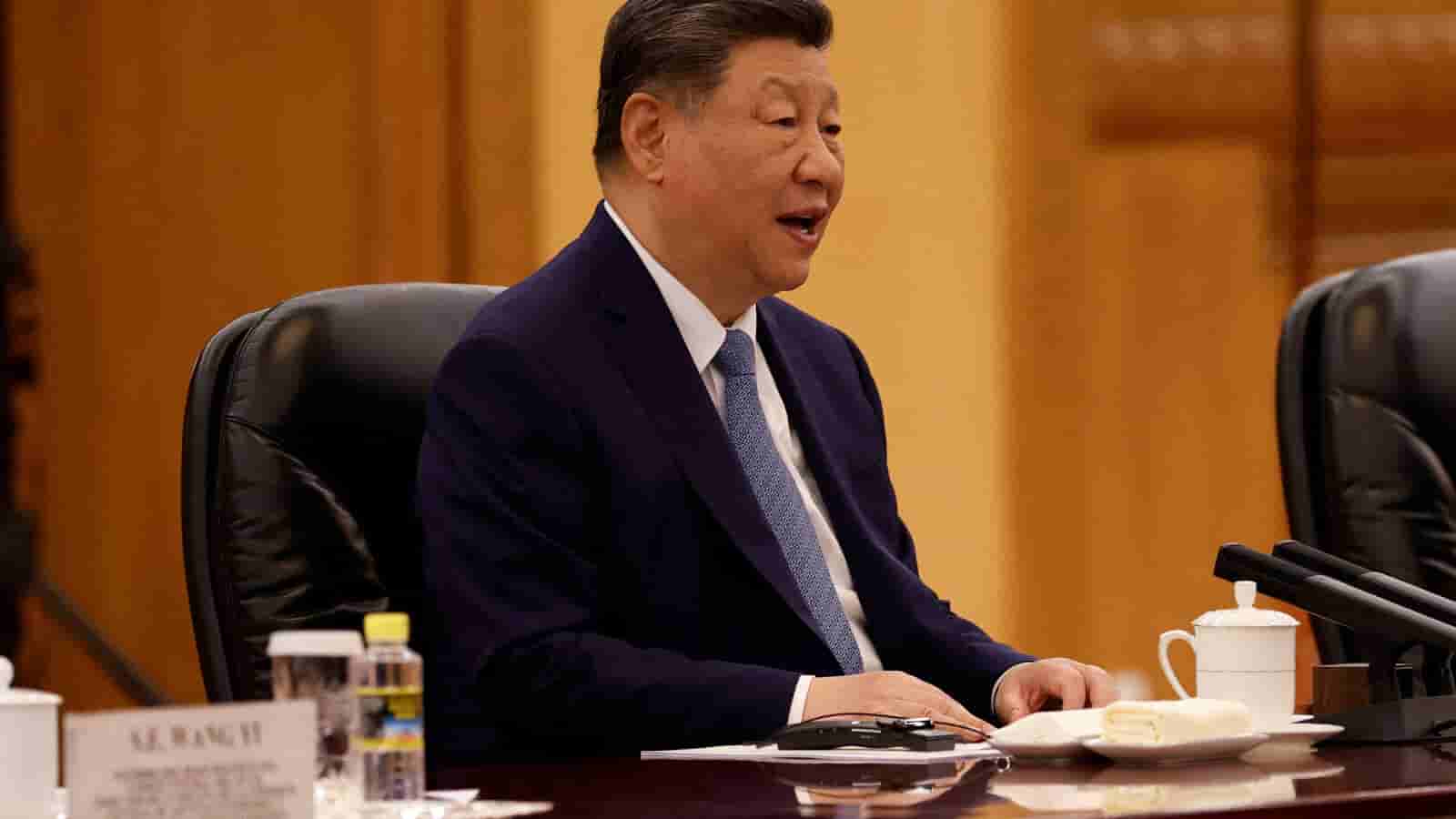
Trump Wants Written Nuclear Commitment from Iran
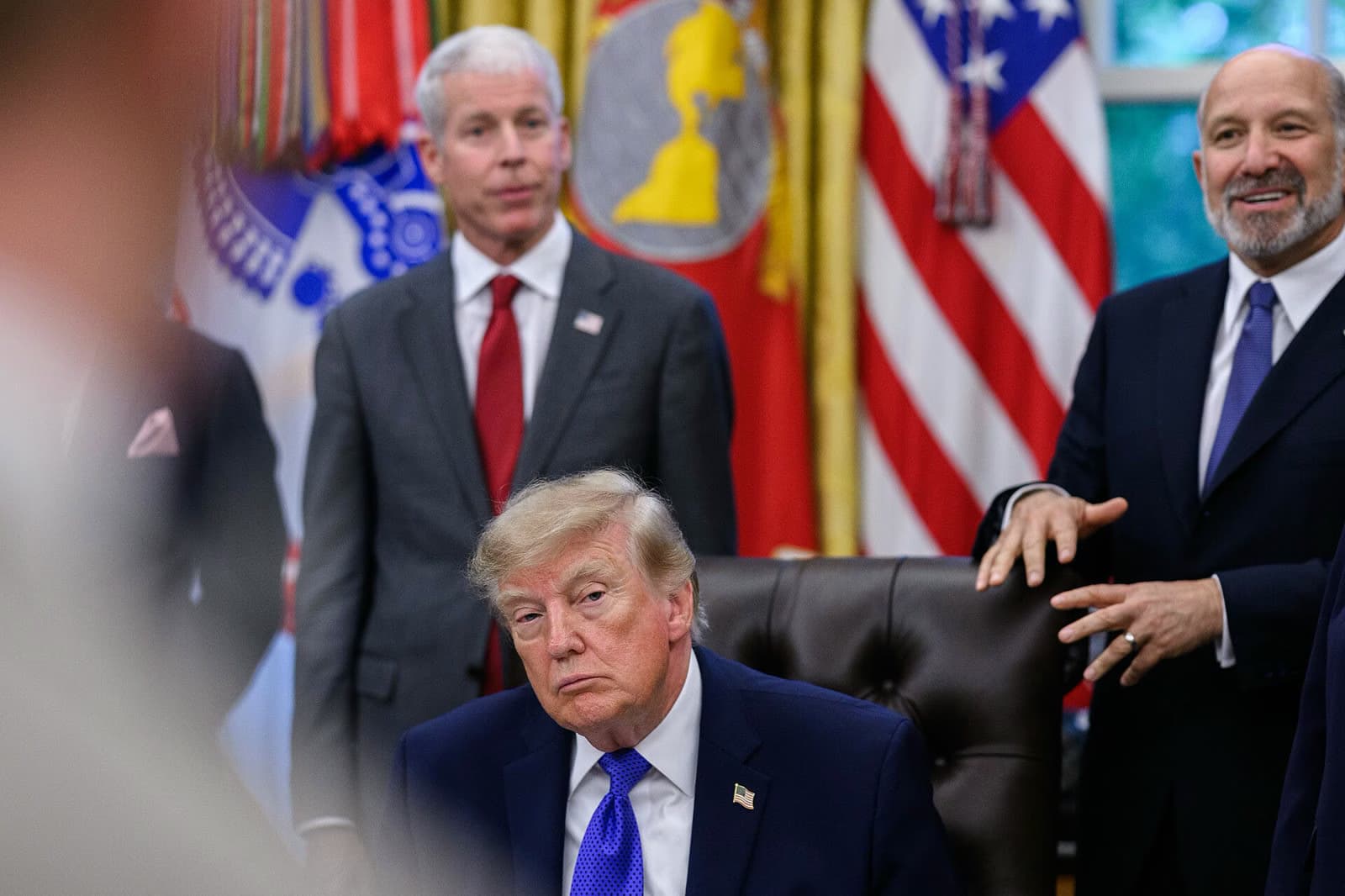
It was reported that US President Trump demanded written assurances from Iran in the nuclear field within the framework of the preliminary agreement between Washington and Tehran.


It was reported that US President Donald Trump demanded written concessions from Iran in the nuclear field within the framework of the preliminary agreement conducted between Washington and Tehran. The news, based on sources close to the negotiations, stated that Iranian negotiators gave verbal assurances to the US, but these were not deemed sufficient by Trump.
According to the claim, this assessment emerged during a meeting held in the Situation Room at the White House on May 29. It was stated that Trump wanted the assurances from Iran to be transformed into a written and more binding framework.
Highlights
- It was reported that Trump demanded a written commitment from Iran in the nuclear field
- Verbal assurances were considered insufficient
- Negotiations are said to continue within the framework of the preliminary agreement
- The draft includes extending the ceasefire and gradually opening the Strait of Hormuz
- A timeline for nuclear negotiations is aimed to be established
What is in the draft?
According to the news, at the center of the negotiations is a memorandum of understanding between Washington and Tehran. This framework envisages the official extension of the ceasefire, the gradual opening of the Strait of Hormuz, and scheduling subsequent talks regarding Iran's nuclear program.
Last week, it was stated that Iranian and American negotiators agreed on a draft that both sides could accept. However, although this version included a written commitment that Iran would not pursue nuclear weapons, it was reported that there were no concrete obligations regarding the entire nuclear program.
Why did Trump make a new demand?
The news emphasized that Trump found the assurances from Iran insufficient during the May 29 meeting. Therefore, it was claimed that he pressured for the agreement to include written and clearer obligations.
Another report suggested that Trump hardened the terms of the draft text for resolving the dispute with Iran and sent new proposals to Tehran. Thus, it appears that expectations rose during the negotiation process and the parties bargained over new texts.
Tehran's stance
The Iranian administration continues to claim that the nuclear program is entirely peaceful. Tehran has repeatedly stated that the country has never sought an atomic bomb.
The final outcome of the negotiations seems to depend on new steps to be taken regarding written assurances and negotiation topics. Especially the nuclear program, ceasefire, and Strait of Hormuz issues form the main axis of the bargaining between the parties.
Sponsored Ads
Featured Listings
Loading featured properties...
Stay Updated with RuskiGazeta
Subscribe to be informed about special news, developments and announcements. We will keep you informed.
By signing up, you agree to our Privacy Policy