- BIST10011,798+3.22%
- USD49.55+0.21%
- EUR55.57-0.09%
- GOLD4,150.70-0.23%
- INTEREST37.00%-1.00
- BITCOIN82,534+0.84%
- October 20, 202618°
- BIST10011,798+3.22%
- USD49.55+0.21%
- EUR55.57-0.09%
- GOLD4,150.70-0.23%
- INTEREST37.00%-1.00
- BITCOIN82,534+0.84%
- October 20, 202618°
The network of religious oppression is expanding in occupied territories
In Ukraine's occupied territories, places of worship are being destroyed, religious leaders are being oppressed, and religious life is being monitored through mandatory registration...
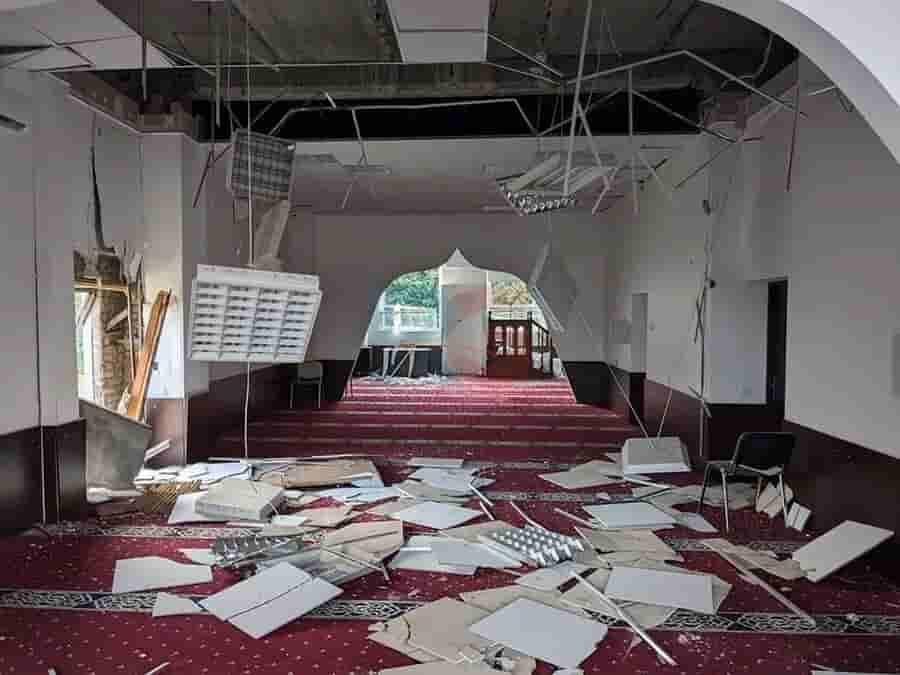
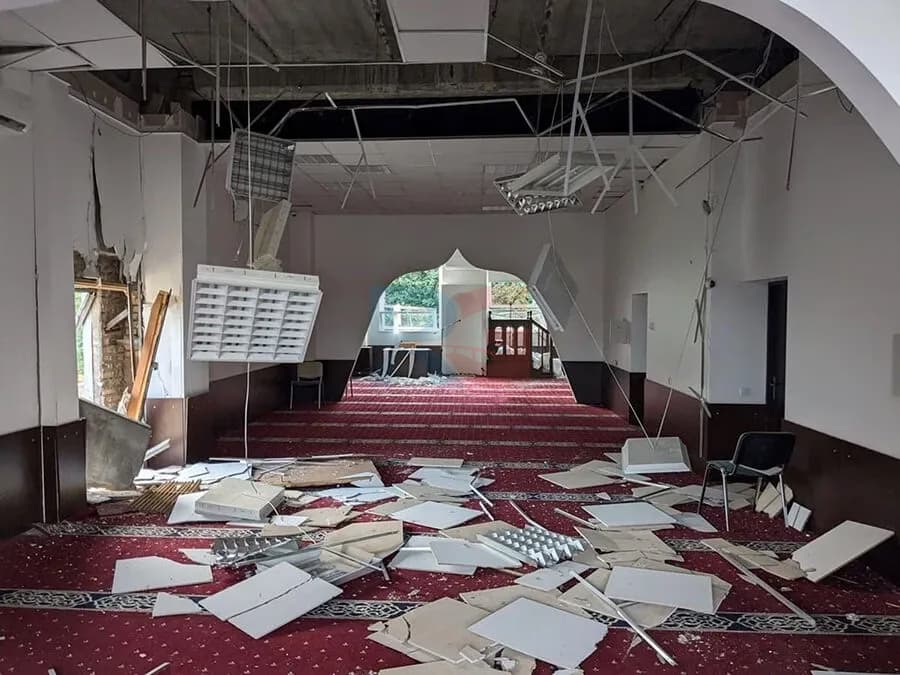
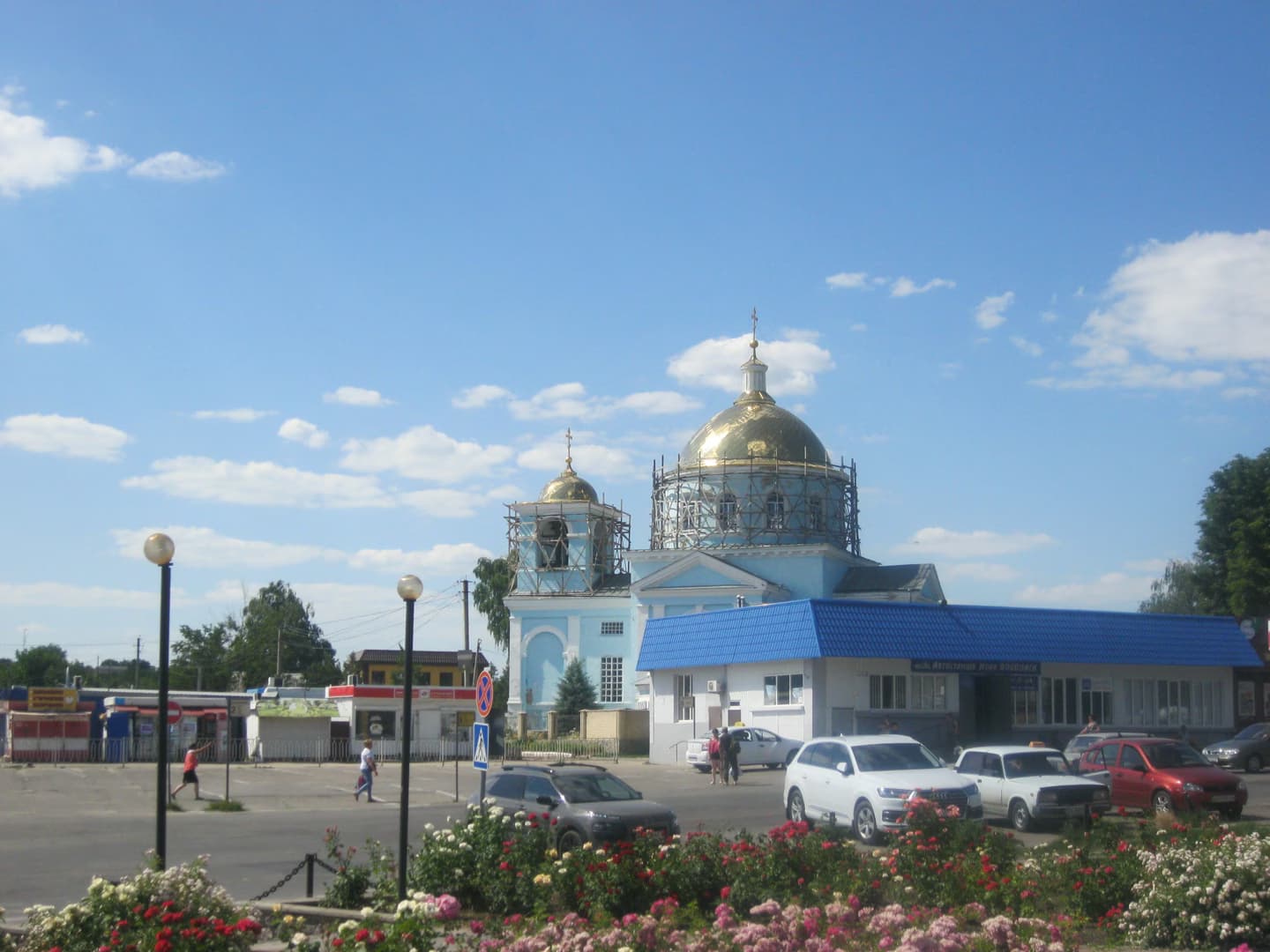
It has been reported that Russia has established a system of oppression that tightly controls religious life in Ukraine's occupied territories. In areas where places of worship have been destroyed, seized, or closed, religious leaders and community members are forced to provide information and accept supervision during worship.
According to Ukrainian authorities, by the spring of 2025, Russian forces have killed at least 67 religious officials. In the occupied Donetsk and Luhansk regions, it was reported that most non-Orthodox religious communities have either disappeared or gone underground.
Highlights
- Russia has reportedly established a control system targeting religious institutions in the occupied territories.
- Places of worship have been destroyed, raided, sealed, or repurposed for administrative and military uses.
- The Ukrainian side announced that at least 67 religious officials were killed by spring 2025.
- Most non-Orthodox communities in Donetsk and Luhansk have ceased activities or gone into hiding.
From destruction to seizure
During the first four years of the war, the Din Alev Alev project documented that at least 742 religious sites in Ukraine were damaged or completely destroyed. These included Orthodox churches, Protestant places of worship, Catholic churches, synagogues, mosques, and theological schools.
The regions most severely affected included Donetsk, Luhansk, Kherson, and Zaporizhzhia. In Donetsk alone, at least 146, in Luhansk 83, in Kherson 78, and in Zaporizhzhia 51 religious sites were reported damaged.
Structures belonging to various religious communities in Mariupol also suffered heavy damage during bombardment and occupation. In May 2022, it was revealed that the Jewish community center and synagogue in the city were completely destroyed. It was also noted that two buildings belonging to the Seventh-day Adventist Church in the same city were demolished.
Attacks in the occupied territories were not limited to artillery fire; some places of worship were directly seized, closed, and converted into administrative or military facilities affiliated with the occupation authorities.
Church raid in Melitopol
The building of the Grace Evangelical Christian Church, established in 1910 in Melitopol, was taken over by Russian forces. The congregation, which faced oppression during the Soviet era, had regained its building in 1991. Worship services continued there until September 2022.
When masked armed men raided the church, exits were blocked, the congregation was taken out in groups, documents were collected, and searches were conducted. Pastor Mykhailo Brytsyn and the church administrator were detained and interrogated, then ordered to leave the city within 48 hours.
According to Brytsyn, the church was later handed over to the so-called Ministry of Culture in the Zaporizhzhia region and began to be used for ceremonies and concerts commemorating pro-war propagandists. The cross on the building's facade was also removed.
Pressure on religious leaders
According to the Ukrainian Ministry of Foreign Affairs, the religious officials killed by Russian forces come from various faiths. Some were killed because they refused to cooperate with the occupation authorities or openly criticized Russian aggression. Others lost their lives while staying with their communities during bombardments of places of worship.
In the Kherson region in February 2024, Stepan Podolchuk, a priest of the Ukrainian Orthodox Church serving in Kalanchak, was taken from his home. The priest was taken with his shoes removed and a sack over his head; his body showing signs of torture was found two days later.
It was reported that Podolchuk conducted services in Ukrainian both before and after the occupation, was repeatedly summoned for meetings with the FSB, and was pressured to join the Moscow Patriarchate but refused.
In Melitopol, Dmytro Bodyu, pastor of the Protestant Word of Life Church, was detained for participating in public prayer services for Ukraine and helping believers leave the city. In the Kherson region, Ihor Novoselsky, a priest of the Ukrainian Orthodox Church, was held in detention for 262 days.
Novoselsky was ordered to stop using Ukrainian and to directly affiliate with the Russian Orthodox Church. However, he was kept imprisoned because he resisted this pressure.
Context: Experts say that in the occupied territories, overt violence has gradually been replaced by institutionalized oppression through methods such as documentation, registration, punishment, and re-registration. This system is considered to have transformed religious communities not only into objects of fear but also into a tool of selective control.
Mandatory registration, forced compliance
Re-registration of religious communities according to Russian laws has become one of the main tools of oppression by the occupation authorities. Community leaders and founding members were reportedly required to obtain Russian citizenship, with threats of property confiscation if they refused.
It was also reported that personal information submitted during this process was later used by the FSB for surveillance and raids. Religious leaders being summoned to military command offices for so-called preventive meetings was described as a common method of registration pressure.
According to Russian law, conducting religious activities without registration or necessary notification is prohibited. Therefore, religious officials are often faced with two options: accept the conditions imposed by the occupation authorities or go underground.
Those continuing unregistered worship face administrative investigations followed by criminal prosecutions. This highlights how the military occupation has transformed into a system of oppression supported by legal and bureaucratic frameworks.
Imposition of the "right" religion
The report shows that oppression in the occupied territories extends not only to security but also to identity and belief. The forced transition to Russian citizenship is argued to be part of a broader policy aimed at eroding the Ukrainian identity of the local population.
It is noted that many communities in the Russian-controlled parts of Donetsk and Luhansk can no longer operate, while those remaining have been silenced or rendered invisible. This presents a picture of systematic narrowing of religious diversity.
The Ukrainian side states that the destruction of places of worship, pressure on religious leaders, and the mandatory registration system operate together. Within this framework, it is explained that religious life in the occupied territories is not only restricted but also being reshaped.
Stay Updated with RuskiGazeta
Subscribe to be informed about special news, developments and announcements. We will keep you informed.
By signing up, you agree to our Privacy Policy